
Bulletin: Thailand News Today
The Hotel and Overnight Accommodation Bill would legalize guesthouses, homestays and condo units but only with the building's written consent




Thailand's Draft Hotel Act Creates a License for Airbnb-Style Rentals of 29 Rooms or Fewer
The Hotel and Overnight Accommodation Bill would legalize guesthouses, homestays and condo units but only with the building's written consent
Photo by Florian Wehde on Unsplash
Thailand's House of Representatives is reviewing a draft Hotel and Overnight Accommodation Act that would create a licensed category for small-scale short-term rentals and will replace the Hotel Act B.E. 2547 (2004).
The House accepted the reform in principle and referred it to a 25-member extraordinary committee which held its first meeting on 15 July 2026 with the Ministry of Tourism and Sports in attendance. The bill text tabled by Pheu Thai MP Nattapol Towijitsakul and colleagues, runs to 50 sections and takes effect 180 days after publication in the Royal Gazette.
Thailand Draft Hotel and Overnight Accommodation Act, 2026
Official Thai Parliament draft legislation proposing a new regulatory framework for hotels and alternative overnight accommodation, including smaller short-term rental properties.
The New License Category
"Overnight accommodation" is the draft's new middle tier which sits between a private home and a licensed hotel. It covers any property with one to 29 rooms sleeping no more than 58 people which is a bracket wide enough to take in guesthouses, hostels, homestays, camping and glamping sites, and whatever further formats the minister later designates. Licenses last five years and are issued locally rather than by a central registrar. To qualify, an applicant must be at least 20 years old, solvent, and free of convictions for sexual offenses, trafficking or drug crimes.
The operating duties are closer to hotel practice than most informal hosts run today. A licensed operator has to:
Annual fees are left to ministerial regulation so the figures are not yet public. What the bill does fix is the cost of falling behind: late payments accrue a 5% monthly surcharge while a renewal filed within 60 days of expiry costs an extra 20%. On the other hand, accommodation let by the month or longer falls outside the Act so Thailand's 30-day dividing line between a rental and a hotel stay survives the rewrite.
 TAT Newsroom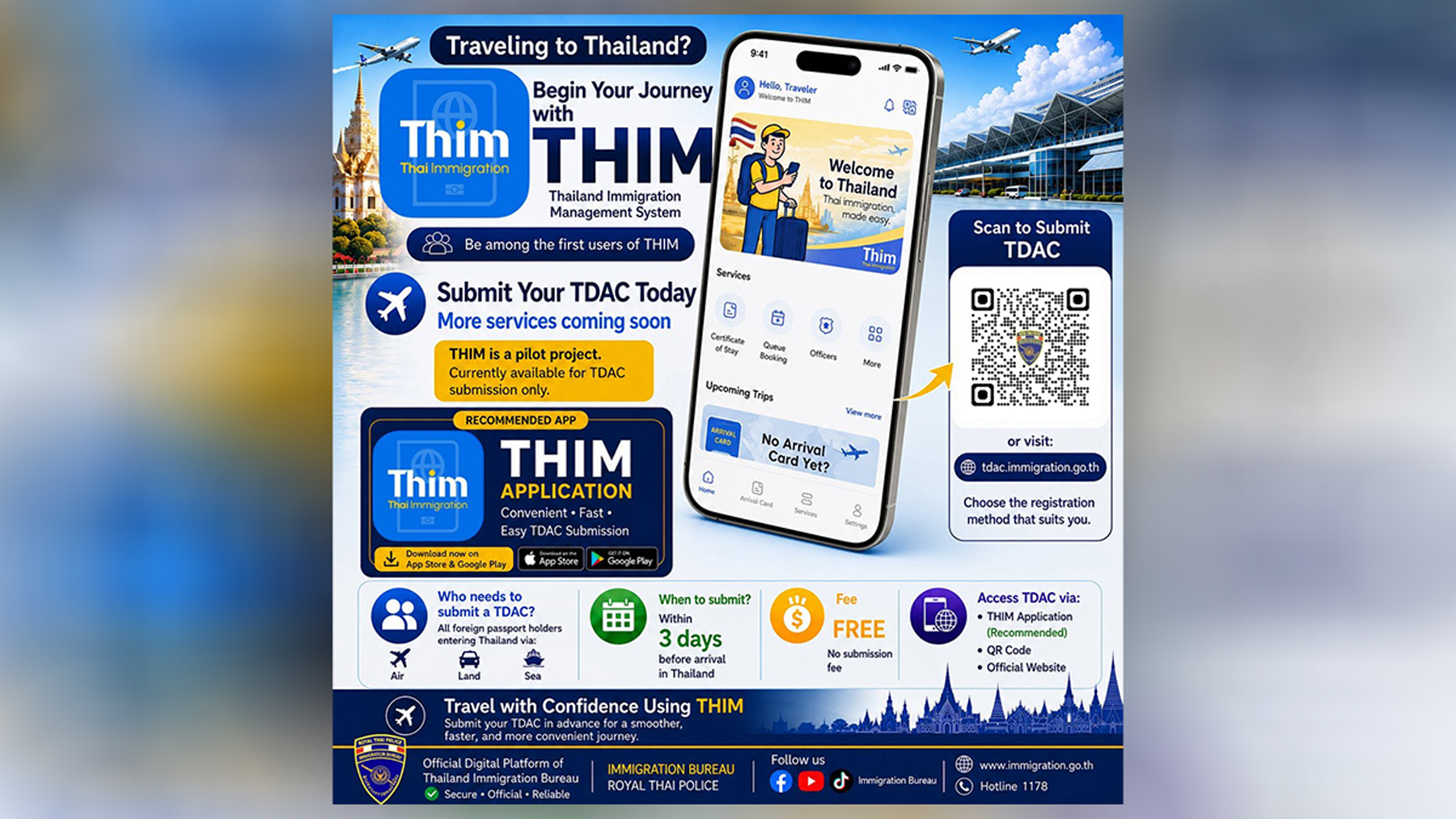
Thailand is also modernizing its tourism oversight with the THIM app designed to streamline foreign traveller registration and accommodation-related reporting, with a full launch planned this month of August.
The Condominium Consent Rule
Section 29 is the provision STR investors should read first because it makes any operator whose property sits under a juristic person (whether a condominium or a gated housing estate) obtain that body's written authorization before a license application can even be filed.
The practical effect is that building committees which already ban daily rentals in their bylaws keep a veto over the whole process and since national legalization does nothing to override a building's own rules, a Bangkok or Pattaya condo unit remains off limits until its committee agrees otherwise.
Penalties Move From Criminal to Civil
The draft converts the current regime's criminal exposure up to one year in prison plus a THB 20,000 fine and THB 10,000 for each day of continued operation into a tiered civil schedule; operating without a license draws up to THB 100,000 while the top tier reaches THB 500,000 with a daily fine of up to THB 20,000. Ignoring a registrar's order carries up to THB 200,000 plus THB 10,000 daily. Failing to appoint a manager, or refusing a guest without proper grounds, each draw up to THB 20,000. Licence suspension and revocation apply to serious breaches.
Check on Instagram: https://www.instagram.com/p/Db8mdTnoz6e/
Contested Points
The public consultation record logged 316 online submissions, responses from four government units, and two seminars in Phetchaburi and Kanchanaburi drawing roughly 190 participants.
Objections centred on the 29-room ceiling creating unfair competition with licensed hotels carrying heavier compliance costs, guest confusion over which consumer protections apply, inconsistent standards across local licensing authorities, and a concern that opening condominiums to short-term letting would let foreign buyers accumulate units and form single-nationality enclaves. The draft imposes no obligations on booking platforms such as Airbnb which leaves verification and delisting duties out of the framework.
⦾ Current status: Sub-30-day rentals of condominium units remain non-compliant with the Hotel Act B.E. 2547
⦾ Effective date: None yet. Bill in committee after first-reading approval; if enacted, in force 180 days after Royal Gazette publication
⦾ Registration required: Yes. Five-year licence for properties with 1 to 29 rooms and up to 58 occupants; full hotel licence above that; written consent from the condominium or estate juristic person required first
⦾ Night cap: N/A. Stays of 30 days or more fall outside the Act
⦾ Penalty for non-compliance: Under the draft, civil fines from THB 10,000 to THB 500,000, with daily fines up to THB 20,000, plus suspension or revocation. Under current law, up to 1 year imprisonment, THB 20,000 fine and THB 10,000 per day
⦾ Platform responsibility: None specified in the draft
Other Short-Term Rental (STR) News from Around the World:
 Josh Fischlin
 RNZ | Te Reo Irirangi o Aotearoa
 Tom Raynel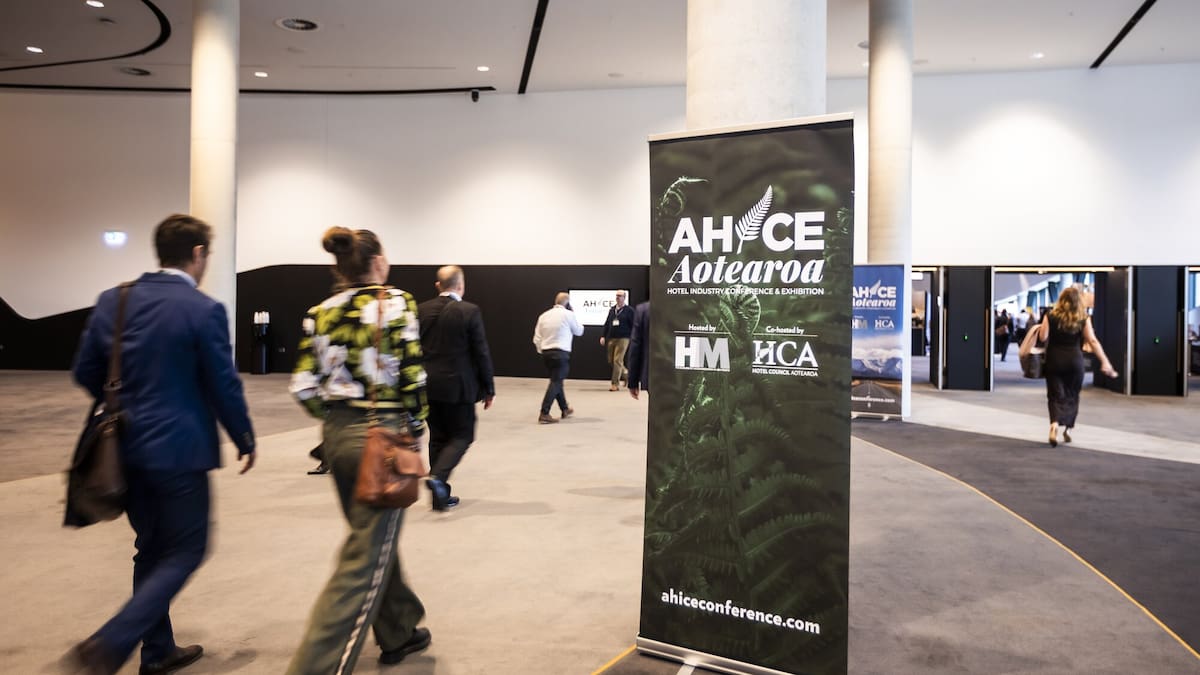
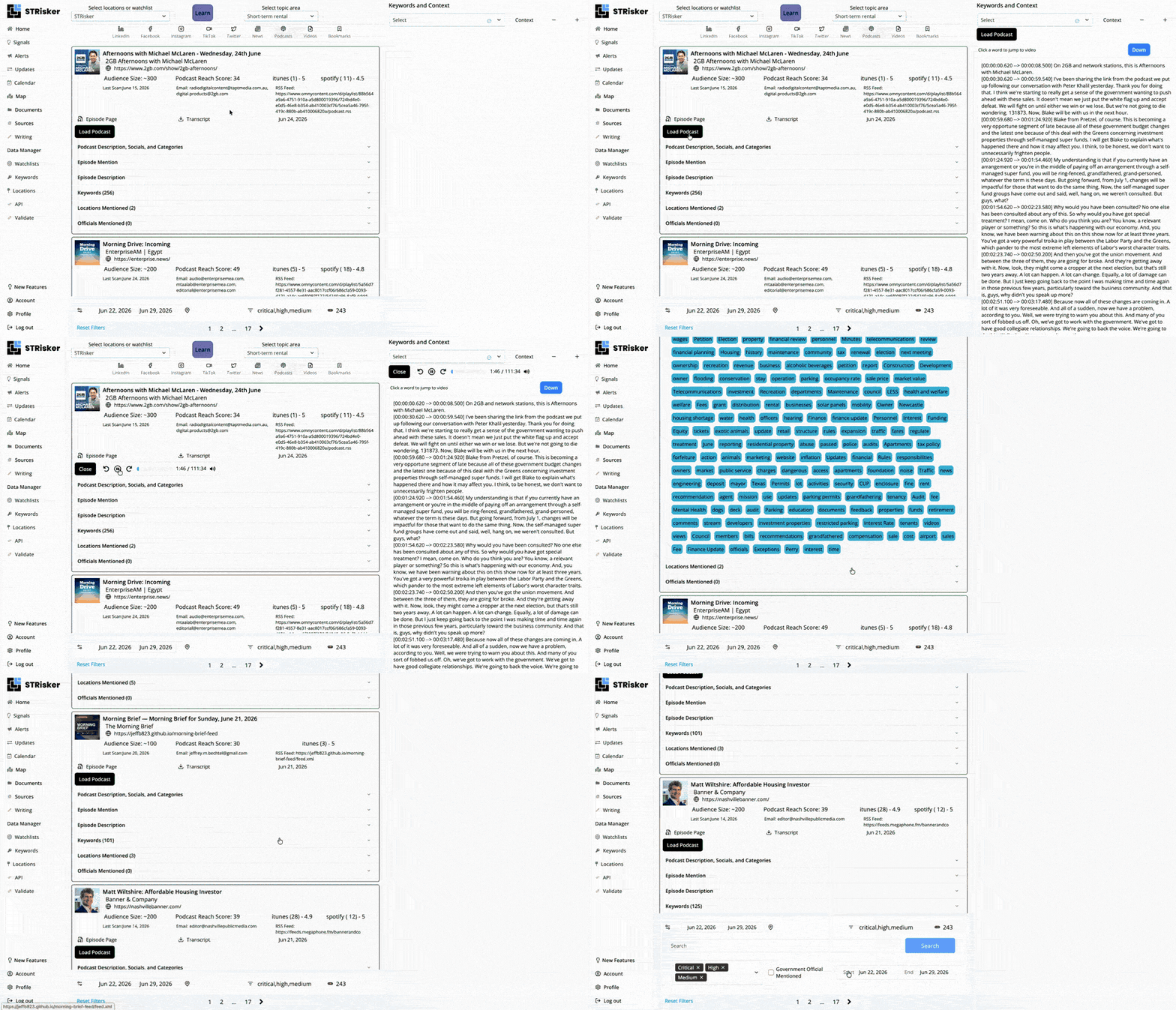
Social Listening 🎧: Podcast
Policy talk doesn’t just happen in the news cycle—it can also live in long-form audio. Strisker’s Podcast Signal turns hours of episodes into actionable insight, indexing transcripts so you can surface key mentions of STRs, data centers, ordinances, and local decision-makers in seconds.
Stay Updated with Strisker!
Strisker offers tools and features to keep you updated with the Short Term Rental movement (and now Data Centers!) movement across the world.
👍 We’d love your feedback.
We're always looking for ways to improve Bulletins.
Was this one useful to you? Other topics you'd like to see get covered?
✉️ Just reply directly to this email. We read and respond to every message!
-Will McClure
🙋 P.S.
Know someone else who should be reading this Bulletin? Feel free to forward this along. We want to make sure operators and stakeholders are aware of regulatory changes in their area.