
Bulletin - Washington, DC News Today
Bill 26-368 keeps the 90-night vacation rental cap, makes booking platforms verify host licenses and sets aside Mayor Bowser's second-property plan as the Council faces a December 31 deadline

DC Council Committee Advances Bill Letting Renters Host Airbnbs With Landlord Permission
Bill 26-368 keeps the 90-night vacation rental cap, makes booking platforms verify host licenses and sets aside Mayor Bowser's second-property plan as the Council faces a December 31 deadline
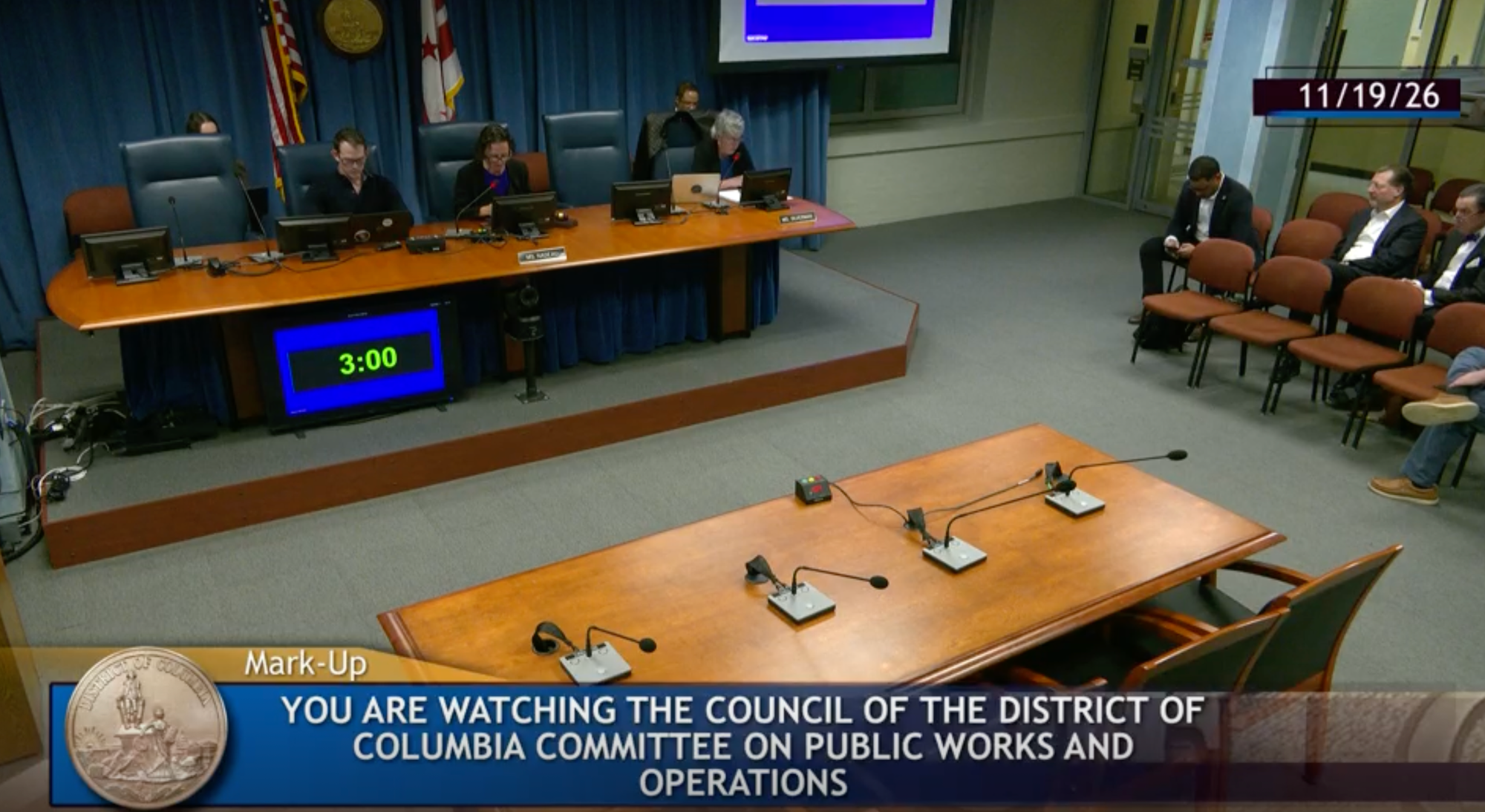
On November 19, the DC Council's Committee on Public Works and Operations voted unanimously to advance Bill 26-368. The bill would let tenants run licensed short-term rentals from their homes with written permission from their landlord and it would require booking platforms to confirm a host's business license before a listing goes live.
The bill still needs two votes by the full Council before the current legislative period ends on December 31. If it passes, renters would have a clear legal path to host for the first time since the 2018 law limited licenses to owners hosting in their primary residence.
What the bill would change
Councilmember Brianne Nadeau, who chairs the committee, introduced the Tenant and Rowhouse Short-Term Rental Clarification Amendment Act in September 2025. It revives a 2023 version that got a hearing but expired when the last Council period ended. As introduced, the bill would let tenants who can prove the unit is their primary residence hold a short-term rental license. It would also let owners of a two-unit property in a Residential Flat zone, typically a rowhouse with a basement apartment, rent out one of the two units.
The 90-night yearly limit on vacation rentals, meaning rentals where the host is away, stays in place. Under the committee's version, platforms such as Airbnb would have to verify a host's license before publishing a listing while the current law only requires them to let hosts display a license number.
Who is affected
Tenants would need their landlord's written permission before applying for a license which puts property owners and managers in the approval chain for the first time. Rowhouse owners who have been shut out because the second unit isn't their primary residence would gain a legal option and the license check also adds to platforms' obligations. Under existing law, a booking service already faces a $1,000 civil penalty for each violating transaction.
 dominiquedadiva
Why the Council acted
Nadeau's office drafted the bill after residents and housing experts reported weak enforcement. In 2023, the Department of Licensing and Consumer Protection (DLCP) also told her committee that it was already allowing renters to host even though the law limits licenses to owners.
The bill would put that practice on a legal footing and Nadeau presented it as a matter of fairness, saying that the chance to earn this income should not depend on whether someone owns their home.
What the committee left out
The committee did not take up the broader approach in Mayor Muriel Bowser's Short-Term Rental Regulation Amendment Act of 2026 introduced in March. The Mayor's bill would:
The committee report warned that allowing second properties would likely bring back "party houses." The Mayor's bill received its first committee hearing only this month and is still in committee.
Interesting: Later this week a D.C. Council committee will discuss a bill that would allow tenants to put rooms and/or housing units on short-term rental platforms like Airbnb. Right now, only homeowners can. The hotel lobby and union for hotel workers are opposed. pic.twitter.com/KUD1IZs9fS
— Martin Austermuhle (@maustermuhle) November 16, 2026
⦾ Who can host today: Owners hosting in their primary residence. Bill 26-368 is not yet law.
⦾ License: A basic business license with a Short-Term Rental or Vacation Rental endorsement. It costs $104.50 for two years: a $70 processing fee, a $25 endorsement fee and a 10% technology fee.
⦾ Night limits: Vacation rentals are capped at 90 nights a year, and no stay can exceed 30 consecutive nights.
⦾ Tax: The 15.95% rate on transient lodging, collected by platforms, has been extended through September 30, 2027.
⦾ Host penalties: $500 for a first violation, $2,000 for a second and $6,000 plus license revocation for a third.
In case you missed it:
 Carla Almendral

 Carla Almendral

 Carla Almendral

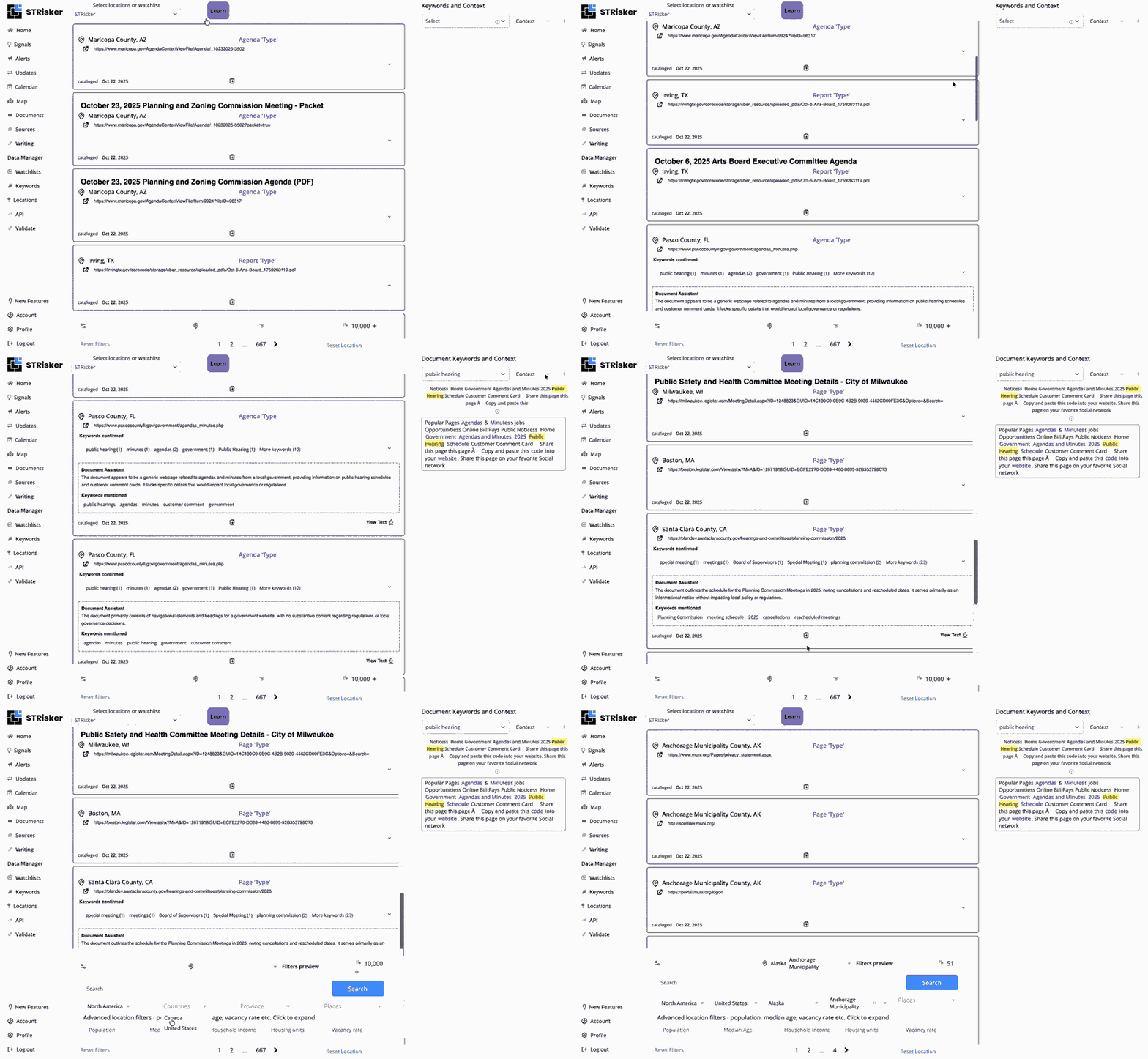
Strisker Document Analysis
Finding the right compliance documents shouldn’t feel like searching for a needle in a haystack - Strisker’s Documents Analysis is built to simplify your life, offering instant access to hundreds of thousands of documents from thousands of cities across the world.
Stay Updated with Strisker!
Strisker offers tools and features to keep you updated with the Short Term Rental movement (and now Data Centers!) movement across the world.
👍 We’d love your feedback!
We're always looking for ways to improve Bulletins.
Was this one useful to you? Are there other topics you'd like to see get covered?
✉️ Just reply directly to this email. We read and respond to every message!
— Will McClure 🙋
P.S. Know someone else who should be reading this Bulletin? Feel free to forward this along. We want to make sure operators and stakeholders are aware of regulatory changes in their area.