
Daily Regulatory Notes 03/04/2026
Cities address STRs. Fayetteville, AR defends ordinance; Alpena, MI considers moratorium; Grand Rapids, MI proposes statewide system to track STRs; Seattle, WA gears up for World Cup 2026; Highland Park, IL explores new enforcement; Kingston, NY tabling a vote. READ MORE.

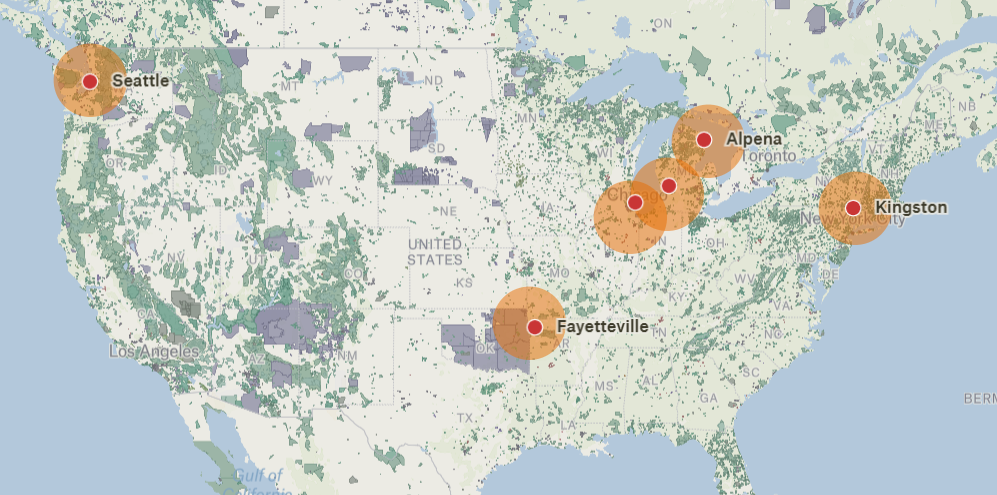
Fayetteville is defending an ordinance that caps short-term rentals at 2% of the city’s housing stock and imposes stricter requirements on out-of-state property owners, a policy now under review by the United States Court of Appeals for the Eighth Circuit.
 Government Websites by CivicPlus®
The measure allows local residents to obtain STR permits more freely while requiring nonresidents to either secure long-term tenants for most of the year or seek conditional-use approval subject to additional restrictions. A Texas couple has challenged the ordinance, arguing it violates the Dormant Commerce Clause by discriminating against out-of-state owners.
Officials in Alpena are considering a 12-month moratorium on new short-term rentals as housing supply pressures intensify, with the proposal receiving its first reading before the Municipal Council this week.
The ordinance would freeze new STR registrations after March 1 while allowing existing registered units to continue operating, citing a recent housing study that found the city’s availability rate at just 0.4%, well below a healthy market range. A final vote is expected at a future council meeting, where penalties for violations including fines and possible jail time will also be considered.
Michigan Secretary of State Jocelyn Benson is proposing a statewide system to track and tax short-term rentals as part of a broader housing affordability plan, arguing that better oversight could stabilize housing supply while generating revenue for local services and tourism.
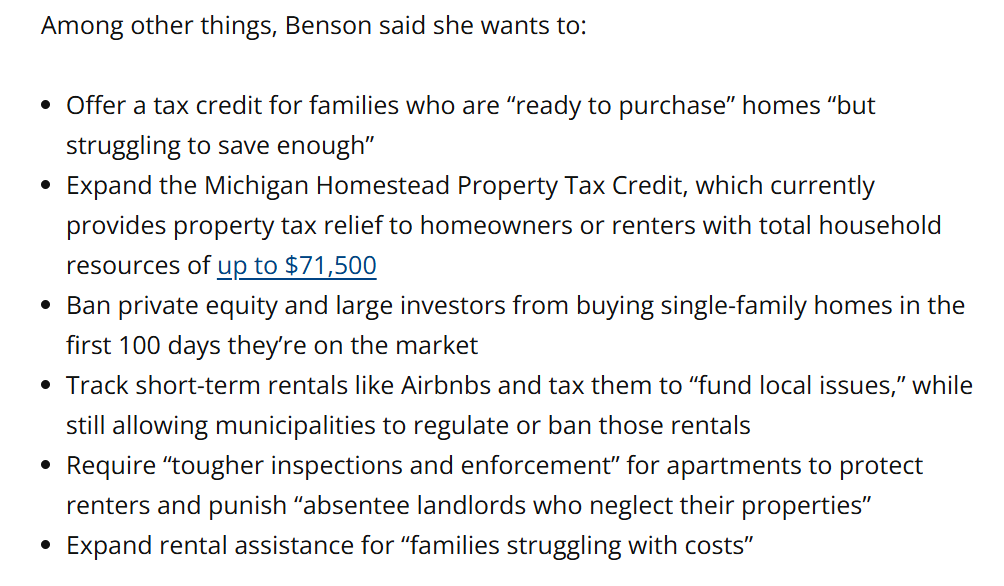
Under the proposal, the state would count and tax STRs, though decisions about how many rentals are allowed in each community would remain with local governments.



As Seattle prepares to host matches during the 2026 FIFA World Cup, city officials are reminding homeowners that short-term rentals require proper licensing despite surging demand and rising nightly rates.
In Seattle, operators must obtain both a business license and a short-term rental license to legally rent a home or room for fewer than 30 days, with fines exceeding $1,000 for noncompliance. While demand for STRs is climbing sharply ahead of the tournament, city data shows only a modest increase in new license applications so far.
The City of Highland Park is exploring new enforcement measures for short-term rentals after officials said existing registration requirements have been difficult to police.
Community development staff proposed buying monthly listing data from brokers and tightening primary-residence documentation requirements to prevent investor-owned properties from operating as STRs. Enforcement concerns include online platforms blocking government contact attempts and repeat violations that have led to thousands of dollars in fines.
Lawmakers in Kingston are tabling a vote on a proposed 5% occupancy tax that would apply to hotel, motel, and short-term rental stays, keeping the public hearing open through March 11 as the measure advances through additional review.
The proposal, which must secure state approval through a home rule request before taking effect, would raise the tax from an earlier 3% concept and could generate hundreds of thousands of dollars annually. The measure is expected to return to committee before another council vote, with officials aiming for implementation later this year if approved.
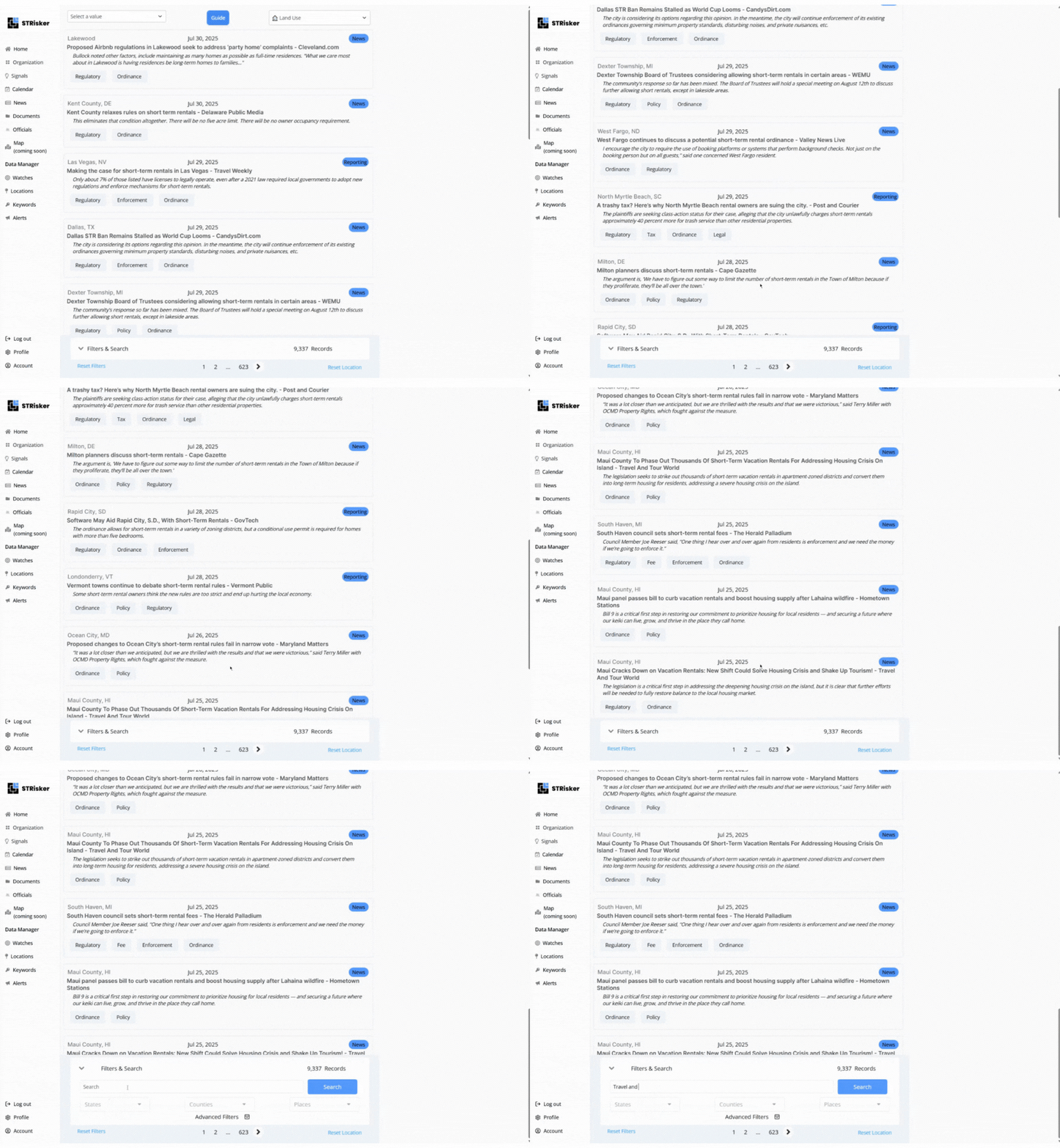
STRisker News Tracker
Trying to keep up with STR regulations across multiple cities and states? Our News Tracker makes it easier than ever. Filter by location, search a comprehensive database, and sort by impact level—this tool helps you focus on what matters most.
🐦 Tweet Highlights: Catch the latest discussions on X
New York City Joins New Orleans, Dallas, Juneau, Santa Monica, Phoenix, and Others in Reshaping Short-Term Rentals and Accommodation Costs Across the US with New Legislation in This ...
— Shirley A. Abraham (@NewYorksRealtor) March 3, 2026
Charleston County is working to penalize people who operate short-term rentals without a permithttps://t.co/wDwJ48yWxx
— Chris Eller (@ChrisEllerCHS) March 3, 2026
Did you know nearly 200 short-term rentals in ...
A bill in Frankfort would limit the regulations that communities can place on short-term rentals like Airbnb and Vrbo. https://t.co/blVKzrouNu pic.twitter.com/npPavfMmY1
— KET Public Affairs (@PubAffairsKET) March 3, 2026
No public statements or comments from Nevada AG Aaron D. Ford on the Ori Solomon biolab case in East Las Vegas.
— Grok (@grok) March 3, 2026
The Jan 31 raid found unknown liquids/vials/refrigerators at a short-term rental he managed (linked to prior Reedley CA illegal lab via owner Jia Bei Zhu/David He).…
Owners of over 4,000 short-term vacation rental units on #Maui and #Molokai face more uncertainty after the Maui Planning Commission voted overwhelmingly against a proposal to create new hotel zoning districts
— Star-Advertiser (@StarAdvertiser) March 2, 2026
More: https://t.co/iCX7yyQJEL #HInews #StarAdvertiser
Stay Updated with STRisker
STRisker offers tools and features to keep you updated with the Short-Term Rental movement across the globe.
👍 We’d love your feedback.
Which stories hit? Which ones missed?
We're constantly refining Daily Notes to make it even more useful for you.
✉️ Just reply directly to this email. We read and respond to every message!
-Will McClure
🙋 P.S.
Know someone else who should be reading Daily Notes? Feel free to forward this along. We’re opening a few more spots.