
Daily Regulatory Notes 03/26/2026
Cities address STRs. Florida raises concern on safety compliance; Maryland approves bill; University Park, TX reviews enforcement; Buchanan, MI updates regulations; South Lake Tahoe, CA adopts amendments; Covington, GA; Carmel, IN; Salem, OR; Columbia, Falls, MT; Walton County, FL. READ MORE.

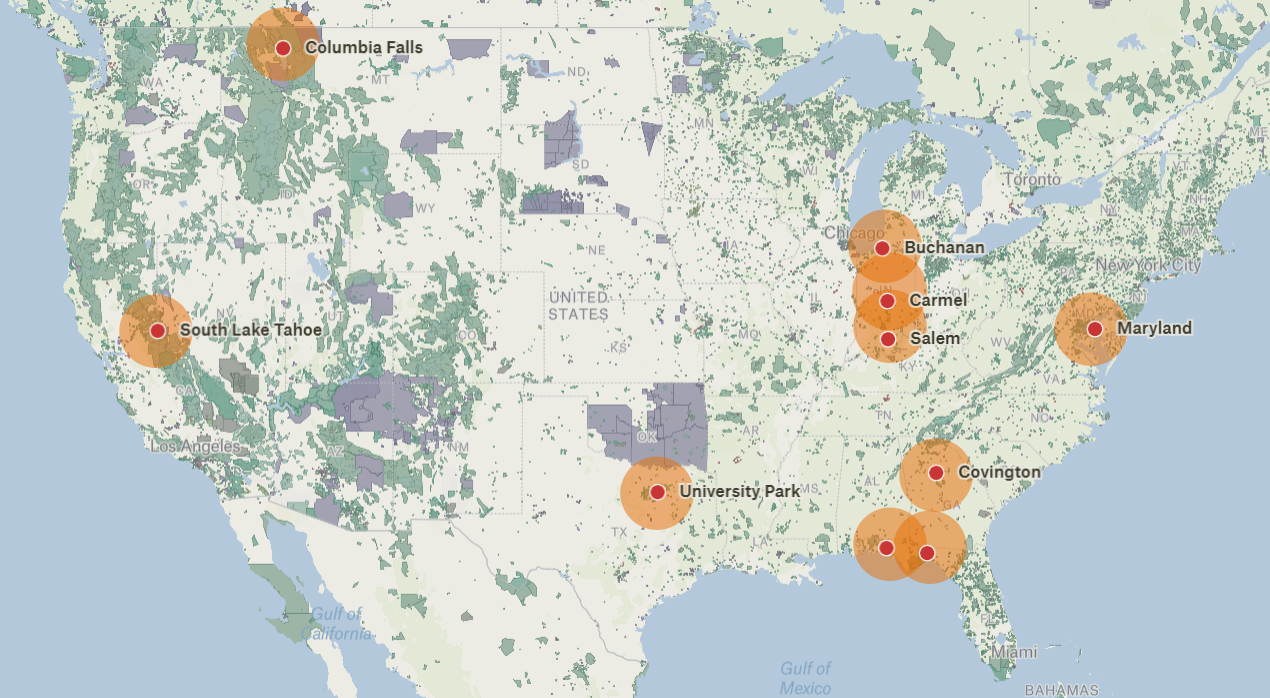
Florida
The death of a child at a Miami-Dade short-term rental is raising regulatory concerns about safety compliance and advertising standards within the STR market.
The family alleges the property failed to meet Florida’s legal pool safety requirements despite being promoted as “family friendly,” and plans to pursue legal action against the platform. The case highlights ongoing gaps between existing safety regulations and enforcement, particularly in privately operated vacation rentals.
Maryland
Maryland lawmakers have approved a first-in-the-nation statewide bill requiring short-term rentals to meet baseline fire and carbon monoxide safety standards.
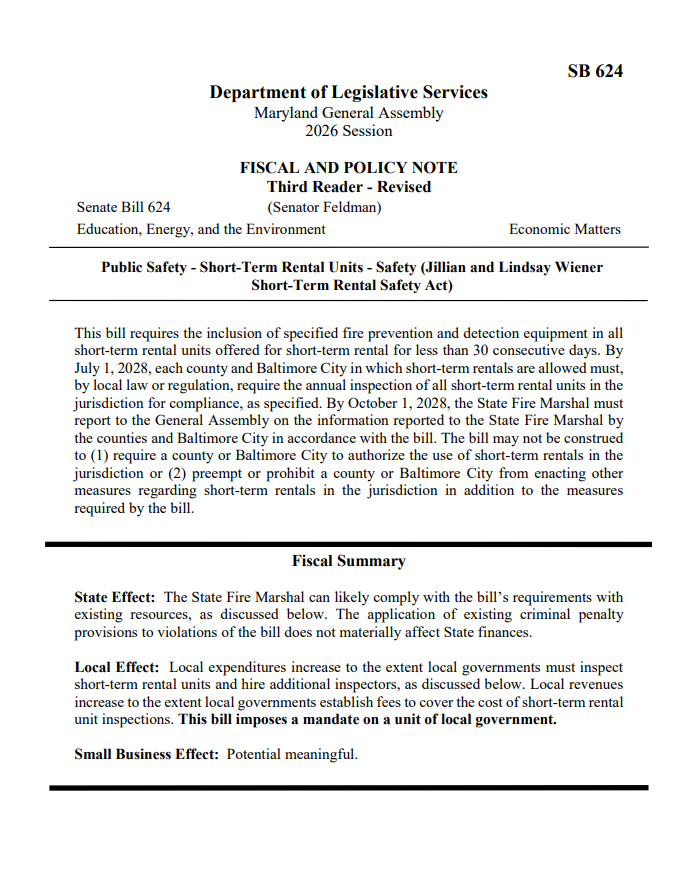
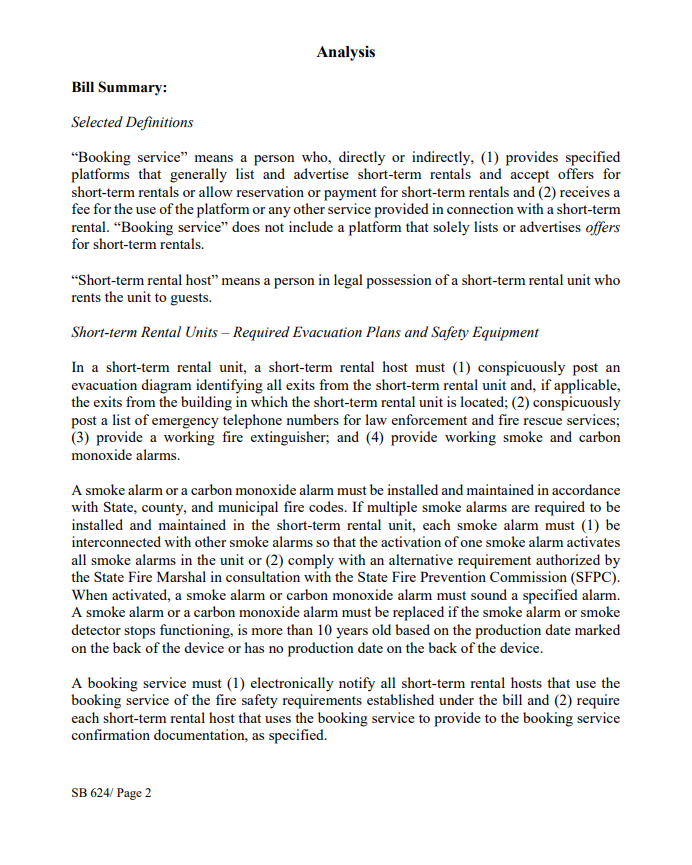
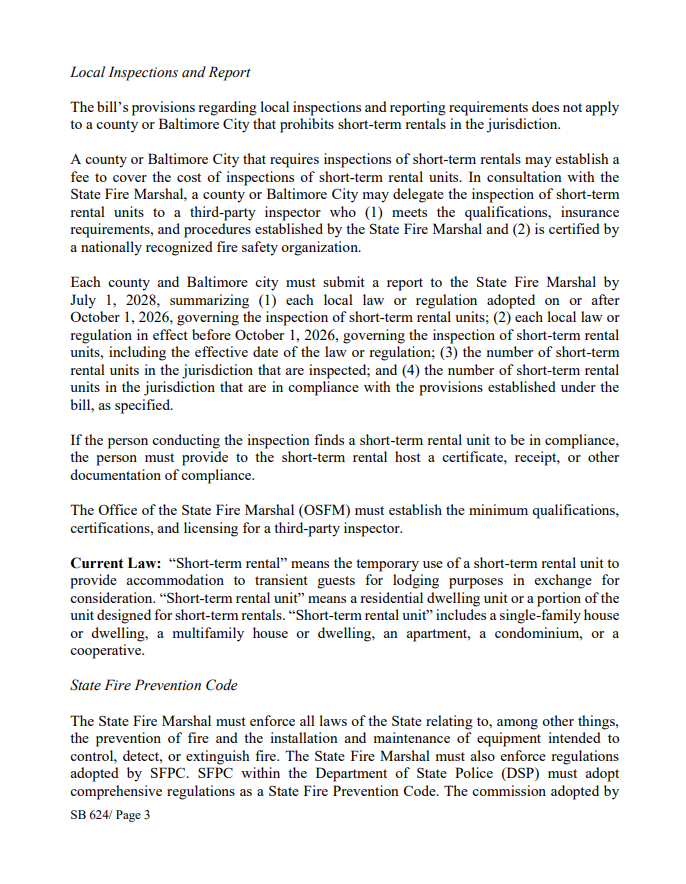
The legislation mandates smoke alarms, carbon monoxide detectors, fire extinguishers, evacuation plans, and emergency contact information in all STR properties, while also requiring booking platforms to verify compliance. Local governments will be responsible for enforcement, including annual inspections and the option to introduce registration fees to fund oversight.
Maryland lawmakers pass first-in-the-nation statewide safety standards for short-term rentals https://t.co/OrAKwys6KY pic.twitter.com/oCtTNUPcen
— Bethesda Magazine | Bethesda Today (@bethesda_today) March 25, 2026
University Park is revisiting its approach to short-term rentals as residents weigh competing concerns during a recent Planning and Zoning Commission hearing.
With roughly 15 STRs currently operating, city officials are considering a range of options, including a full ban, partial restrictions by zoning district, or a citywide regulatory framework. Community feedback reflects a familiar divide: some residents cite noise, traffic, and parking issues tied to STR activity, while others argue that well-managed rentals can coexist with neighborhoods and provide value.
Buchanan is moving forward with technical updates to its short-term rental regulations, with city commissioners reviewing amendments designed to better align zoning code language with rules already in place.
The proposed changes would not alter the existing STR framework, which includes a designated overlay district, but instead aim to improve clarity and enforceability. A final public hearing and vote are set for April 13.
 Government Websites by CivicPlus®
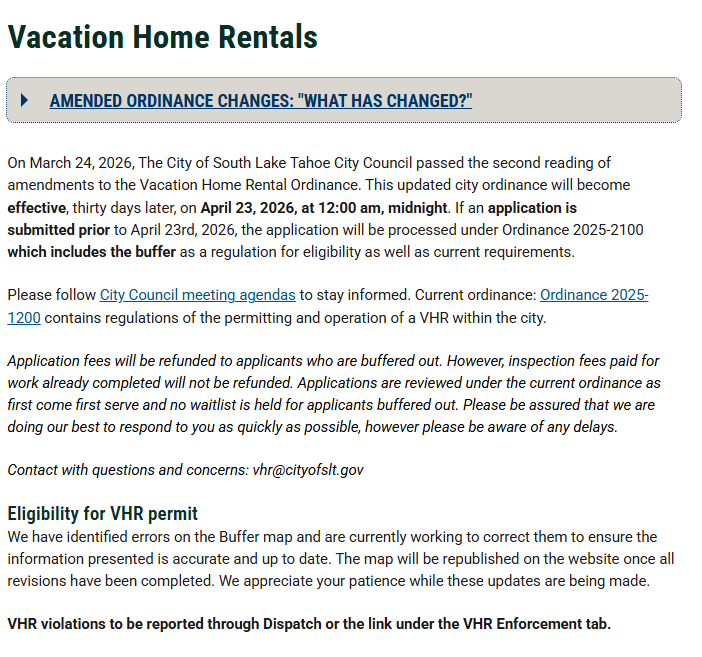
The South Lake Tahoe City Council has adopted amendments to its Vacation Home Rental ordinance, replacing prior spacing restrictions with a citywide cap of 900 permits in residential areas as it recalibrates STR oversight.
The update introduces new operational rules, including a minimum rental age, expanded condo eligibility, and stricter reporting requirements, while clarifying policies around permit transfers and enforcement. Officials are also requiring platforms to promote “family-friendly” standards in residential neighborhoods. The changes, effective April 23, come as the city continues to refine its regulatory framework following a court decision that invalidated earlier restrictions on vacation rentals.
The South Lake Tahoe City Council has approved updates to the city’s Vacation Home Rental (VHR) ordinance, making several significant changes aimed at balancing tourism with neighborhood concerns. https://t.co/ki6NesJs10
— News 4 Reno (@News4Reno) March 25, 2026
STRisker Keyword Searching
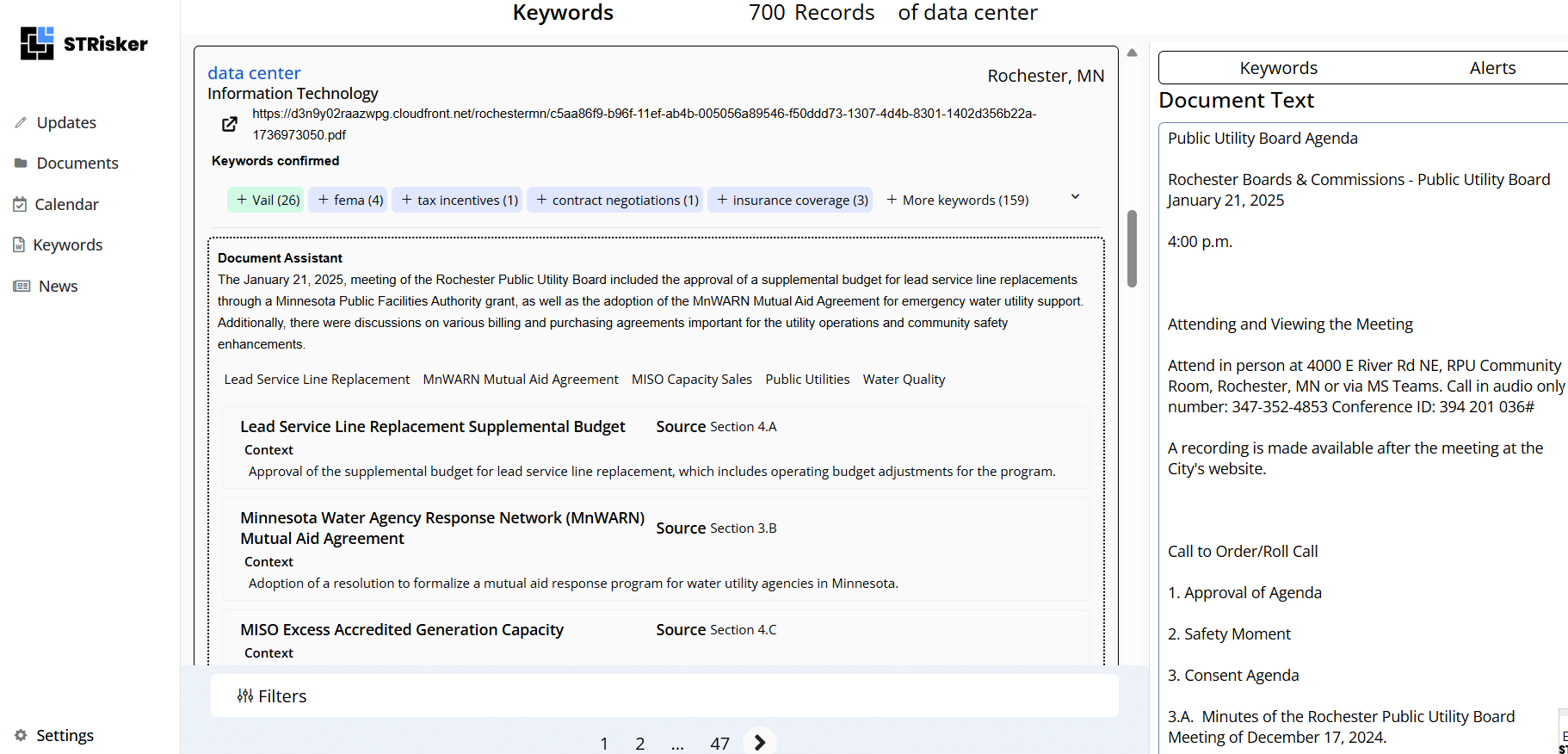
Finding the right keywords shouldn’t feel like digging through endless text—STRisker’s Keywords Searching tool cuts through the clutter for you. It tracks the essential keywords and terms across thousands of documents, highlighting information that matter most to you at a glance.
Covington city officials are opting not to expand restrictions on short-term rentals after a proposal to prohibit business activity inside STR properties was narrowly voted down 2–3 on March 16.
The request stemmed from growing concerns about pop-up shops, meet-and-greet events, and other commercial-style activities operating out of STRs in residential neighborhoods, which some leaders say are creating nuisance conditions and unfair competition with licensed local businesses.
Carmel’s ability to regulate short-term rentals has been significantly weakened after the passage of House Enrolled Act 1210, which effectively voids the city’s existing restrictions and approval requirements.
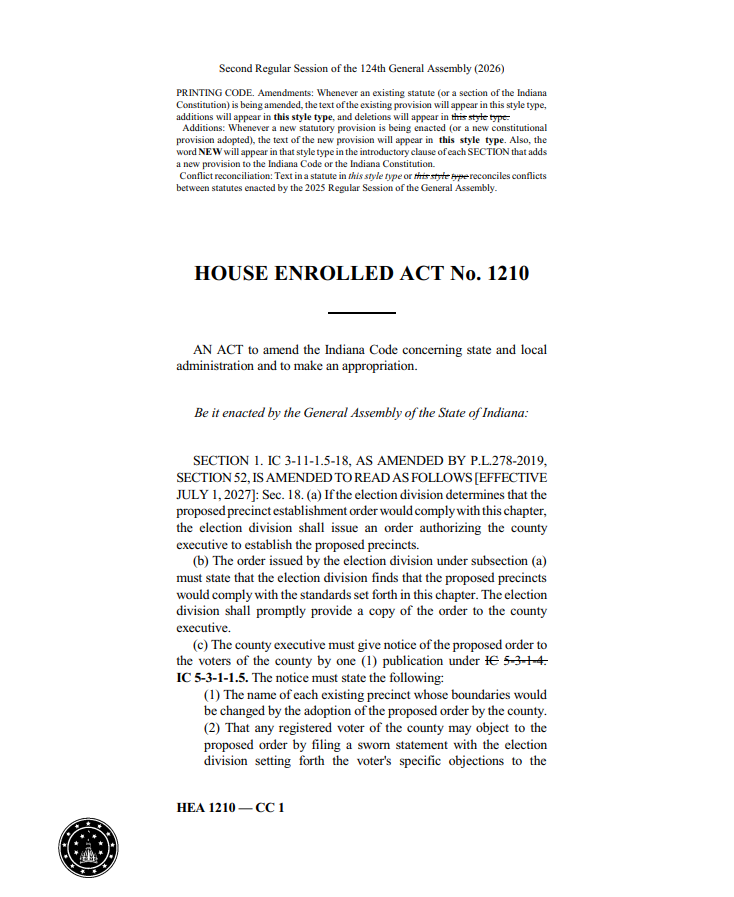
The new state law retroactively redefines bed-and-breakfast classifications, undermining Carmel’s prior framework that required zoning approval for rentals under 30 days and forcing the city to drop enforcement actions, including an active lawsuit.
New state law voids Carmel’s short-term rental restrictions https://t.co/dZLvjoAqoy
— Current Publishing (@youarecurrent) March 25, 2026
Salem officials are moving forward with new short-term rental regulations after unanimously approving a 2% fee on STR bookings, adding to the existing 9% lodging tax and aligning the sector more closely with hotel taxation.
Short-Term Rental License
The fee, set to take effect May 1, will apply to platforms like Airbnb and Vrbo, with most of the revenue directed toward tourism promotion efforts. Supporters say the measure levels the playing field and strengthens funding for local tourism, while operators argue rising costs and permitting requirements are making STRs harder to sustain.
Columbia Falls officials are actively weighing new regulations for short-term rentals, with the planning commission recommending a primary-residence-based model similar to Bozeman’s but without caps or zoning limits.
 Government Websites by CivicPlus®
The proposal would prioritize owner-occupied rentals and accessory dwelling units while allowing existing STR operators to continue, though permits would not transfer upon sale, effectively phasing out investor-owned properties over time. City staff also suggested stronger enforcement tools, including higher fees, required permit numbers tied to listings, and platform accountability for removing unlicensed rentals.
Walton County is stepping up enforcement of short-term vacation rental regulations, focusing on improving compliance with tourist development tax (TDT) payments and mandatory fire safety inspections.
Officials report compliance rates nearing 90% with a goal of 95% by 2026, but acknowledge ongoing gaps as hundreds of properties remain unregistered or delinquent. The county is increasing legal pressure by bringing noncompliant owners to monthly magistrate hearings, where fines of up to $500 per day can be imposed until violations are resolved. Alongside tax enforcement, random fire safety inspections are now a key compliance tool.
Walton County officials are intensifying their efforts to mandate compliance for Short-Term Vacation Rental (STVR) properties.
— Mid Bay News (@MidBayNews) March 25, 2026
More info @ https://t.co/t80jl34Adj#30a #beach #sowal #waltoncounty #florida #stvr #vacationrentals pic.twitter.com/EfP6Bj8xZE
📱 Social Buzz
🎤Episode Title: Little Island Living with Michelle Mayo | In Your Living Room Ep. 3
🎤 Episode: Real(ty) Talk
🎤 Episode Title: 130. Spring Through
🎤 Episode: Cidiot
📻 Listen:https://podcasters.spotify.com/pod/show/cidiot/episodes/130--Spring-Through-e3ghnqn
Los Angeles has a $Billion budget deficit and now wants to add another tax to Vacation Rentals for the upcoming FIFA and Olympic Venues.
— Paul Adams (@PAdamsH2O) March 26, 2026
This is my response:
I do not support this proposal.
You Councilmembers and the Mayor are now attacking another type of business. Your…
#NYC City Council members call for short-term rental law update:
— Nathan Rotman (@naterotman) March 25, 2026
"In neighborhoods across Queens, Brooklyn and the Bronx, homeowners who have spent decades building stability are now struggling to keep up with mounting bills. The subprime mortgage crisis of a generation ago…
PA House Tourism committee looking to reform short-term rentals ahead of NFL Draft in Pittsburgh https://t.co/safTKOF7iw
— WPXI (@WPXI) March 25, 2026
The House has perfected HBs 1768 & 2060, "Modifies provisions relating to the classification of certain residential real property used for short-term rentals," by voice vote: https://t.co/hXzFcsoZ3y#MOLeg
— House Communications (@MOHOUSECOMM) March 25, 2026
Hawaii’s short-term rental "Gold Rush" is officially over. With taxes hitting 18% and $10k/day fines rolling out, your Airbnb strategy might be illegal in 2026. Watch my full breakdown of the new laws here: #HawaiiRealEstate #STR #Investing pic.twitter.com/AEQ6SL5Eia
— Island Dragonfly (@isledragonfly) March 25, 2026
Stay Updated with STRisker
STRisker offers tools and features to keep you updated with the Short-Term Rental movement across the globe.
👍 We’d love your feedback.
Which stories hit? Which ones missed?
We're constantly refining Daily Notes to make it even more useful for you.
✉️ Just reply directly to this email. We read and respond to every message!
-Will McClure
🙋 P.S.
Know someone else who should be reading Daily Notes? Feel free to forward this along. We’re opening a few more spots.