
Daily Regulator Notes 04/06/2026
Cities address STRs. Decatur, AL launches application for permits; Hoboken, NJ prepares for World Cup; West Jordan, UT and Boulder, CO approve ordinance; Kiawah Island, SC reviews enforcement; Centre County, PA reports enforcement; Springville, NY; Fayetteville, AR; Tybee Island, GA. READ MORE.

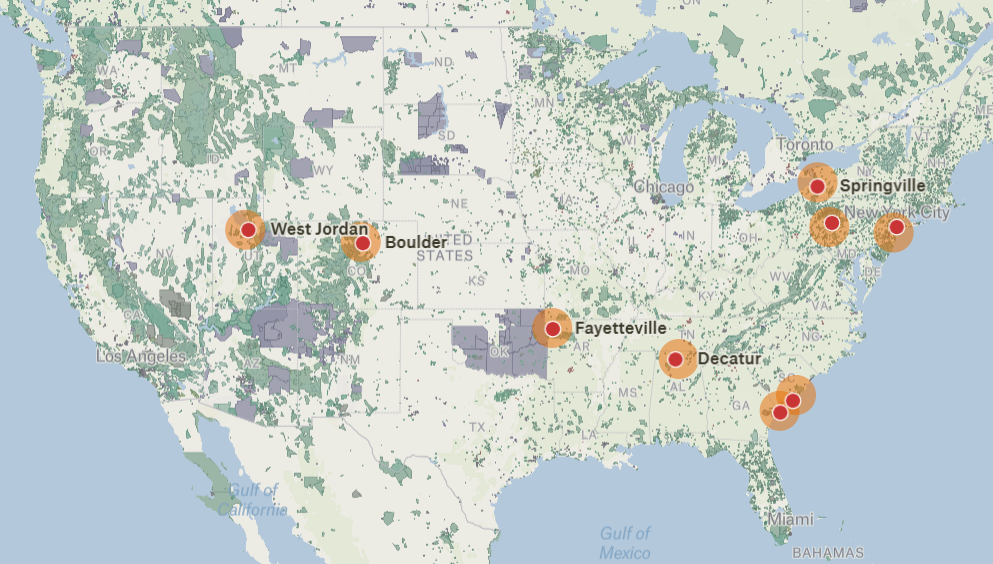
The City of Decatur has launched an application portal for short-term rental permits following the recent approval of regulations allowing the use within city limits.
As of April 1, property owners can begin submitting applications, with city staff expecting most completed submissions to be processed within seven to 10 business days. The program includes a 90-day grace period before fines are enforced, giving operators time to meet requirements. Under the ordinance, the city will cap permits at 150 units in eligible residential areas.
Hoboken is positioning itself as short-term rental-friendly ahead of the 2026 FIFA World Cup, opting against new restrictions while neighboring cities tighten regulations.
Municipalities like Kearny, Secaucus, and Union City have imposed bans or fines, while Hoboken is allowing the market to expand to meet visitor demand. Hoboken officials see flexibility as a way to support tourism while limiting non-compliant activity.
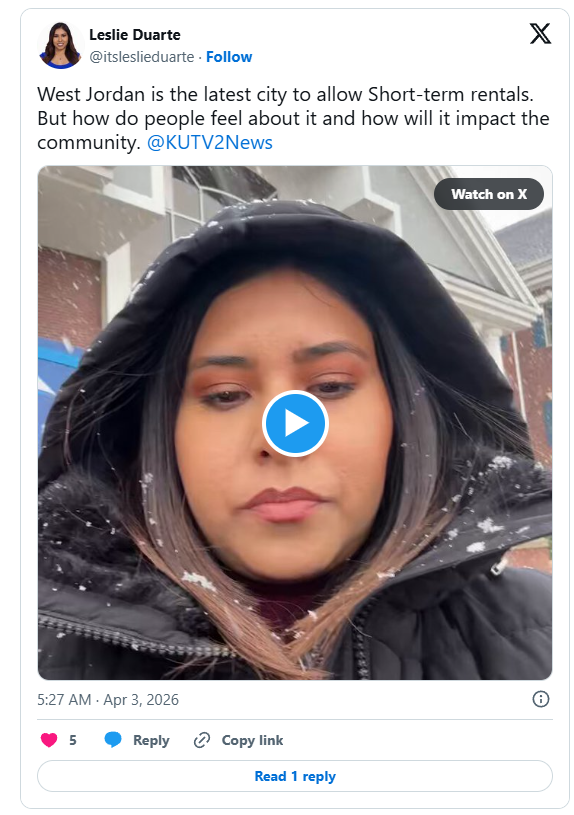
West Jordan has approved a new ordinance allowing short-term rentals. City officials say the move is intended to bring oversight to roughly 120 active rentals and ensure compliance as demand increases.


The ordinance includes rules such as requiring on-site parking and prohibiting street parking tied to short-term rental use. Officials also cite future demand, including the upcoming Olympics, as a factor in adopting the policy early.
The Boulder City Council has unanimously approved an ordinance allowing tenants to sublease their homes as short-term rentals during the Sundance Film Festival.


The city plans to begin issuing licenses in early May ahead of the January 2027 event, which is expected to draw tens of thousands of visitors and strain local lodging capacity. Under the new rules, tenants can participate with written owner approval, with both parties free to negotiate revenue-sharing arrangements.

Social Listening 🎧: Podcast
Policy talk doesn’t just happen in the news cycle—it can also live in long-form audio. STRisker’s Podcast Signal turns hours of episodes into actionable insight, indexing transcripts so you can surface key mentions of STRs, ordinances, and local decision-makers in seconds.
A new report highlights how short-term rental eligibility on Kiawah Island depends on strict zoning and licensing requirements, despite being permitted in certain areas.
According to the article, properties located between the island’s first and second security gates may qualify, but owners must secure a license through the Kiawah Island Community Association (KICA). The number of licenses for single-family homes is capped, meaning eligible buyers may still face delays if permits are unavailable. The report also notes that some neighborhoods prohibit short-term rentals entirely, requiring buyers to verify rules at the community level.
Short-term rentals are continuing to expand across Pennsylvania, prompting state lawmakers to consider new regulations aimed at standardizing oversight. In Centre County, officials report significant growth in listings, with the area now ranking among the highest in the state.
While municipalities like State College have implemented local ordinances with licensing requirements, other areas remain unregulated, creating inconsistencies that have raised concerns among law enforcement. A proposed state House bill seeks to address these gaps by establishing a countywide registry of short-term rentals, requiring a designated local contact for each property and setting basic safety standards.
The Village of Springville has approved Local Law 5 of 2026, establishing a regulatory framework for short-term rentals following a public hearing on March 16.
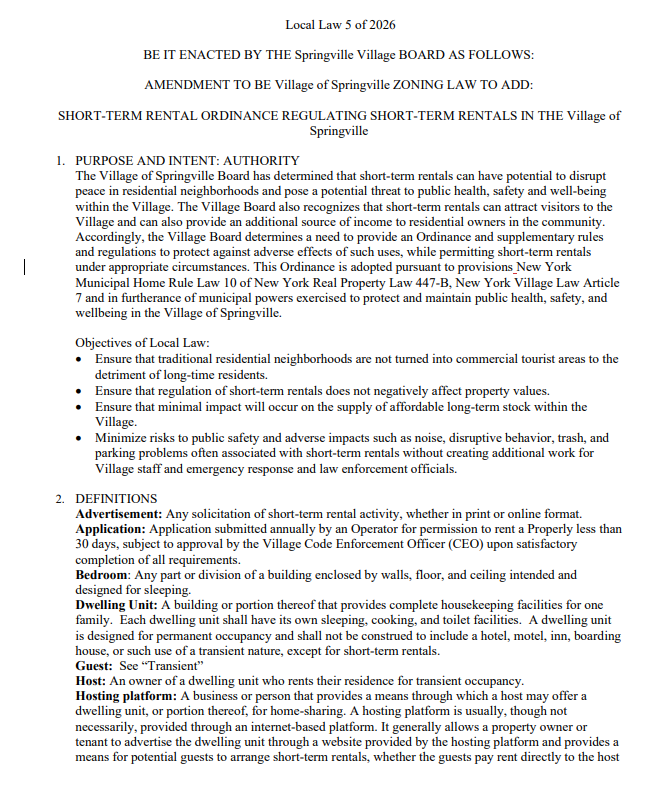
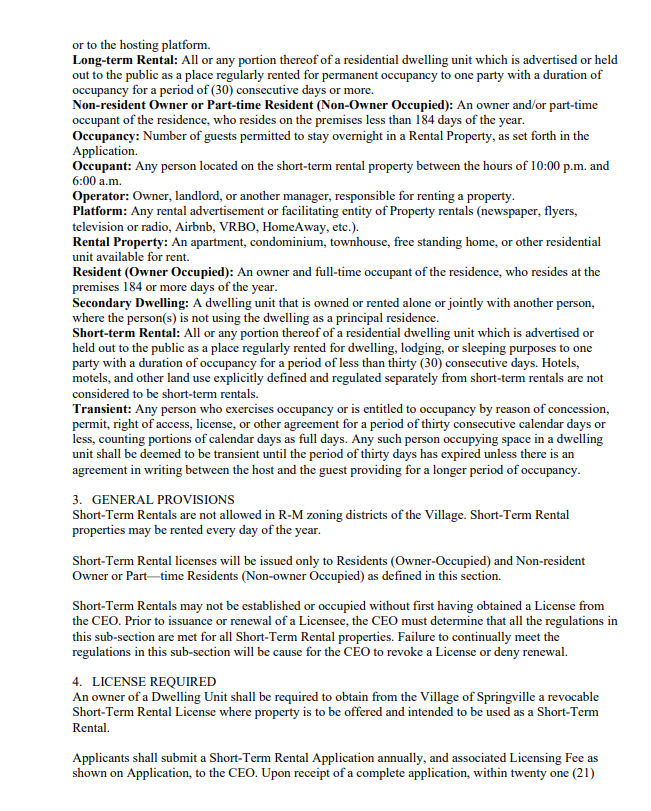
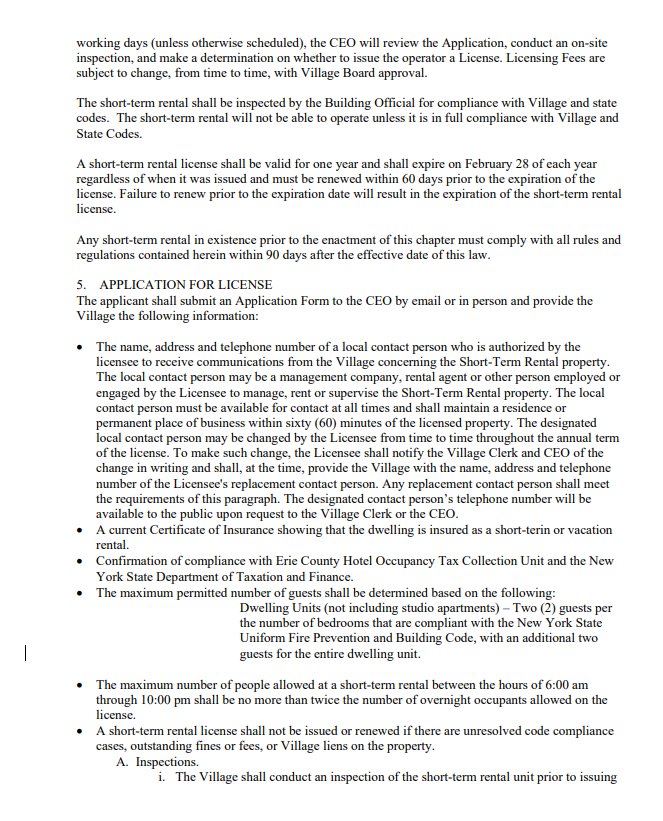
The ordinance allows rentals under specific conditions while aiming to address concerns over neighborhood disruption and public safety. Short-term rentals are prohibited in certain zoning districts and require a license prior to operation, with compliance monitored by the code enforcement officer. Annual fees vary based on property size and whether the unit is owner-occupied.
A Washington County judge has dismissed a lawsuit challenging Fayetteville’s short‑term rental ordinance, ending a case brought by two Texas homeowners whose STR permit was denied because their neighborhood already had too many rentals.
The couple argued the ordinance was vague and amounted to an unconstitutional taking, but the court said a previous federal ruling upholding the ordinance applied to this case as well. The judge also noted that the homeowners failed to appeal the Planning Commission’s denial in time, leaving no grounds for further review. With the decision, Fayetteville’s STR rules remain intact and legally validated.
Tybee Island officials spent their workshop outlining a sweeping overhaul of short‑term rental regulations, including sector‑specific caps on STR units in residential zones and a more rigorous application and appeals process.
Proposed changes also include mandatory QR‑coded signage for emergency contacts, a potential waiting list for permits, and new limits on STR permit transfers that would require most new owners to reapply.
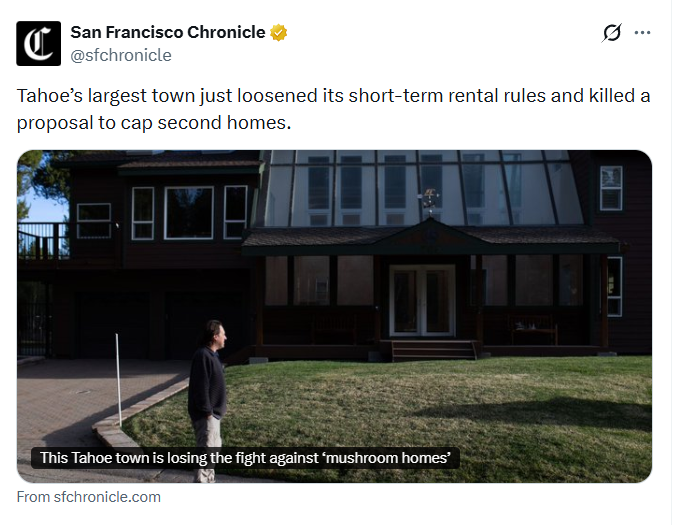
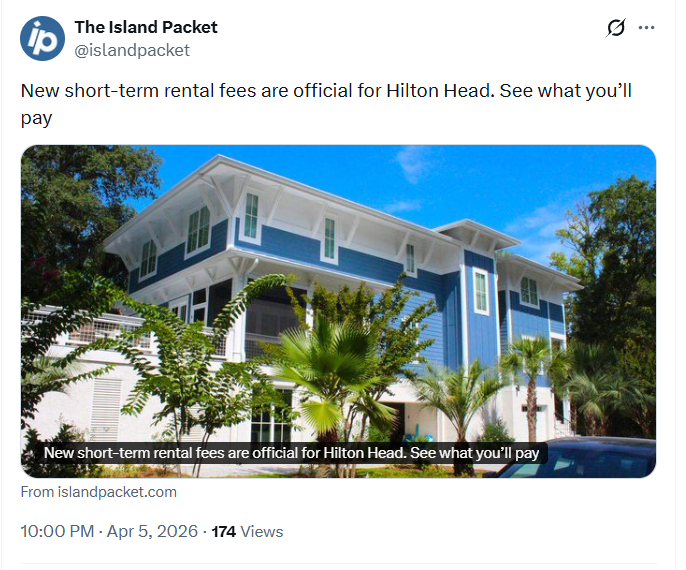
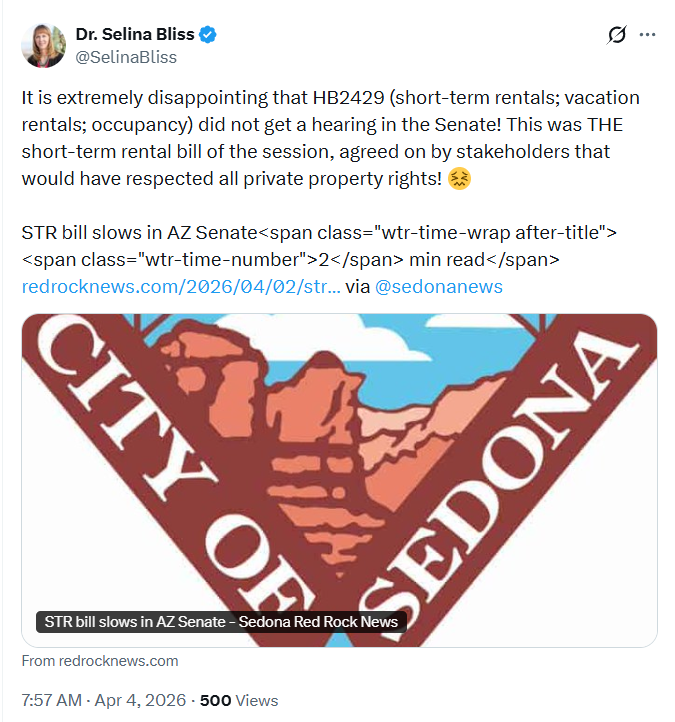
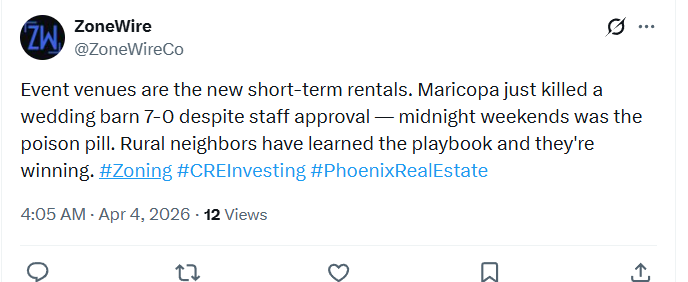
🐦 Tweet Highlights: Catch the latest discussions on X
Stay Updated with STRisker
STRisker offers tools and features to keep you updated with the Short-Term Rental movement across the globe.
👍 We’d love your feedback.
Which stories hit? Which ones missed?
We're constantly refining Daily Notes to make it even more useful for you.
✉️ Just reply directly to this email. We read and respond to every message!
-Will McClure
🙋 P.S.
Know someone else who should be reading Daily Notes? Feel free to forward this along. We’re opening a few more spots.