
Daily Regulatory Notes 12/03/2025
Cities address STRs. California raises lodging tax; Florida enhances enforcement; Fayetteville, AR prepares to adopt ordinance; Ocean City, MD discusses moratorium; McKinney, TX reports HOT revenue; Maui County, HI advances bill; Tompkins County, NY; Tybee Island, GA; Lowndes, MS. READ MORE.

California
A growing wave of tourism tax hikes is reshaping U.S. travel economics as states prepare for 2026, with California joining Hawaii, Colorado, Utah, Michigan, and New York in raising lodging taxes to support local services and tourism infrastructure.
Hawaii will increase its transient accommodation tax to 11% and extend the rate to cruise ships, while California is boosting transient occupancy taxes in San Diego and Menlo Park to fund tourism-related projects. Colorado’s Eagle County will double its lodging tax to 4%, Utah counties are adopting rates up to 4.5%, and Michigan is giving cities and counties authority to add up to 3% in local lodging taxes.
Florida
Florida counties are turning to Deckard Technologies to improve short-term rental compliance as unregistered vacation rentals continue to drain tax revenue and complicate enforcement.
 Justine Gardiner
By using AI and public data, the platform helps local governments identify unlicensed properties and recover lost revenue, as seen in Monroe County’s $800,000 in recovered taxes and Marion County’s jump from 131 to more than 1,600 registered rentals. Officials say the technology streamlines a process that once took hours of manual searching while leveling the playing field for compliant operators.
Fayetteville’s City Council is preparing to vote on officially adopting its short-term rental ordinance along with new amendments focused on occupancy, enforcement, and limits on Type 2 rentals.
 Government Websites by CivicPlus®
The proposal keeps the current Type 1 and Type 2 structure, with a 475-unit citywide cap on Type 2 rentals and a requirement for a conditional-use permit in residential zones. Amendments would tighten occupancy rules, escalate penalties for unlicensed rentals and impose spacing and density limits on Type 2 units.
Ocean City leaders decided whether to continue the moratorium on new short-term rental licenses in single-family and mobile home districts, a pause that began in February.
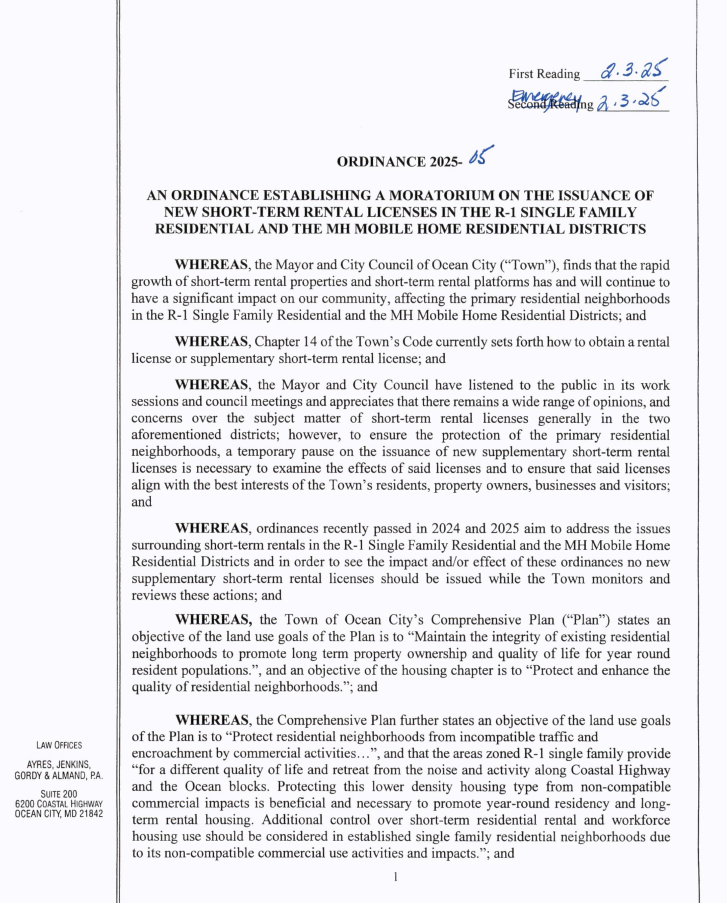
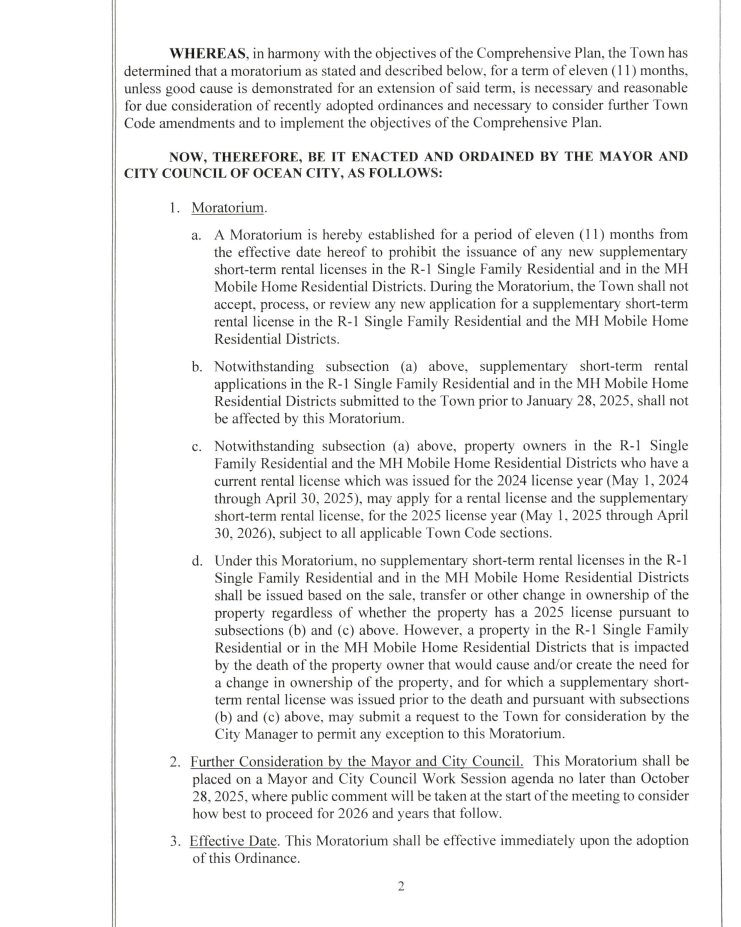
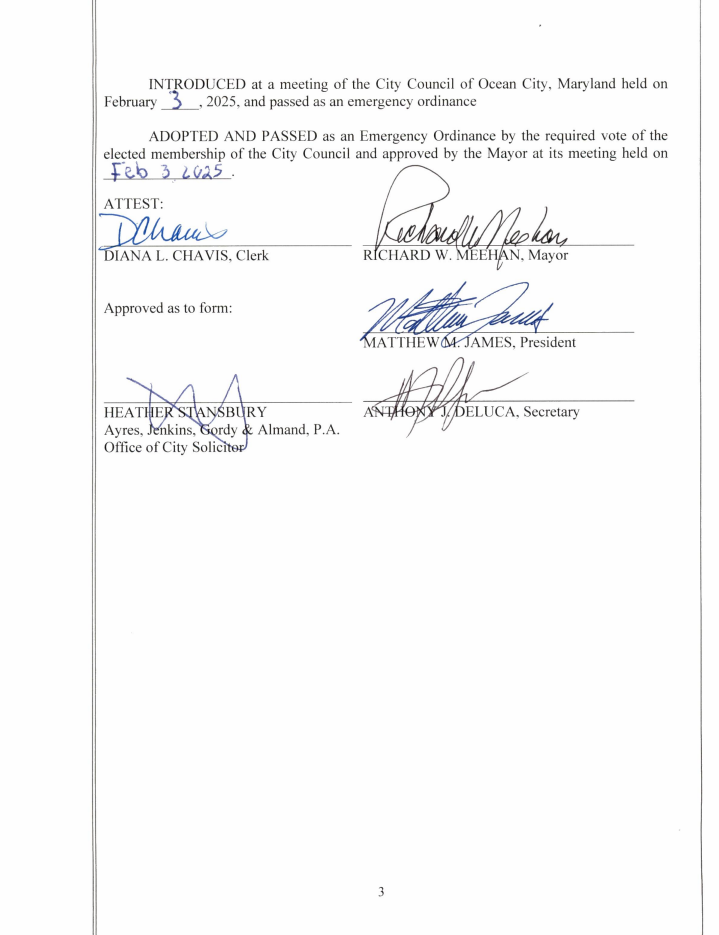
Ordinance 2025-05 – Emergency Moratorium on SRT in R1 and MH
Proposed regulatory frameworks include minimum stay requirements, hard caps on licenses, phased reductions, and tougher occupancy and enforcement rules. Some options include limiting bookings to one per seven days or freezing licenses at current levels and distributing new ones through a lottery.
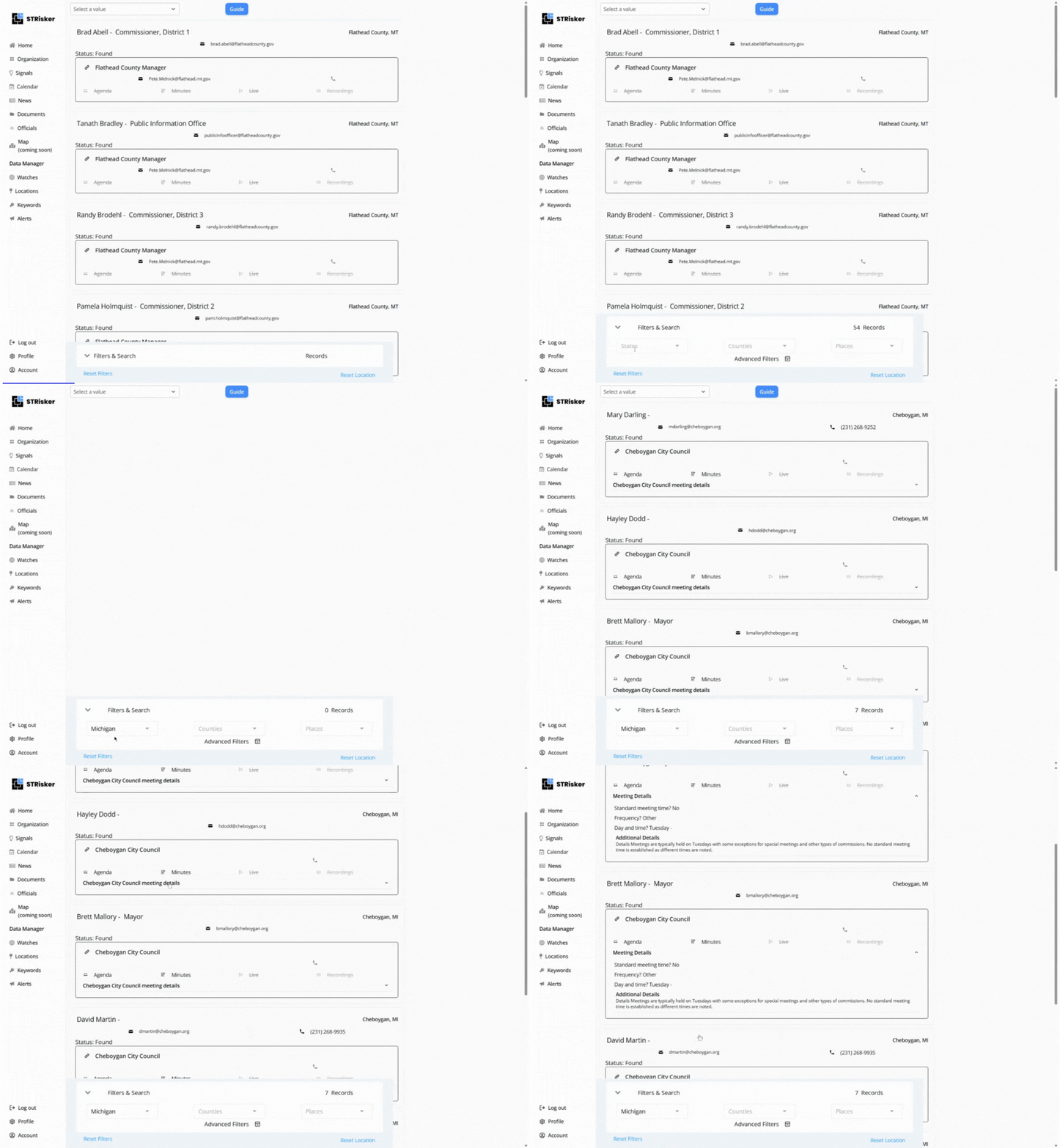
STRisker Government Office Dashboard
Trying to keep up with the main players in the STR game? Know your councilmembers, commissioners, committee chairs, and key staff that are part of the process.
McKinney’s hospitality industry closed FY24-25 with record hotel occupancy tax revenue, exceeding $3.3 million and marking a 6.7% year-over-year increase.
 City of McKinney
Hotels and short-term rentals posted consistent gains throughout 2025, with June and July showing double-digit growth and occupancy holding steady at 71.2%. Rising demand is fueling new development, including several new hotels opening in 2026 and a major JW Marriott resort planned near Craig Ranch.
Maui County Council narrowly advanced Mayor Richard Bissen’s controversial Bill 9, which would phase out thousands of short-term rentals in apartment-zoned areas to free up housing for local residents and fire survivors.
The 5–3 vote came after hours of emotional testimony from residents, STR owners, and advocacy groups. The council will take a final vote on Dec. 15, with a companion proposal expected on Dec. 19 that could rezone many affected properties into new hotel districts. If adopted, that companion bill could reduce the impact to roughly 13% of Maui’s STRs.
Tompkins County has opened registration for short-term rentals, with owners required to sign up by February 28 under a new law passed earlier this year.


Each unit must obtain a $125 certificate of authority that remains valid for two years. The updated rules mandate core safety measures, including a posted evacuation diagram, a working fire extinguisher, and visible emergency contact numbers. Operators must also maintain at least $300,000 in liability insurance for third-party property damage or injuries.
Tybee Island’s long-running fight over short-term rental rules is back in court as Tybee Alliance pushes a motion for summary judgment arguing the city’s ordinance is unenforceable under two Georgia codes that limit how municipalities regulate residential rental properties.
The Alliance is also seeking a permanent injunction that would block Tybee from enforcing its STVR rules altogether. The city countered with its own summary judgment motion in November, insisting the lawsuit misinterprets state law and that STVRs function as commercial ventures, giving local governments authority to license and regulate them.
Lowndes County supervisors tabled a proposed ordinance that would apply the county’s 2% hotel tax to short-term rentals and require operators to register and obtain permits similar to Columbus’ new rules.
Discussion centered on how the 2% tax would be collected and remitted. County officials noted the lack of an ordinance means the county is missing out on revenue from more than 20 STRs. If adopted, the tax would support the Columbus-Lowndes Convention and Visitors Bureau.
In case you missed it:
 Genelaine Urbano
Stay Updated with STRisker
STRisker offers tools and features to keep you updated with the Short-Term Rental movement across the U.S.
👍 We’d love your feedback.
Which stories hit? Which ones missed?
We're constantly refining Daily Notes to make it even more useful for you.
✉️ Just reply directly to this email. We read and respond to every message!
-Will McClure
🙋 P.S.
Know someone else who should be reading Daily Notes? Feel free to forward this along. We’re opening a few more spots.