
Daily Regulatory Notes 12/22/2025
Cities address STRs. Massachusetts votes on bill; Arizona plans to revise law; Maui County, HI approves bill; Los Angeles, CA reviews enforcement; Clark County, NV halts enforcement; Melbourne Beach, FL; Hocking County, OH; Bexley, OH; Ship Bottom, NJ; Sandpoint, ID. READ MORE.

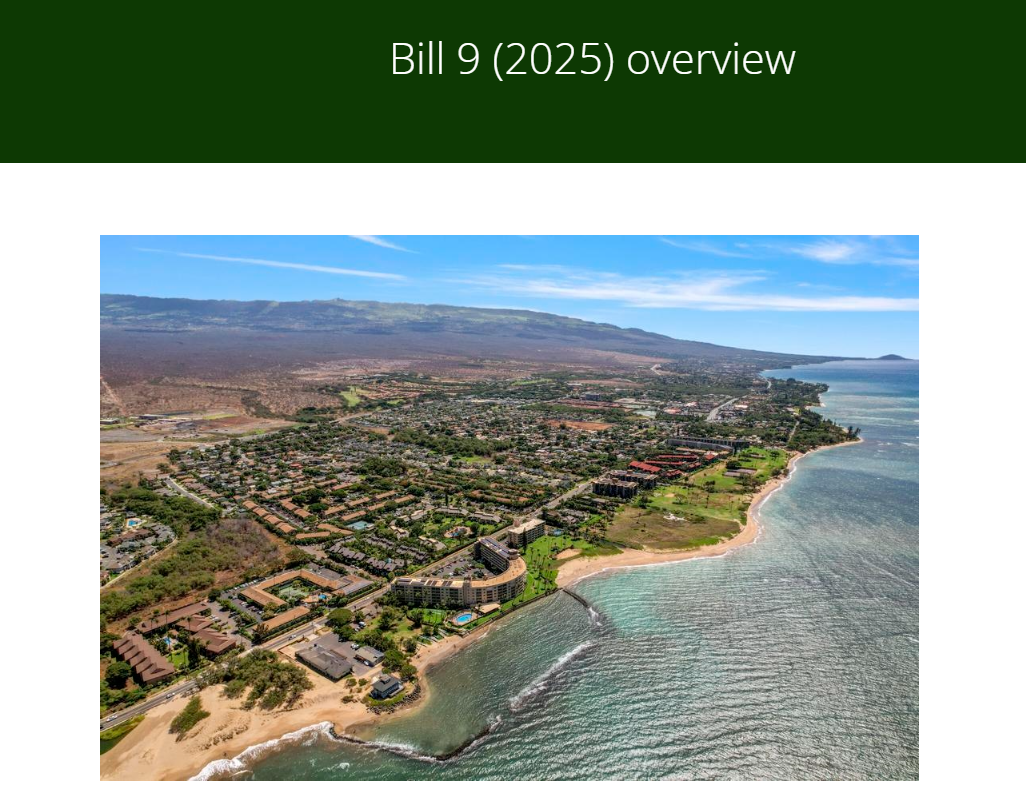
Maui County has approved Bill 9, a sweeping law that will phase out more than 6,200 short-term vacation rentals in west and south Maui to address the island’s housing shortage.
The measure sets sunset dates of 2029 and 2031 for affected areas and was introduced after the 2023 wildfires displaced thousands of residents.
After passing Bill 9 to phase out vacation rentals in apartment zones, Maui officials are now weighing a partial rollback through Resolution 25-230.
Massachusetts
A Massachusetts bill targeting “dark money” in local government has cleared an initial House vote and would require disclosure of spending aimed at influencing town meeting warrant articles.
Bill H.806: An Act relative to dark money in local government
The proposal, driven in part by short-term rental and housing debates on Cape Cod and the Islands, would apply to any group spending $1,000 or more to sway a vote.
Arizona
Arizona cities are pushing to revise the state’s 2016 law that prevents local governments from banning short-term rentals, as the policy nears its 10-year mark.

The League of Arizona Cities and Towns plans to propose legislation allowing municipalities to cap licenses, limit density, and impose spacing requirements, citing housing loss in cities like Sedona. Officials argue the law has enabled large-scale investor activity that reduces housing availability for residents. Airbnb opposes the effort, emphasizing economic benefits, low party rates, and safeguards already in place.
Demand for short-term rentals near Los Angeles World Cup venues is surging, with prices and bookings spiking around matches at SoFi Stadium.


Data show more than 70% of Inglewood STRs already booked for the U.S. opener, with nightly rates jumping more than 50% compared to normal days. Analysts expect both demand and supply to rise as Airbnb encourages new hosts ahead of the tournament, mirroring listing spikes seen before the Paris Olympics.
A Nevada district court judge has temporarily halted Clark County from enforcing fines, liens, and penalties against homeowners for short-term rental activity.


Judge Miranda Du ruled the county’s restrictions likely violate property owners’ constitutional rights under the 14th Amendment. The injunction blocks licensing requirements and prevents the county from declaring short-term rentals a public nuisance.
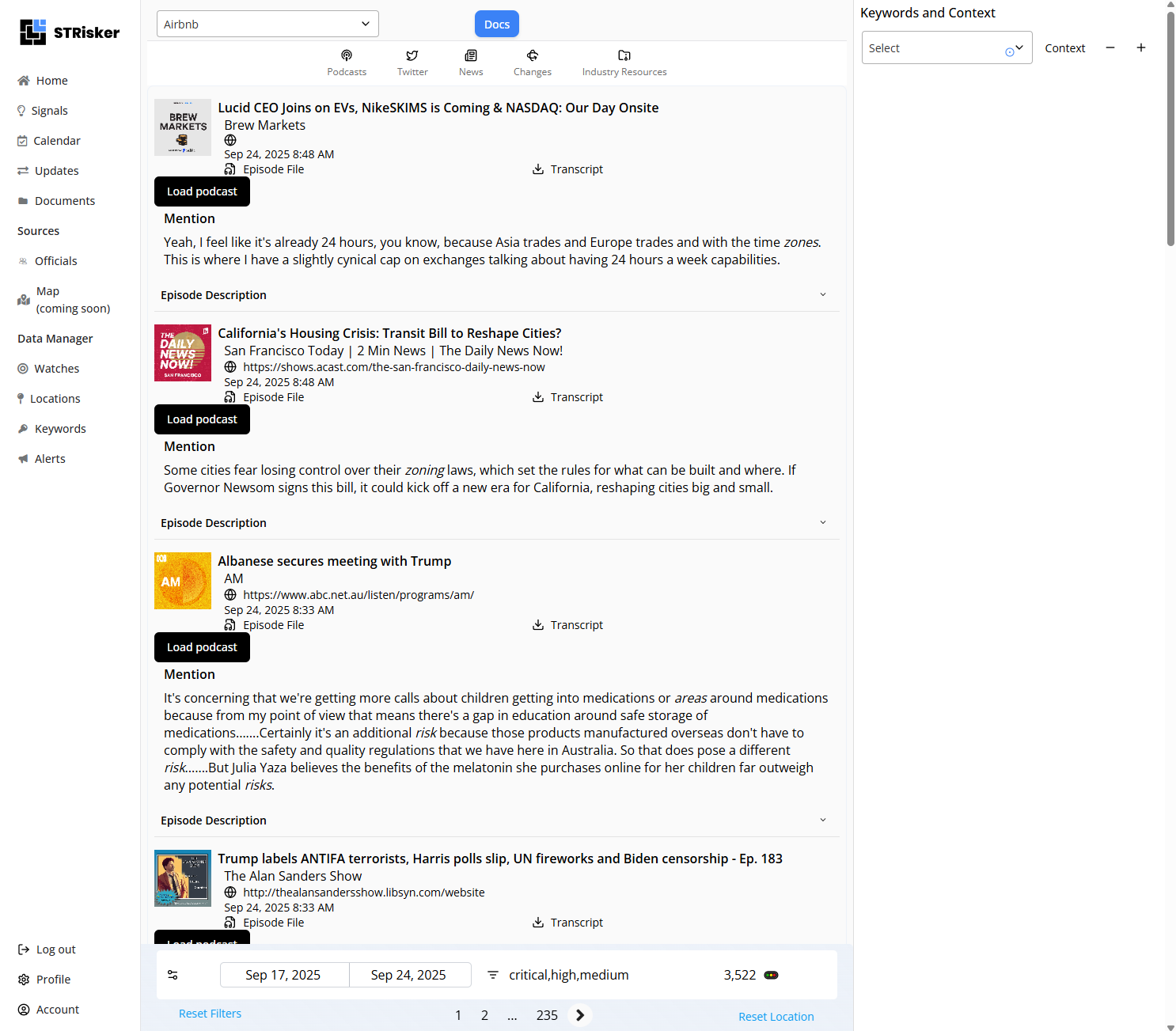
Social Listening 🎧: Podcast
Policy talk doesn’t just happen in the news cycle—it can also live in long-form audio. STRisker’s Podcast Signal turns hours of episodes into actionable insight, indexing transcripts so you can surface key mentions of STRs, ordinances, and local decision-makers in seconds.
The Melbourne Beach Town Commission voted to hire a finance clerk and convert code enforcement into a full-time position.
Commissioners said the finance department workload increased after the clerk role was cut during the budget process. The shift to a full-time code enforcement officer was driven in part by growing short-term rental regulations and compliance demands. The new role will include STR and nuisance enforcement, with recruitment set to begin immediately.
Nov. 13, 2025: Hocking Hills cabin owner sentenced for placing hidden cameras in bathroom
A hidden-camera case at a Hocking Hills short-term rental is renewing concerns about guest safety and oversight in the STR market.
An Ohio man was sentenced to nearly 10 years in prison after secretly recording more than 50 guests, including children, inside a rental bathroom. While Airbnb maintains a zero-tolerance policy for cameras in private spaces, industry experts say platform rules alone are not enough.
Bexley City Council is weighing a request that could eliminate the city’s only commercial short-term rental, the Bexley Bed and Breakfast.
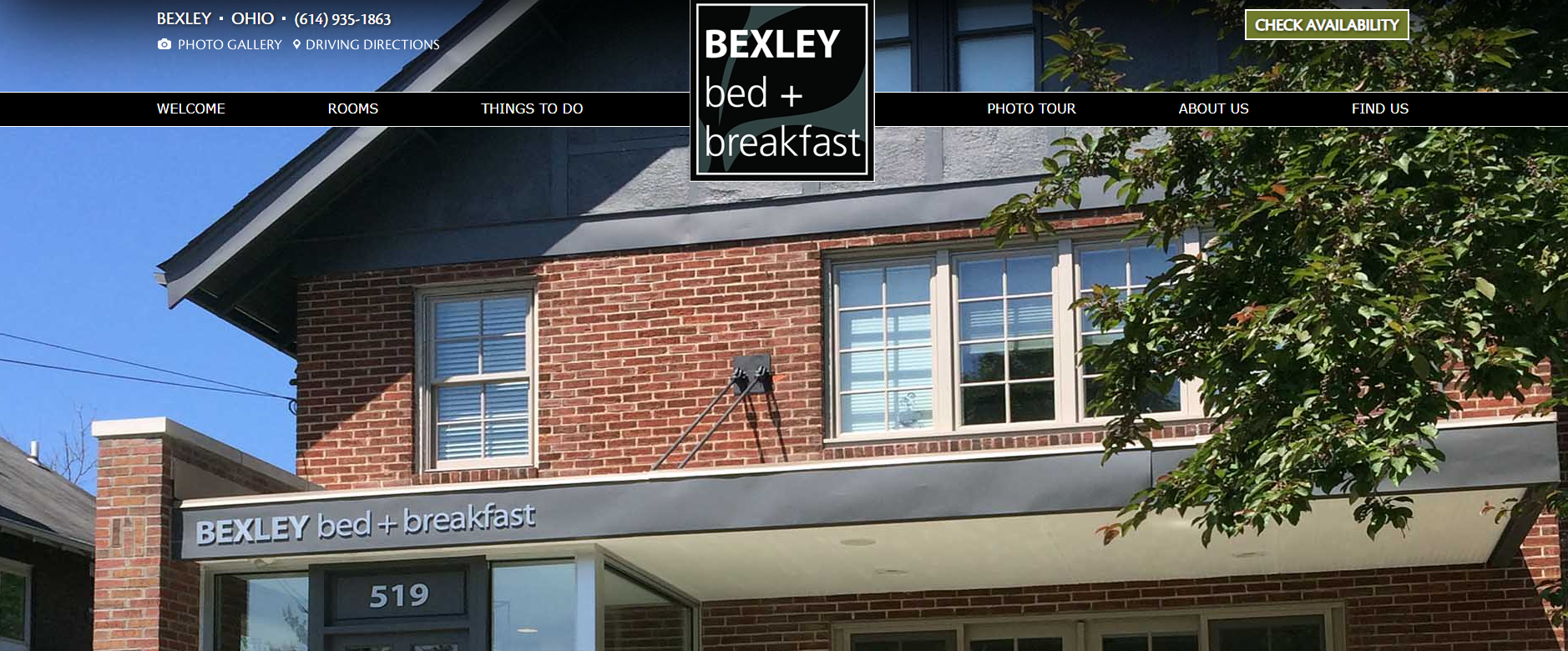
The property’s new owner is seeking a zoning variance to convert the long-standing B&B into three apartments. Councilmembers pushed back, questioning whether enough evidence exists to justify ending a community staple so soon after the sale. The proposal has been tabled while additional financial records are reviewed.
Ship Bottom’s proposed short-term rental ordinance was rejected after Mayor William Huelsenbeck cast the tie-breaking vote at a packed special council meeting.
The ordinance faced strong public opposition over fees, taxes, and 24/7 owner availability requirements. While residents applauded the ordinance’s defeat, council immediately introduced a narrower measure focused solely on collecting a 3% hotel and motel tax on short-term rentals. That tax proposal will receive a public hearing and second reading on Dec. 30.
Sandpoint officials moved forward with changes to the city’s short-term rental rules after concluding the existing unit cap likely violates state law.
The Planning and Zoning Commission approved eliminating the cap while tightening parking, occupancy, and permitting requirements, particularly for large rentals. City leaders warned that failure to act could invite legal challenges similar to cases elsewhere in Idaho. The amended ordinance now advances to the City Council for consideration.
In case you missed it:
 Genelaine Urbano
 Crystel
 Crystel
Stay Updated with STRisker
STRisker offers tools and features to keep you updated with the Short-Term Rental movement across the U.S.
👍 We’d love your feedback.
Which stories hit? Which ones missed?
We're constantly refining Daily Notes to make it even more useful for you.
✉️ Just reply directly to this email. We read and respond to every message!
-Will McClure
🙋 P.S.
Know someone else who should be reading Daily Notes? Feel free to forward this along. We’re opening a few more spots.