
Data Centers: Daily Notes | August 4, 2026
Ohio state Rep. Jennifer Gross introduced legislation requiring local citizen votes before new data centers could be built; Lincoln County officials set a timeline for finalizing new data center regulations; Smithville enacted an 18-month moratorium on data centers. READ MORE.


At A Glance 🔽
- Ohio state Rep. Jennifer Gross introduced legislation requiring local citizen votes before new data centers could be built.
- Lincoln County, Nebraska officials set a timeline for finalizing new data center regulations, with a public hearing on the proposed rules scheduled for Aug. 11.
- Smithville, Tennessee enacted an 18-month moratorium on data centers and cryptocurrency mining, despite no such projects currently being proposed within city limits.
- Yakima County, Washington commissioners directed staff to draft a six-month data center moratorium after residents raised concerns over water scarcity, even though no applications currently exist.
- Loudoun County, Virginia faces opposition after Amazon filed a site plan for four data center buildings on a former university campus, seeking approval that would bypass planning commission review.
- Maysville, Georgia saw a City Council meeting cut short after an update on the Northern Data/Rumble data center project sparked shouting from opponents, forcing an early adjournment.
- La Crosse, Wisconsin took its first formal step toward an 18-month data center moratorium, advancing the measure to study environmental, economic and health effects.
- Colorado Springs, Colorado City Council will decide the fate of the proposed Project Taurus data center after an appeal challenged the Planning Commission's vote to approve the project.
- Tonawanda, New York approved a one-year data center moratorium mirroring the state's pause, blocking new permits following resident opposition to a project on a former coke plant site.
- Palm Beach County, Florida commissioners rejected the proposed $2 billion Project Tango AI data center, citing unclear and widely varying estimates of the project's water demands.
Ohio
Ohio State Representative Jennifer Gross has introduced legislation that would tighten rules on both new and existing data centers across the state, a response in part to public frustration over a proposed $230 million data center in Trenton.
House Bill 983, called the Data Center Accountability and Citizen Protection Act, would require a local citizen vote before new data centers could be built, set environmental standards, regulate cooling water usage, require facilities to supply their own electricity, end tax abatements, and ban non-disclosure agreements so residents know which companies are behind proposed projects. The legislation would also apply retroactively to Ohio's more than 150 existing data centers, requiring them to comply with the new rules or face fines and eventual license suspension.
Dan Diorio, an executive with the industry lobbying group Data Center Coalition, said the bill would effectively signal that "Ohio is closed for business" and argued concerns about water contamination and excessive electricity use are unfounded, calling instead for fact-based dialogue rather than strict mandates.
Lincoln County, Nebraska
Lincoln County, Nebraska officials set a timeline for finalizing new data center regulations during Monday's commissioners meeting, with the planning commission scheduled to hold a public hearing August 11 in North Platte on the proposed rules, conditional use standards and a data center matrix.
 Tristen Winder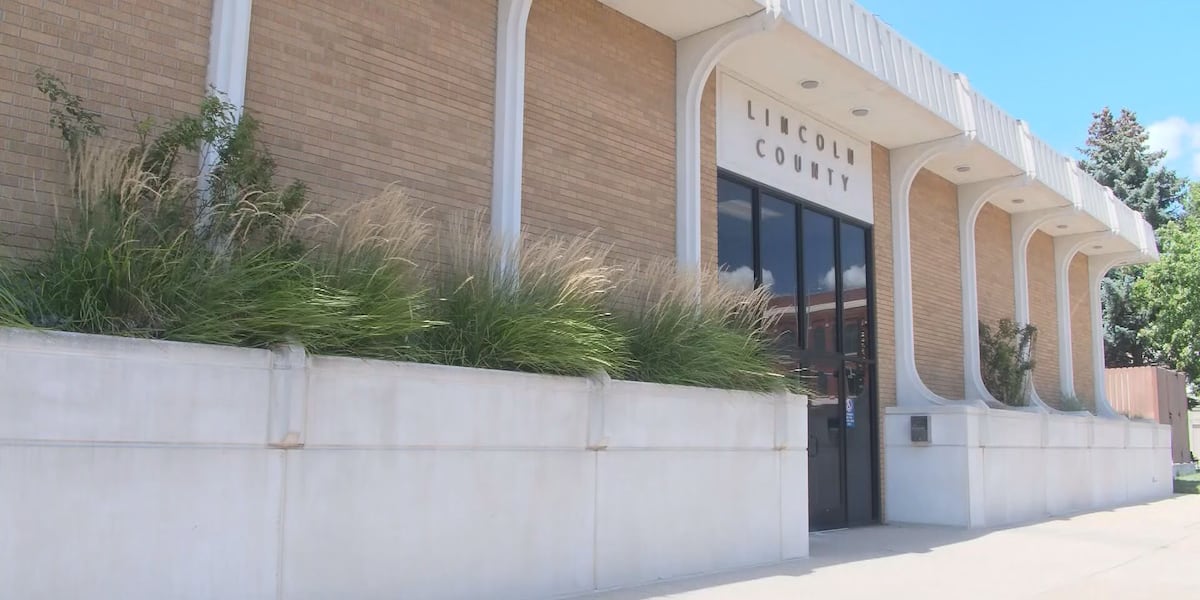
Planning and zoning administrator Judy Clark laid out the schedule, saying the hearing will cover the core regulatory framework the county plans to adopt. County commissioners are targeting Monday, Aug. 31, for their final public hearing on the data center zoning ordinance.
Separately, commissioners discussed a request from neighboring Keith County to collaborate on a pest control program modeled after existing setups in Lincoln and Sheridan counties, an effort Keith County pursued after pest issues surfaced on properties along the Lincoln County border. Chairman Kent Weems said Keith County had inquired about an interlocal agreement, though commissioners took no formal action Monday, and both county attorney offices are expected to work out lease terms, equipment fees and liability details in the coming weeks.

Smithville, Tennessee
The City of Smithville, Tennessee has enacted an 18-month moratorium on data centers and cryptocurrency mining operations, following the Board of Aldermen's final adoption of the ordinance Monday, despite no such projects currently being proposed within city limits.
Under the ordinance, the city will not accept, process or approve building permits, zoning certificates, site plans, variances or special exceptions related to high-density computing, data centers or crypto mining for 18 months or until permanent zoning rules are in place, whichever happens first. The moratorium can be extended by the aldermen if the legislative process needs more time. City officials pointed to concerns about constant high-frequency cooling noise, strain on the electrical grid, heavy water consumption and electronic waste as reasons for the pause.
Yakima County, Washington
Yakima County, Washington commissioners unanimously directed staff to draft a six-month moratorium on data centers, even though no data center applications or early assistance meetings currently exist in the county.
 Government Websites by CivicPlus®
The move followed a work session where dozens of residents, in person and online, raised concerns about data centers' potential effects on water availability, agriculture, energy consumption, public health and the environment. Resident Jeanette pointed to the region's existing water scarcity, questioning why the county would consider facilities that require heavy water use when local supplies haven't been replenished. County planning officials confirmed Yakima currently has no specific code addressing data centers, which is what prompted residents to push for a moratorium in the first place.
The proposed six-month pause would give the county time to study economic, health, agricultural and water impacts before deciding whether to regulate, permit or prohibit data centers outright. Staff will now prepare a formal resolution for commissioners to consider before the moratorium can officially take effect.
Loudon County, Virginia
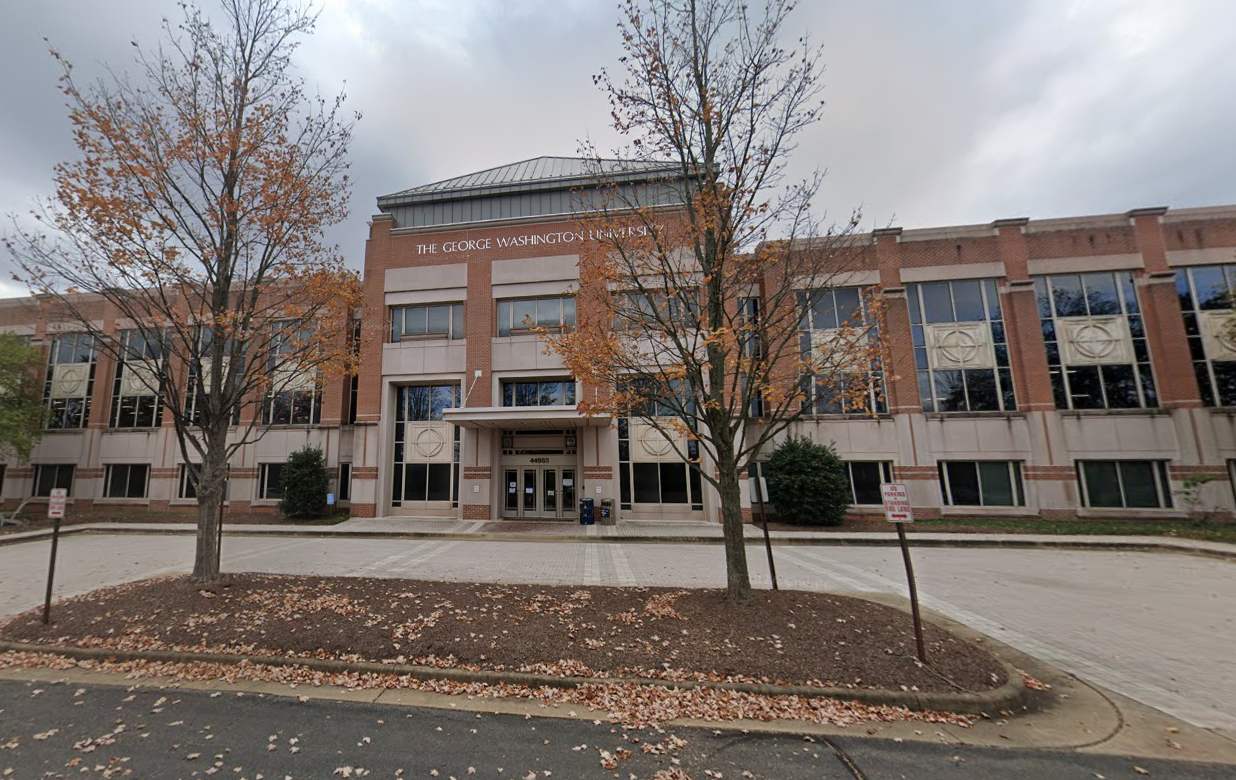
Amazon has filed a site plan to build four data center buildings on George Washington University's former Ashburn, Virginia campus, drawing immediate opposition from a Loudoun County supervisor and the county's own economic development director.
 Scott Gelman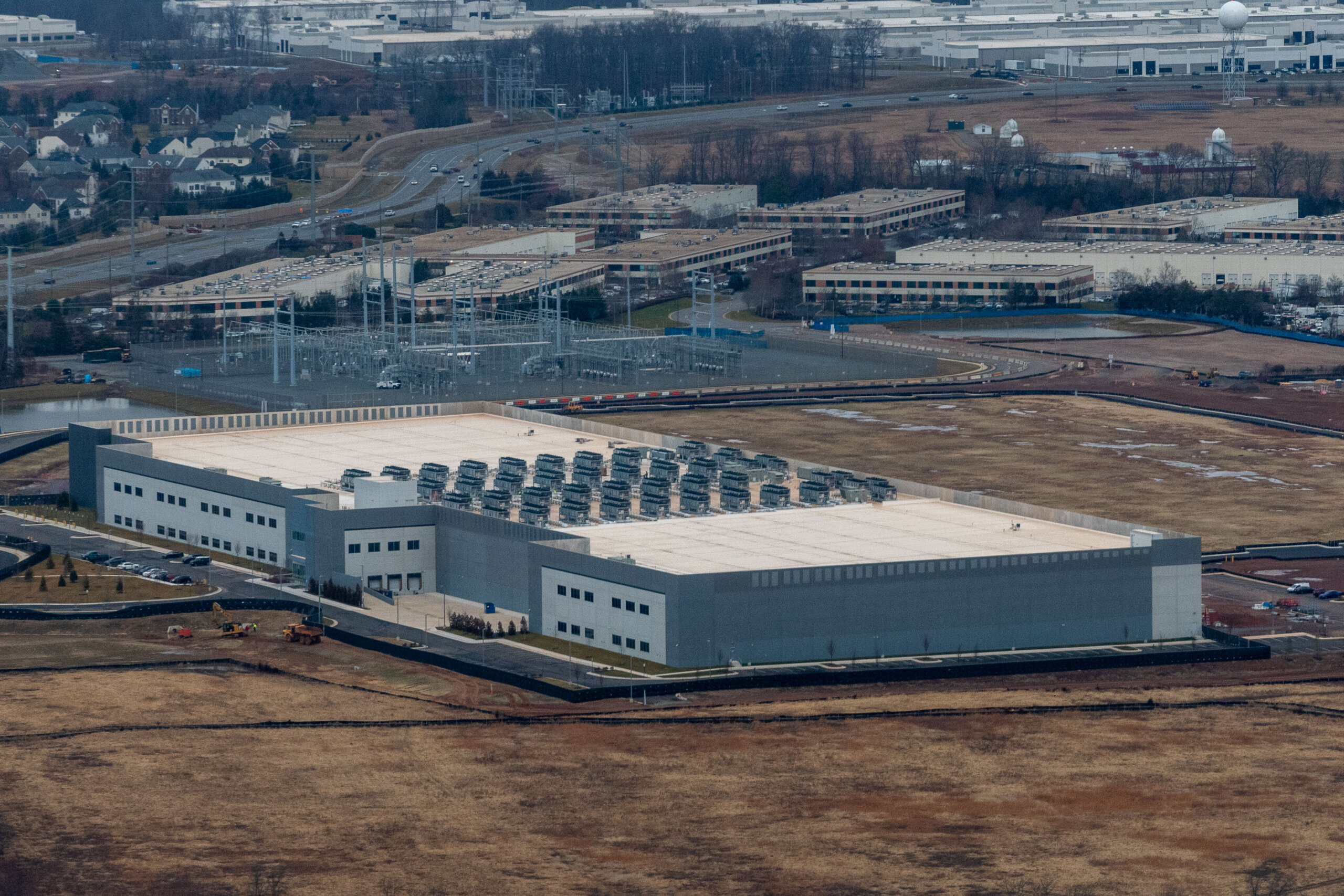
Amazon Data Services bought the 111-acre property from GW for about $427.3 million in March and submitted its concept site plan July 28, proposing over 800,000 square feet of data center space it's calling Bridgefield Tech Center, seeking by-right approval that would bypass planning commission review and public hearings. Supervisor Juli Briskman called the plan a profound loss for the community, said neither Amazon nor GW consulted her before the sale, and criticized the company for using what she called outdated zoning policy to avoid legislative review. GW President Ellen Granberg said the sale lets the university keep its Ashburn programs running for up to five years while it focuses resources on its main D.C. campus amid declining enrollment and rising costs.
The dispute unfolds as Loudoun supervisors, in the world's largest data center cluster, voted 6-1 in July to draft a temporary moratorium on new data center applications while the county revises its standards, with a vote expected Sept. 15. Zoning Administrator Teresa Miller has separately opined that a 2000 policy treating data centers as office use, which could allow by-right approval, is now obsolete.
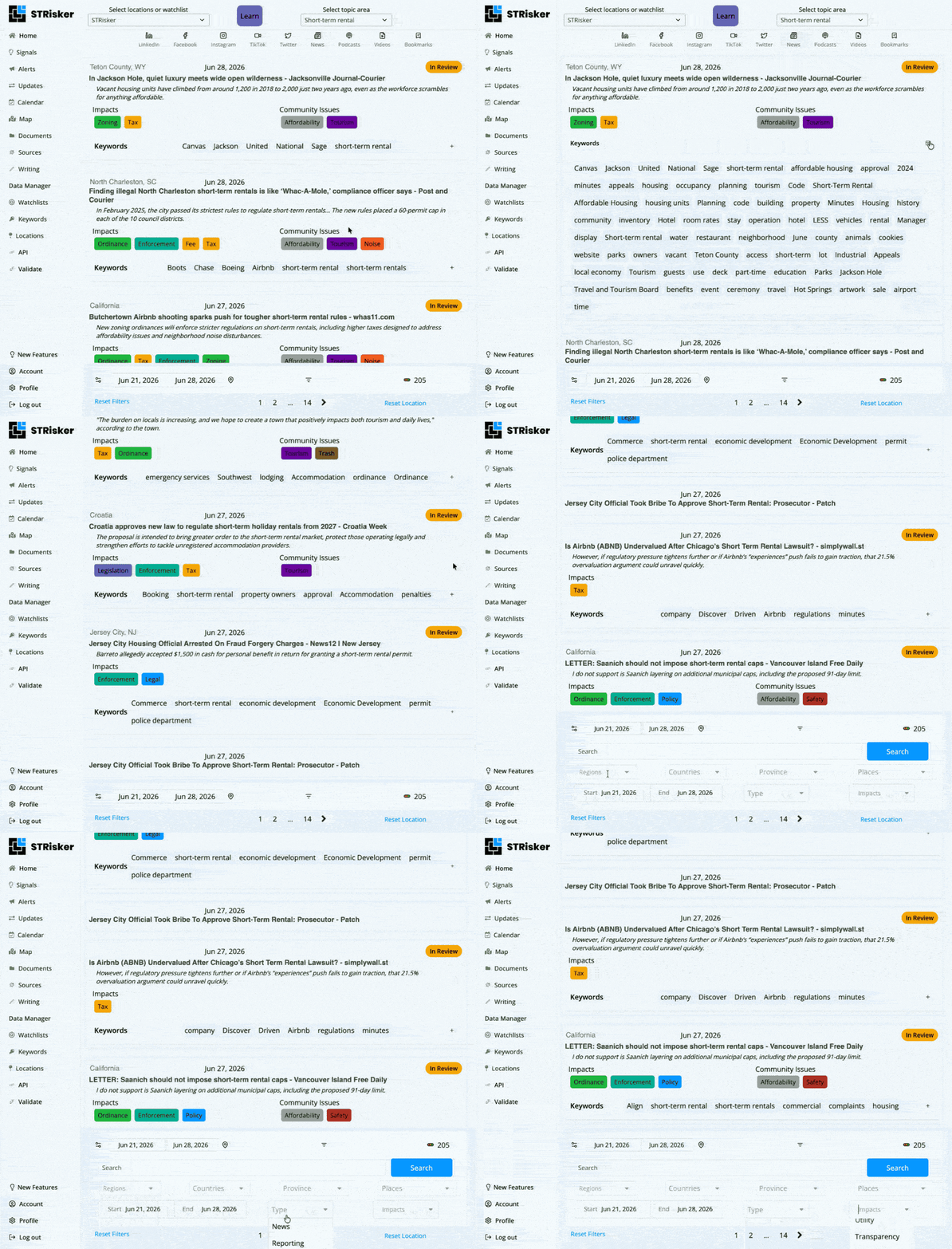
Strisker News Tracker
Trying to keep up with STR and data center regulations across multiple cities and states? Our News Tracker makes it easier than ever. Filter by location, search a comprehensive database, and sort by impact level—this tool helps you focus on what matters most.
Maysville, Georgia
A Maysville, Georgia City Council meeting Monday was cut short after an update on the Northern Data/Rumble data center project sparked shouting from the audience, forcing officials to adjourn just 14 minutes in with most of the agenda unaddressed.
The disruption followed a report from Hal Chitwood, operations manager for city inspection contractor Bureau Veritas, that the state and the Georgia Soil and Water Conservation Commission had approved the project's land disturbance plan, clearing the way for clearing and grading the site ahead of a pre-construction meeting the next morning. Chitwood said the approval covers only clearing and grading, not infrastructure or road work. Police Chief Doug Anderson repeatedly asked audience members to stop yelling and threatened to arrest one man who refused to sit down, but the disruption continued until Mayor Richard Presley adjourned the meeting.
The same roughly 15 to 20 residents have voiced opposition to the project at four meetings over the past week, citing concerns over water, noise, electricity and property values. Before the meeting ended, council did approve a connection fee ordinance 3-1, with Richard Parr opposed and Brodriche Jackson, Steve Boswell and Amanda Farley in favor, along with a measure allowing EMI to seek bids for a North Main Street water line replacement.
La Crosse, Wisconsin
La Crosse Plan Commission advances proposed data center moratorium
La Crosse, Wisconsin took its first formal step toward pausing data center construction, with the City Plan Commission advancing an 18-month moratorium August 3 to give the city time to study the industry's environmental, economic and health effects.
The city's move mirrors La Crosse County's June decision to adopt its own 18-month moratorium in unincorporated areas, which created an ad hoc committee to research data centers and issue recommendations; the city will participate in that committee while crafting its own regulations. Mayor Shaundel Washington-Spivey said the pause is about collecting the data needed to make an informed decision on whether to allow data centers in the city. The moratorium, as written, would cover facilities that can handle more than 1 petabyte of data or use more than 2 megawatts of power, addressing worries over noise, water use, electromagnetic fields, air quality and fire hazards.
A public hearing is scheduled before the Judiciary & Administration Committee on Wednesday, Aug. 5, with the Common Council set to vote on final approval Thursday, Aug. 13. If passed, the moratorium would run for 18 months or until the city adopts new zoning standards or ends it early.
Colorado Springs, Colorado
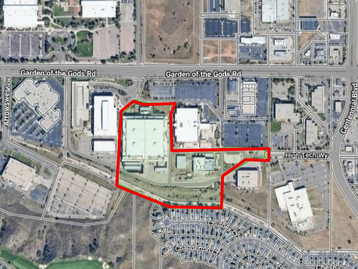
Colorado Springs' City Council will now decide the fate of the proposed Project Taurus data center, after at least one successful appeal challenged the Planning Commission's July 23 vote to reject five prior appeals and clear the project to move forward.


Raeden, a California-based computer company, wants to convert a former chip manufacturing plant off Garden of the Gods Road into the data center. The commission approved the project 6-2 with added restrictions, limiting power use to 50 megawatts, requiring Raeden to publish its utility usage data for its first 10 years of operation, and expanding required noise monitoring. City spokesperson Max D'Onofrio said one appeal was filed Monday afternoon, later indicating there may be two, with the city planning to release details as early as Tuesday.
The commission's marathon hearing lasted more than 14 hours and drew hundreds of attendees, about 80% of whom spoke against the project, citing everything from environmental concerns to broader objections to AI. City Council now has 30 to 60 days to act on the appeal, putting a likely vote in September, with the power to stop the project, approve it as is, or attach new conditions.
Tonawanda, New York
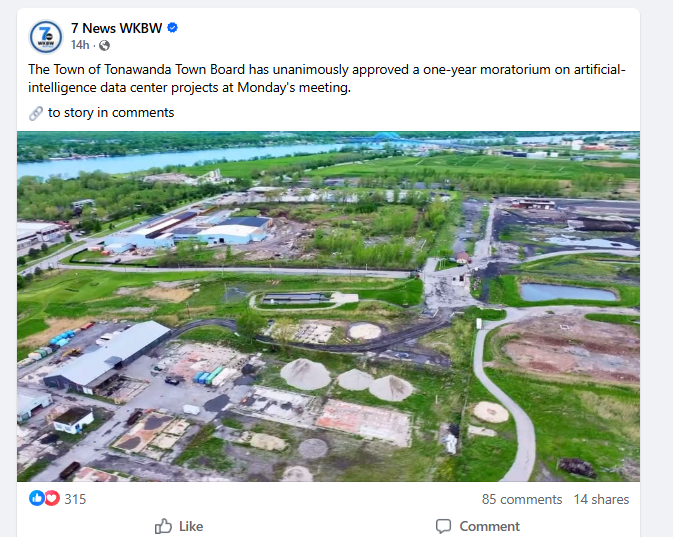
The Town of Tonawanda, New York approved a one-year moratorium on data centers, mirroring Gov. Kathy Hochul's statewide moratorium, and blocking new building permits or site plans for any data center with peak demand of 20 megawatts or more.
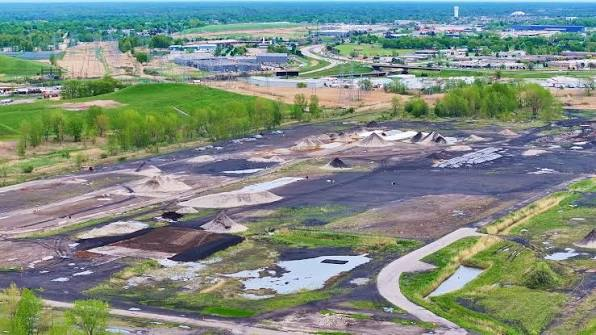
The move follows sustained resident opposition to a proposed data center on the former Tonawanda Coke site, a project Town Supervisor John Flynn said was already on hold as of June, in part due to delays in a New York Independent System Operator review of its potential impact on the local power grid. Flynn said the Tonawanda Coke proposal is the only data center application the town has received, and that the new moratorium will prevent any new applications from being accepted for a year. He said there is no way for a developer to work around the pause, addressing resident concerns about a possible loophole in either the town or state moratorium.
The town's moratorium applies within Tonawanda but does not extend to the neighboring Village of Kenmore.
Palm Beach County, Florida
Palm Beach County commissioners voted 5-1 in July to reject Project Tango, a proposed $2 billion AI data center near Loxahatchee, Florida, after months of community opposition centered on the project's unclear water demands.

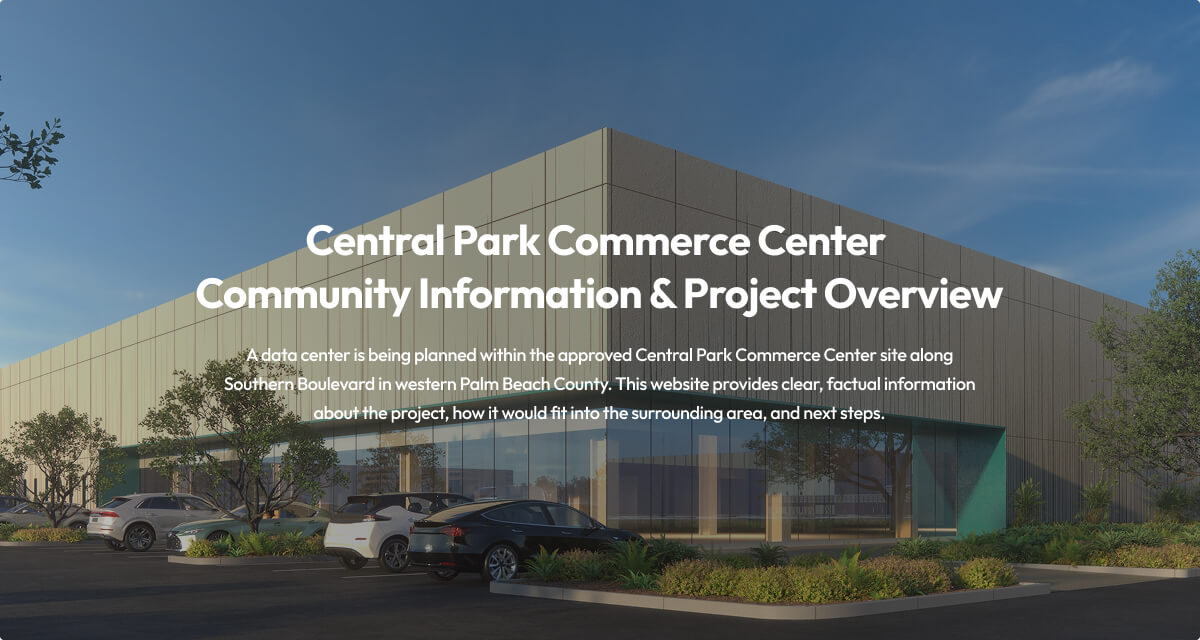
The proposal called for roughly 4 million square feet of development on 200 acres near the Arden neighborhood and Saddle View Elementary School, drawing up to 600 megawatts of power. Estimates of daily water use varied widely: project manager Ernie Cox put it at 5,000 gallons, county staff projected 100,000 gallons, and the closed-loop cooling system alone would require an initial fill of more than 600,000 gallons. Commissioner Maria Sachs said developers "didn't know" the actual figures and hadn't provided enough accountability. Florida Atlantic University engineering professor Frederick Bloetscher said the commonly cited 100,000-gallon estimate likely understated real demand, putting typical hyperscale water use closer to 1 million to 5 million gallons daily.
 0
0
The county denied the application without prejudice, leaving developers free to revise and resubmit. A week before the vote, commissioners had separately approved a temporary halt on new large-scale data center applications, which heads to a public hearing and first vote Aug. 27. Sachs suggested future hyperscale projects might be better sited near military bases with existing power access and greater distance from homes.
📱 Social Buzz
Episode Title: Even the Government Gets Robbed: Why the US Needs Bitcoin Custody Standards | BPH Ep 44
Episode: Bitcoin Magazine Podcast
Listen:https://podcasters.spotify.com/pod/show/bitcoin-magazine-po/episodes/Even-the-Government-Gets-Robbed-Why-the-US-Needs-Bitcoin-Custody-Standards--BPH-Ep-44-e3mu9tv
Should Alabama pause data center development? Here’s what you said https://t.co/mtz02JNbmU
— AL.com (@aldotcom) August 4, 2026
In data center moratorium land, today, Texas governor issuing a state-wide moratorium. This is a BFD (https://t.co/qsYkLpg6Zb)
— Kevin S. Xu (@kevinsxu) August 4, 2026
Texas is ground zero for AI data centers, poised to overtake Virginia as the #1 data center state, so any disruption there is important. I flagged this… https://t.co/kJp4AQl6nz pic.twitter.com/HeC0d1jKQh
Developers have proposed a $1 billion data center campus for Beloit and Turtle. As the project review process begins, ongoing discussions between the developer and local stakeholders aim to evaluate the proposal’s impact on the area: https://t.co/NW7Sxj2Man pic.twitter.com/uvFSEj3J9H
— Emporia RDA (@EmporiaRDA) August 4, 2026
Google, the search and artificial intelligence giant, is "a prospective customer interested in exploring a future data center development" in Salix, Iowa, MidAmerican Energy said Monday. https://t.co/z3AGkU5sf0
— Sioux City Journal (@scj) August 4, 2026
Bell County passed a data center moratorium. Residents worry that work continues. https://t.co/7dpPJ84fhS
— Lexington Herald-Leader (@heraldleader) August 4, 2026
Stay Updated with STRisker!
STRisker offers tools and features to keep you updated with the Short Term Rental and Data Centers movement across the world.
👍 We’d love your feedback.
Which stories hit? Which ones missed?
We're exploring a new branch of topics centered around Data Centers and want to make it even more useful for you.
✉️ Just reply directly to this email. We read and respond to every message!
-Will McClure
🙋 P.S.
Know someone else who should be reading Daily Notes? Feel free to forward this along. We’re opening a few more spots.