
Data Centers: Daily Notes | February 10, 2026
States escalate oversight of data centers: New York proposes a three-year permit moratorium; Ohio Democrats introduce bills tightening local control and rolling back tax breaks; Michigan cities consider pauses; Janesville sends a major project to voters.


Key Takeaways (At a Glance) 🔽
- Regulatory pauses are spreading fast. States and cities across the U.S. are introducing moratoriums or bans to reassess data center impacts on power, water, and communities.
- New York raises the bar. Proposed legislation would halt new data center permits for three years while requiring a comprehensive environmental and community impact study.
- Local control is a growing theme. Ohio, Wisconsin, and Michigan proposals emphasize stronger local authority, voter approval, and expanded public review.
- Incentives are under scrutiny. Ohio lawmakers are targeting tax exemptions and shifting infrastructure costs directly to developers.
- Project scale matters more than ever. Large or expanding campuses (e.g., Bessemer, AL) are triggering new zoning reviews, rezoning requirements, and transparency demands.
- Some markets remain open. Lewisville, TX approved an amended agreement adding $100M in investment, showing that well-aligned projects can still move forward.
New York
Democratic State Sen. Liz Krueger and Assemblymember Anna Kelles introduced a bill that would halt permits for new data center construction and operation for at least three years.
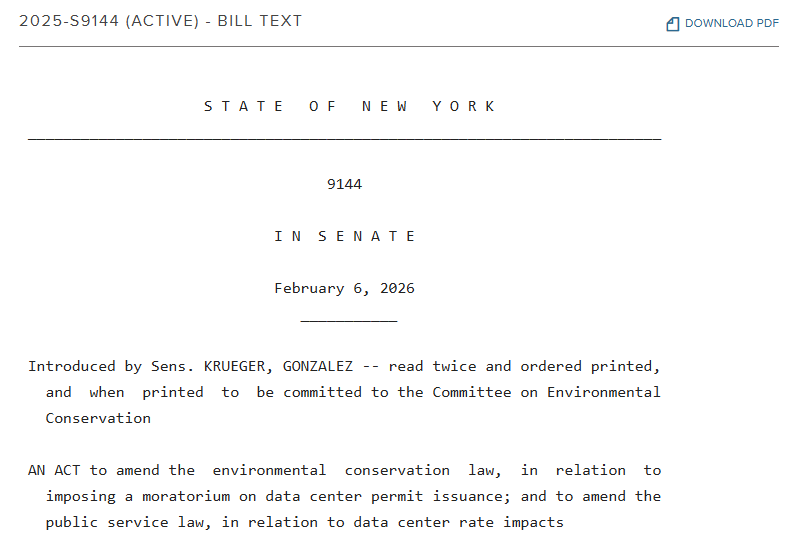
The bill, S9144, was announced during an online press conference. While the pause is in effect, state environmental officials would be required to conduct a comprehensive analysis of how data centers impact water resources, contribute to greenhouse gas emissions, and affect surrounding communities through noise.
New York joins five other states (Maryland, Georgia, Oklahoma, Virginia, and Vermont) in proposing restrictions on data center development in recent weeks. Environmental advocacy group Food & Water Watch described the New York proposal as "the most robust data center moratorium bill introduced nationwide".
Ohio
Ohio Senate Democrats introduced a package of bills aimed at increasing oversight of data center development and rolling back tax incentives for the industry. The proposals would strengthen local governments’ authority to approve or reject projects, eliminate Ohio’s sales tax exemption for data centers, and require developers to pay for the power and water infrastructure needed to support their facilities.
This driving force? Lawmakers want to ensure no Ohio locality feels pressured to accept a project that could raise utility costs or strain local resources against residents’ wishes.
Other measures would subject data centers to additional review by state utility regulators to ensure their energy use does not affect reliability or affordability, and would require regular reporting and limits on water usage, along with investments in local water infrastructure.
Janesville, Wisconsin
The Janesville City Council voted unanimously Monday night to place a proposed ordinance governing large development projects on the former GM/JATCO site on the November ballot. The decision followed nearly three hours of public comment from Janesville and greater Rock County residents.
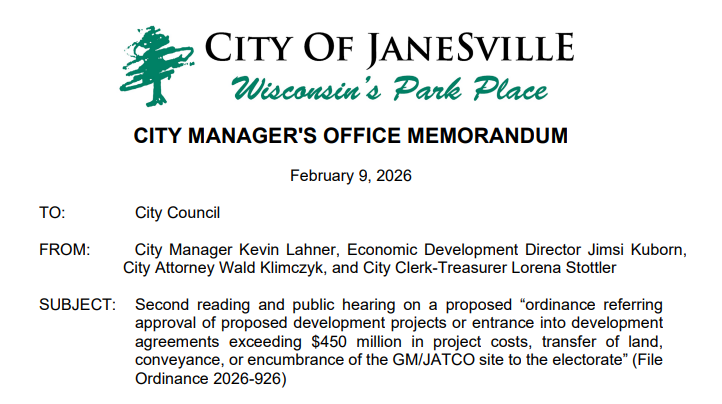
If approved by voters, the ordinance would establish a two-step process requiring a referendum for any future project on the city-owned site costing $450 million or more. Under that process, approval of the ordinance would be followed by a separate referendum on whether to proceed with a specific qualifying project, which could occur as late as April 2027 if placed on a general election ballot.

Bessemer, Alabama
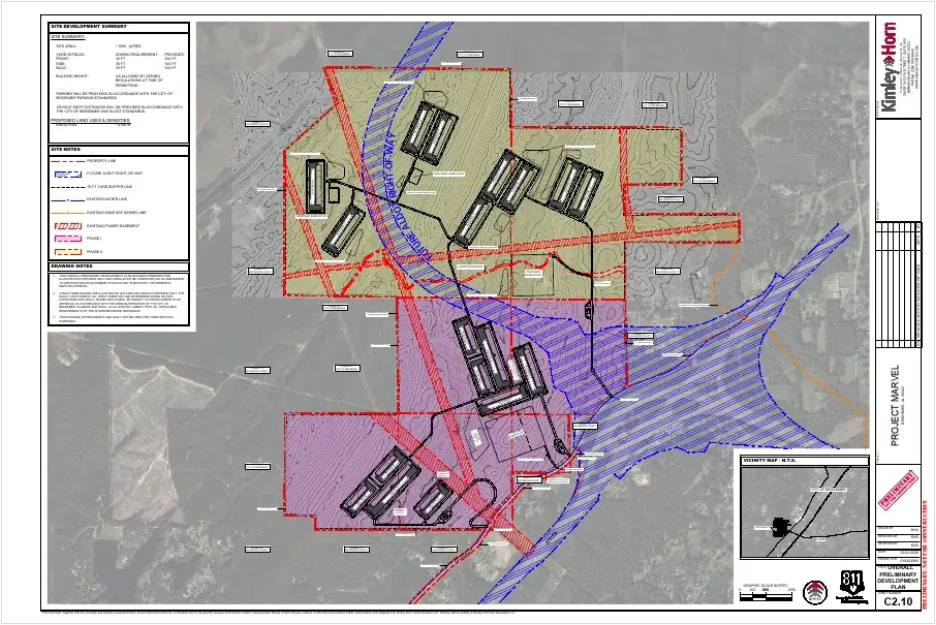
Bessemer city officials released updated plans for the proposed Project Marvel data center campus, expanding the site to 1,600 acres (more than double the size of the previously approved footprint). The expansion follows public feedback and will require additional rezoning and approvals.
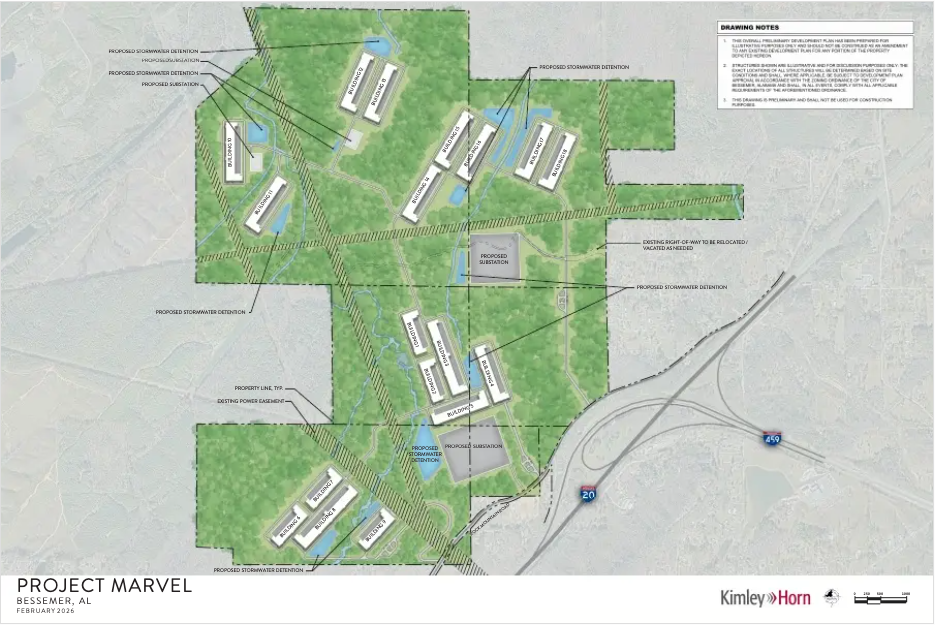
Last November, the city council rezoned nearly 700 acres near Rock Mountain Lake Road from agricultural to light industrial use. Officials say the revised plan improves land-use compatibility with surrounding neighborhoods and better aligns the campus with the planned Northern Beltline connection to I-459.
Updated renderings show revised building placement around the Beltline, expanded setbacks well beyond zoning requirements, stormwater detention areas, and space for substations. City leaders have pledged greater transparency but have not yet disclosed the data center operator.
Sterling Heights, Michigan
The Sterling Heights City Council unanimously approved a one-year moratorium on new data center proposals on Feb. 3 to give city officials time to study the potential impacts of such facilities and develop appropriate regulations. City officials assure that the pause is a temporary and a proactive step, not a ban.
City Planner Jake Parcell noted that while the city lacks space for large hyperscale data centers, smaller facilities could be proposed in existing industrial areas. Council members emphasized the need for thoughtful planning to balance potential economic benefits with community considerations if proposals arise in the future.
Community concerns about potential data center impacts include power consumption and water use.
Portage, Michigan
Portage city officials are considering a proposed one-year moratorium on new data center and battery energy storage system developments as the city evaluates potential impacts and reviews whether current zoning ordinances adequately address these facility types.
City leaders describe the move as proactive, prompted by similar projects proposed in surrounding communities across the Kalamazoo area and Michigan. Officials have emphasized that no applications for data centers or battery storage facilities have been submitted in Portage to date.
If approved, the measure would temporarily prohibit applications for up to 12 months while zoning protections are reviewed.
Lansing, Michigan
Deep Green, a European company, presented its proposed $120 million data center in downtown Lansing during a Monday roundtable with community and city leaders. The project would redevelop vacant parcels and capture waste heat from the facility to feed back into Lansing’s energy system.
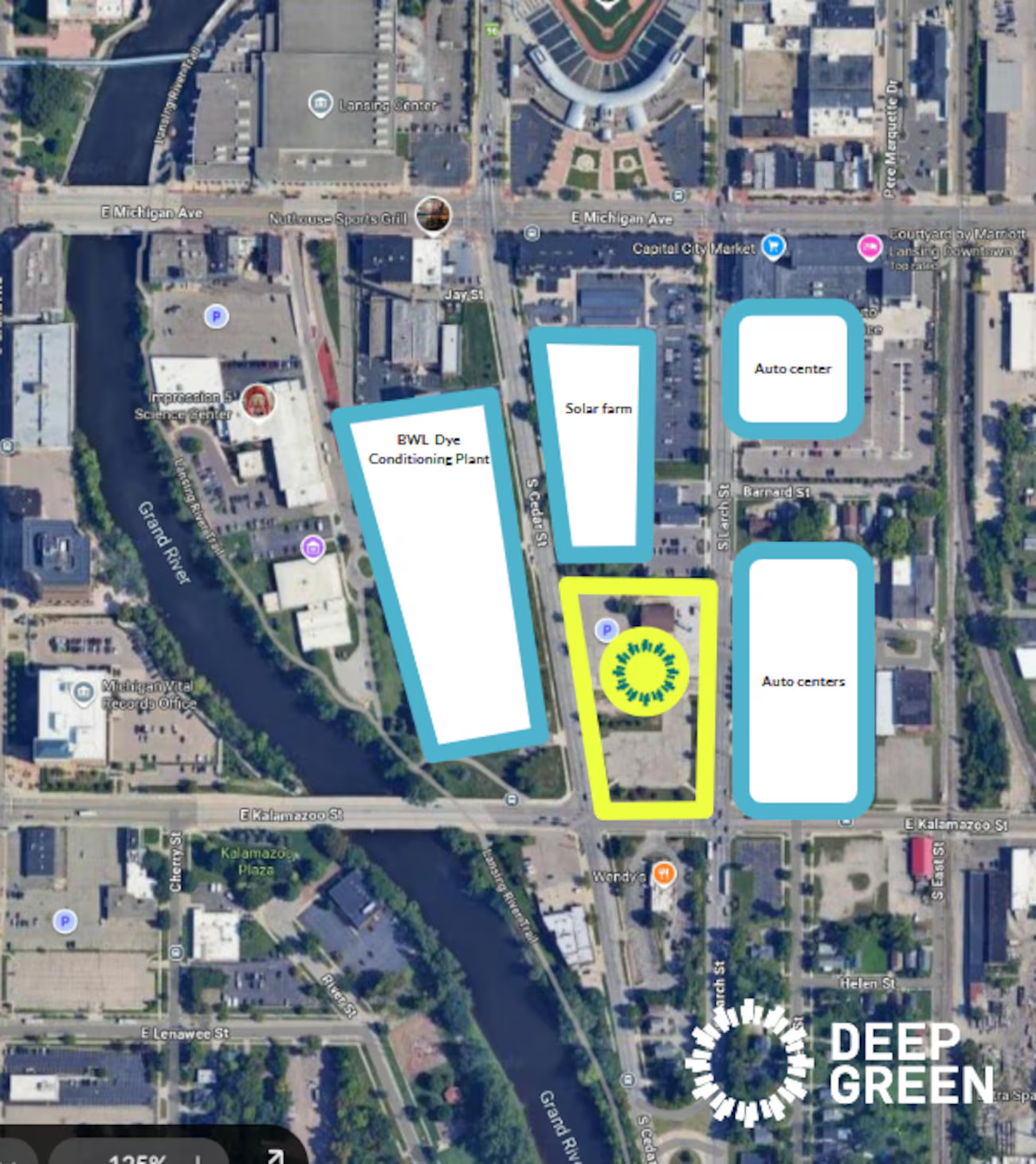
Supporters say the development could modernize infrastructure and reduce long-term energy costs, but residents and city council members raised concerns during a public hearing about transparency, data gaps, and how much say the community would have as the project moves forward. Council members said more information is needed before any decisions are made.
St. Charles, Missouri
St. Charles city officials are considering a permanent ban on data centers following a yearlong moratorium that went into effect in August 2025. The moratorium, the first of its kind in the U.S., was adopted while city staff reviewed the impacts of data center development.
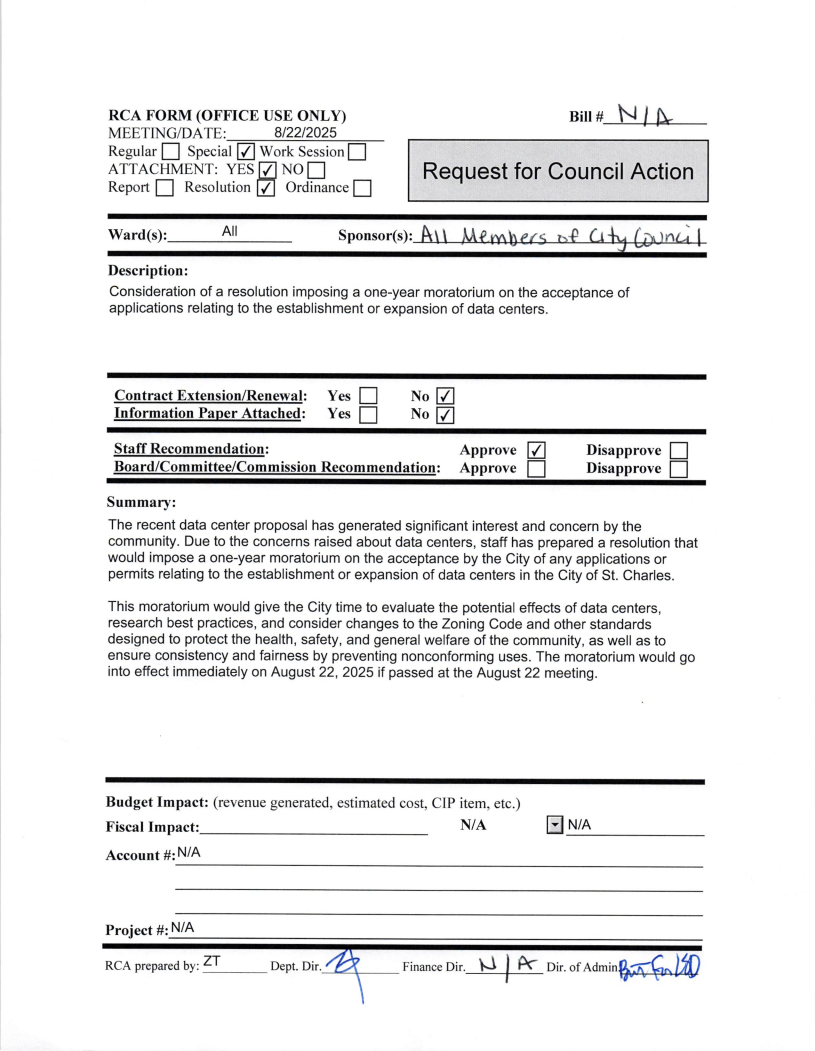
City staff have completed that review and drafted a resolution that, if approved, would effectively prohibit data centers by defining them separately in city code and excluding them from permitted or conditional land uses. The proposal follows last summer’s debate over a multibillion-dollar, unnamed data center project known as “Project Cumulus" (which failed). Currently, data centers are not explicitly defined in city code and are treated as warehouses.
Lewisville, Texas
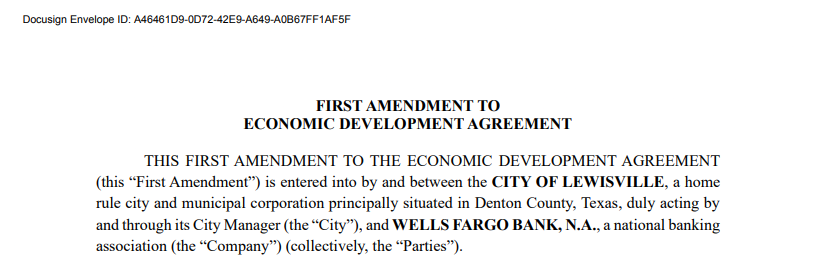
The Lewisville City Council unanimously approved a revised economic development agreement with Wells Fargo that commits an additional $100 million to a data center project at 2501 Edmonds Lane.
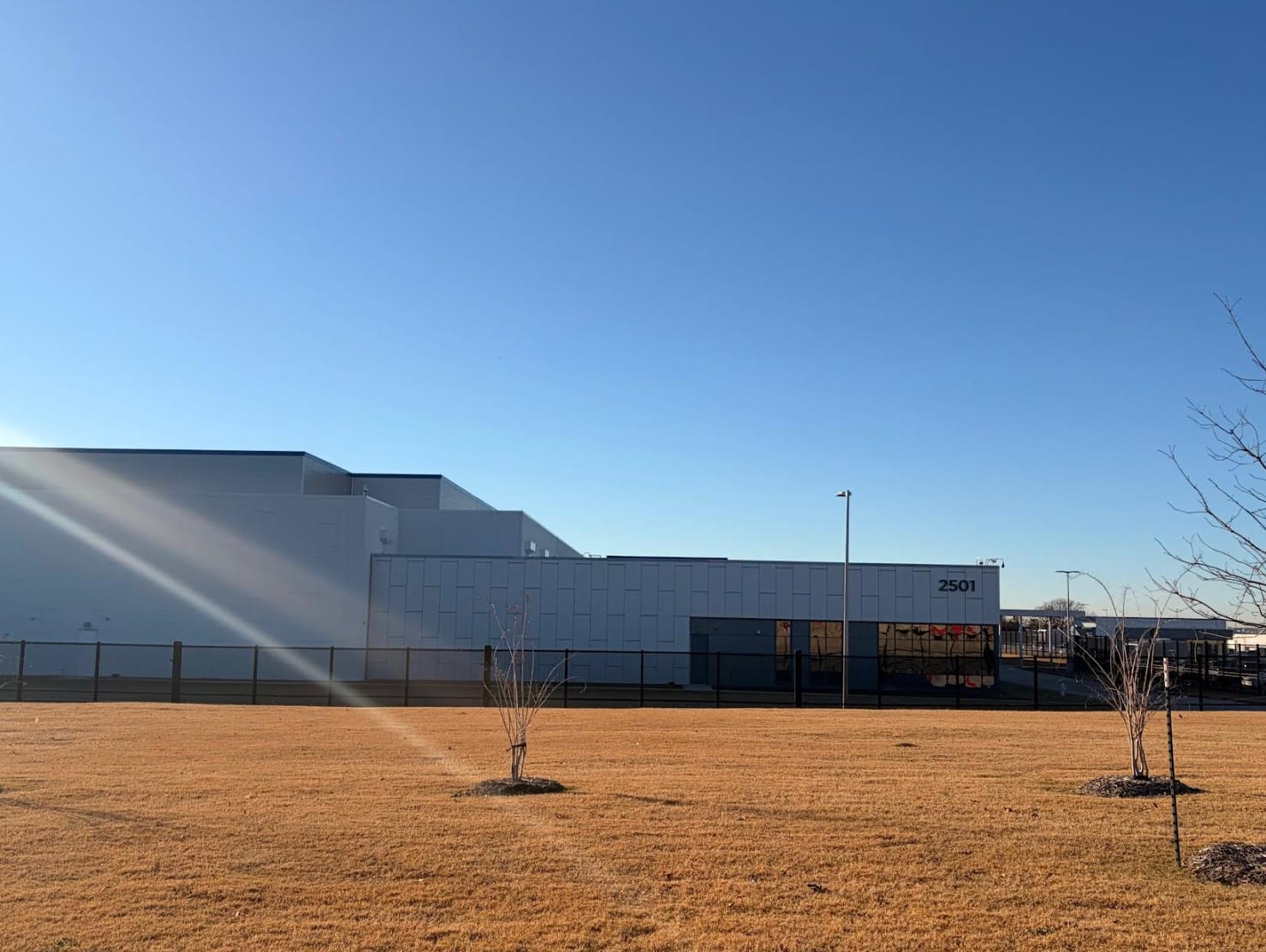
The council voted Feb. 2 to amend the original December 2022 agreement. The updated terms extend key project deadlines while securing the additional capital investment from Wells Fargo, which is developing the facility through its DDI Lewisville LLC subsidiary.
Stay Updated with STRisker!
STRisker offers tools and features to keep you updated with the Short Term Rental movement (and now Data Centers!) movement across the world.
👍 We’d love your feedback.
Which stories hit? Which ones missed?
We're exploring a new branch of topics centered around Data Centers and want to make it even more useful for you.
✉️ Just reply directly to this email. We read and respond to every message!
-Will McClure
🙋 P.S.
Know someone else who should be reading Daily Notes? Feel free to forward this along. We’re opening a few more spots.