
Data Centers // February 18, 2026
San Marcos rejects data center rezoning in a 2 a.m. vote, Eagan passes Minnesota's first large-DC moratorium, Florida advances two bills to the Senate floor, and 300 people oppose xAI turbines in Southaven. READ MORE.


At A Glance 🔽
- San Marcos, Texas rejects data center rezoning after a packed meeting runs until 2 a.m.
- Florida and Wisconsin both advance competing data center bills targeting utility costs, water use, and NDA transparency.
- Eagan, Minnesota unanimously passes a one-year moratorium on large data centers.
- 300 people turn out against xAI's 41-turbine permit in Southaven, Mississippi.
- Bessemer, Alabama's planning commission recommends rezoning 914 more acres for Project Marvel, pushing the campus to 1,600 acres.
- Two Georgia communities act: Bulloch County enacts a 90-day freeze while Athens-Clarke County moves to extend its moratorium.
🔖San Marcos, Texas
San Marcos City Council rejected rezoning for a nearly 200-acre data center after a meeting that ran until 2 a.m., with dozens of residents opposing the plan on Francis Harris Lane just southwest of downtown.
Water dominated the debate, with residents citing Stage 4 drought conditions and describing the region as being in water bankruptcy. The council originally considered postponing the vote to March 3 but ultimately rejected the plan outright.
Councilman Josh Paselk, who voted for the rezoning, lamented the missed opportunity: "We have this golden goose egg here that could have solved a lot of economic stuff."
The company cannot reapply for rezoning until August.
🔖Eagan, Minnesota
 Dane Artisola
Continues from...
Eagan city councilors unanimously passed a one-year moratorium on new, large data centers Tuesday. The pause targets facilities using more than 20 megawatts of electricity or located within 500 feet of homes, giving the city time to study long-term impacts on noise, energy, and water.
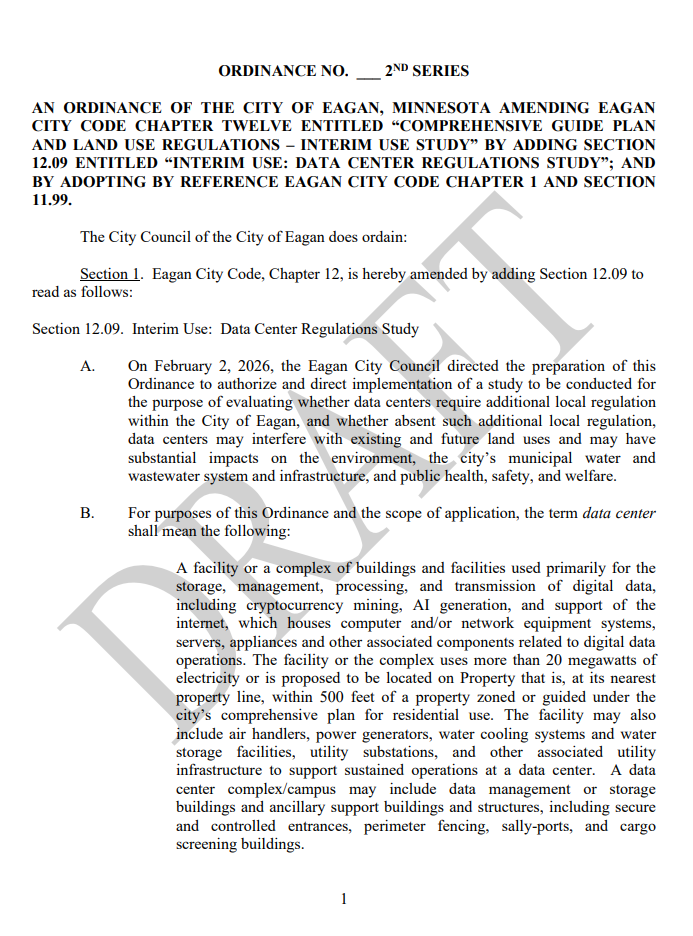
Eagan has two existing data centers and two more under construction, all using less than 20 megawatts. Developer Oppidan Connect said it expects to complete already-approved phases and welcomed further study. Mayor Mike Maguire said the goal is "to try separate out what the realities are of these data centers and all different sizes."
🔖Florida
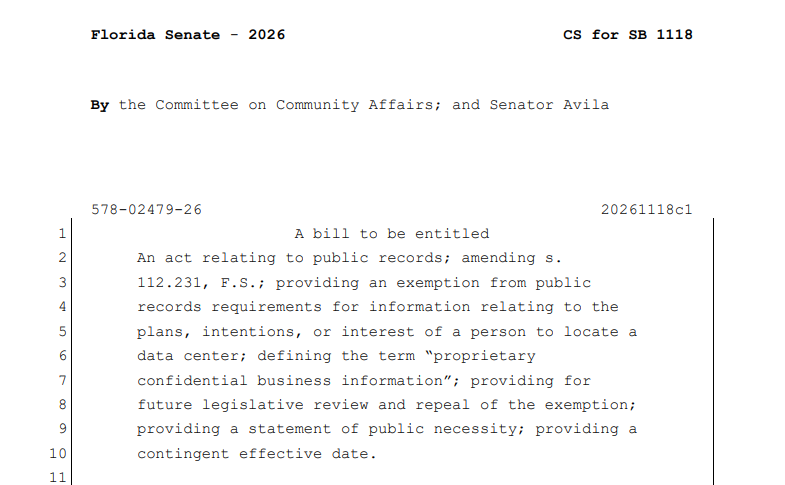
Two data center bills advanced out of the Senate Rules Committee and are headed to the Senate floor. SB 484, by Miami Springs Republican Sen. Bryan Ávila, passed unanimously. SB 1118 advanced 16-8.
SB 484 would require the Public Service Commission to create special electricity rate structures ensuring data centers pay the full cost of infrastructure, preventing cost-shifting to regular customers. It also bans nondisclosure agreements that block public disclosure of data center development plans and affirms local governments' zoning authority.
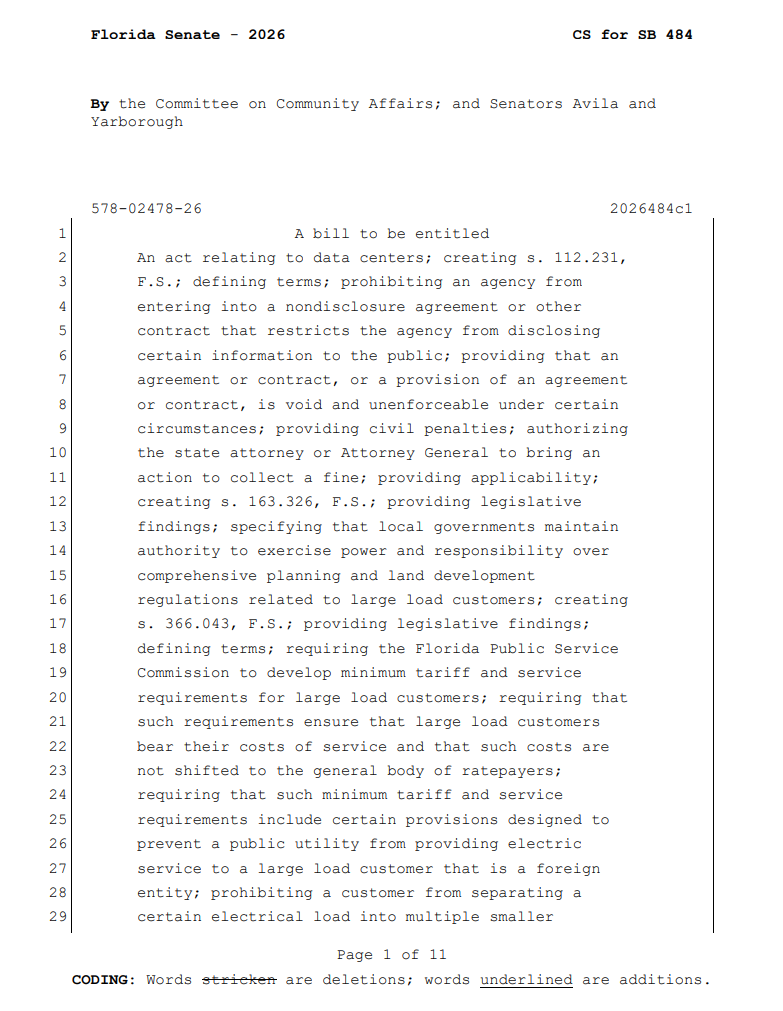
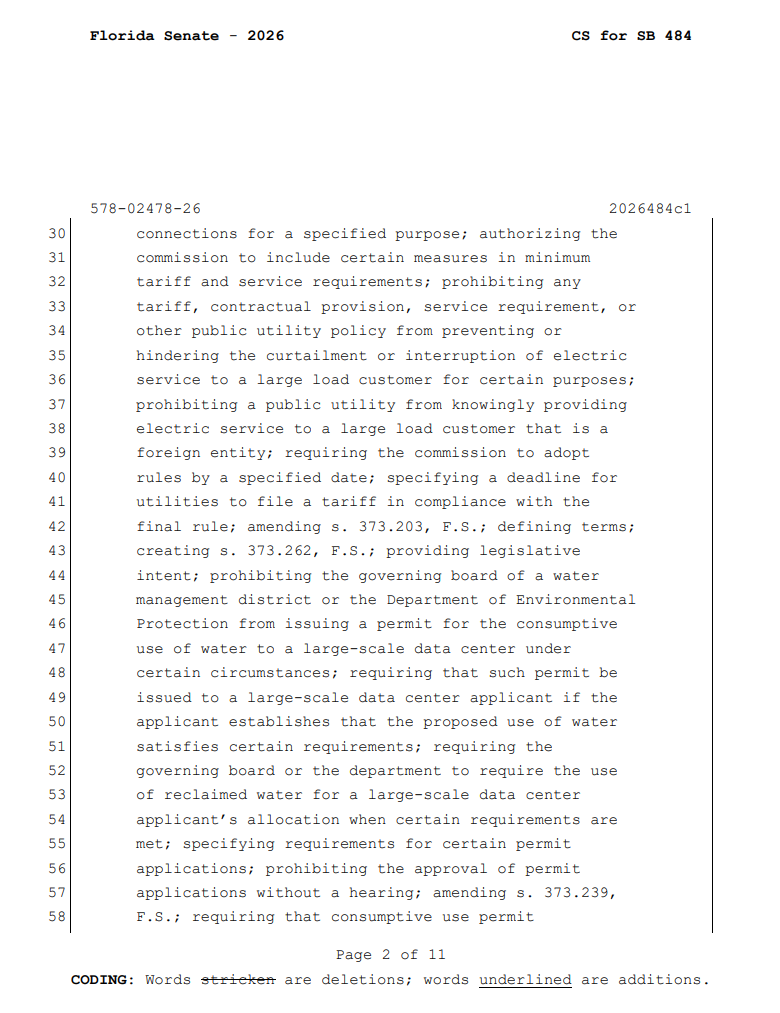
🔗SB 484 - Data Centers
SB 1118 would let local governments keep company location information confidential for up to 12 months. Sen. Jason Pizzo voted against it, calling the approach "socialism" for removing private investment risk through government action.
🔖Wisconsin
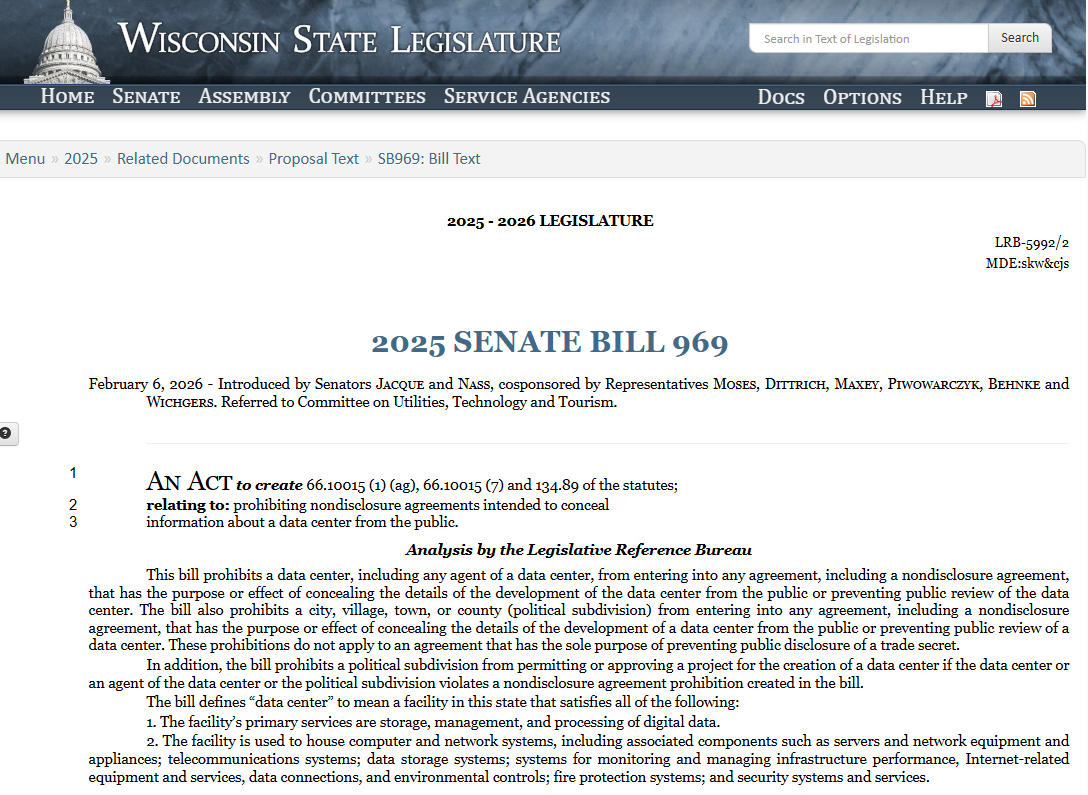
SB 969, would impose a blanket ban on NDAs between data center companies and municipalities.
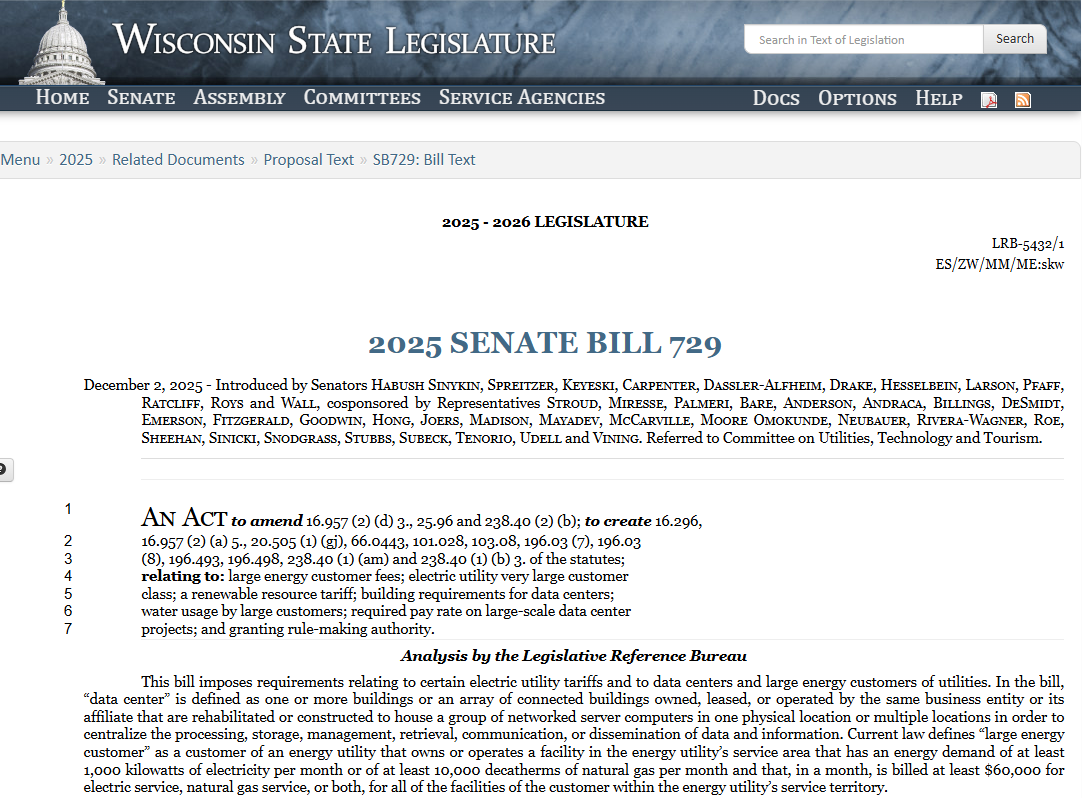
The secrecy surrounding Menomonie's $1.6 billion data center project prompted local opposition that led the city council to halt the developer's advance in January. A Democratic bill, SB 729, would classify data centers as "very large" electric power users and require utilities to file rate cases every two years.
Tom Content of the Citizens Utility Board noted Wisconsin holds the second-highest electricity rates in the Midwest. Sen. Jodi Habush Sinykin called for a special session, saying "people in Wisconsin do not want to wait another year or more to have regulation filling this vacuum."
🔖Bessemer, Alabama
Project Marvel took its next formal step Tuesday: Bessemer's Planning and Zoning Commission voted to recommend rezoning an additional 914 acres from agricultural to light industrial use, following the expanded campus plan we covered on Feb. 10. The revised layout spreads 18 data center buildings across roughly 1,600 acres with residential setbacks increasing to 250-300 feet and buildings positioned outside the Northern Beltline corridor route.
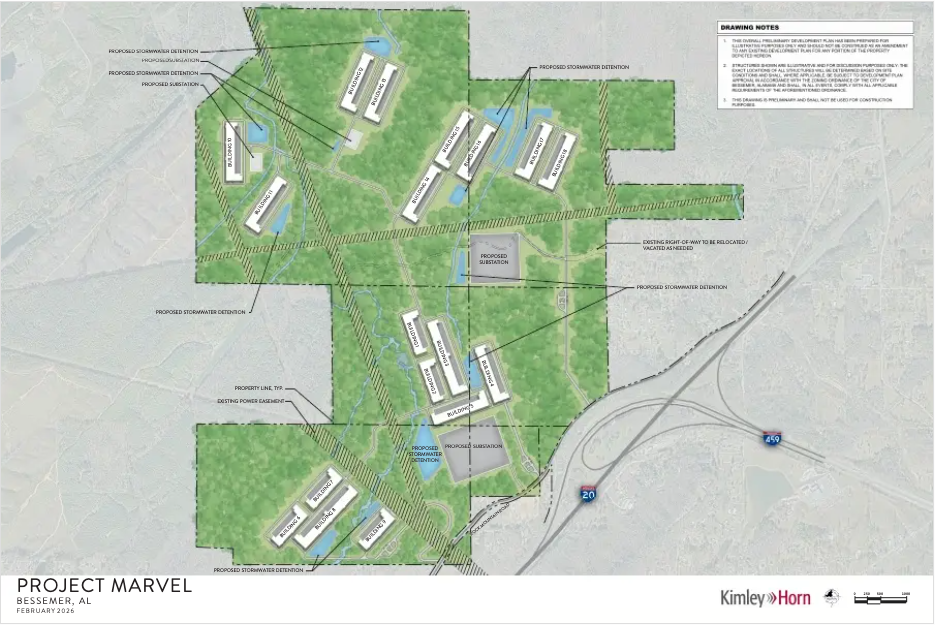
Residents remain frustrated. David Havron said questions from the original 700-acre plan still haven't been answered, and Mary Rosenboom added: "We can't even get answers about generator counts." The recommendation now heads to the Bessemer City Council for a final vote.
 Dane Artisola
In case you missed it...
🔖Joplin, Missouri
Joplin City Council voted to annex and rezone a site where developer Jimmer Pinjuv has expressed interest in constructing a data center, moving the meeting to Missouri Southern State University's Corley Auditorium to accommodate larger crowds.
Mayor Keenan Cortez clarified they were voting to annex and rezone a property, and not to bring a data center to Joplin. Public speakers raised concerns about utility bills, noise, and water use. The annexation stems from a 2009 agreement between Wildwood and the city to bring the land into city limits by 2029. The Joplin Sustainable Technology Alliance failed to gather enough petition signatures for a ballot measure but continues working on a 12-month moratorium petition.
🔖Southaven, Mississippi
Roughly 300 people turned out for a Mississippi Department of Environmental Quality hearing on an operations permit for 41 turbines at xAI's Stanton Road site and every single speaker opposed it.
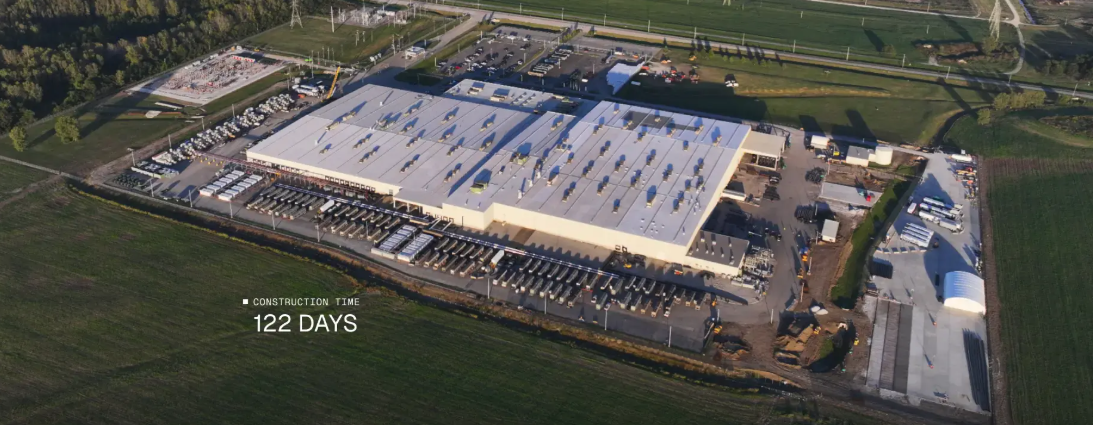
The turbines would power two nearby xAI data centers, Colossus 2 and Macrohardrr, generating 1.2 gigawatts of electricity while producing up to 21.54 tons of hazardous air pollutants annually and more than 6.4 million tons of greenhouse gases.
Resident Angie Davis described the sound near her daughter's Colonial Hills home as like a jet engine. On February 13, the NAACP filed a 60-day notice of intent to sue xAI for alleged Clean Air Act violations from unpermitted turbines. A Harvard-run EmPower Analytics study cited at the hearing estimated emissions would cost $588 million to $862 million in public-health costs over 30 years. No xAI representatives attended.
🔖Bulloch County, Georgia
Bulloch County commissioners unanimously enacted two separate 90-day moratoriums on data centers during a Tuesday meeting. One paused approval of Planned Unit Developments and all residential zonings, while the other barred any action on data centers. An agreement with Statesboro was also approved, greenlighting improvements to roads in the developing, high-traffic area.
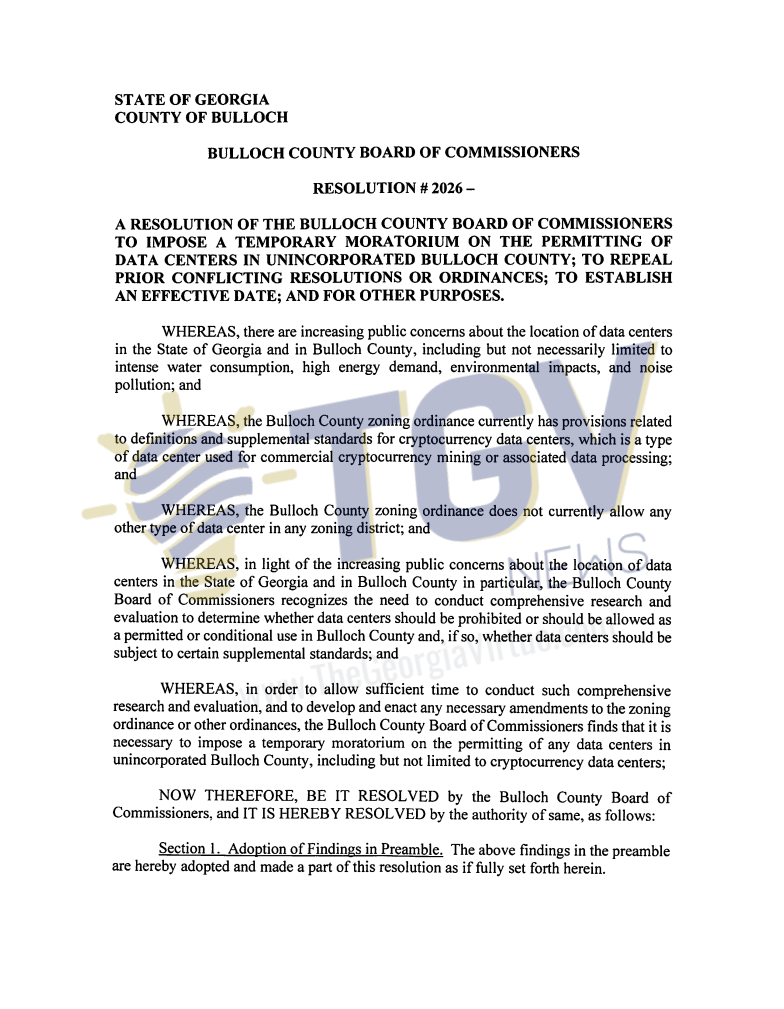
Both moratoriums expire in 90 days unless commissioners extend them after hearings scheduled for May 5. Georgia Power's area manager Mickey Daniell briefed commissioners on "large load" data center operations during the work session.
🔖Athens-Clarke County, Georgia
Athens-Clarke County commissioners discussed tabling zoning code changes for data centers at their Tuesday agenda-setting session, with several attendees pushing to extend the existing moratorium adopted in December 2025, which expires March 6.
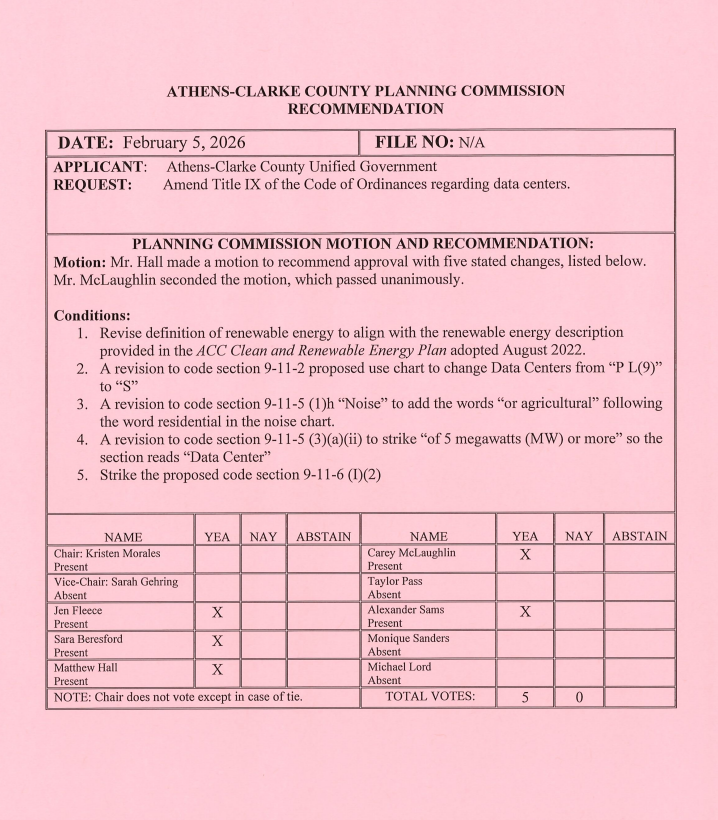
Proposed amendments would require all data centers to obtain special use permits, mandate closed-loop cooling systems, and establish noise barriers within 400 feet of property lines. A decision comes at the March 3 regular session.
🔖Columbiana, Alabama
Columbiana's city council voted unanimously to amend its zoning ordinance with new restrictions targeting future data centers. The Shelby County town of less than 5,000 residents established maximum building heights of 60 feet, landscape buffers, equipment screening within 300 feet of public roads or residences, and sound study requirements.
🔗 Details on Columbiana data center revealed, town hall set for Jan. 15
"Over the last six months, residents across Shelby County have expressed concerns over data centers..."
Mayor Lisa Davis said: "Any kind of data center that might be looking to come to Columbiana will have very strict guidelines."
The move comes as Canadian energy company DigiPower X Inc. pursues a $200 million data center investment in the city's industrial park, with 70 megawatts of power capability through Alabama Power. Residents have raised concerns over environmental impacts and a nondisclosure agreement signed by the former mayor and DigiPower's president.
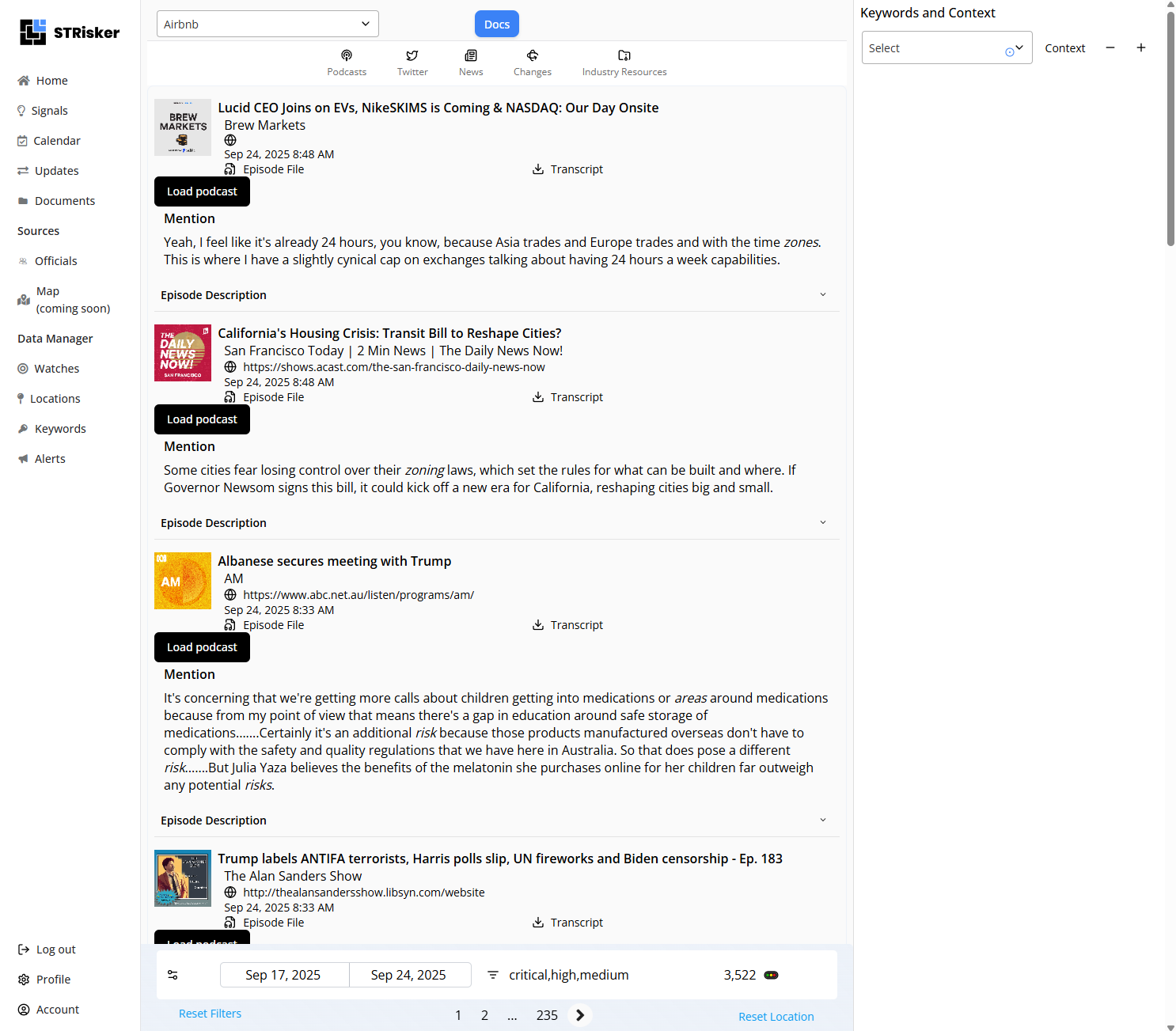
Social Listening 🎧: Podcast
Policy talk doesn’t just happen in the news cycle—it can also live in long-form audio. STRisker’s Podcast Signal turns hours of episodes into actionable insight, indexing transcripts so you can surface key mentions of STRs, ordinances, and local decision-makers in seconds.
Stay Updated with STRisker!
STRisker offers tools and features to keep you updated with the Short Term Rental movement (and now Data Centers!) movement across the world.
👍 We’d love your feedback.
Which stories hit? Which ones missed?
We're exploring a new branch of topics centered around Data Centers and want to make it even more useful for you.
✉️ Just reply directly to this email. We read and respond to every message!
-Will McClure
🙋 P.S.
Know someone else who should be reading Daily Notes? Feel free to forward this along. We’re opening a few more spots.