
Data Centers: Daily Notes | July 28, 2026
Louisiana officials have relied heavily on non-disclosure agreements; Akron unanimously approved a new review process requiring data center proposals; Hillsboro adopted a four-month moratorium on new data centers with just one day's notice. READ MORE.


At A Glance 🔽
- Louisiana officials have relied heavily on non-disclosure agreements, including one Gov. Landry personally signed with Meta, to shield data center project details from public view.
- Akron, Ohio unanimously approved a new review process requiring data center proposals to clear both the planning commission and a council vote, defining data centers in city code for the first time.
- Hillsboro, Oregon adopted a four-month moratorium on new data centers with just one day's notice, following public anger over legally mandated tax break approvals.
- Dubuque County, Iowa supervisors are pressing ahead with drafting formal data center rules while a countywide moratorium remains in effect.
- Columbia County, Georgia leaders say two massive Google data center complexes could eventually eliminate homestead property taxes for residents, pending a November referendum on the funding mechanism.
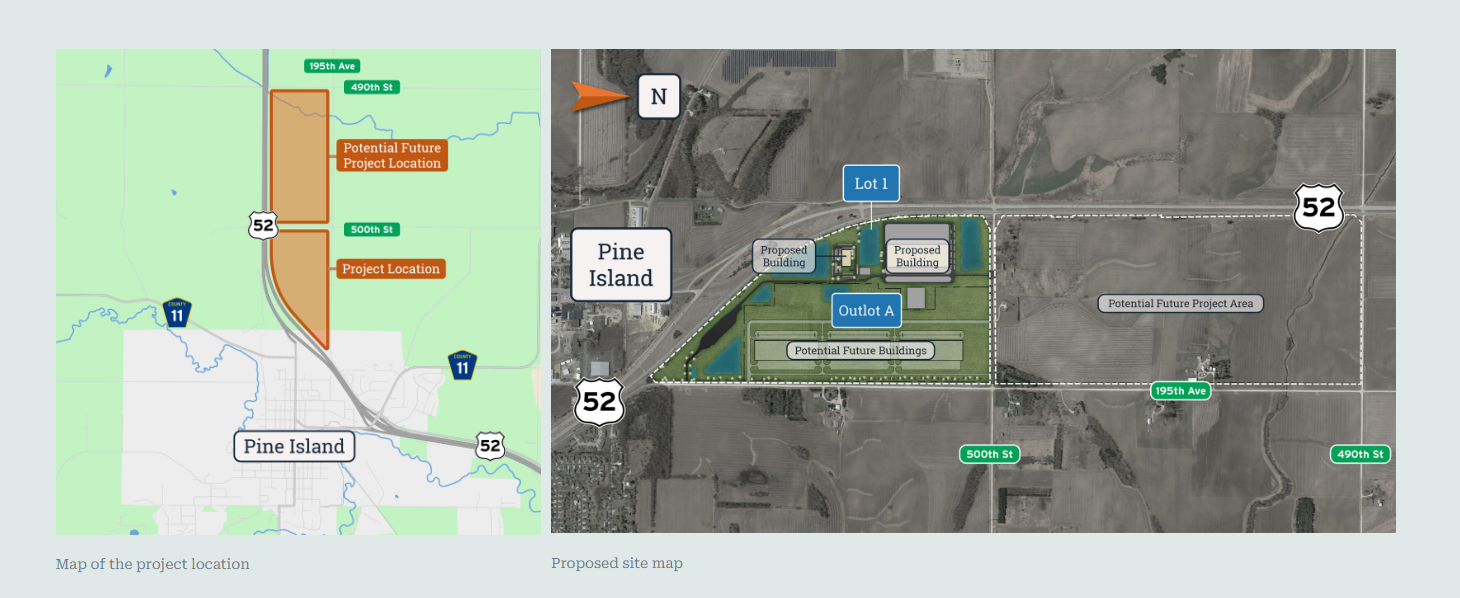
- Pine Island, Minnesota residents remain split over the proposed Project Skyway data center, with low-frequency noise emerging as the community's top concern.
- Piedmont, Oklahoma sent a proposed Cloverleaf Infrastructure data center campus back to the planning commission for further study after strong resident opposition to the rezoning.
- Spokane County, Washington officials are weighing new data center protections, including developer-funded infrastructure costs and noise limits, amid internal debate over tax breaks and transparency.
- Harwinton, Connecticut opened discussions on a possible moratorium covering data centers, battery storage and solar after fielding developer inquiries despite having no relevant zoning rules.
- Hermantown, Minnesota heard Google present water usage details for its proposed data center, saying the facility's cooling system will rely on non-evaporative technology rather than groundwater.
Louisiana
Louisiana officials have leaned heavily on non-disclosure agreements to land major data center investments, including Meta's planned $50 billion project in Richland Parish.
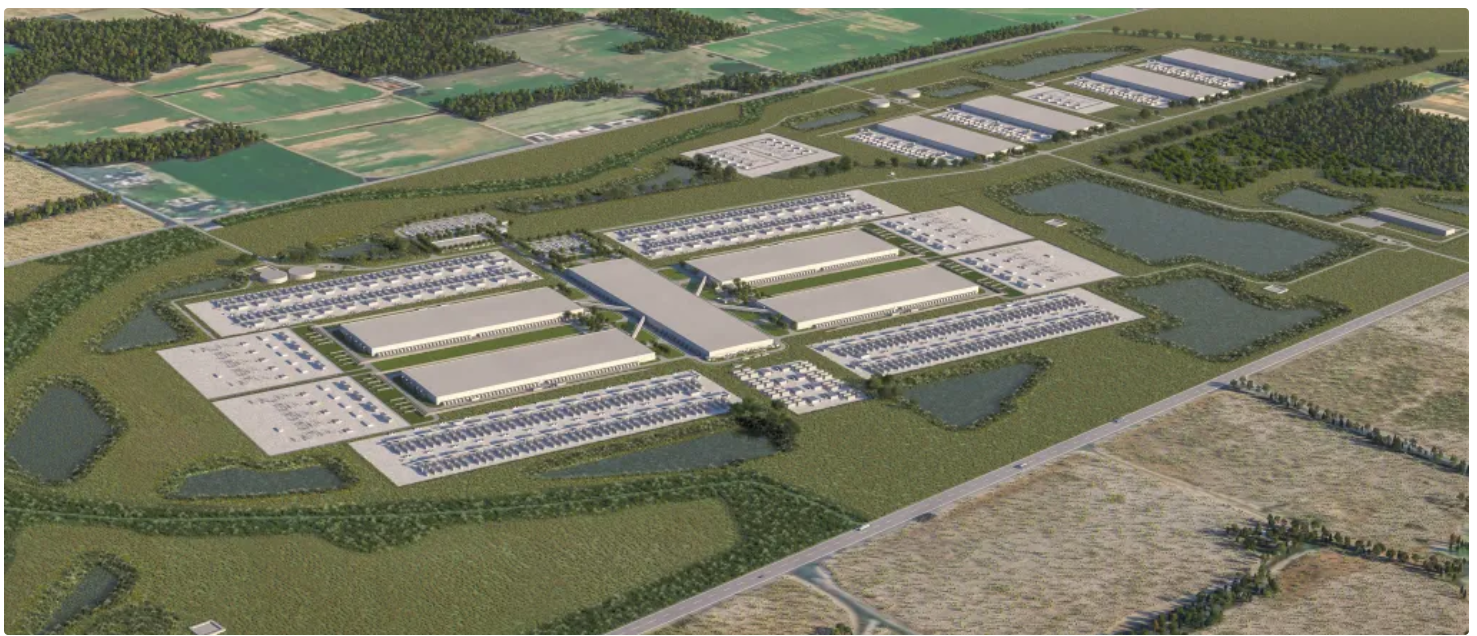

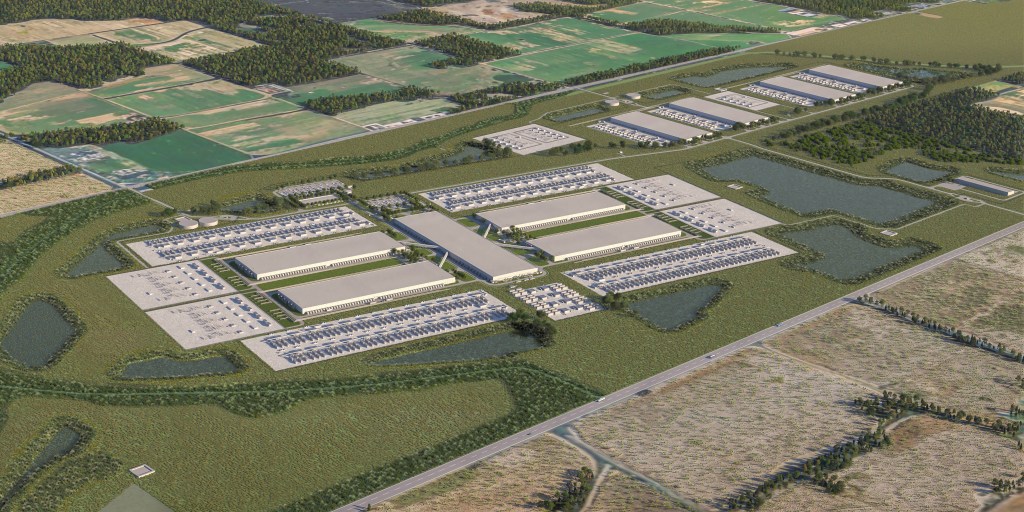
Reporting from Gulf States Newsroom and Type Investigations found at least 121 employees in Gov. Jeff Landry's office have signed confidentiality agreements, and that Landry personally signed an NDA with Meta tied to the Richland Parish project. A separate Public Citizen review found about 80% of Virginia communities with existing or proposed data centers have similar agreements in place.
Critics argue the agreements shield details on tax incentives, utility demands and environmental impacts from public view until after projects are announced. New Orleans attorney William Most said government-imposed NDAs face different legal scrutiny than private ones, noting that "the First Amendment and state law protect the right to speak" when the state itself tries to limit what people can say. WWL Louisiana has not received responses from the Texas, Georgia, Virginia or Mississippi governors' offices about whether they use similar agreements.
Akron, OH
Akron City Council unanimously approved a new review process for data centers, requiring proposals to clear both the planning commission and a council vote before moving forward.
 Anna Huntsman
The ordinance defines data centers in city code for the first time and folds them into the conditional use process. Developers will now have to submit details on expected electricity demand, water use and wastewater discharge, backup power systems and projected noise levels before a project can proceed. Mayor Shammas Malik said the city's zoning code predated modern data center facilities and needed a framework built specifically around their impact.
Planning Director Kyle Julien said the goal isn't to block data centers outright, noting that hospitals, businesses and other institutions across Akron are also driving up data use. Several residents spoke in support of the measure at a public hearing, and city staff plan to keep studying best practices, with possible future additions like noise thresholds and residential buffering requirements still under consideration.
Hillsboro, Oregon
Hillsboro City Council unanimously adopted a four-month moratorium on new data centers Monday, called with just one day's notice to keep the industry from rushing in applications ahead of the vote.
The moratorium also covers new high-capacity battery storage systems tied to data centers. Hillsboro already hosts 436 acres of data centers, with 50 more under construction, serving companies including Adobe, LinkedIn, Meta, TikTok and X, and receiving $84 million in local property tax breaks this year. The action follows public anger over 17 tax break applications the city said it was legally required to approve in May, ahead of a state moratorium on some incentives.
WATCH: Special Hillsboro City Council Meeting: July 27, 2026
City officials quietly filed the required 45-day notice with state land-use authorities to avoid tipping off the industry before the vote. The city now has 120 days to weigh permanent limits on data centers, and may extend the pause if needed. Some pushback came from developer Steve Sieber, who criticized the process's lack of notice, and IBEW Local 48's Chris Carpenter, who warned a blanket moratorium could cost construction jobs.
Dubuque County, Iowa
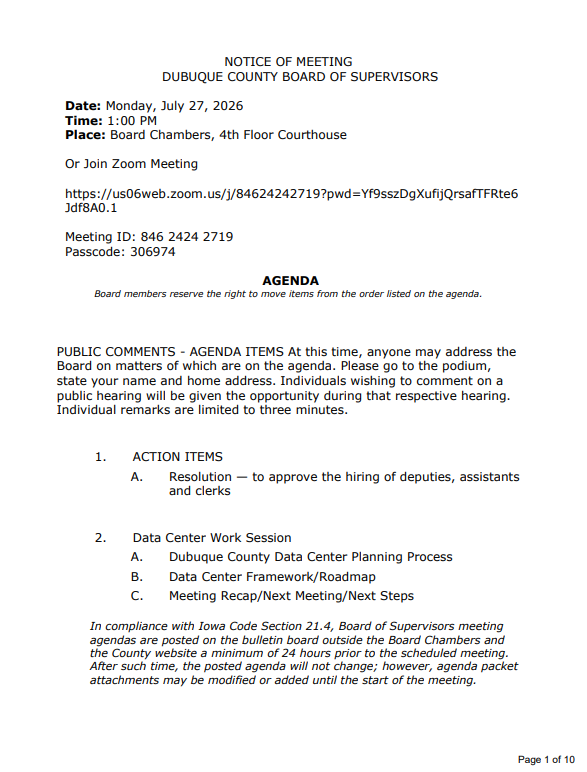
Dubuque County supervisors are pressing ahead with drafting formal data center rules, outlining a roadmap during a Monday work session while a countywide moratorium remains in effect.
Residents urged the county to take its time and stick with the process already underway. Mike Walter, a county resident, said officials have made significant progress over the past two months and encouraged them to let the process play out to produce a comprehensive ordinance. Supervisor Wayne Kenniker said clear, consistent communication throughout the process would be important given how many moving parts are involved.
Columbia County, Georgia
Columbia County leaders discuss Google data centers and proposed tax relief
Columbia County leaders say two massive Google data center complexes near Appling could eventually eliminate homestead property taxes for residents, with voters set to decide the funding mechanism in a November referendum.


County Manager Scott Johnson said the project, spanning 33 buildings across 3,500 acres in Harlem, ranks among the largest data center developments in the country by land size and building count. The path to relief runs through House Bill 439, county-drafted legislation that lets local governments set aside funds for property tax credits. If voters approve it, Johnson said residents could see credits as early as 2027, with full elimination of property taxes possible by 2028 pending a separate state constitutional amendment to lift the collection cap.
The county is negotiating additional fees from the data centers to ensure relief begins in year one rather than waiting for full buildout. Columbia County's data center ordinance includes buffer requirements, noise limits and light restrictions intended to shield nearby neighborhoods, though the projects have still drawn significant opposition from residents concerned about living near them.
Social Listening 🎧: Podcast
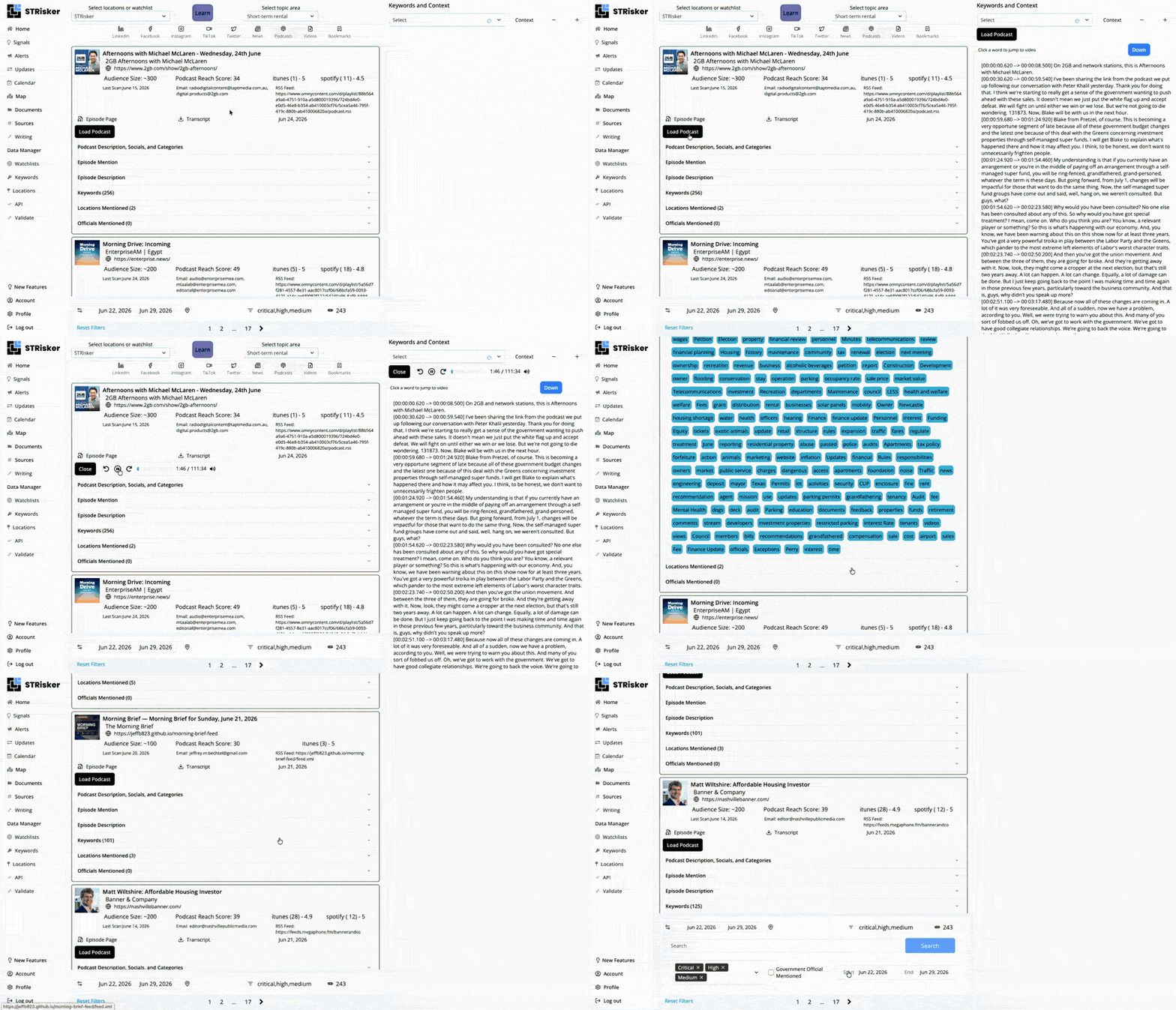
Policy talk doesn’t just happen in the news cycle—it can also live in long-form audio. Strisker’s Podcast Signal turns hours of episodes into actionable insight, indexing transcripts so you can surface key mentions of STRs, data centers, ordinances, and local decision-makers in seconds.
Pine Island, Minnesota
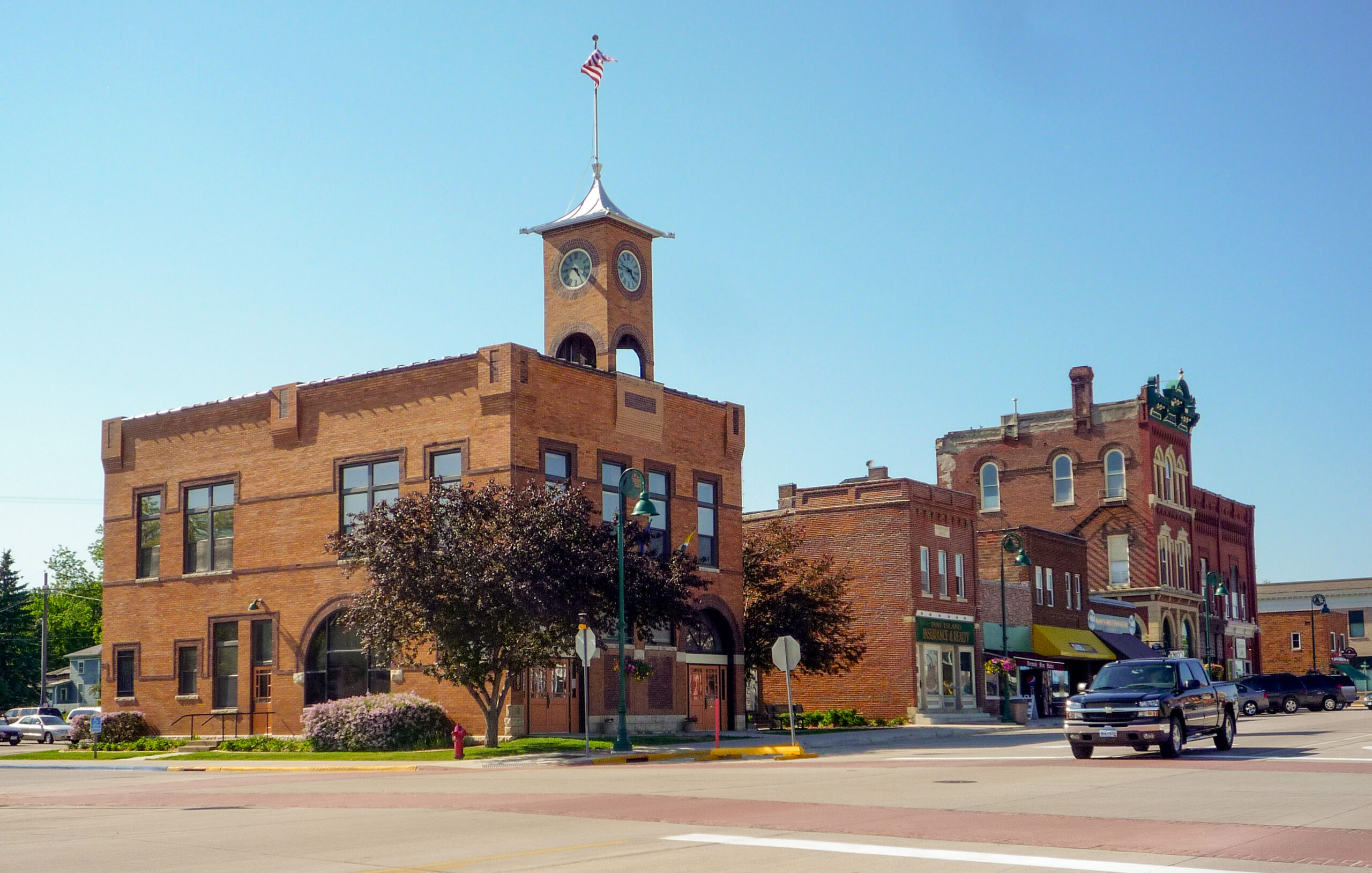
Pine Island residents remain split over the proposed Project Skyway data center, with low-frequency noise emerging as the community's top concern as the project sits on hold.

Researchers say the constant, low-frequency sound produced by large data centers has been linked to short-term effects like sleep disruption, stress and difficulty concentrating, even though long-term health impacts remain unstudied. Google has said it's working to comply with Minnesota noise law and will take steps to prevent problems, though experts note the company would ultimately bear responsibility if issues do arise.
That response has left residents divided. Some say they doubt Google will follow through if problems surface down the road, while others believe the company has taken adequate precautions and has the community's interests in mind.
Piedmont, Oklahoma
Piedmont crowd blasts proposed data center as residents warn of water and noise impacts
Piedmont's city council sent a proposed Cloverleaf Infrastructure data center campus back to the planning commission for further study Monday, after a large crowd turned out to oppose the rezoning.
The site sits north of Moffat Road Northwest and west of Frisco Road in northwest Piedmont. Residents have opposed the project for months, and one resident, Stephanie Murdock, played a recording during her public comment of what she said was data center noise, arguing the project would take away residents' "right to peaceful existence." Others pushed for any developer commitments to be made irrevocable and tied to the land, so promises wouldn't disappear if Cloverleaf sold the project.
Cloverleaf has said on its website it will commit to cooling systems that don't consume water beyond an initial fill during construction, will cover any power or transmission upgrades needed for the project, and will conduct a noise analysis. Ward 4 Councilman Jonathan Hisey said the company will also be required to submit a peer-reviewed water and wastewater impact study, due before the council's Aug. 24 meeting.
Spokane County, Washington
Spokane County officials are weighing new protections for a possible data center in the West Plains, as public records requests revealed internal debate over tax breaks, infrastructure costs and transparency.

Commissioner Al French confirmed multiple data center developers have approached him about the West Plains site but haven't yet met power, water and other required metrics. Documents obtained by resident Brittany Anderson showed a consulting firm sought a tax incentive exemption for Spokane, while Mayor Lisa Brown separately emailed state representatives arguing local data centers shouldn't receive those breaks, citing the facilities' heavy electricity and water use and questioning the return on investment for job creation. Companies have also explored potential power arrangements with Inland Power and Avista.
French is proposing an ordinance requiring developers, not ratepayers or the public, to cover infrastructure expansion costs, along with a 65-decibel noise limit at the property line matching airport standards. Anderson is pushing for a moratorium to allow full public review before any project moves forward, and French noted that while many resident objections have been submitted, county IT staff found some letters were AI-generated.
Harwinton, Connecticut
Harwinton's zoning commission opened discussions Monday on a possible moratorium covering data centers, battery storage facilities and solar, after the town began fielding inquiries despite having no zoning rules for any of them in place.

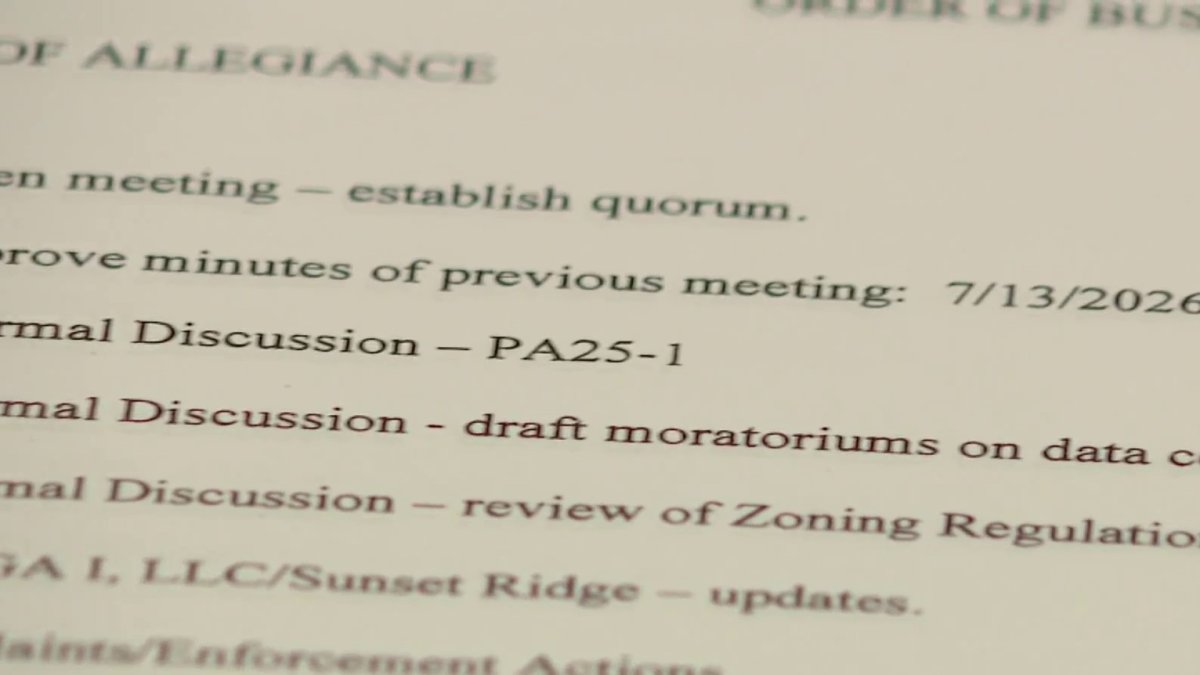
Zoning Commission Chairman Theodore Root said the small town hadn't expected the issue to come up given its limited industrial and commercial property, but recent developer interest prompted the discussion. Resident Lillian Busse raised concerns about the town's capacity to handle data centers, pointing to limited electricity supply, reliance on septic systems rather than sewers, and roads she said aren't built for the added traffic. First Selectman Michael Criss called data centers, battery storage and solar facilities bad news for the town.
The commission decided it needs more information and time before drafting an actual moratorium, and plans to continue the discussion at its August meeting. Harwinton's deliberations follow similar moves in New Haven, West Haven, Groton and Morris, all of which have adopted their own pauses on data center development.
Hermantown, Minnesota
Google presented water usage details for its proposed Hermantown data center at a Monday night city work session, saying the facility could use up to 50,000 gallons a day for domestic purposes like employee sinks and bathrooms.
 Joe Wicklund
The four-building facility would need a one-time fill of 1.7 million gallons per building to start up, plus roughly 2,000 gallons per building monthly for maintenance. Google said the cooling system will use no ground or well water and will rely on non-evaporative air- and dry-cool technology, meaning water is used to fill the cooling loop once and then only replenished for maintenance, according to Anthony Giovannone, a manager on Google's Utility Infrastructure Strategy team. Wastewater would run through Hermantown's sewer system to Duluth for treatment at Resource Renew's plant.
 X, the moonshot factory
Google received 192 public comments during an earlier open comment period and said it will incorporate them into an updated Anticipated Urban Area Review study, adding detail on topics like groundwater monitoring near a nearby trout stream, air quality for backup generators, and infrasound. The final AUAR study is due to state agencies in early August, and if it comes back without required changes, the city council could vote on the project later this fall.
📱 Social Buzz
New York has become the first state to ban new data center construction, according to recent reports, as officials cite concerns over energy use and environmental impact.
— Christian Daily (@ChristDailyUSA) July 28, 2026
We pray for wise stewardship of resources and for policies that balance technological progress with care for… pic.twitter.com/AqOwaJva3K
Nvidia in talks to back $250B financing for OpenAI data center campus in Ohiohttps://t.co/GE9dskV615
— Dayton 24/7 Now (@dayton247now) July 28, 2026
Loudoun officials are toying with the idea of a data center moratorium. But unlike in Maryland, there are big legal questions. https://t.co/EkT7ln2XNx
— Washington Business Journal (@WBJonline) July 28, 2026
Data Centers are not popular, despite the President saying we HAVE to accept them.
— DorieB 🇺🇸🍔🇺🇸 (@dorieb57) July 28, 2026
Monroe Township will defend data center ban in federal court https://t.co/PZk04aRC24
🏢 IL SB3578 — Illinois Restricts Data Center Construction by Foreign Entities
— AI, Data Centers, Crypto Bills Tracker - Govbot (@Govbot27) July 28, 2026
Illinois prohibits foreign companies – those owned by or headquartered in countries deemed foreign adversaries – from building data centers. The Illinois Commerce Commission, the Illinois Power…
Stay Updated with STRisker!
STRisker offers tools and features to keep you updated with the Short Term Rental and Data Centers movement across the world.
👍 We’d love your feedback.
Which stories hit? Which ones missed?
We're exploring a new branch of topics centered around Data Centers and want to make it even more useful for you.
✉️ Just reply directly to this email. We read and respond to every message!
-Will McClure
🙋 P.S.
Know someone else who should be reading Daily Notes? Feel free to forward this along. We’re opening a few more spots.