
Data Centers: Daily Notes | July 9, 2026
Warren nearly unanimously approved a moratorium, Sarasota County halts review of hyperscale data center, Fort Worth denies a proposed zoning ordinance, Pocatello faces renewed opposition, Orangetown County presents its proposed Phase 2 expansion.


At A Glance 🔽
- Kern County, California saw Inyokern Airport and the China Lake Naval Base formally oppose a proposed data center, warning its cooling system and diesel generators could threaten aviation safety and drift over a nearby weapons test range.
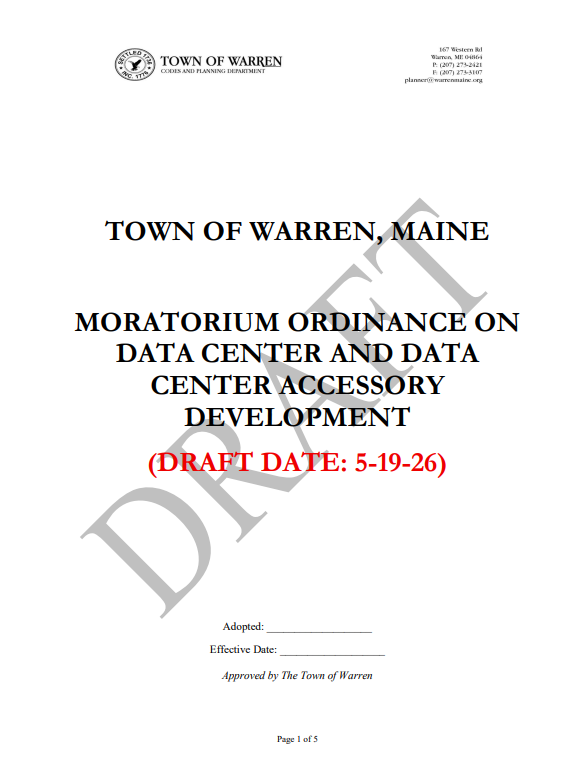
- Warren, Maine residents nearly unanimously approved an 180-day data center moratorium at a special town meeting.
- Sarasota County, Florida commissioners voted to halt review of hyperscale data centers until at least July 2027, citing water use and utility infrastructure strain.
- Grand Traverse County, Michigan saw its Planning Commission recommend a zoning change giving the township board power to impose a data center moratorium, after hundreds of residents packed a meeting in support.
- Fort Worth, Texas saw its Zoning Commission deny a proposed data center zoning ordinance, sending it back for revisions on setback distances ahead of a City Council vote set for Aug. 11.
- Pocatello, Idaho faces renewed opposition from the Shoshone-Bannock Tribes to a proposed AI data center, who argue the developer failed to provide sufficient information on electricity, water and environmental impacts.
- New Carlisle, Indiana was the subject of a virtual public hearing on Amazon's federal water quality permit application for a data center project that has already drawn scrutiny over an unauthorized wetland impact.
- Festus, Missouri faced criticism after developer CRG presented a downsized version of its $6 billion data center proposal to the City Council behind closed doors.
- Huntington, Indiana discussed zoning options for potential data centers while a county moratorium remains in place, with officials leaning toward permitting facilities in industrial zoning districts.
- Orangetown, New York saw DataBank present its proposed Phase 2 data center expansion near Lake Tappan to a packed, largely opposed crowd, with the Planning Board still weighing whether the town's moratorium applies.
Kern County, California
Inyokern Airport formally joined opposition to a proposed data center in June, sending a letter to the Kern County Board of Supervisors, county planning officials and the California Energy Commission warning the project could threaten aviation safety and navigable airspace.
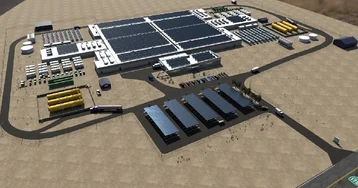


The nearby China Lake Naval Base submitted its own letter of concern, saying the facility's cooling system and 40 diesel generators would create a thermal plume that prevailing winds could carry over the adjacent weapons test range. The developer is seeking a small power plant exemption that would limit the California Energy Commission's environmental review to only the project's backup power generation.
The California Energy Commission said it is encouraging public input and will carefully review all comments as it evaluates the project's backup generation. Bouyer said added scrutiny from local agencies, including comments the city of Ridgecrest has agreed to submit, increases pressure on regulators to examine the proposal closely, and said her concern isn't with data centers or AI generally but with whether this location is the right fit.
Warren, Maine
Warren residents nearly unanimously approved an 180-day moratorium on data centers at a special town meeting July 8, drawing an overflow crowd of about 60 residents, nearly double the turnout at June's annual town meeting.
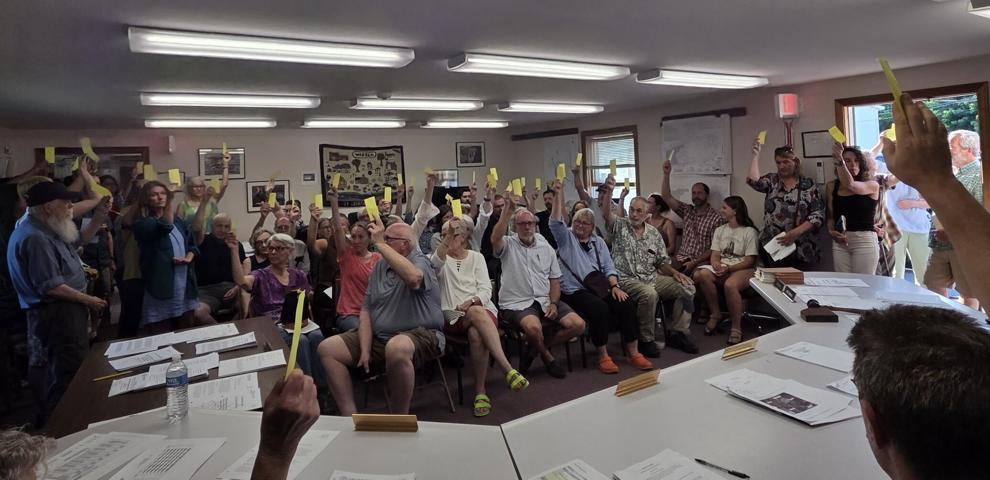
The moratorium gives the town time to draft ordinances regulating data centers before any application is received, and the Select Board can extend it in 180-day increments following public hearings if progress continues. Resident Shawn Saindon said the pause would let the town make decisions based on facts rather than fear, while Select Board Chair Nik DeMaria said acting now was more responsible than trying to impose a retroactive moratorium after an application arrives.
No data center applications have been filed with the town, and officials cited concerns about heavy water and power use, including the risk that a facility could return river water at a higher temperature than it was drawn, potentially harming the ecosystem.
Sarasota County, Florida
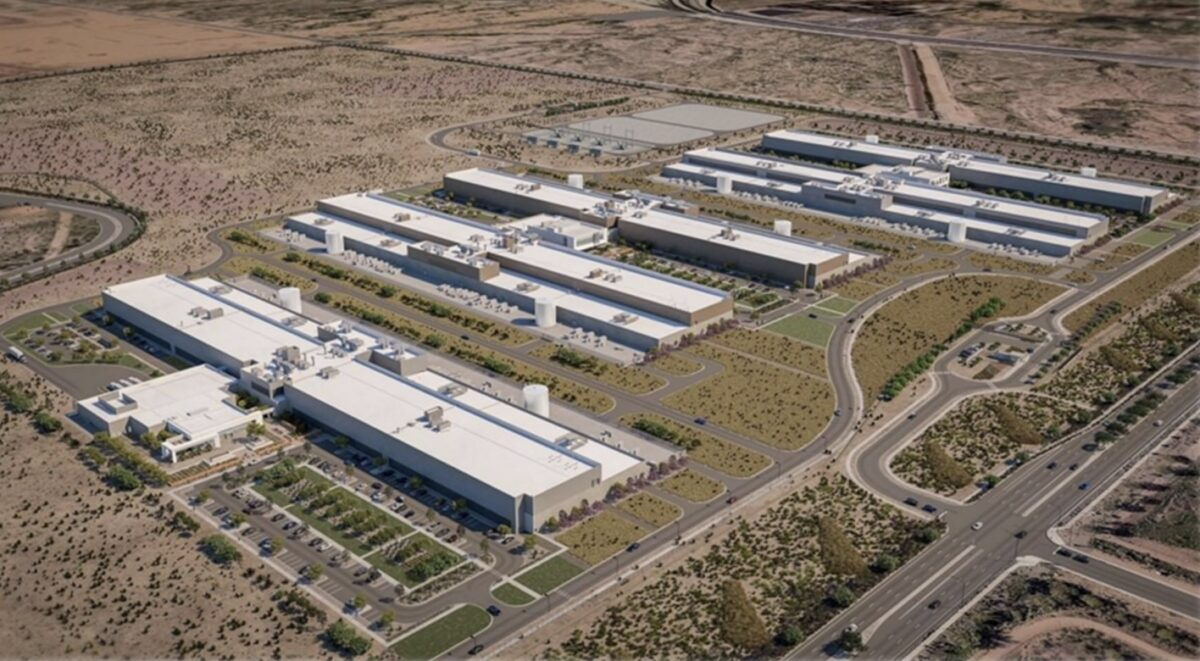
Sarasota County commissioners voted Wednesday to halt acceptance, review and approval of hyperscale data centers until at least July 2027, citing concerns over water use and strain on utility infrastructure.
 Christian Casale | Suncoast Searchlight, Alice Herman | Suncoast Searchlight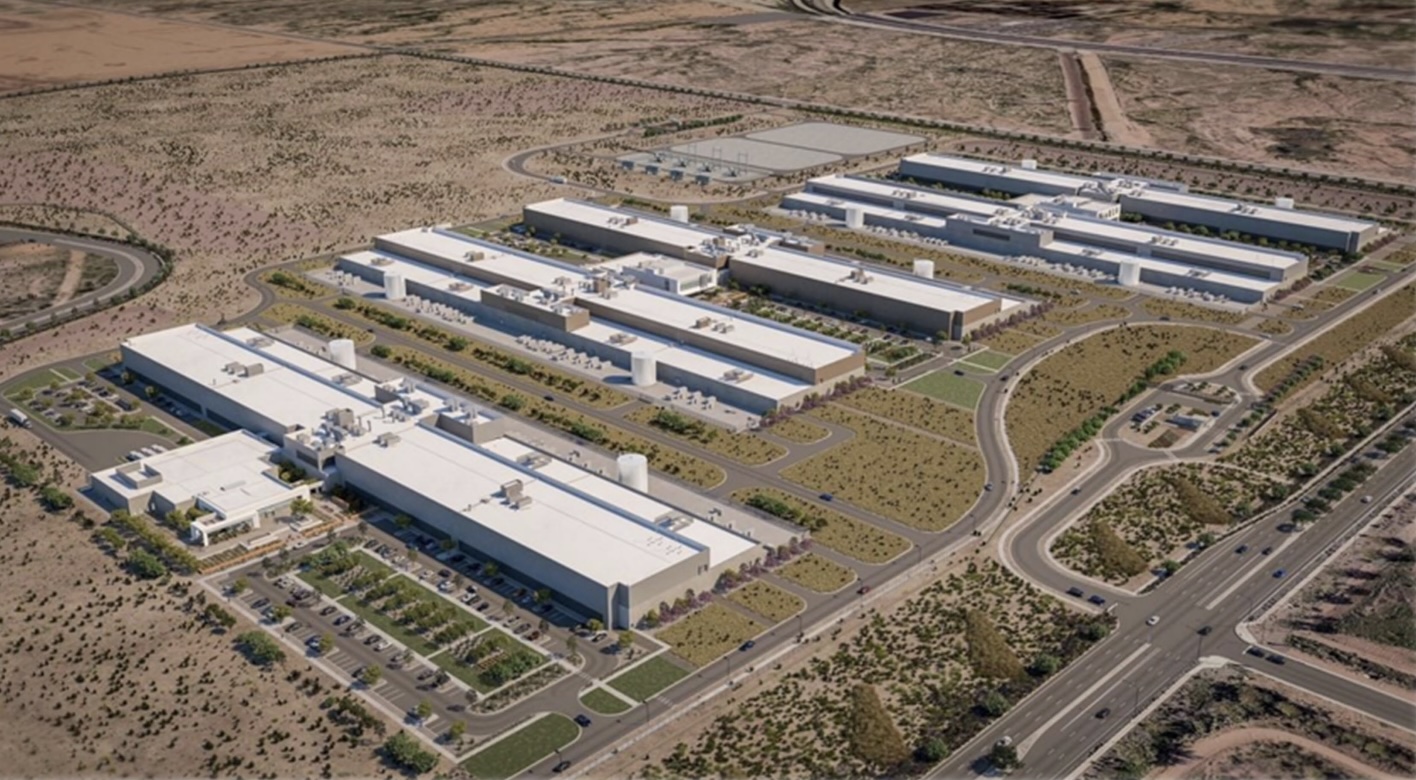
The freeze applies to facilities using at least 50 megawatts of power, the state's threshold for hyperscale data centers, which at minimum draw as much electricity as 35,000 homes. Assistant Planning & Development Services Director Michele Norton told commissioners hyperscale facilities can consume millions of gallons of water daily and often require new power infrastructure to be built. The move follows an inquiry from XF Group to build a data center along Cattlemen Road, and Commissioner Joe Neunder said flatly he opposes such projects "not now, not ever."
Grand Traverse County, Michigan
Hundreds of residents packed a Garfield Township meeting Wednesday as the Planning Commission voted to recommend a zoning change giving the township board power to impose a data center moratorium.
 Nicholas Simon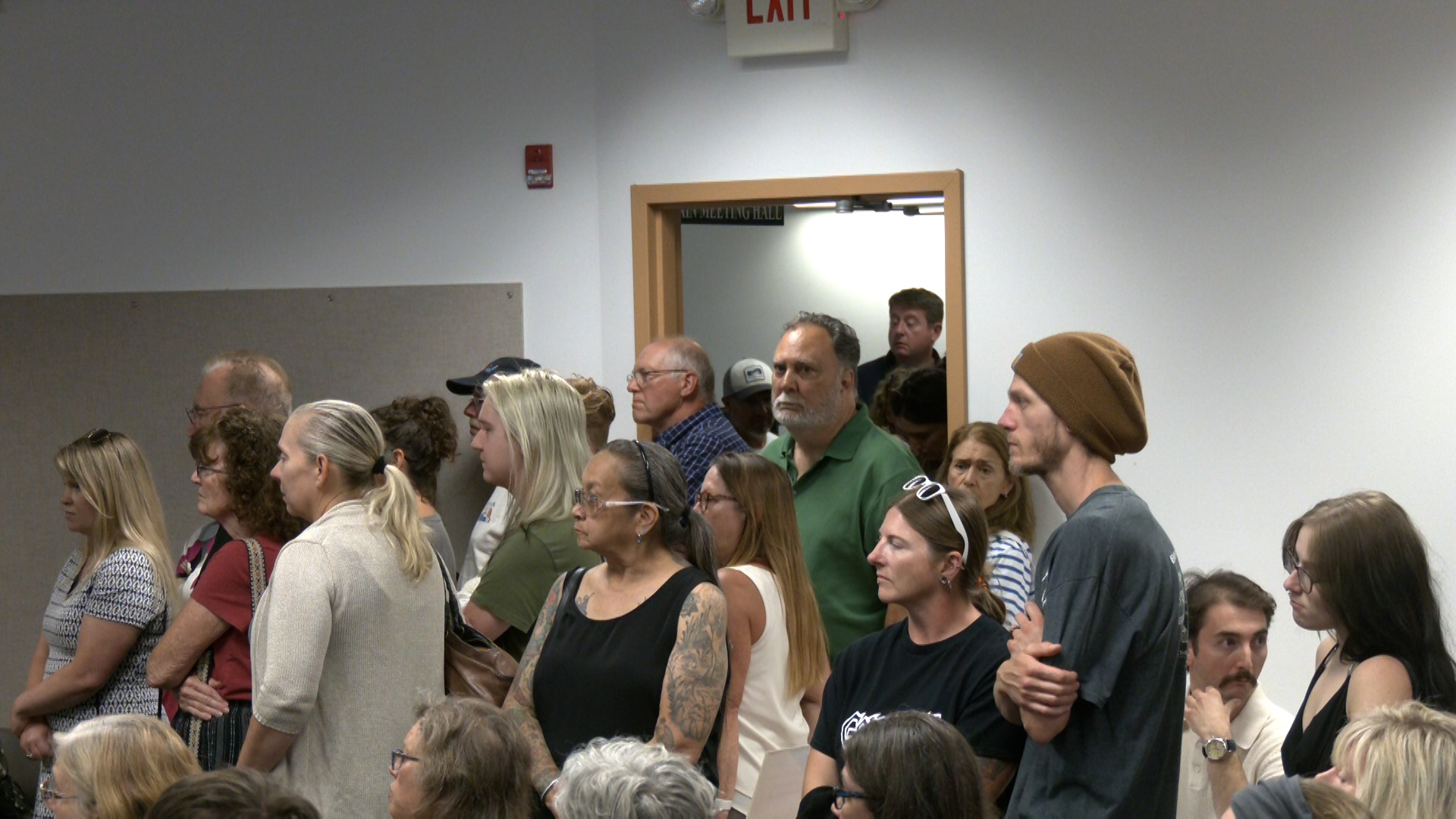
The proposed amendment would allow the board to freeze applications, permits, rezonings or approvals related to any land use for up to 12 months, with an optional six-month extension. Chair Chris DeGood noted no data center project is currently pending, but the change would position the township to act if one arises. Nearly 40 residents spoke, and none opposed the moratorium, though many, including lifelong resident Nicole Manby, said it should go further and become an outright ban. Resident Kelly Clark stressed the Great Lakes hold 20% of the world's surface freshwater and argued that shouldn't be risked for a facility with limited employment.
Data Centers in Michigan: Evaluation of Policy Controversies Regarding Hyperscale Data Center Developmen
Fort Worth, Texas
Fort Worth's Zoning Commission voted 7-4 to deny a first-of-its-kind proposed data center zoning ordinance Wednesday, sending it back for revisions before it reaches City Council for a final vote Aug. 11.


Commissioners said the proposal needed more detail, stricter standards and additional review time, with Commissioner Matt McCoy calling it "insufficient" given how many variables remain unresolved.
The draft ordinance would ban cryptocurrency mining, restrict data centers to industrial zones, and require at least 250 feet of separation from homes, up from the 20 feet currently required for industrial developments citywide, along with rules on backup generator placement, noise barriers, lighting and a 50-foot landscape buffer near residential areas. Assistant City Manager Jesica McEachern said the city crafted the rules with input from water utility, development services and economic development staff, as well as data center developers, and that public feedback showed the greatest concern was over setback distances. The revised ordinance returns to council Aug. 4 for further public input before the Aug. 11 vote.
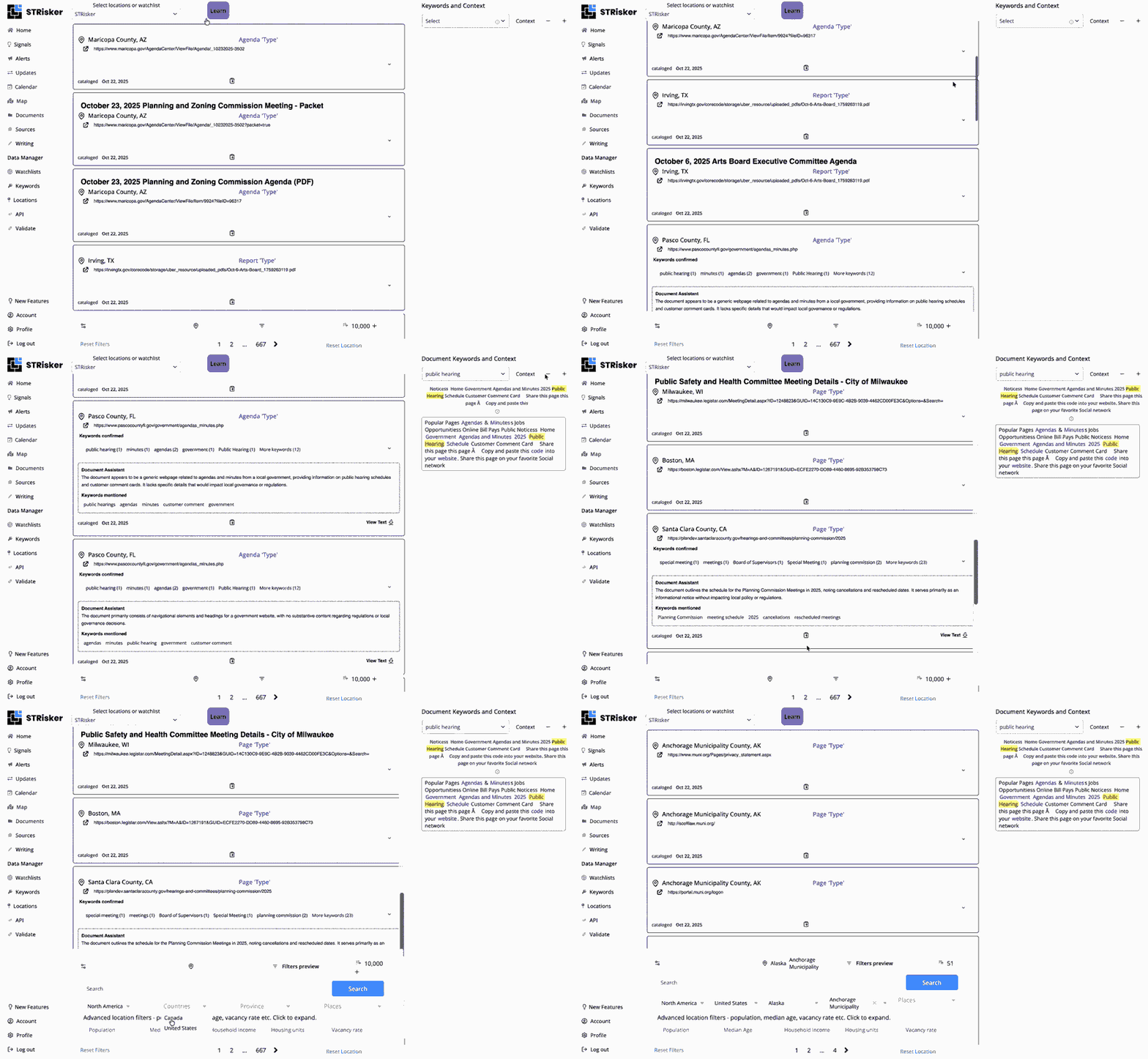
Strisker Document Analysis
Finding the right compliance documents shouldn’t feel like searching for a needle in a haystack - Strisker’s Documents Analysis is built to simplify your life, offering instant access to hundreds of thousands of documents from thousands of cities across the world.
Pocatello, Idaho
The Shoshone-Bannock Tribes reaffirmed opposition to a proposed AI data center at Pocatello's former Hoku site ahead of a July 16 City Council appeal hearing, saying the developer failed to provide enough information to justify approval.
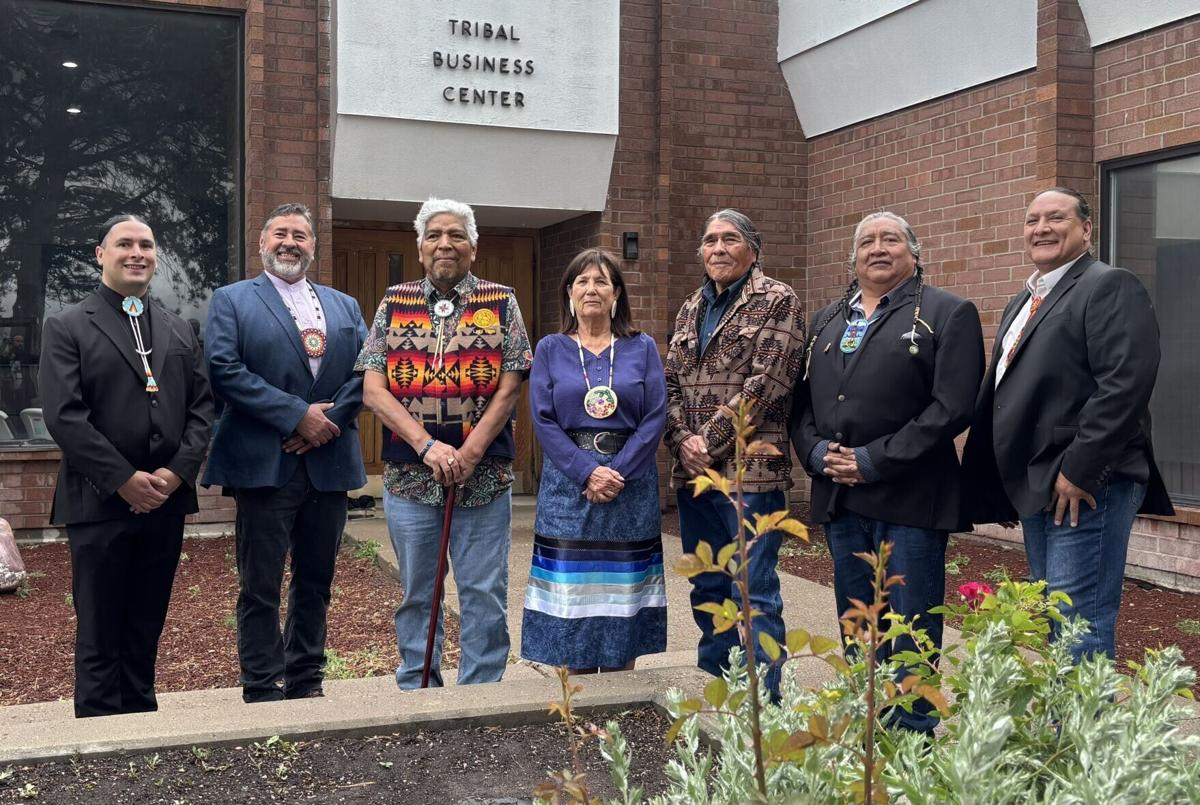
The Tribes said their review of public records and hearing testimony backs the city's Hearing Examiner, who found the developer didn't supply sufficient data for meaningful review. On electricity, the Tribes said recent state laws requiring developers to cover power infrastructure costs are unlikely to prevent rate increases, citing testimony that Idaho Power may not have enough near-term supply and pointing to the utility's recent rate case and cost adjustments as evidence prices will likely rise.
On water, they noted the developer's only response to questions about cooling needs was a vague estimate of using "four to five houses worth of water," without addressing chemicals used in the cooling system or risks to the nearby Portneuf River.
New Carlisle, Indiana
IDEM held a virtual public hearing Wednesday on Amazon's application for a federal water quality permit tied to its data center near New Carlisle, a project that could allow the company to impact nearby wetlands and streams if approved.
 WSBT 22
Under the permit, Amazon would need to purchase credits from Indiana's wetland mitigation program to offset any wetland loss. The company has previously drawn scrutiny over its request to de-water the site at up to 35 million gallons per day, as well as an unauthorized wetland impact in August 2025. Jennifer Betts of the South Bend-Elkhart Bird Alliance raised concerns during the hearing that Amazon had already partially destroyed a wetland without a permit, and said it remains unclear whether the company faced any consequences for that action.
IDEM is accepting written comments on the permit application through July 17 before making a final decision.
Festus, Missouri
Festus city officials faced renewed criticism after developer CRG presented a downsized version of its proposed $6 billion data center to the City Council behind closed doors on June 29.
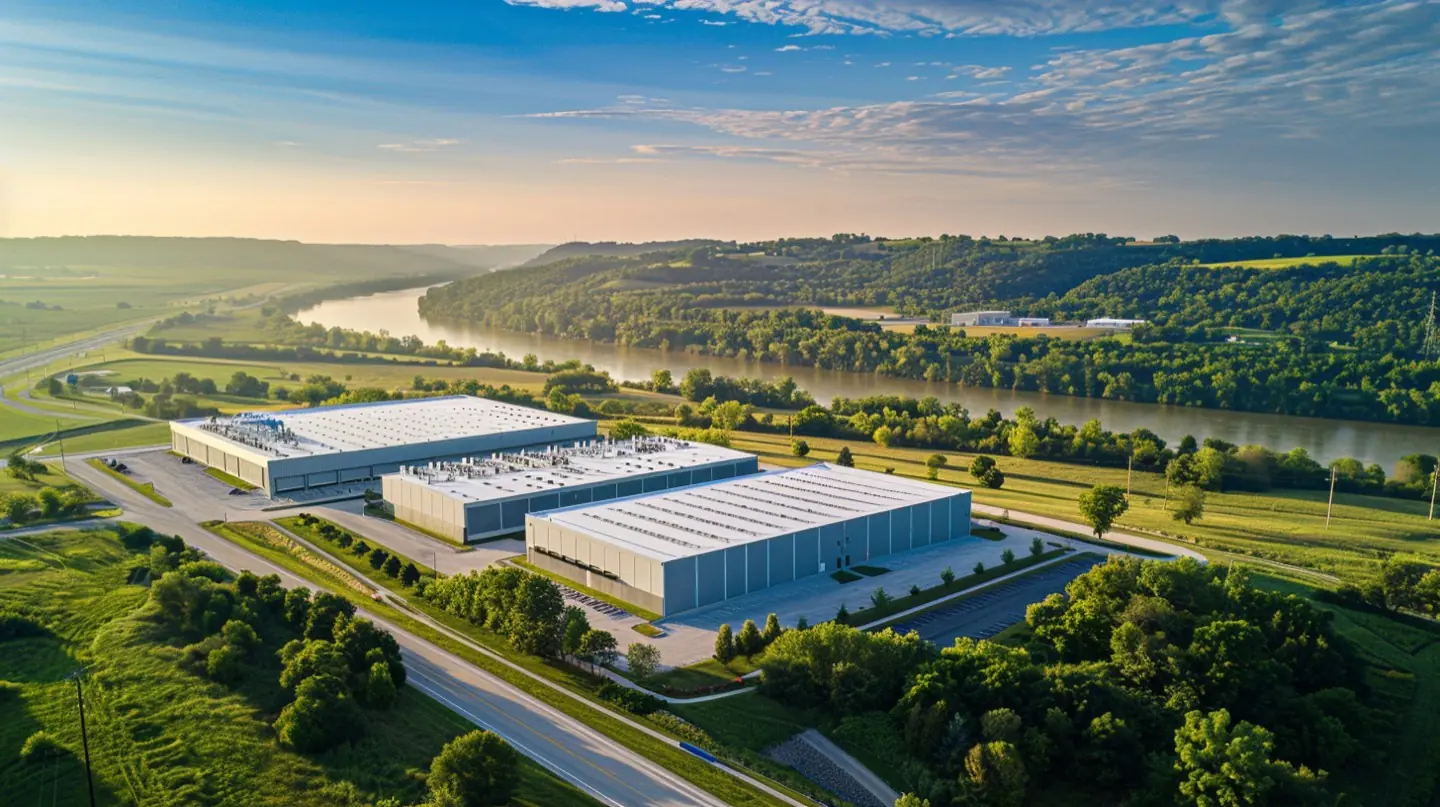


CRG said the revised design would use significantly less electricity than originally planned and switch to a closed-loop cooling system that reuses water and produces little to no wastewater discharge. City attorney Brian Malone said the session was closed to discuss potential amendments to the development agreement and contractual terms for a water infrastructure plan, while Mayor Sam Richards cited ongoing contract negotiations.
Data center opponent Mary Fakes called the closed meeting "shameful" and said it continues a pattern of CRG holding meetings behind closed doors despite promising two public sessions that haven't happened. CRG President Chris McKee defended the $6 billion investment figure as unchanged despite the smaller footprint, saying it reflects power infrastructure and equipment costs rather than building count, and said a public information session required under the city's data center ordinance is planned but not yet scheduled.
Huntington, Indiana
Huntington's Plan Commission discussed zoning options for potential data centers Wednesday, weighing four possible approaches while a county moratorium on data centers remains in place.
The commission is currently leaning toward an option that would permit data centers in M1 or M2 industrial and manufacturing zoning districts. The moratorium, imposed by county commissioners in February, will stay in effect until the commission finalizes its zoning approach, giving officials time to research the issue, hold public forums and draft an ordinance. Many residents who spoke during the meeting's public comment period opposed allowing data centers in the county at all.
Officials said no data center has actually been proposed for the county, and the meetings are meant to prepare zoning rules ahead of any future application. The discussion continues at the next Plan Commission meeting on Aug. 12, which the board plans to move to a larger location to accommodate more attendees, with a similar conversation about carbon capture sequestration also on that agenda.
Orangetown, New York
Orangetown's Planning Board heard a packed-house presentation Wednesday from DataBank Inc. on its proposed Phase 2 expansion of its data center campus near Lake Tappan, with dozens of residents waiting to speak against the project and protesters chanting "Stop DataBank" outside Town Hall.
 Seth Gladstone
Nearby resident David Rosen, whose property borders the existing campus, said he's concerned about noise and emissions from generators proposed near his property line. Company officials pushed back at the meeting, arguing misinformation has driven public opposition. A central question is whether Orangetown's recently adopted data center moratorium applies to the Phase 2 application, which DataBank submitted before the moratorium passed; opponents argue it should still be covered since the expansion hasn't been built yet.
The Planning Board had not reached a decision as of the meeting's close, and the outcome remains one of the most closely watched development fights in Rockland County, with residents split over balancing economic growth against environmental and quality-of-life concerns.
Stay Updated with STRisker!
STRisker offers tools and features to keep you updated with the Short Term Rental and Data Centers movement across the world.
👍 We’d love your feedback.
Which stories hit? Which ones missed?
We're exploring a new branch of topics centered around Data Centers and want to make it even more useful for you.
✉️ Just reply directly to this email. We read and respond to every message!
-Will McClure
🙋 P.S.
Know someone else who should be reading Daily Notes? Feel free to forward this along. We’re opening a few more spots.