
Data Centers: Daily Notes | October 29, 2026
Data center fights head to court and council: a judge denies Quantum’s bid to halt Frederick County’s moratorium, Glendale approves a $36B project, Hubbard Township keeps its pause, and Pima County and Arlington draft new rules. READ MORE.


At A Glance 🔽
- Hubbard Township, Ohio trustees rejected the zoning commission’s proposed data center regulations and sent them back for tighter language, which keeps the township’s moratorium in place.
- Pima County, Arizona planners voted 8-1 to advance changes to the county’s data center ordinance that would require a Type 3 conditional use permit in its CI-2 heavy industrial zone, as long as staff address monitoring, noise and water limits.
- Arlington, Texas staff proposed data center ordinances that would require a 300-foot setback from homes, a 75-foot height limit and no evaporative cooling for stand-alone facilities.
- Frederick County, Maryland won an early round in court when a judge denied Quantum Maryland’s request for a temporary restraining order against the county’s data center moratorium.
- Harmony, Minnesota planners approved a draft data center ordinance and sent it to the City Council for a Nov. 10 vote, though nearly every speaker at the hearing voiced reservations.
- Glendale, Arizona approved annexing and rezoning land for Project Eagle, a $36 billion, 160-acre data center near Luke Air Force Base, and construction is set to start next month.
- Natrona County, Wyoming will keep moving forward on the 1.5-gigawatt Falls Ranch data center project with a new development partner after Prometheus Hyperscale abruptly dropped out.
- Jefferson County, Georgia passed a technology zoning ordinance that covers data centers, despite residents’ objections that it doesn’t do enough to protect neighbors.
Hubbard Township, Ohio
Hubbard Township trustees rejected the zoning commission’s proposed data center regulations, keeping the township’s moratorium in place and sending the rules back for tighter language.
The hearing drew enough residents that it moved to the Hubbard High School auditorium. Some early speakers urged trustees to approve the regulations, but sentiment shifted after township legal counsel Patrick Wilson explained the township couldn’t keep its moratorium and adopt zoning rules at the same time. Residents then pushed trustees to reject the proposal and buy more time, with some asking for stricter rules on brownfield sites.
Pima County, Arizona
The Pima County Planning and Zoning Commission voted 8-1 on Oct. 28 to advance amendments to its data center ordinance, on the condition that county staff address monitoring, noise and water limits, and a narrow definition of a data center.
 Tolulope Ajayi

The proposal would not ban data centers but would require a Type 3 conditional use permit in the county’s most restrictive zone, CI-2 heavy industrial, which makes up about 2% of county land. It focuses on water and energy use guidelines and on transparency for future projects, shaped by nearly 2,000 survey responses and two public hearings. Commissioner Robert Cook cast the lone no vote, saying he would only support criteria strict enough that no data center could be built. A revised proposal goes to the Board of Supervisors in early December.
Arlington, Texas
Arlington staff have proposed a set of data center ordinances tailored to the types of facilities the city is most likely to see, given its limited available land.
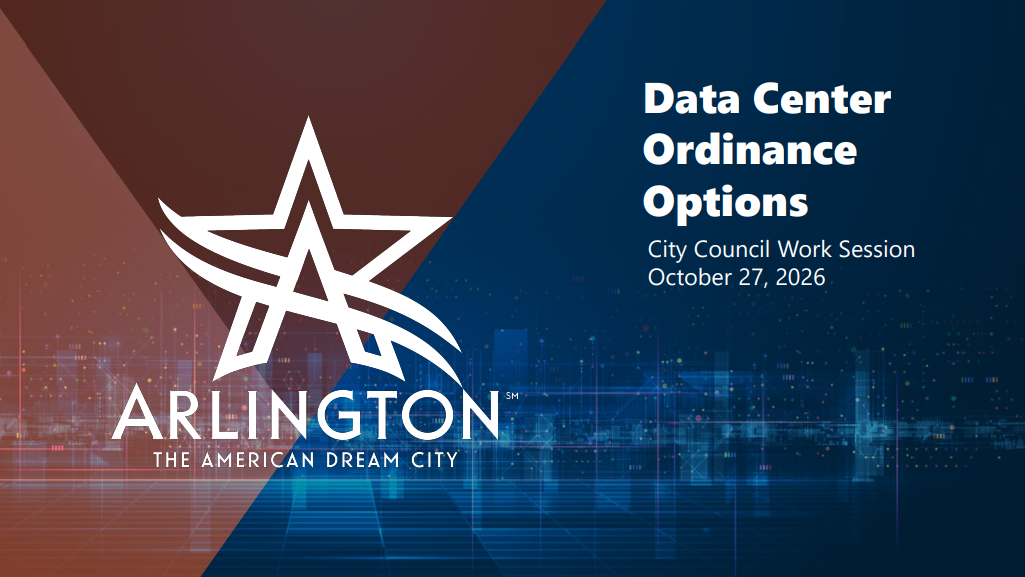
Stand-alone data centers, such as enterprise facilities run by a single company, would be allowed only in light industrial and industrial manufacturing districts with a specific use permit, or in planned development districts when the project is specifically identified. They would need to sit at least 300 feet from homes, stay under 75 feet tall, avoid evaporative cooling, and meet daytime and nighttime noise limits with testing before and after construction. Land development assistant director Kenneth Bloom described the proposals as a work in progress, noting the technology changes constantly.
Frederick County, Maryland
A judge on Friday denied data center developer Quantum Maryland’s emergency request for a temporary restraining order against Frederick County Executive Jessica Fitzwater’s data center moratorium.
Judge James Bonifant, a retired Montgomery County judge specially assigned to the case, found that Quantum failed to clearly show it would suffer immediate, substantial, and irreparable harm before a full hearing could be held. He also declared moot several Quantum motions seeking to speed up the case and set a Nov. 10 status hearing on the company’s motion for a preliminary injunction. Quantum alleges the moratorium cost it a real estate deal near Adamstown worth at least $500 million, and it is seeking injunctive and monetary relief from the county, the planning commission, and Fitzwater. Fitzwater first paused new data center applications in July and extended the pause in September to July 1, 2027, though projects with prior Adequate Public Facilities Ordinance agreements are exempt.
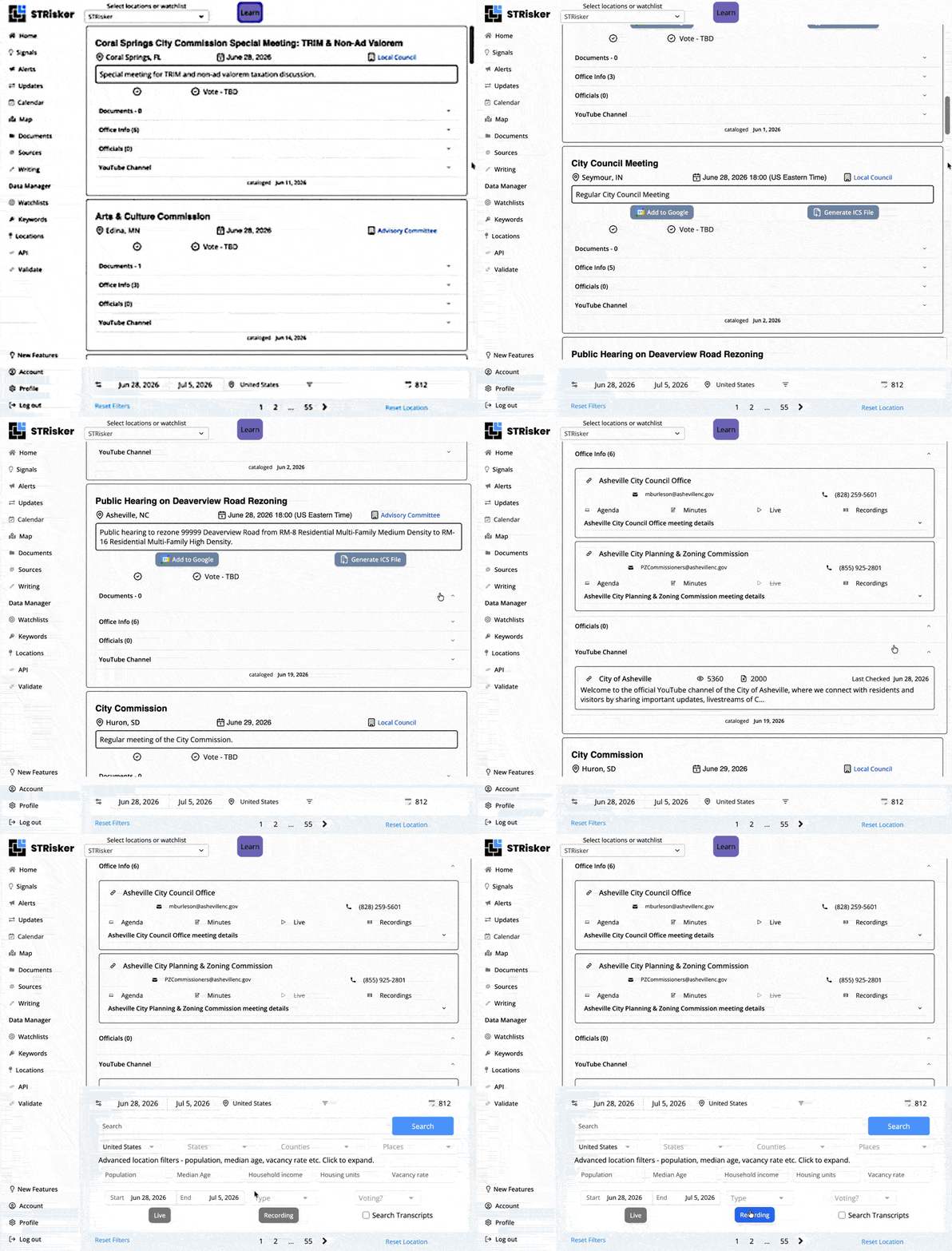
Strisker Calendar Tracker
Staying ahead of STR and data center regulations isn’t just about deadlines—it’s about knowing what’s coming. Our Calendar Tracker keeps you informed on upcoming meetings, key votes, and policy changes, so you never miss a critical update.
Harmony, Minnesota
The Harmony Planning and Zoning Commission approved a draft ordinance setting regulatory standards for potential data center development, sending it to the City Council for consideration Nov. 10.
 EDA Coordinator

The commission voted Wednesday after a public hearing that drew about 50 people, with roughly 20 addressing the five-member board. All but one speaker voiced reservations about a data center in Harmony, citing quality of life, noise, and environmental impacts, and several questioned the city’s openness about the process. Now in its sixth draft, the ordinance aims to protect public health and safety while preserving Harmony’s rural character and environmental resources. No specific data center project has been publicly announced in the city.
Glendale, Arizona
The Glendale City Council approved annexing and rezoning land at Litchfield Road and Olive Avenue for Project Eagle, a 160-acre data center about 2 miles northwest of Luke Air Force Base’s front entrance.
 David Baker

The $36 billion project, also known as Project Baccara, is expected to include two data center buildings and about 700 megawatts of natural gas generators to power the site and support the regional grid, according to project information from the City of Surprise. Before work begins, the developer must help pay for a new traffic signal and enter an agreement to fund specialized hazardous materials and fire services. Construction is scheduled to start next month, with the first building set to open in 2028.
Natrona County, Wyoming
The Falls Ranch data center project in Natrona County will continue under a new development partner after Prometheus Hyperscale abruptly abandoned its proposal.
 Klark Byrd
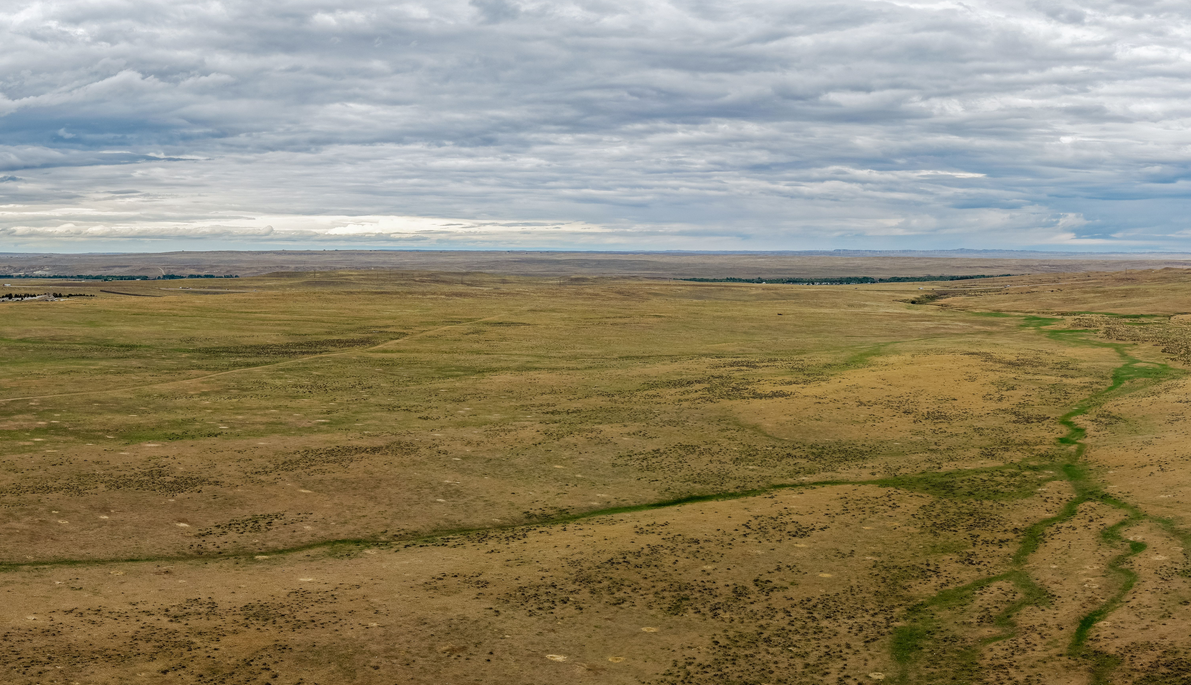
Prometheus had pitched the 1.5-gigawatt campus as a source of 3,000 temporary construction jobs and 150 permanent positions, with power from on-site natural gas generators. The plan drew pushback from neighbors along Hat Six Road and Meadow Acres, who raised concerns about generator noise, light pollution, air emissions, truck traffic, and state sales tax exemptions for data center equipment. Falls Ranch said it will still pursue local filing deadlines and community partnerships, with public meetings expected in 2027.
Jefferson County, Georgia
The Jefferson County Commission passed a technology zoning ordinance covering data centers at its Wednesday meeting, despite opposition from many residents who said the rules don’t do enough to protect neighbors.
The county administrator said data center developers have contacted some landowners, but no official applications have been filed. Because no land is currently zoned for the new technology district, any data center would need to go through the full rezoning process, including multiple public meetings. Residents who spoke cited the county’s agricultural and rural character and said the ordinance moved forward too quickly without enough public input, while some commissioners pointed to a declining workforce and rising taxes as reasons to seek new revenue.
📱 Social Buzz
Ohio voters consider ballot measures to curb data center development amid concerns over electricity use and health risks linked to the ai boom. https://t.co/sBSl0ZcNBg pic.twitter.com/54ZUnq3Obv
— Virginia Business (@VirginiaBiz) October 29, 2026
Local West Virginia groups and governments want data centers out of the state. Projects continue to develop in their backyards. https://t.co/CdF3Tp0sVW
— Mountain State Spotlight (@mtnstspotlight) October 29, 2026
DeepGreen Western Passage has applied to the Federal Energy Regulatory Commission (FERC) for a preliminary permit to study a tidal-powered underwater data center in Western Passage, near Eastport, Maine. Read more: https://t.co/TcqCW3ekY7 pic.twitter.com/dC3zVwymiV
— Cybernews (@Cybernews) October 29, 2026
Texas Governor Greg Abbott’s efforts to slow down data center construction, just as voters head to the ballot box, are starting to work. https://t.co/2l2PDfUQj0
— Bloomberg (@business) October 29, 2026
"Google revealed as user for potential data center campus in Goochland County’s West Creek Business Park"https://t.co/aiTjWDtp5H [@rvabizsense]
— 🇺🇸Phil Riggan (@RigganRVA) October 29, 2026
Stay Updated with Strisker!
Strisker offers tools and features to keep you updated with the Short Term Rental and Data Centers movement across the world.
👍 We’d love your feedback.
Which stories hit? Which ones missed?
We're exploring a new branch of topics centered around Data Centers and want to make it even more useful for you.
✉️ Just reply directly to this email. We read and respond to every message!
-Will McClure
🙋 P.S.
Know someone else who should be reading Daily Notes? Feel free to forward this along. We’re opening a few more spots.