
Data Centers: Daily Notes | September 03, 2026
North Dakota lawmakers recommended rejecting a bill; Fresno will consider a resolution to ban new data centers for 10 years; Newton Falls unanimously approved a 12-month moratorium; Port Angeles; Imperial County; Gage County; Piqua. READ MORE.


At A Glance 🔽
- North Dakota lawmakers recommended rejecting a bill that would have penalized data center developers and public agencies over nondisclosure agreements, while a separate committee continues studying data center and AI policy ahead of 2027 legislation.
- Fresno, California will consider a resolution to ban new data centers for 10 years, with city leaders citing concerns over water and electricity use, land consumption, and limited job creation.
- Newton Falls, Ohio unanimously approved a 12-month moratorium on data centers to study infrastructure, utilities, and zoning requirements before deciding whether to regulate or potentially ban future facilities.
- Port Angeles, Washington is moving toward a six-month moratorium on new data center applications to assess impacts on water, power, electric rates, industrial land, noise, and the environment.
- Imperial County, California received a tentative court ruling supporting the City of Imperial's challenge to a proposed data center.
- Gage County, Nebraska residents urged commissioners to extend the existing data center moratorium from eight to 18 months, citing concerns over water, land use, property values, and rural community impacts.
- Piqua, Ohio residents opposing Meta's approved data center are pursuing charter amendments and recall petitions, although procedural and timing issues could prevent the measures from appearing on the November ballot.
North Dakota
A North Dakota legislative committee recommended rejecting Senate Bill 2406, which sought to penalize data center developers that enter nondisclosure agreements with public agencies.

The committee amended the bill to clarify that state agencies can still use confidentiality agreements to protect sensitive information, but ultimately voted for a do‑not‑pass recommendation.
Supporters argued the measure would hold both developers and officials accountable, including possible permit revocations, while opponents said existing transparency laws are sufficient and the issue is too complex for a short special session. Primary sponsor Sen. Tim Mathern’s amendments, including repealing a sales tax exemption for data centers, were ruled not germane. Applied Digital, which is building a facility near Harwood, testified that it used NDAs in compliance with current law. A separate committee is studying data centers and AI, with potential legislation expected in the 2027 regular session.
 Jeff Beach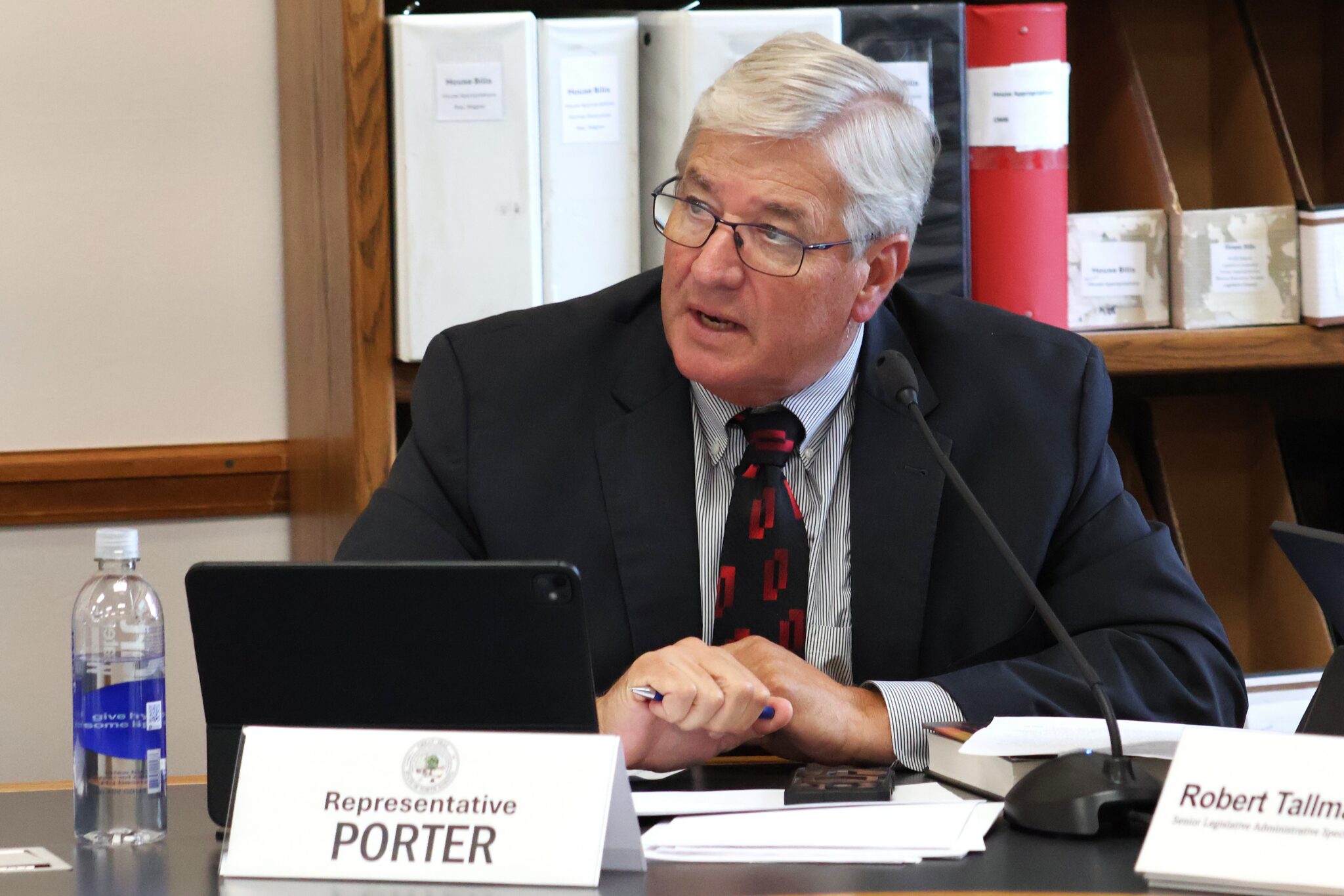
Fresno, California
Fresno’s City Council will debate a resolution Thursday that would ban new data centers for 10 years, marking one of the strongest local proposals yet against AI‑related facilities.
 Brisa Colón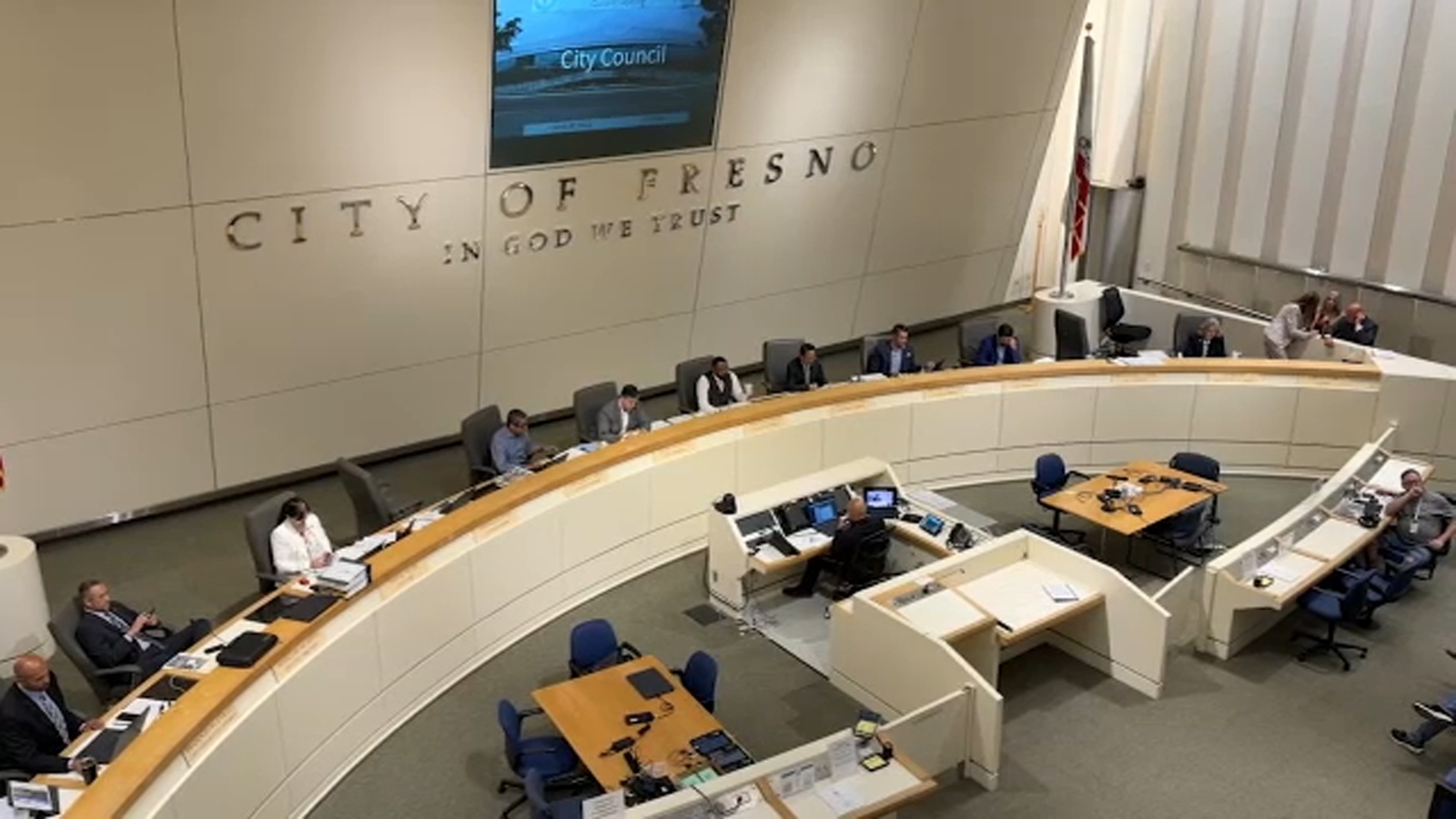
The measure, authored by Councilmember Nick Richardson, is backed by Mayor Jerry Dyer, who said data centers consume too much water and electricity, take up large tracts of land, and generate few jobs.
Fresno currently has three small facilities, but officials worry about larger hyperscale projects. Richardson said the resolution is meant to close loopholes and counter misinformation, while Councilmember Miguel Arias argued the ban should take effect faster and called for nondisclosure agreements with companies to be made public. Dyer disputed claims of secret talks, saying no companies have approached his administration. He is also preparing a separate code change for December that would formally define and prohibit data centers in city zoning rules.
Newton Falls, Ohio
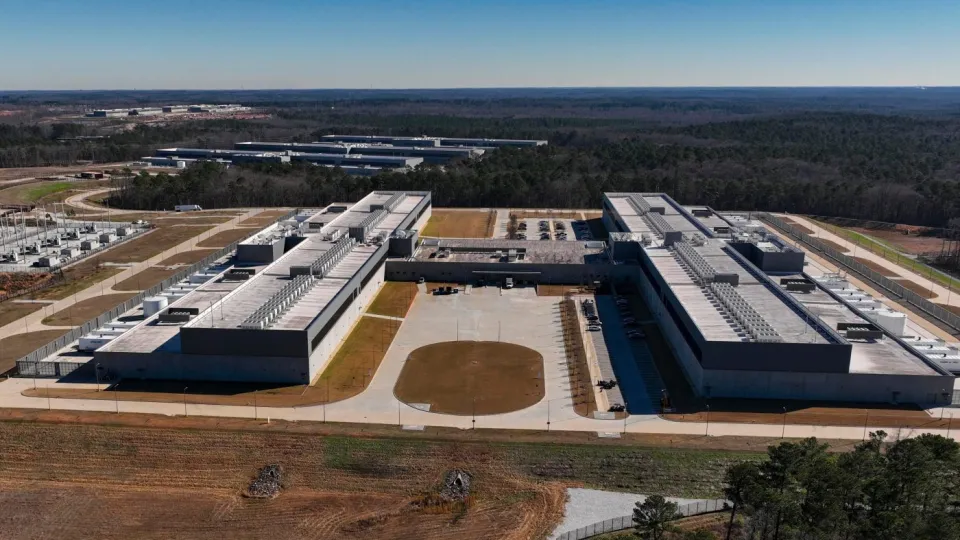
Newton Falls council unanimously approved a 12‑month moratorium on data centers, joining other Ohio communities in pausing development while officials study impacts.
Councilman Brian Kropp, who sponsored the measure, said the time will be used by the zoning department and city manager to examine infrastructure, utilities, and zoning code requirements. Kropp emphasized that the moratorium is not outright opposition but a planning tool to prepare for potential proposals. Councilman Brian Axiotis, however, called for a permanent ban, arguing data centers offer no benefits and the village lacks land to accommodate large facilities. Kropp did not rule out supporting a ban in the future but said he wants to ensure no potential benefits are overlooked. The moratorium positions Newton Falls to gather information and community input before deciding whether to regulate or prohibit data centers entirely.
Gage County, Nebraska
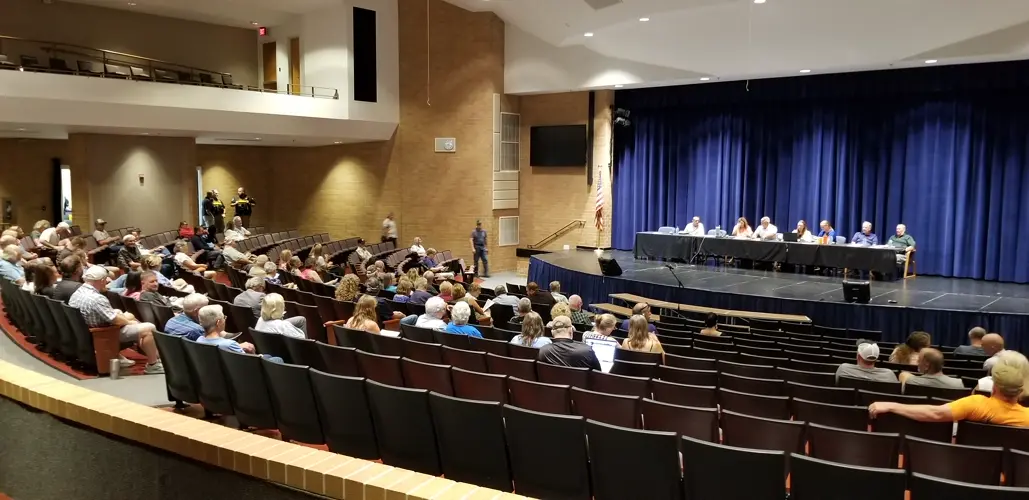
Gage County residents packed a public hearing to urge leaders to extend the county’s moratorium on data centers from eight months to 18 months, citing concerns about water, land use, and quality of life.
Nearly 30 speakers testified, with many saying the current pause is too short to fully study impacts of hyperscale projects near residential subdivisions valued at $60 million. Residents argued large centers are incompatible with rural communities and could undermine investments in housing. Some called for a permanent moratorium, while others suggested a one‑year limit to avoid legal challenges. Commissioners said they will review testimony and decide in two weeks whether to extend the pause.
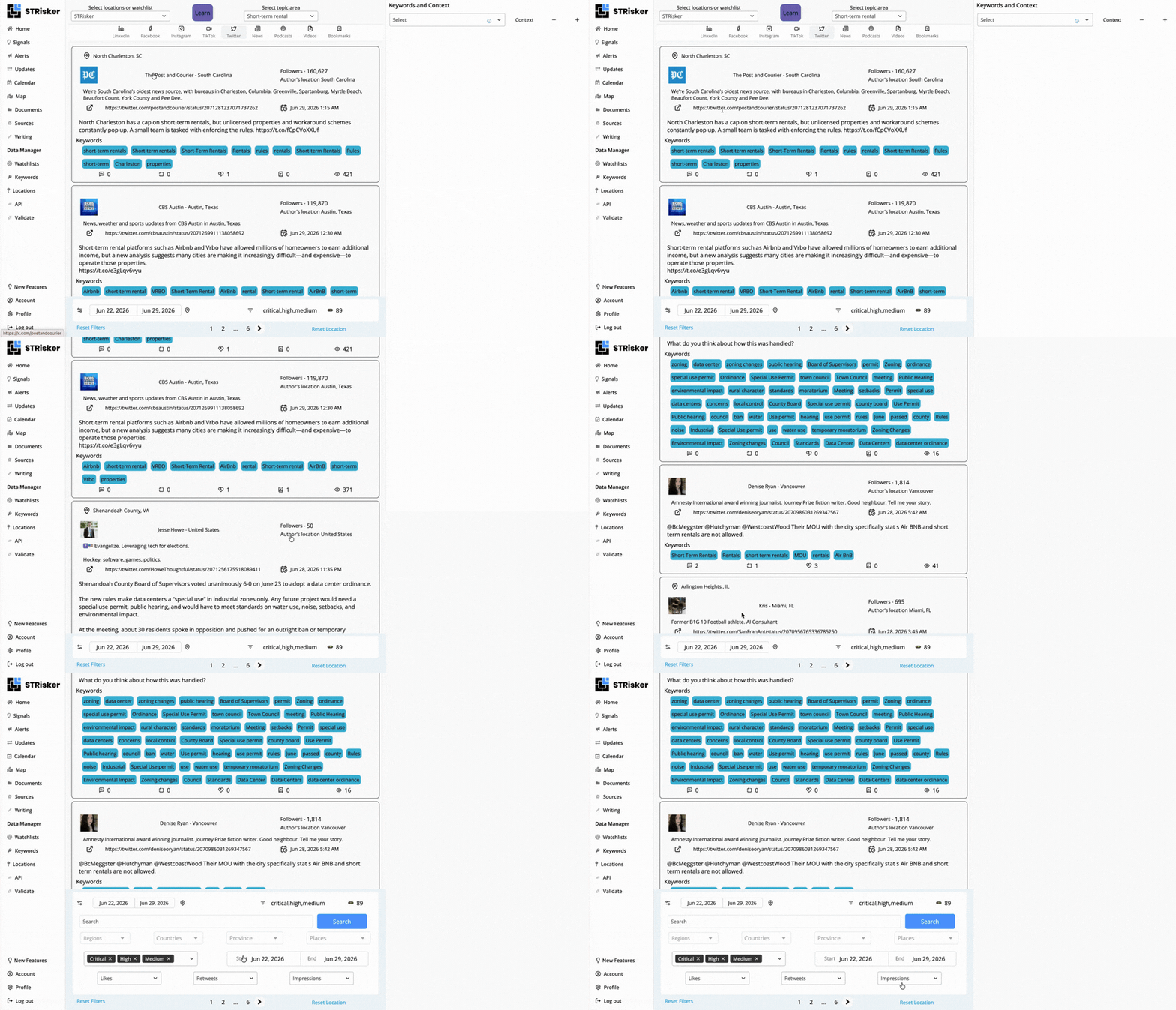
Social Listening📱: Twitter
Strisker’s Twitter Signal pulls real-time posts from officials, agencies, advocacy groups, and local influencers—so you see emerging sentiment and policy signals the moment they surface. Track conversations by place, people, and topics, then zero in on what actually matters.
Imperial County, California
Imperial County Superior Court issued a tentative ruling siding with the City of Imperial in its challenge to a proposed data center near residential neighborhoods.
Energy consumption and electrical infrastructure strain
Water supply, wastewater management, and local drainage
Air quality degradation and greenhouse gas emissions
Environmental hazards, dangerous materials, and local fire safety
Ambient noise levels, local traffic congestion, public services, and land use conflicts
Long-term cumulative and growth-inducing community impacts
City officials argued the environmental review was inadequate and failed to account for long‑term community effects. Mayor Ida Obeso‑Martinez said the litigation is about protecting residents and ensuring impacts are fully evaluated, even while acknowledging the potential benefits of responsible industrial growth. The ruling marks a key win for municipal leaders facing pressure over industrial expansion along residential corridors. Proceedings remain ongoing, with the decision not yet final.
Port Angeles, Washington
Port Angeles City Council voted 5‑1 to direct staff to draft a six‑month moratorium on new data center applications, citing concerns about water, power, and environmental impacts.
 Emily Hanson
Officials said no applications are currently pending, but without a moratorium the city would have to process proposals under existing rules. Councilmember Mark Hodgson warned that other cities have faced pollution, higher utility rates, and minimal job creation from data centers. The council asked staff to examine impacts on electric rates, water use, industrial land, noise, and environmental quality, with input from the Planning Commission and Utility Advisory Committee. Members also discussed the former McKinley Paper mill site, which is zoned heavy industrial and could be treated as a conditional use for data centers. The moratorium language is expected back by September 15 to prevent a filing window before new rules are in place.
Piqua, Ohio
Piqua residents opposed to Meta’s approved data center project are pushing charter amendments and recall petitions, but timing issues may keep them off the November ballot.
 Government Websites by CivicPlus®
Save Piqua submitted petitions to ban data centers and recall three city leaders, but the Miami County Board of Elections said the filings missed the Aug. 5 deadline. The board has asked the county prosecutor for guidance, while a separate petition from another resident seeks a broader prohibition on intensive computing facilities and is still under review. City commissioners voted to request ballot placement, but the county’s election notice does not list the amendment. Recall petitions remain in verification, with organizers told they may need more signatures.
📱 Social Buzz
Episode Title: An Interactive Guide to Data Centers in Utah
Episode: RadioWest
Listen:https://radiowest.kuer.org/podcast/radiowest/2026-09-03/a-guide-to-data-centers-in-utah
California Judge Orders Full Environmental Review of 330 MW Data Center https://t.co/dmjWMufkvD
— ArkLight Power™ LLC (@ArklightARKLP) September 3, 2026
Mount Pleasant not ideal spot for 'thirsty' data centers. Committee advances potential ban anyway. https://t.co/PDQffCUc6F
— Holy City Sinner (@HolyCitySinner) September 3, 2026
After public input Murrysville plans to refine its proposed data center regulations https://t.co/851pVLMZyU
— TribWestmoreland (@TribWestmoreCo) September 3, 2026
Developers behind the massive Southern New Mexico data center Project Jupiter urged the state Supreme Court to get their key permitting processes moving along, saying Wednesday “there is no time to waste.” https://t.co/llKtUdSn49
— Santa Fe New Mexican (@thenewmexican) September 3, 2026
Data center moratorium in unincorporated Lake County advances: ‘Probably the number one issue … in America’ https://t.co/fv5Pt7ieCG
— Chicago Tribune (@chicagotribune) September 3, 2026
Stay Updated with STRisker!
STRisker offers tools and features to keep you updated with the Short Term Rental and Data Centers movement across the world.
👍 We’d love your feedback.
Which stories hit? Which ones missed?
We're exploring a new branch of topics centered around Data Centers and want to make it even more useful for you.
✉️ Just reply directly to this email. We read and respond to every message!
-Will McClure
🙋 P.S.
Know someone else who should be reading Daily Notes? Feel free to forward this along. We’re opening a few more spots.