
Data Centers: Daily Notes | September 14 2026
Beaufort commissioners postponed their vote on a proposed one-year moratorium; Loudon County supervisors are preparing to consider amendments that would pause new data center applications; Oxford Township; Portland; Piqua; Woodford County; Prince William; Moffat County; Foley. READ MORE.


At A Glance 🔽
- Beaufort, North Carolina commissioners postponed their vote on a proposed one-year moratorium on new data center applications to Oct. 5, allowing additional time for public input and review of potential utility and infrastructure impacts.
- Loudon County, Virginia supervisors are preparing to consider amendments that would pause new data center applications and eliminate by-right permitting, requiring future projects to obtain special exceptions and undergo public hearings.
- Oxford Township, Michigan officials are drafting ordinances that would make data centers a special land use and require stricter noise standards, utility demand studies, screening, landscaping, and impact reviews.
- Portland, Oregon City Council is set to vote on a resolution discouraging nondisclosure agreements with data center developers and requiring notification when companies seek to build or expand facilities drawing 20 megawatts or more.
- Piqua, Ohio commissioners are set to consider recall elections and a charter amendment that would ban high-intensity computing facilities and cryptocurrency mining, with the proposed data center restrictions potentially going before voters.
- Woodford County, Kentucky fiscal court unanimously approved a permanent ban on data center construction, along with restrictions on landfills and large battery storage systems, citing concerns over farmland and community character.
- Prince William County, Virginia Planning Commission recommended ending by-right data center development and requiring special use permits with public hearings, while also shrinking the county’s Data Center Opportunity Zone Overlay District.
- Moffat County, Colorado commissioners postponed a decision on a proposed data center moratorium until Oct. 13 to gather more public input and information on potential impacts to land, water, wildlife, and community character.
- Foley, Alabama City Council approved a six-month moratorium on data centers, cryptocurrency mining facilities, and server farms while officials update ordinances and study potential impacts on zoning, utilities, water, air quality, and noise.
Beaufort, North Carolina
Beaufort County data center moratorium hearing postponed, officials say
Beaufort County commissioners postponed their vote on a proposed one‑year moratorium for new data center applications, rescheduling the formal hearing and decision from Sept. 14 to Oct. 5.
 Emilia Paz, & Michelle Pumphrey
The moratorium would temporarily halt acceptance, processing, and approval of projects while officials study impacts on utilities and infrastructure. Commissioners said the delay allows more time for public input, with an informal hearing still set for Sept. 14. Under board policy, written comments will not be accepted, requiring residents to speak in person or designate someone to read their remarks. The final hearing and vote will take place Oct. 5 at the county administration building in Washington.
Loudon County, Virginia
Loudoun County supervisors are preparing to debate two amendments that would reshape data center development, including a temporary pause on new applications and the elimination of by‑right permitting.
 Shannon Heckt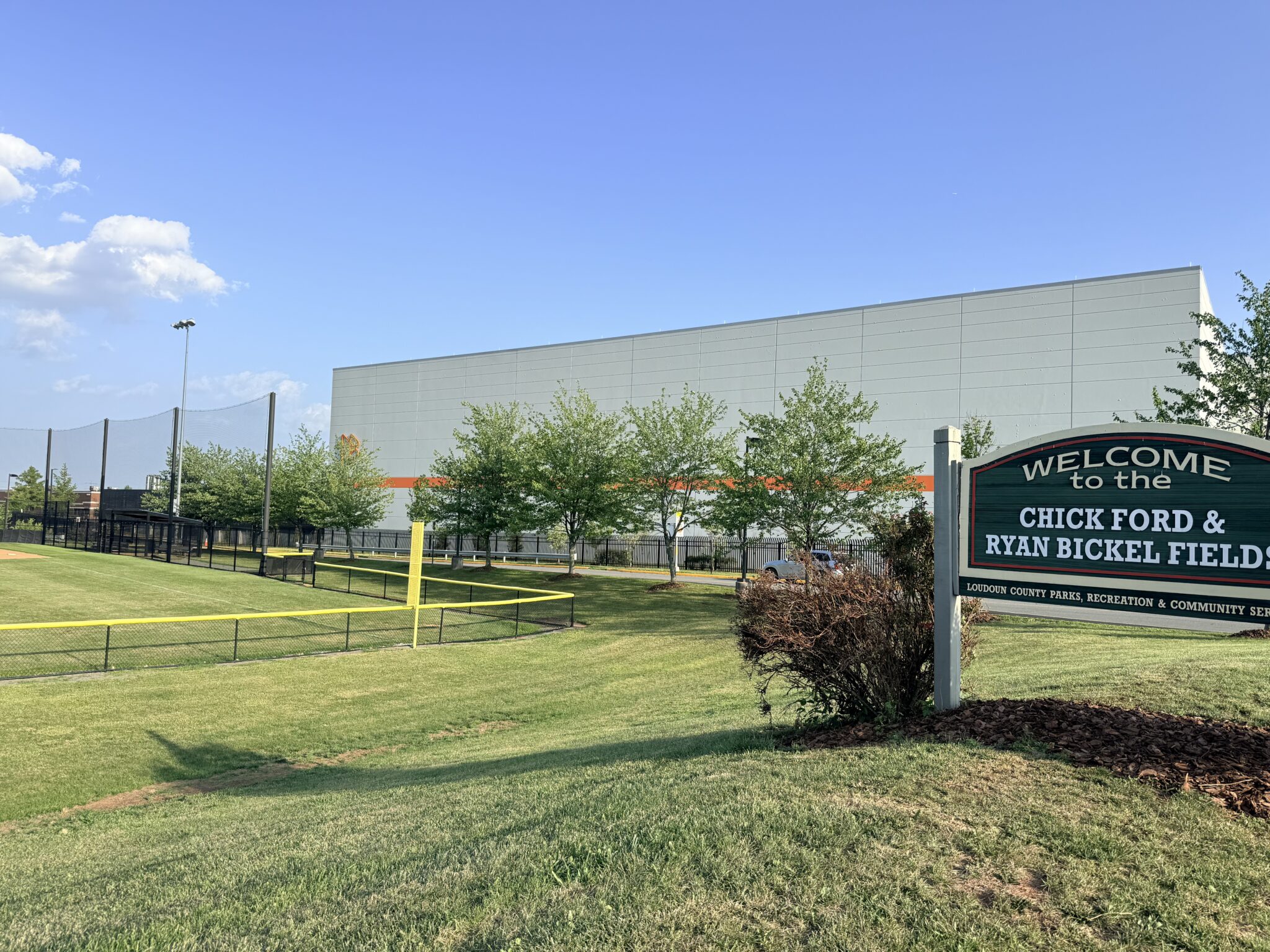
Board member Juli Briskman, who is running for chair, said the county needs to “pump the brakes” and revisit zoning standards, while Laura TeKrony is pushing to end the grandfather clause that allows older applications to bypass hearings. The proposed changes would require all data centers to obtain special exceptions, ensuring public hearings and board votes. Residents in neighborhoods near construction sites have raised concerns about noise, generator use, and proximity to homes. The pause report will be presented Sept. 15, while the grandfather amendment is scheduled for Oct. 6.
Oxford Township, Michigan
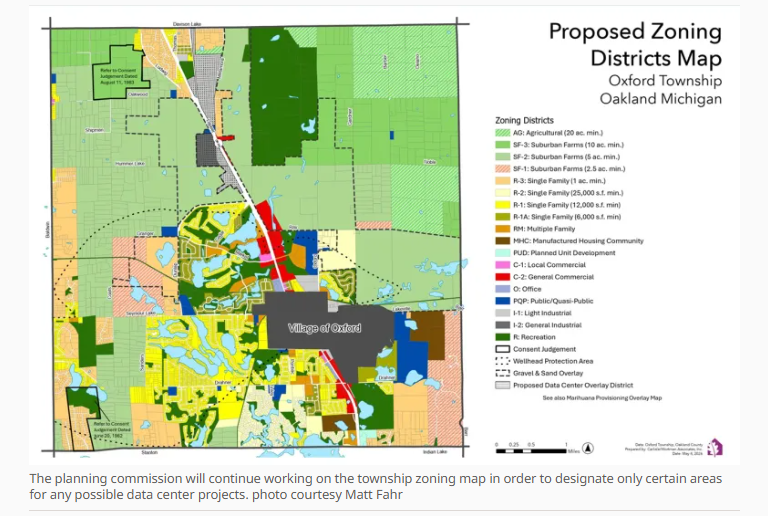
Oxford Township leaders are drafting new ordinances to regulate data centers, with proposals including stricter noise standards, mandatory utility demand studies, and requirements for screening and landscaping.
 Matthew Fahr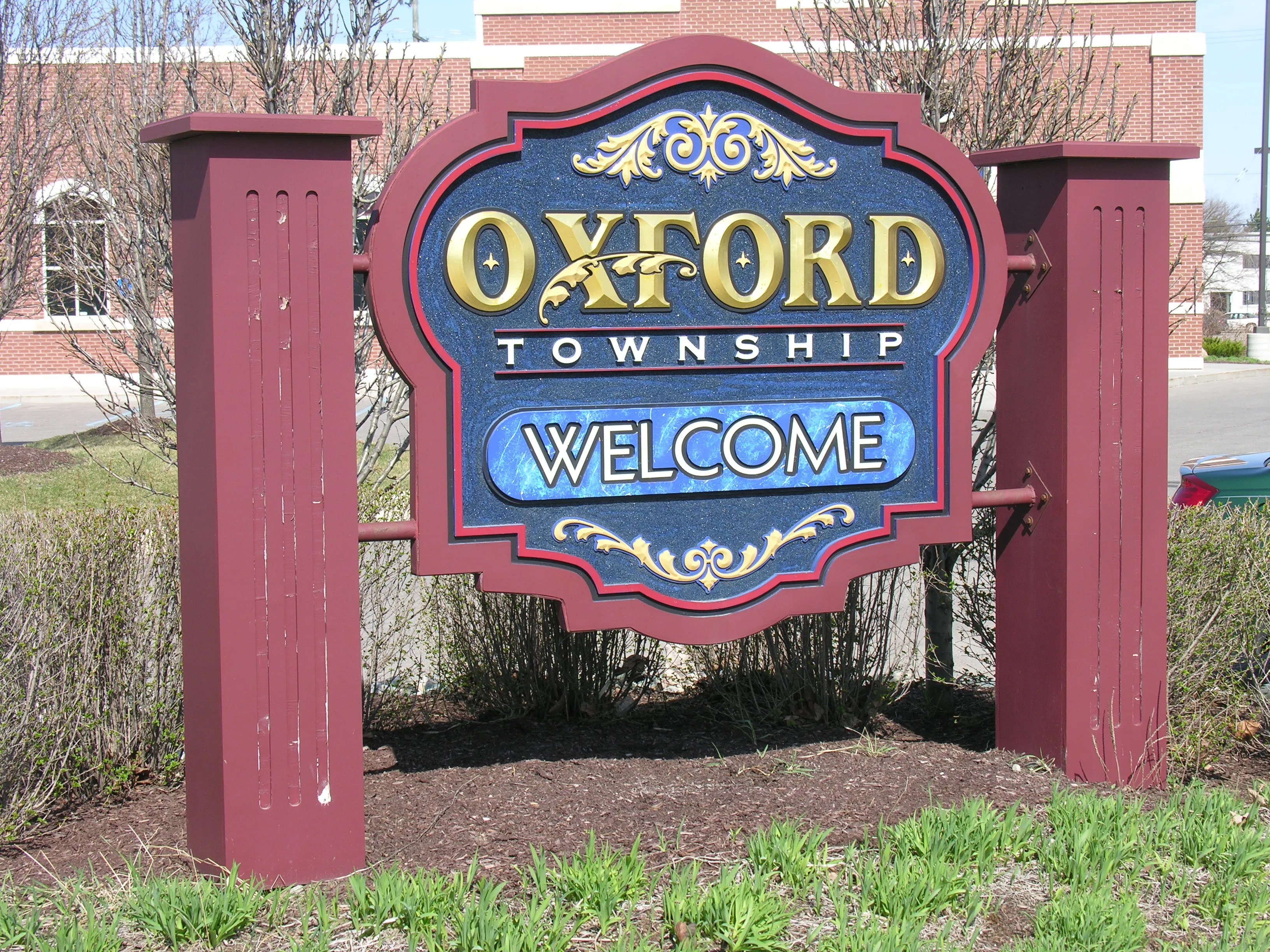
The rules would make data centers a special land use in designated overlay districts, requiring public hearings and impact reviews. Consultants explained that large facilities can consume millions of gallons of water daily and generate noise levels exceeding 85 decibels, far beyond typical office buildings. Residents expressed alarm, saying projects could harm aquifers, reduce quality of life, and provide few jobs. Commissioners acknowledged the emotional testimony and said the ordinances must be ready before the moratorium ends in 2027. The process is expected to continue into next year with more hearings and revisions.
Portland, Oregon
Portland’s City Council will vote Wednesday on a resolution aimed at blocking secret negotiations with data center developers. The measure urges city officials not to sign non‑disclosure agreements and requires immediate notification if a company seeks to build or expand a facility drawing 20 megawatts or more.
Sponsors say NDAs prevent communities from learning about massive utility demands until projects are already approved. Oregon documents note data centers now consume 5.6 percent of the state’s electricity, with utility bills spiking 50 percent for Portland General Electric and Pacific Power customers. Portland currently hosts 17 smaller centers but no hyperscale facilities, unlike Hillsboro, Seattle, and Tacoma, which have enacted moratoriums or bans.
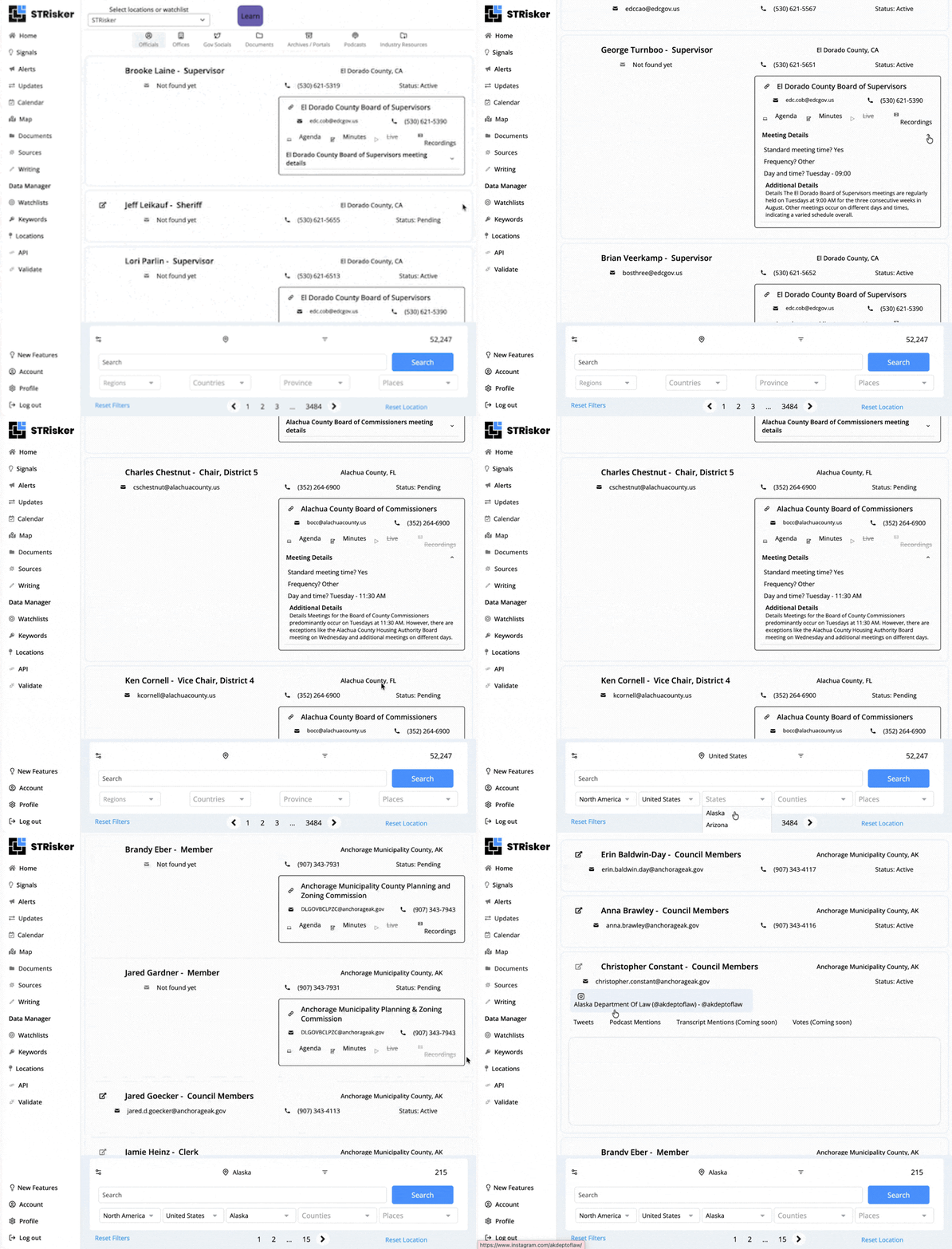
Strisker Government Officials Dashboard
Trying to keep up with the main players in the STR and Data Center game? Know your council members, commissioners, committee chairs, and key staff that are part of the process.
Piqua, OH
Piqua city commissioners will vote Sept. 15 on whether to advance three recall elections and a charter amendment banning data centers and cryptocurrency mining.
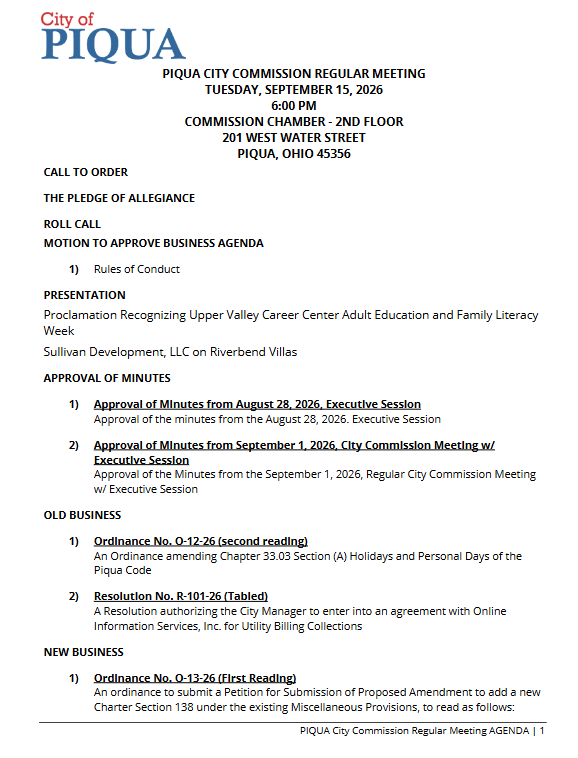
The recalls target Mayor James Vetter, Vice Mayor Frank DeBrosse, and Commissioner Rick Walker, with each petition surpassing the 1,250‑signature threshold verified by the Miami County Board of Elections. Organizers accuse the officials of disregarding public input and failing to protect residents’ rights, though the affidavits represent claims rather than findings.
The commission must set election dates within 40 to 60 days, coinciding with other scheduled elections. Separately, commissioners will hear the first reading of a charter amendment prohibiting high‑intensity computing facilities, including AI campuses and crypto mines, with 1,319 valid signatures verified. If passed, the amendment would go before voters within 60 to 120 days.
Woodford County, Kentucky
Woodford County became the first in Kentucky to permanently ban data centers, joining a small group of local governments nationwide that have taken such a strict stance.
 Liam Niemeyer
The ordinance, passed unanimously by the fiscal court, also prohibits landfills and large battery storage systems, citing threats to farmland and community character. Judge‑Executive James Kay said the move reflects a commitment to preserving the county’s rolling pastures and Thoroughbred farms, which are central to its economy.
The Data Center Coalition criticized the ban as anti‑business, arguing communities should work with developers to craft regulatory frameworks instead of outright prohibitions. Kay said residents voiced universal opposition and the county wanted to avoid divisive debates like those in nearby Mercer County. The ban underscores growing tension in Kentucky over balancing economic development with farmland preservation.
Prince William County, Virginia
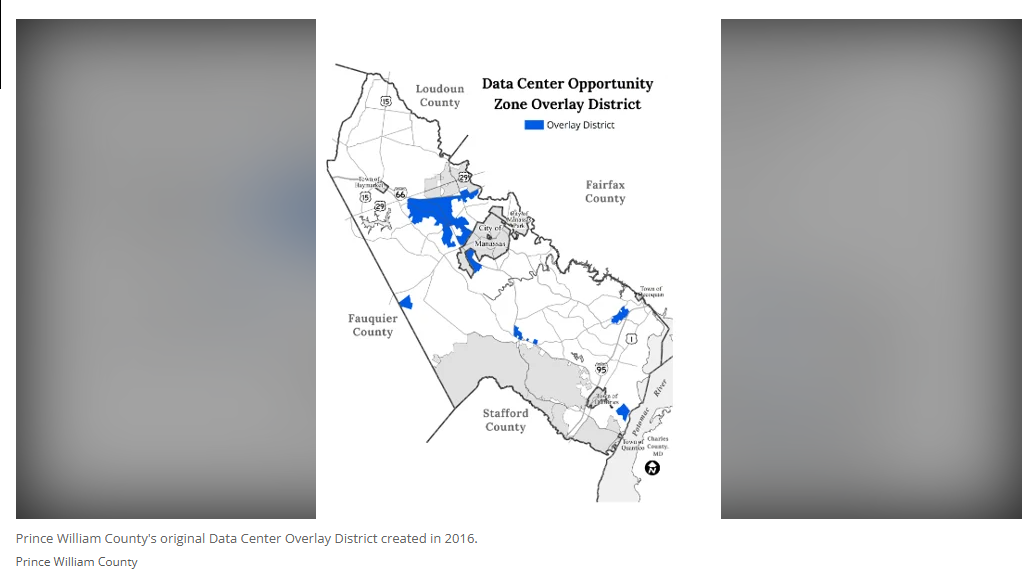
Prince William County’s Planning Commission voted Sept. 10 to recommend ending by‑right data center development, backing a zoning amendment that would require all future projects to obtain special use permits with public hearings.
The proposal also drastically reduces the size of the county’s Data Center Opportunity Zone Overlay District, first adopted in 2016. Commissioners debated grace periods, ultimately settling on a 120‑day compromise with a 500‑foot buffer from homes and schools after several stalemates. The recommendation follows invalidated July deliberations due to improper public notice, echoing issues that derailed the PW Digital Gateway project. The Board of Supervisors will hold a public hearing Sept. 22 on the landmark proposal. Supporters say the change ensures transparency, while opponents warn it could slow economic growth.
Moffat County, Colorado
Moffat County commissioners postponed a vote on a proposed moratorium for data centers, opting to gather more information and public input before revisiting the issue Oct. 13.
 John Camponeschi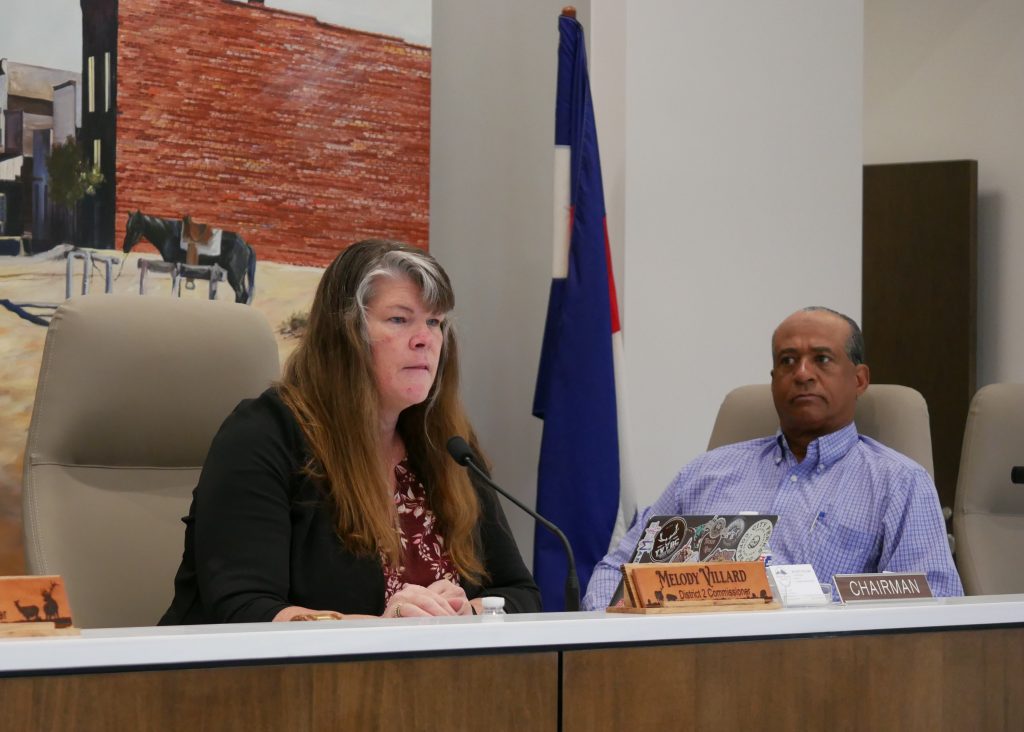
Officials debated six‑month versus 12‑month pauses, but the planning commission recommended limiting any moratorium to six months if adopted. Planning Director Candace Miller said regulations could be completed within that timeframe, noting work is already underway to define and classify data centers. Much of the public comment focused on the Trapper Reborn redevelopment project, with developers warning a moratorium could jeopardize investment. Residents urged caution, citing risks to land, water, wildlife, and community character. Commissioners agreed to hold multiple meetings before deciding, emphasizing education and transparency.
Foley, Alabama
The Foley City Council approved a six‑month moratorium on data centers, cryptocurrency mining facilities, and server farms, halting all applications while officials study impacts on zoning, utilities, and the environment.
 EMiller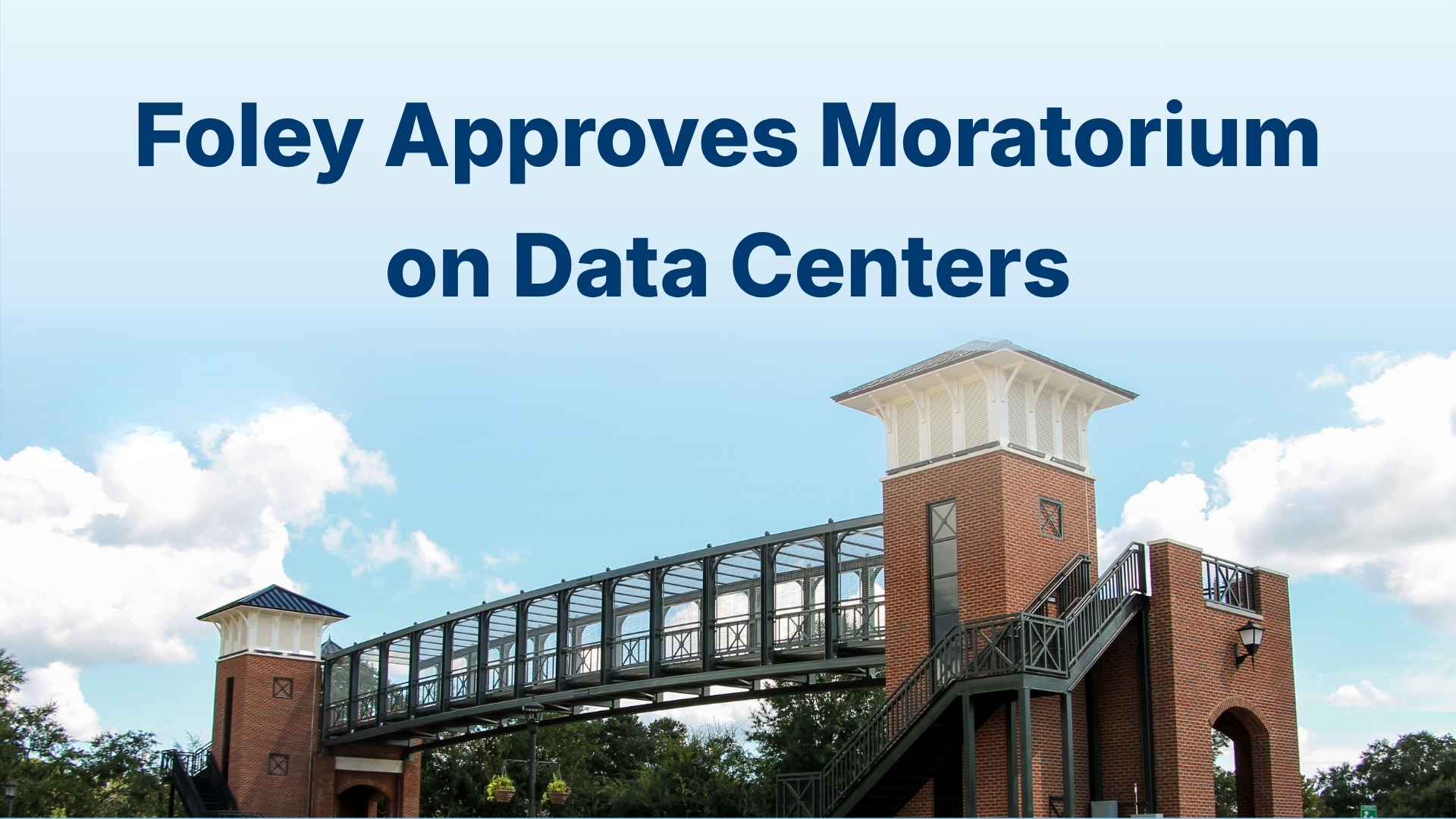
Mayor Ralph Hellmich said the pause allows the city to update ordinances and technical manuals to address water use, air pollution, and noise. Foley’s Riviera Utilities already has policies preventing data centers from shifting electrical costs onto existing customers, requiring developers to provide their own power capacity. No applications have been filed, but officials said they want to be prepared if proposals emerge. The moratorium ensures future projects face stricter review and community safeguards.
📱 Social Buzz
Episode Title: Lars Larson Northwest Podcast 2026-09-11
Episode: The Lars Larson Show Pacific Northwest Podcast
Listen:https://player.amperwavepodcasting.com/?feed-link=https%3A%2F%2Frss.amperwave.net%2Fv2%2Fepisode%2F8653167_2026-09-11-210407
Advocates Call for Statewide Data Center Ban After Thousands of Gallons of Diesel Fuel Spill Into the Hackensack River - https://t.co/PJSrO34G2k
— Insider NJ (@INSIDER__NJ) September 14, 2026
Philadelphia faces calls for a data center moratorium amid spreading AI fear and talk of a slowdown https://t.co/A6yc9njKiV
— The Philadelphia Inquirer (@PhillyInquirer) September 14, 2026
Leon County neighbors to weigh in on proposed 18-month data center moratorium Tuesday https://t.co/V1a19UdelD
— ABC 27 (@abc27) September 14, 2026
Philadelphia protest to call for data center moratorium - WHYY https://t.co/QWaBzhBzFi
— Linda Loyd (@LoydLinda) September 14, 2026
Central Kentucky county implements data center ban to preserve farmland https://t.co/fxCunuo511
— Lexington Herald-Leader (@heraldleader) September 14, 2026
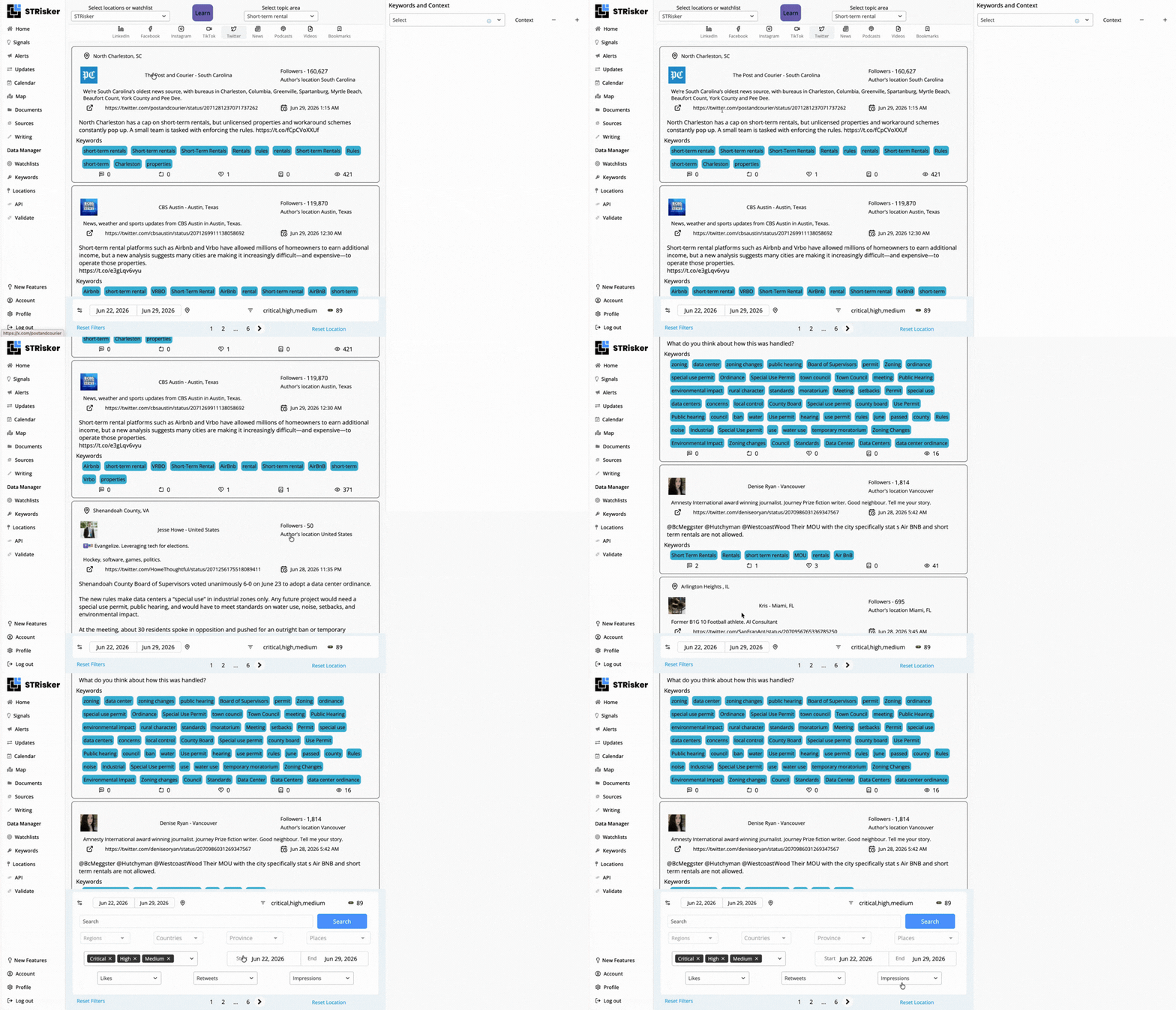
Social Listening📱: Twitter
Strisker’s Twitter Signal pulls real-time posts from officials, agencies, advocacy groups, and local influencers—so you see emerging sentiment and policy signals the moment they surface. Track conversations by place, people, and topics, then zero in on what actually matters.
Stay Updated with Strisker!
Strisker offers tools and features to keep you updated with the Short Term Rental and Data Centers movement across the world.
👍 We’d love your feedback.
Which stories hit? Which ones missed?
We're exploring a new branch of topics centered around Data Centers and want to make it even more useful for you.
✉️ Just reply directly to this email. We read and respond to every message!
-Will McClure
🙋 P.S.
Know someone else who should be reading Daily Notes? Feel free to forward this along. We’re opening a few more spots.