
🎯 STRisker: Bulletin - Cape Coral, FL
Cape Coral Draws a Clear Line: Annual Registration Now Mandatory for All Rentals


New Year, New Rules: Cape Coral Updates STR Registration for 2026
Cape Coral has officially entered a new chapter for rental regulation. As of January 1, 2026, the city now requires all residential rental properties short-term and long-term alike to register annually. While the rule applies across the board, short-term rentals are clearly at the center of the update, with higher fees and stricter penalties designed to improve oversight and enforcement.
Under the new system, short-term rentals are subject to a $350 annual registration fee, while long-term rental units pay $35 per year. City officials have emphasized that the fee difference reflects the additional enforcement demands tied to short-term rentals, which often generate more complaints related to noise, occupancy, and neighborhood disruption.

Registration is no longer a one-time or optional step. Property owners must register every year and stay current with renewals. Missing a registration or failing to renew on time now comes with consequences. The city has rolled out a stronger enforcement framework, starting with fines for noncompliance and escalating quickly for repeat offenders.
Failing to register or renew can result in immediate fines and a referral to code enforcement. For short-term rentals, penalties climb rapidly if violations continue. Repeat offenses can now reach up to $1,000, signaling that Cape Coral is serious about compliance. Long-term rentals also face penalties, though at lower levels, reinforcing the city’s stance that all rental activity should be properly documented and accountable.
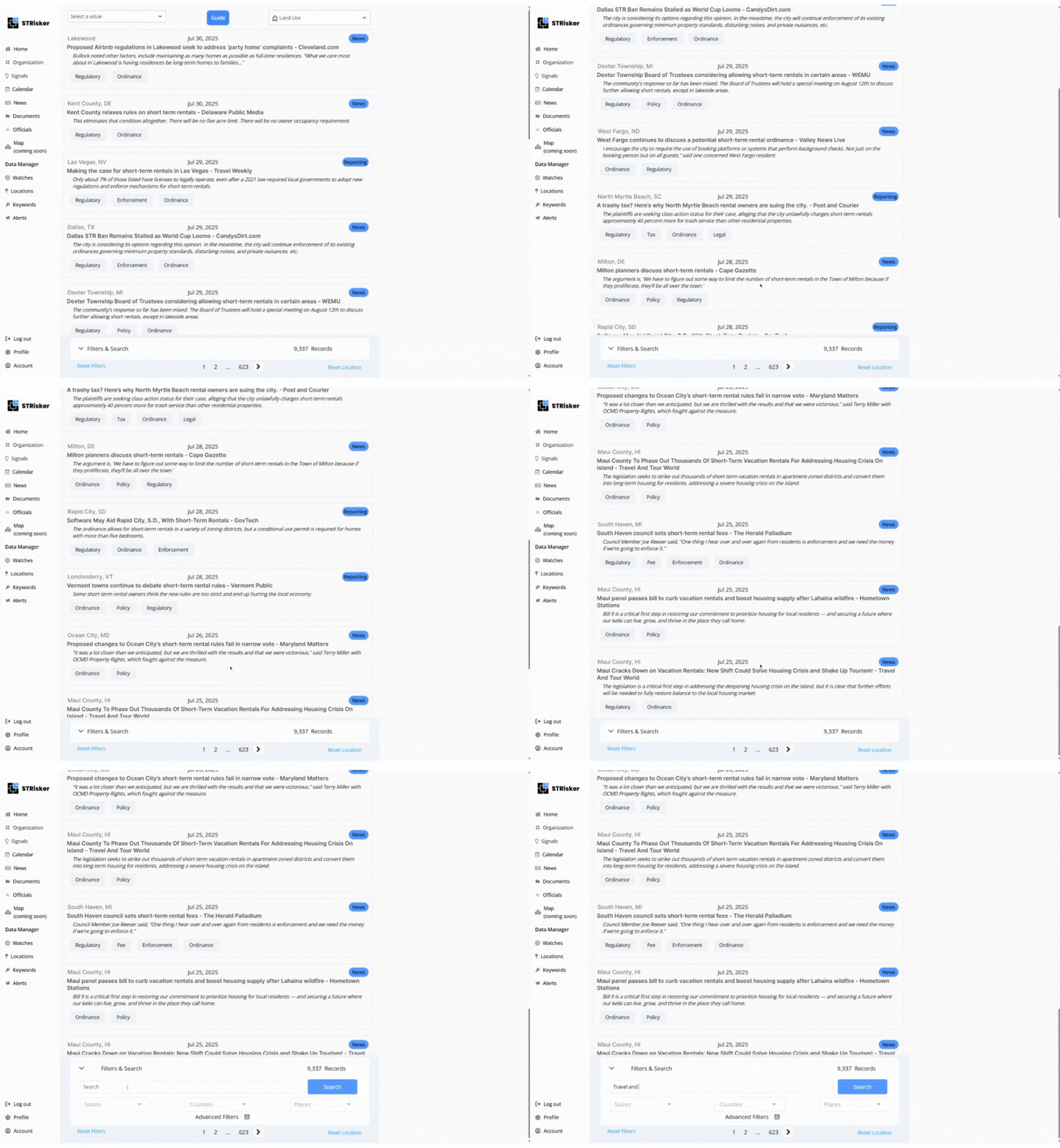
STRisker News Tracker
Trying to keep up with STR regulations across multiple cities and states? Our News Tracker makes it easier than ever. Filter by location, search a comprehensive database, and sort by impact level—this tool helps you focus on what matters most.
City officials have stated that the new rules apply equally to all types of residential rental properties, closing loopholes that previously allowed some operators to slip through the cracks. By maintaining an up-to-date registry, enforcement teams can more easily identify responsible parties, respond to complaints, and ensure rental properties meet local standards.


From the city’s perspective, these changes are about balance. Officials say the goal isn’t to eliminate rentals, but to ensure they operate responsibly and that enforcement services have the resources needed to address issues when they arise.
Stay Updated with STRisker
STRisker offers tools and features to keep you updated with the Short-Term Rental movement across the U.S.
👍 We’d love your feedback.
We're always looking for ways to improve Bulletins.
Was this one useful to you? Other topics you'd like to see get covered?
✉️ Just reply directly to this email. We read and respond to every message!
-Will McClure
🙋 P.S.
Know someone else who should be reading this Bulletin? Feel free to forward this along. We want to make sure operators and stakeholders are aware of regulatory changes in their area.