
🎯 STRisker: Bulletin - Colombia
Pre-Verification and Pressure: Colombia’s New Rules for STR Platforms


Could Colombia’s New STR Rules Push Platforms Offline?

Colombia’s tourism sector is bracing for disruption as a sweeping new decree targets short-term rental platforms operating in the country. Issued by MinCIT and scheduled to take effect on December 18, 2025, the regulation introduces platform-level responsibilities that many in the industry say may be impossible to meet on the current timeline.
At the center of the decree is the National Tourism Registry (NTR). While hosts have long been required to register, enforcement has traditionally relied on audits and complaints. The new decree flips that model entirely. Platforms like Airbnb must now verify compliance before publishing any listing — a system known as “pre-verification.”
To go live, a listing must include a valid NTR number, legal host identification, accurate property descriptions, and clear booking terms. Platforms must confirm that this information matches government records and withhold listings that fall short. Every six months, platforms must re-verify the data, check for duplicates, and ensure the property’s legal status has not changed.
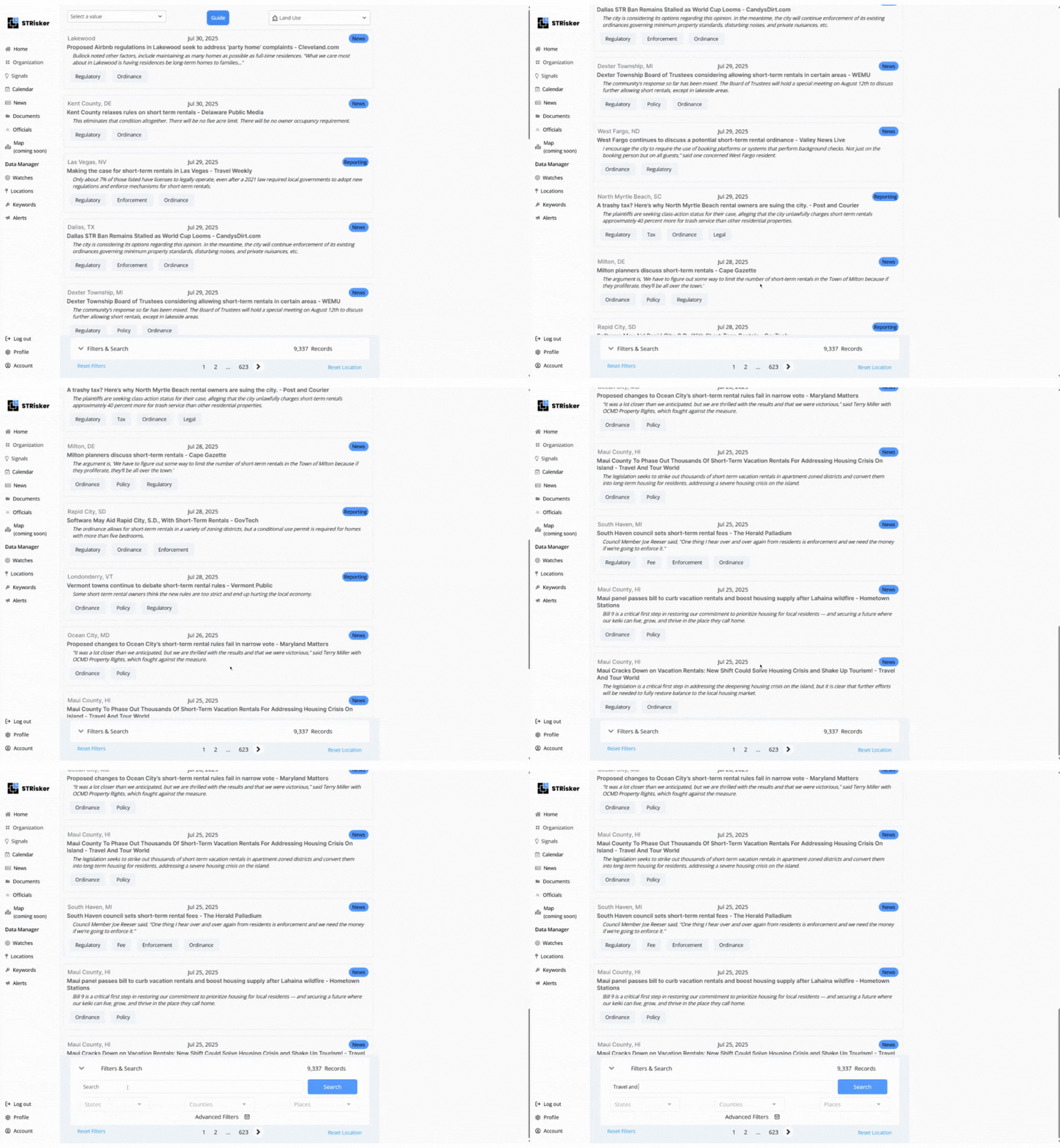
STRisker News Tracker
Trying to keep up with STR regulations across multiple cities and states? Our News Tracker makes it easier than ever. Filter by location, search a comprehensive database, and sort by impact level—this tool helps you focus on what matters most.
What has industry groups especially concerned is the requirement for real-time technical interoperability with the NTR. Platforms must build automated digital gateways that allow constant communication with government systems. According to technology associations, this demands significant development work and assumes the government registry itself is ready to support such integration, a point that remains in question.
Foreign platforms face additional hurdles, including formal compliance plans submitted to MinCIT outlining verification procedures and response protocols. Failure to comply could result in listing suspensions or penalties for enabling unregistered tourism activity.

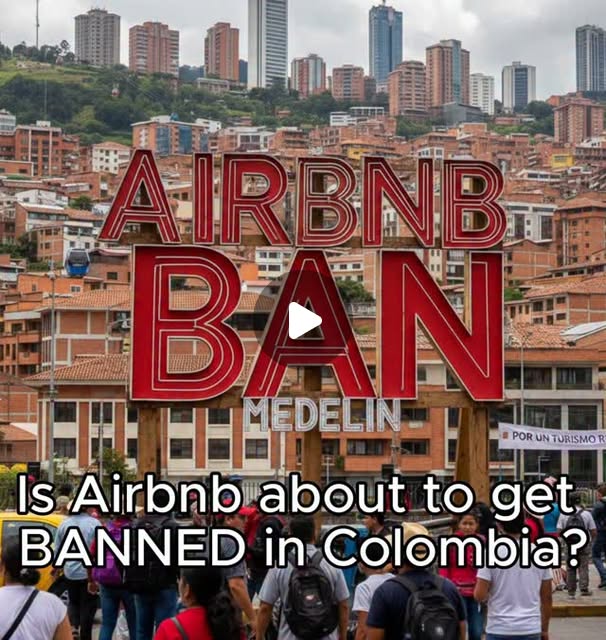

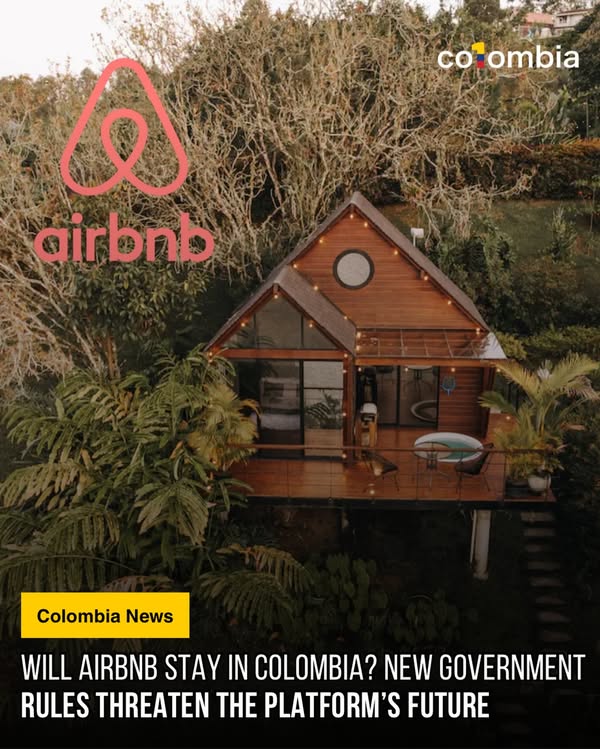
The potential impact on supply is substantial. Many informal hosts may exit due to the complexity and cost of compliance. Others may be blocked by zoning laws or condominium rules that platforms must now enforce. In popular destinations, fewer listings could mean higher prices and reduced options for travelers.
While the decree does not ban Airbnb outright, industry observers say the lack of a phased rollout or technical grace period raises real risks. Whether Colombia’s STR market adapts or contracts will depend on how flexibly the government implements its new rules in the months ahead.
Stay Updated with STRisker
STRisker offers tools and features to keep you updated with the Short-Term Rental movement across the U.S.
👍 We’d love your feedback.
We're always looking for ways to improve Bulletins.
Was this one useful to you? Other topics you'd like to see get covered?
✉️ Just reply directly to this email. We read and respond to every message!
-Will McClure
🙋 P.S.
Know someone else who should be reading this Bulletin? Feel free to forward this along. We want to make sure operators and stakeholders are aware of regulatory changes in their area.