
🎯 STRisker: Bulletin - Iceland
Iceland Passes New Short-Term Rental Law Targeting Commercial Operators


Iceland Locks In New STR Rules: Hosts Keep 90-Day Cap, Apartment Hotels Face Tighter Leash
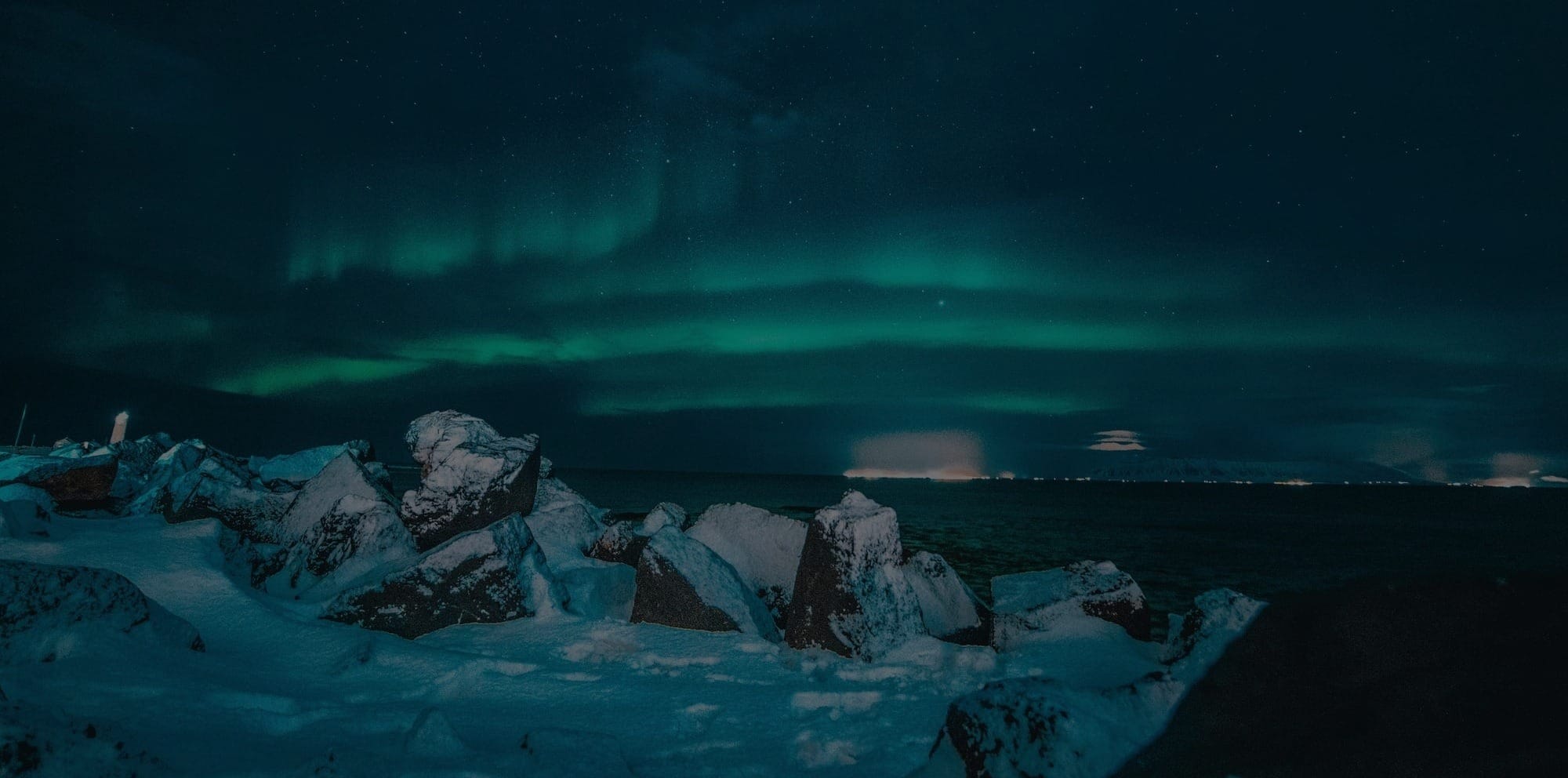
Photo by Nicolas J Leclercq on Unsplash
“Home accommodation is allowed only in a property where the owner has legal domicile, and must be limited in scope and duration.”
- Icelandic Law, Restaurants, accommodations and entertainment (Act No. 85/2007)
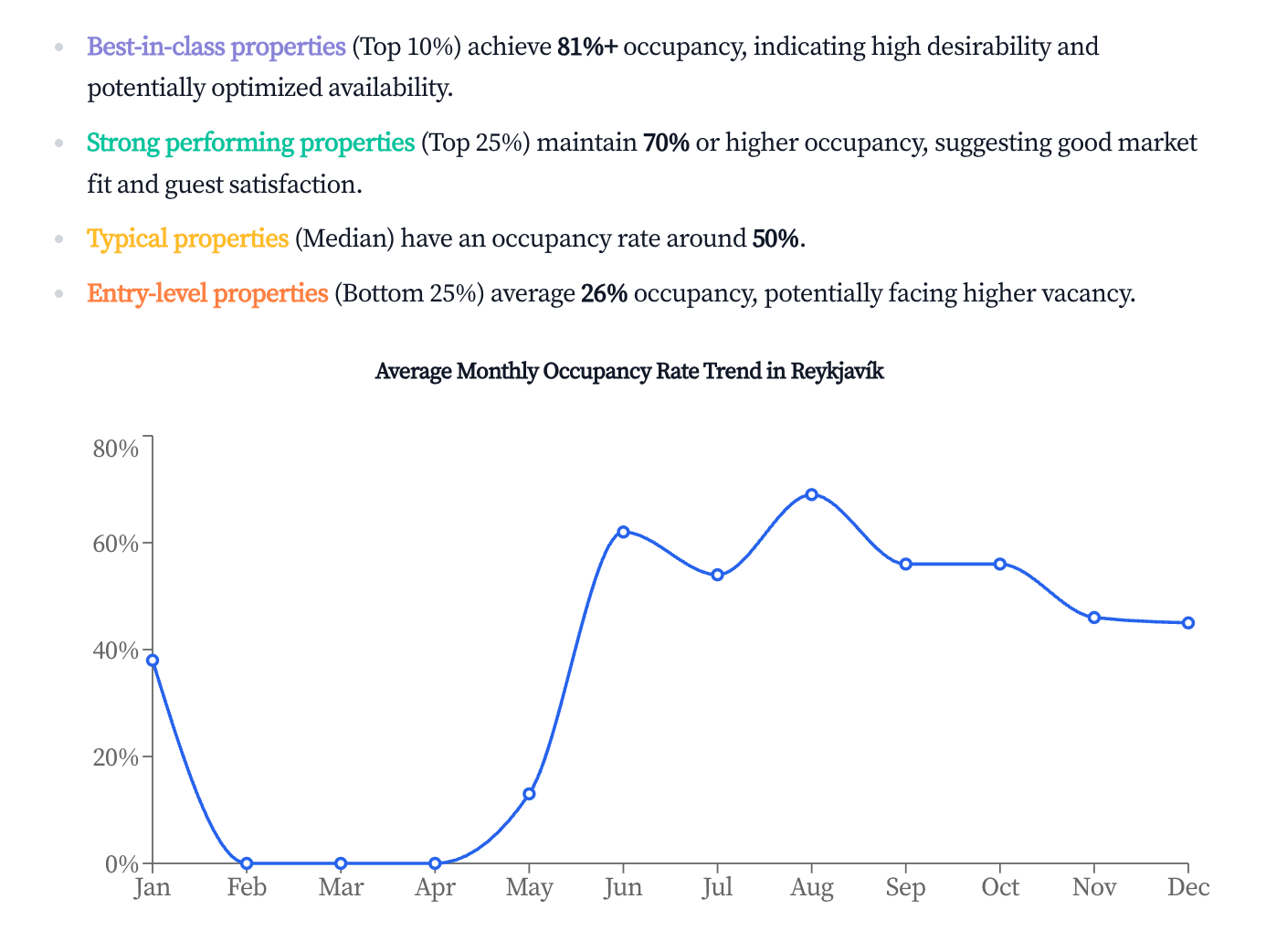
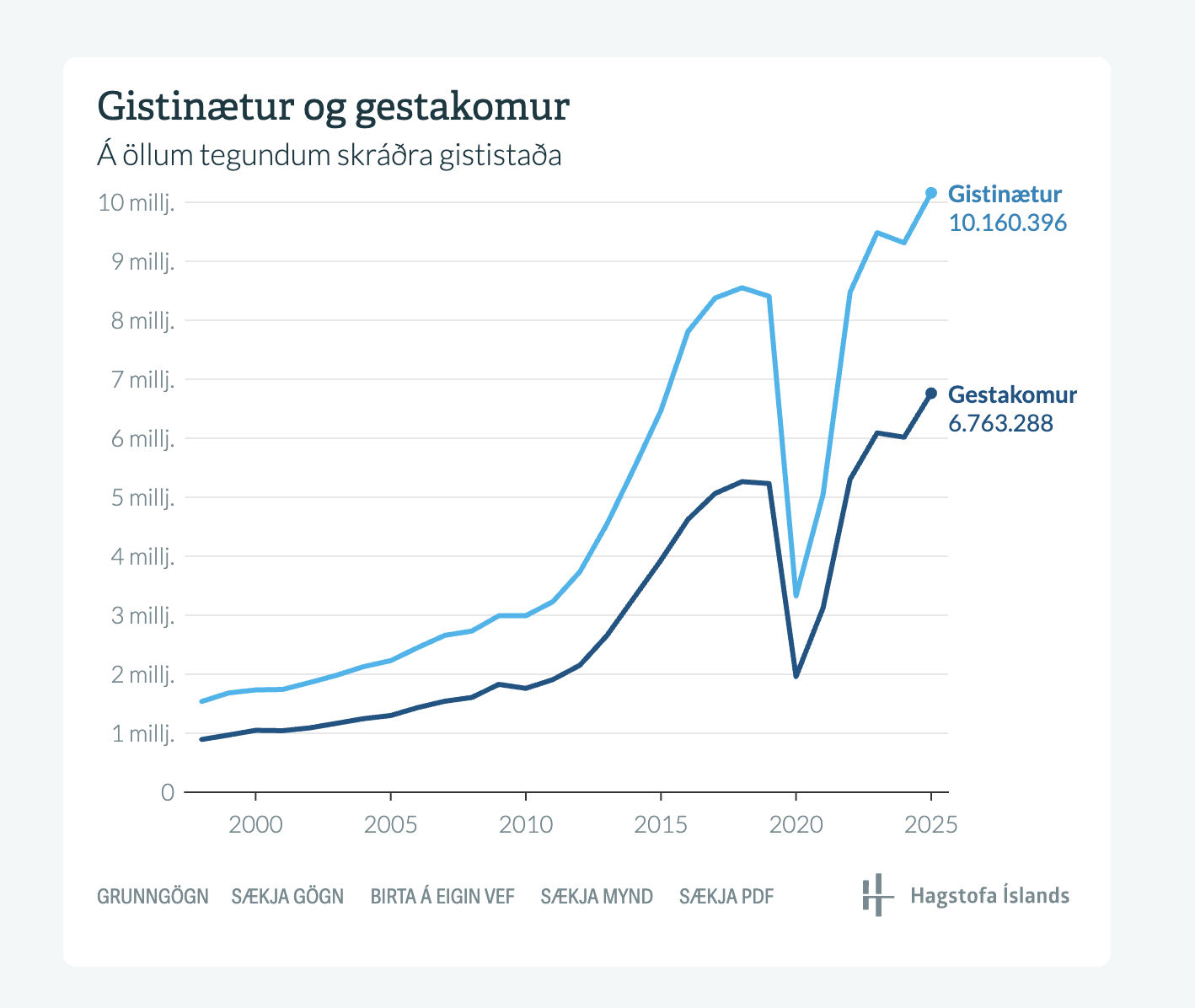
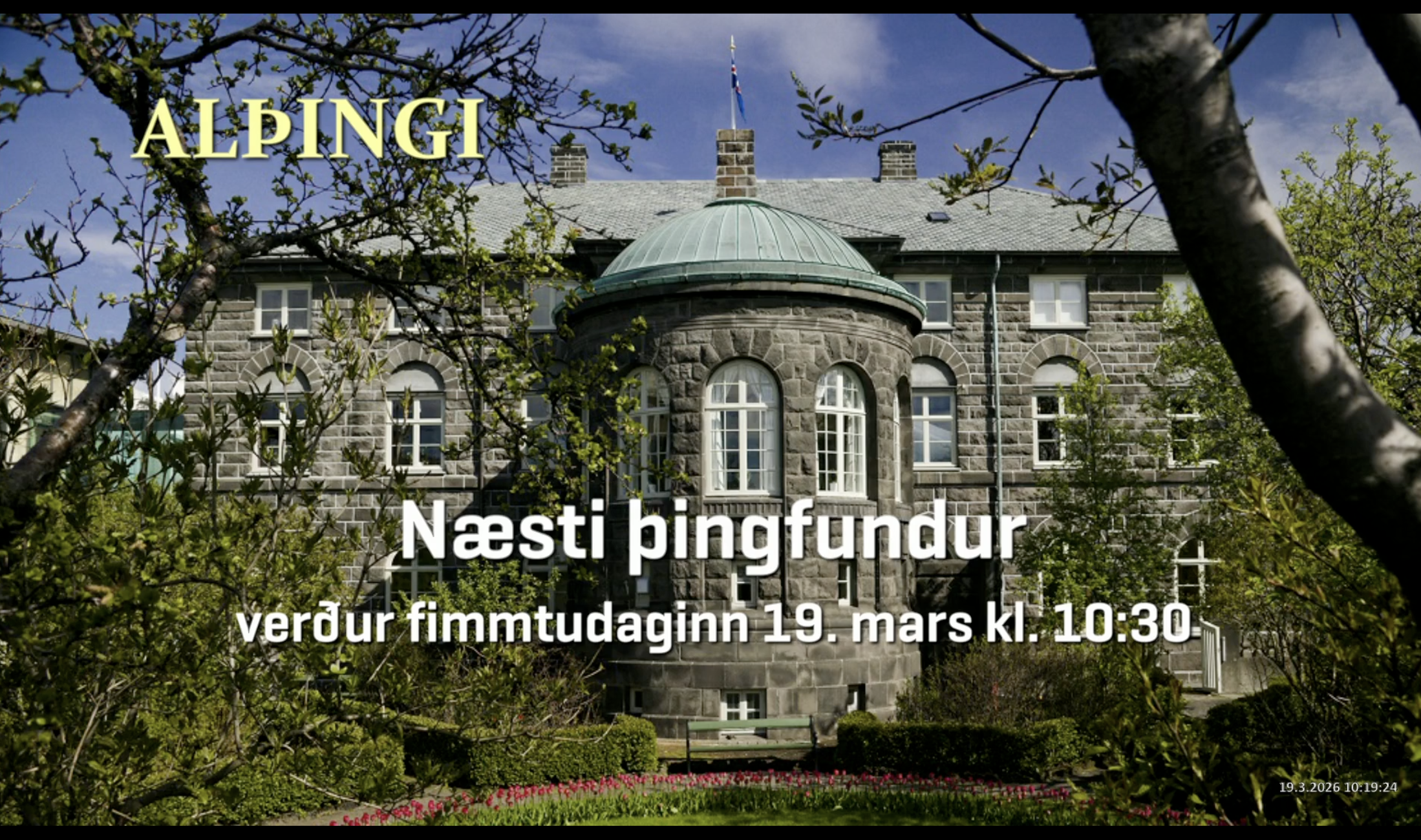
Iceland's parliament has officially passed new short-term rental legislation that draws a clearer line between casual home-sharing and commercial accommodation operations. The law passed in Alþingi on March 19 was introduced by Minister of Industries Hanna Katrín Friðriksson, and its stated goal is to push more residential housing back into the long-term supply that has been a recurring pressure point in Reykjavík's ongoing housing crisis.
There are not much changes on paper for individual hosts as residents can still rent out their primary residence for up to 90 days per year with income capped at 2 million ISK (roughly €13,300) while they can also sublet one rural property alongside their urban home. What the law tightens is who gets to operate beyond those thresholds, so the bigger shift targets commercial operators.
Iceland Short-Term Rental Reform Bill (Amendment to Act No. 85/2007)
This is the bill updating Iceland’s accommodation law to protect housing supply by limiting home-sharing, tightening commercial STR rules, and introducing time-limited licenses with stronger enforcement.
The government had stopped issuing new business licenses for accommodation companies back in 2024 while existing retroactive permits remained valid and indefinite. That indefinite status is now gone: business licenses for accommodation companies are now valid for five years and renewable only if the property is zoned as commercial rather than residential. Its practical effect on the other hand is that the apartment hotels operating in residential zones cannot simply keep renewing if they don't comply or convert.
This is not Iceland's first attempt to rein in Airbnb-style conversions as the 2024 law introduced the 90-day cap in response to Reykjavík's downtown streets filling up with what officials described as residential buildings repurposed entirely into tourist accommodation. The March 2026 law builds on that foundation, which means that penalties for operating without registration can reach up to 1 million ISK per violation.
⦿ Effective date: March 19, 2026
⦿ Registration required: Yes, via the Icelandic Housing Agency
⦿ Night cap: 90 days per year for individual hosts
⦿ Income cap: 2 million ISK (~€13,300) annually for homestay classification
⦿ Max properties (individual): 2 (primary residence and one rural property)
⦿ Business license validity: 5 years (renewable if commercially zoned)
⦿ Penalty for non-compliance: Up to 1 million ISK per violation
⦿ Platform responsibility: Not explicitly specified in current reporting
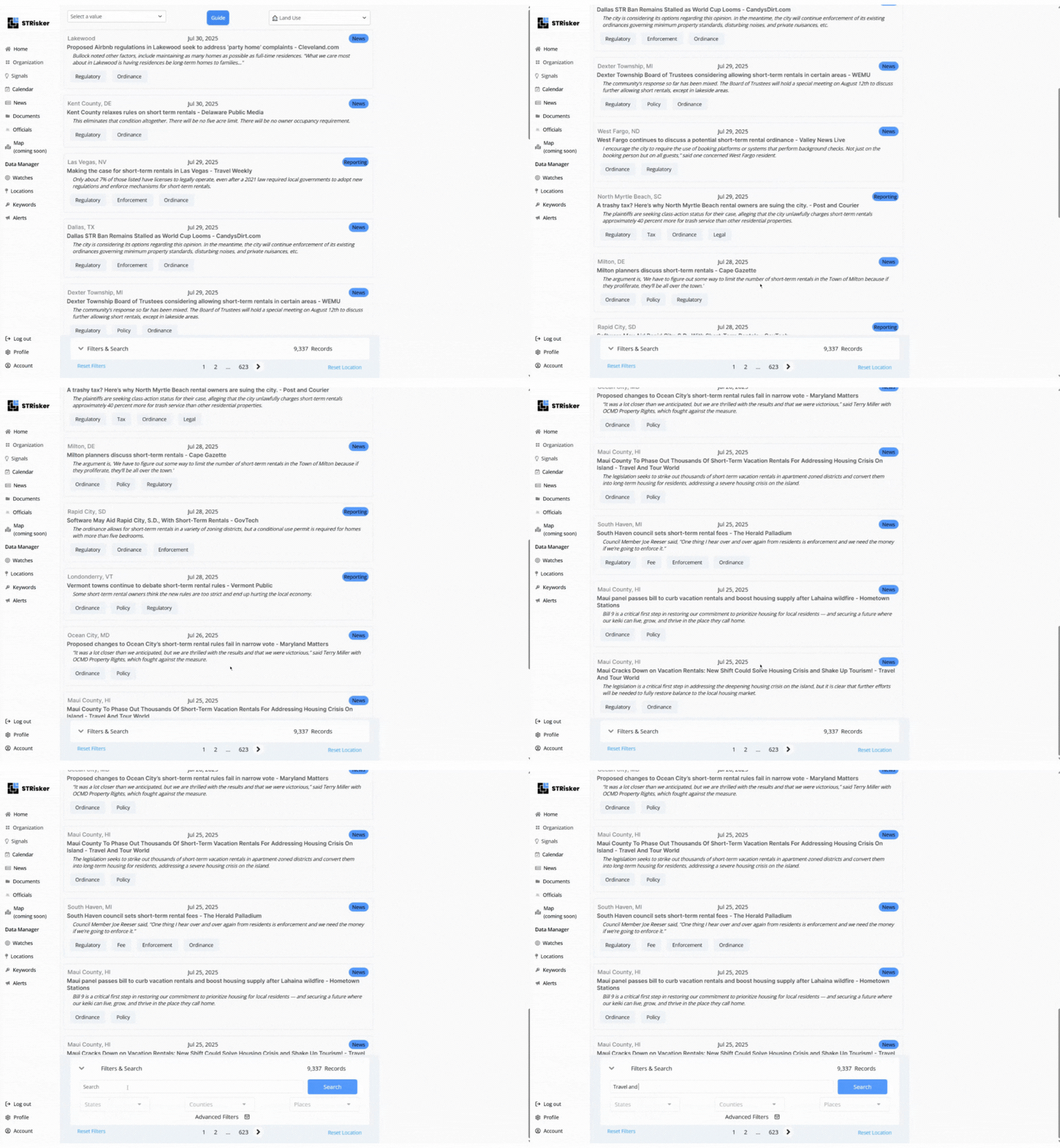
STRisker News Tracker
Trying to keep up with STR regulations across multiple cities and states? Our News Tracker makes it easier than ever. Filter by location, search a comprehensive database, and sort by impact level—this tool helps you focus on what matters most.
Stay Updated with STRisker
STRisker offers tools and features to keep you updated with Short Term Rental movement across the globe.
👍 We’d love your feedback.
We're always looking for ways to improve Bulletins.
Was this one useful to you? Other topics you'd like to see get covered?
✉️ Just reply directly to this email. We read and respond to every message!
-Will McClure
🙋 P.S.
Know someone else who should be reading this Bulletin? Feel free to forward this along. We want to make sure operators and stakeholders are aware of regulatory changes in their area.