
🎯 STRisker: Bulletin - Oregon
January 1 Marks a Shift: What Oregon’s New Housing Rules Signal for Short-Term Rentals


Oregon’s 2026 Housing Laws and the Ripple Effect on Short-Term Rentals

With the arrival of 2026, Oregon has activated a slate of housing and tenant protection laws that, while focused on long-term rentals, carry important signals for the short-term rental market. These laws underscore the state’s priorities around accessibility, safety, and consumer protection issues that increasingly shape local short-term rental regulations.
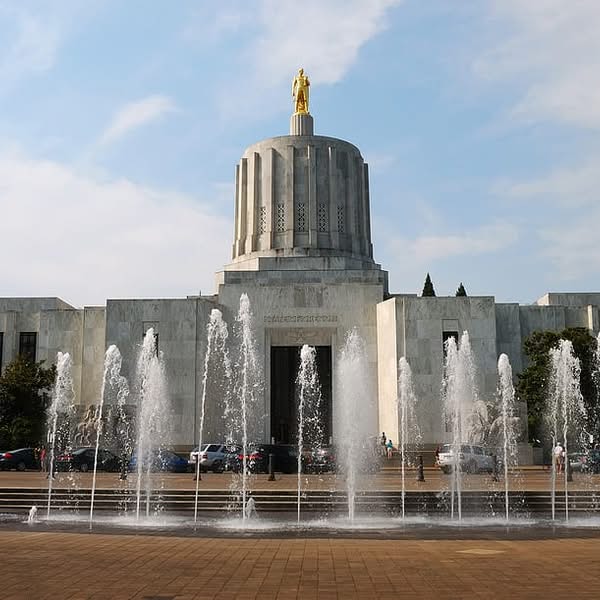
One notable change requires landlords who use electronic or digital access systems to provide non-smartphone alternatives, such as physical keys, key fobs, or access codes. Lawmakers pointed to accessibility concerns, privacy risks, and potential technology failures when passing the law. While short-term rentals are not explicitly targeted, many vacation rental hosts rely heavily on app-based smart locks for self-check-in. This new requirement highlights growing scrutiny around tech-only access, an issue frequently raised in neighborhood complaints and regulatory discussions involving short-term rentals.

For hosts offering mid-term or extended stays, or operating in jurisdictions where short-term rentals are already tightly regulated, this law may feel like a preview of what’s coming. As cities and counties revisit short-term rental rules, expectations around guest access, safety, and redundancy are likely to rise.
Another housing-related update addresses rental deposits. Starting January 1, prospective tenants must receive a refund if a unit is deemed unsafe or uninhabitable before move-in. While this rule applies to traditional leases, it reinforces Oregon’s broader stance that housing providers must deliver properties that meet basic safety standards. For short-term rentals, habitability is already a frequent point of tension, particularly when complaints or inspections arise.
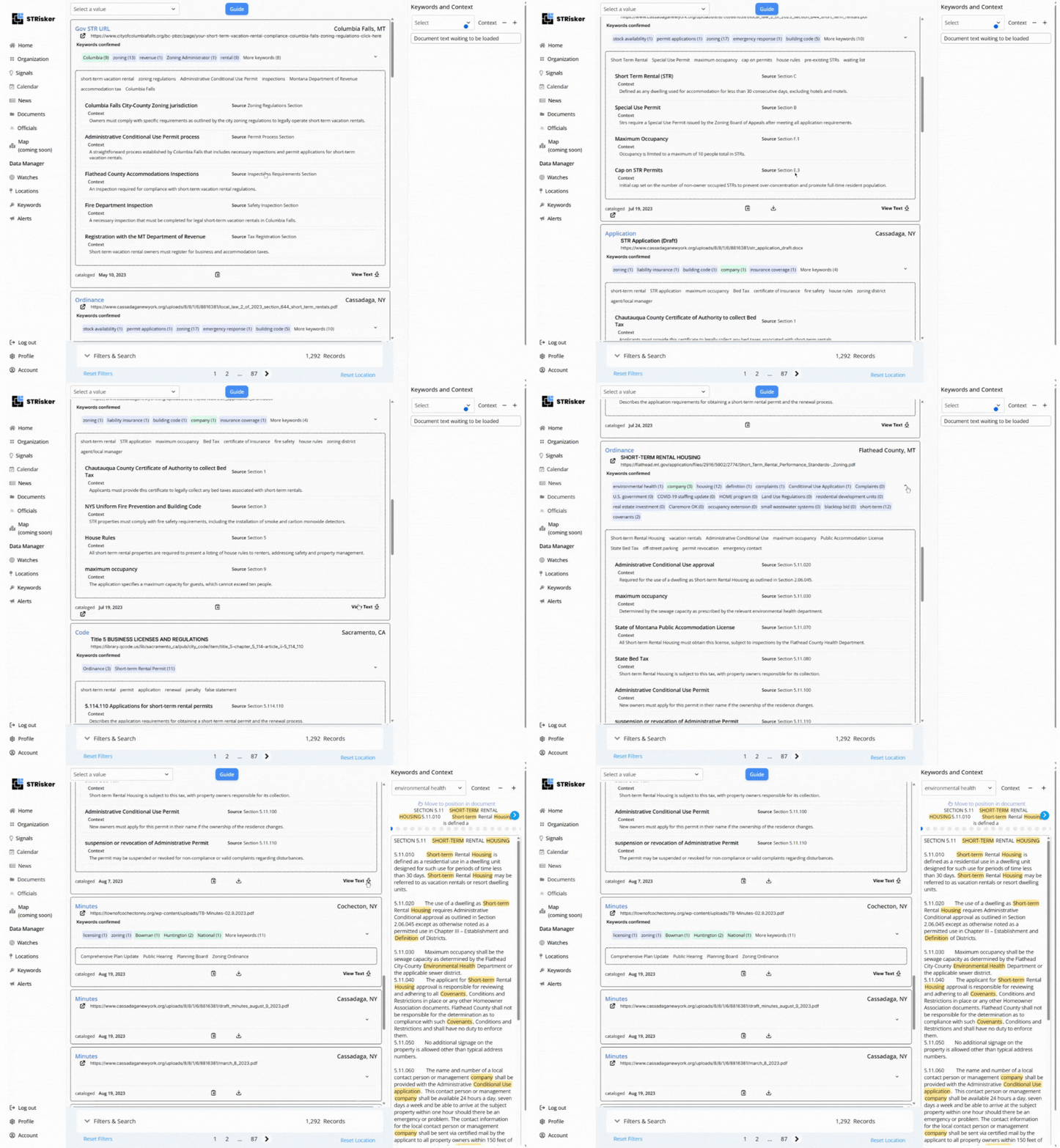
STRisker Document Analysis
Finding the right compliance documents shouldn’t feel like searching for a needle in a haystack - STRisker’s Documents Analysis is built to simplify your life, offering instant access to hundreds of thousands of documents from thousands of cities across the US.
Together, these laws reflect Oregon’s continued effort to protect housing consumers and prevent residents from bearing the risk of poorly maintained properties. For communities concerned about housing availability, these protections often intersect with debates about short-term rentals removing units from the long-term market.
Stay Updated with STRisker
STRisker offers tools and features to keep you updated with the Short-Term Rental movement across the U.S.
👍 We’d love your feedback.
We're always looking for ways to improve Bulletins.
Was this one useful to you? Other topics you'd like to see get covered?
✉️ Just reply directly to this email. We read and respond to every message!
-Will McClure
🙋 P.S.
Know someone else who should be reading this Bulletin? Feel free to forward this along. We want to make sure operators and stakeholders are aware of regulatory changes in their area.