
🎯 STRisker: Bulletin - Ottawa, ON, Canada
How Ottawa’s Festival Funding Plan Could Shape the STR Market



Short-Term Rental Hosts Should Watch Ottawa’s Proposed MAT Increase Closely
Ottawa’s latest budget conversation may be centered on festivals, but tucked inside the announcement is a change short-term rental hosts should keep an eye on. The city is proposing a one per cent increase to the Municipal Accommodation Tax (MAT) starting in 2026, and while the headline is that the extra funds will support major festivals, it also means STR operators will see a shift in how their bookings are taxed.
Ottawa wants to launch a two-year Major Festivals Fund, putting an additional $1 million each year toward the city’s biggest tourism-driving events. To make that happen, the city plans to boost the MAT—a tax applied to overnight stays at hotels and other accommodations, which includes many short-term rentals registered through platforms or operating independently.
If you run a short-term rental, this proposed increase is something to have on your radar. MAT is typically collected directly through booking platforms or by hosts themselves, depending on registration. A one percent hike may not sound huge, but it can influence pricing strategies, competitive rates, and how visitors weigh the cost of staying in an STR versus a hotel—especially during peak festival seasons when demand surges.
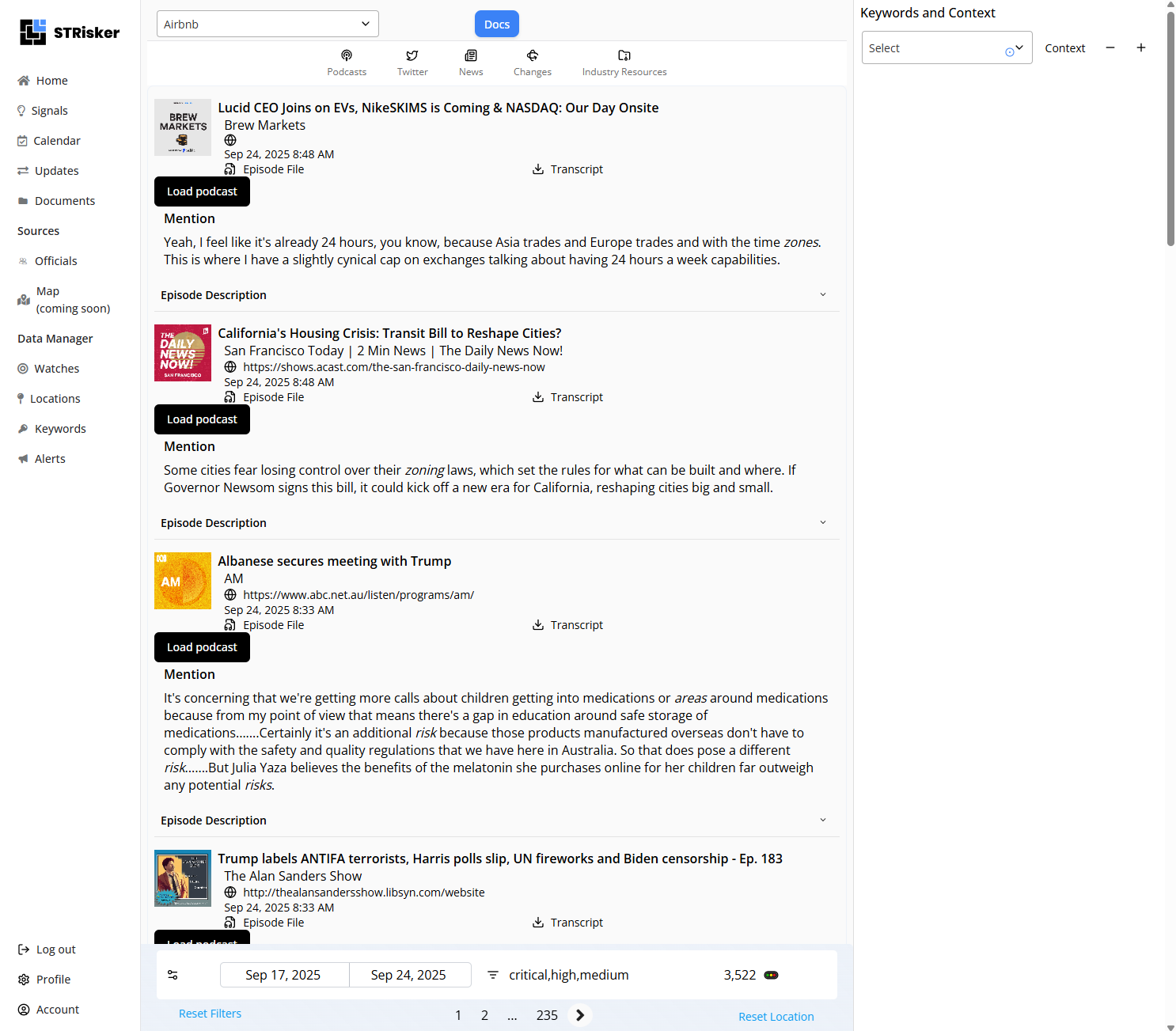
Social Listening 🎧: Podcast
Policy talk doesn’t just happen in the news cycle—it can also live in long-form audio. STRisker’s Podcast Signal turns hours of episodes into actionable insight, indexing transcripts so you can surface key mentions of STRs, ordinances, and local decision-makers in seconds.
The city is clear that the intention behind the MAT bump is to reinvest in what attracts visitors in the first place. Festivals like Bluesfest, Winterlude, and the Tulip Festival draw tens of thousands of guests each year, many of whom rely on STRs for more flexible lodging. By strengthening the festival economy, the city is betting that tourism will grow—and with that growth, short-term rentals may see even higher demand. Ottawa Tourism will administer the new fund and shape the criteria, signaling that the tourism industry as a whole is part of the strategy.
Beyond the tax change, the city also announced updates like a special constable unit to support festival traffic management and a refreshed strategy to better align festival planning with city resources. That kind of coordination could influence neighborhood activity, transportation patterns, and visitor movement—factors STR hosts pay close attention to when planning for guest needs.
For now, the MAT proposal lives within the draft 2026 budget, which is going through public consultations before a final council vote on Dec. 10. Hosts who want to understand how the tax increase may affect their bottom line should keep an eye on those discussions.


Stay Updated with STRisker
STRisker offers tools and features to keep you updated with the Short-Term Rental movement across the U.S.
👍 We’d love your feedback.
We're always looking for ways to improve Bulletins.
Was this one useful to you? Other topics you'd like to see get covered?
✉️ Just reply directly to this email. We read and respond to every message!
-Will McClure
🙋 P.S.
Know someone else who should be reading this Bulletin? Feel free to forward this along. We want to make sure operators and stakeholders are aware of regulatory changes in their area.