
🎯 STRisker: Bulletin - Ship Bottom, NJ
Ship Bottom Rejects Broad STR Rules, Eyes 3% Rental Tax Instead


Ship Bottom Hits Pause on STR Rules But a New Tax Plan Is Moving Forward
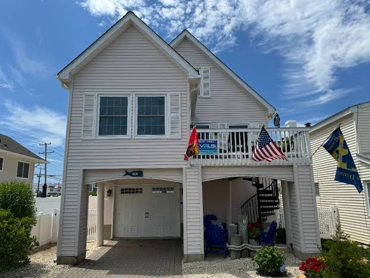
Ship Bottom’s attempt to overhaul its short-term rental (STR) rules came to an abrupt halt on Dec. 19, after a packed, emotionally charged special council meeting ended with Mayor William Huelsenbeck casting the deciding vote to reject a proposed ordinance. The standing-room-only crowd so large it spilled into the hallway made it clear that STR regulations remain one of the borough’s most sensitive and closely watched issues.
The rejected proposal, Ordinance 2025-9C, aimed to establish a full regulatory framework for short-term rentals. Homeowners voiced strong concerns over nearly $1,000 in first-year fees, a proposed 3% hotel/motel room surcharge, and a requirement that property owners be available 24/7 to respond to complaints. While some council members argued the ordinance addressed public safety and fairness, opponents urged officials to slow down and reconsider.

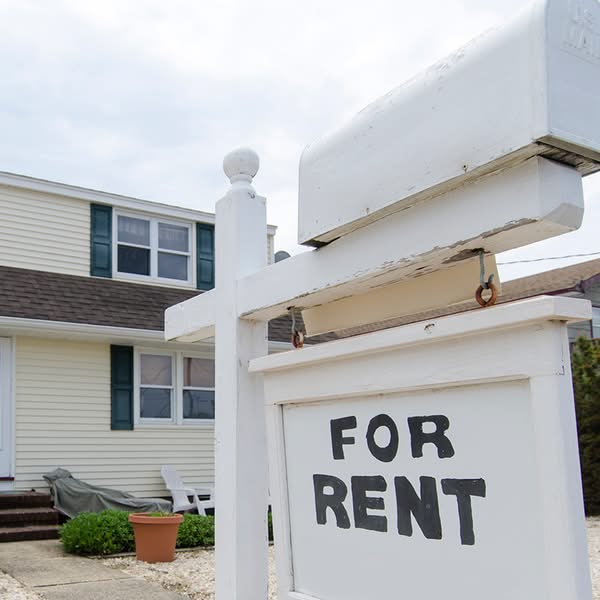
The council split evenly on whether to keep the ordinance alive for a final vote on Dec. 30. Mayor Huelsenbeck broke the tie by voting to reject it, effectively killing the measure since ordinances introduced this year cannot carry into the next. The decision was met with applause, though the relief in the room didn’t last long.
Moments later, the council unanimously introduced a new, narrower proposal Ordinance 2025-10C that focuses solely on collecting the 3% hotel/motel tax on qualifying short-term rentals. Under state law, municipalities are allowed to impose the tax on rental agreements of fewer than 90 days, with the cost legally required to be paid by the renter, not the owner or booking platform.
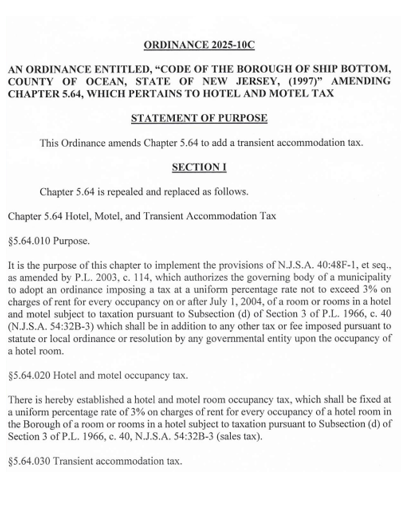
Borough Attorney Tennant Magee noted that several Jersey Shore towns, including Asbury Park, Point Pleasant Beach, and Stone Harbor, have already adopted similar measures. The mention drew concern from the audience, with residents pointing out that some towns are facing legal challenges over the tax.
The new ordinance will receive its second reading and public hearing at the council’s final meeting of the year on Dec. 30. If adopted, it would be sent to the state and could take effect in the first quarter of 2026.
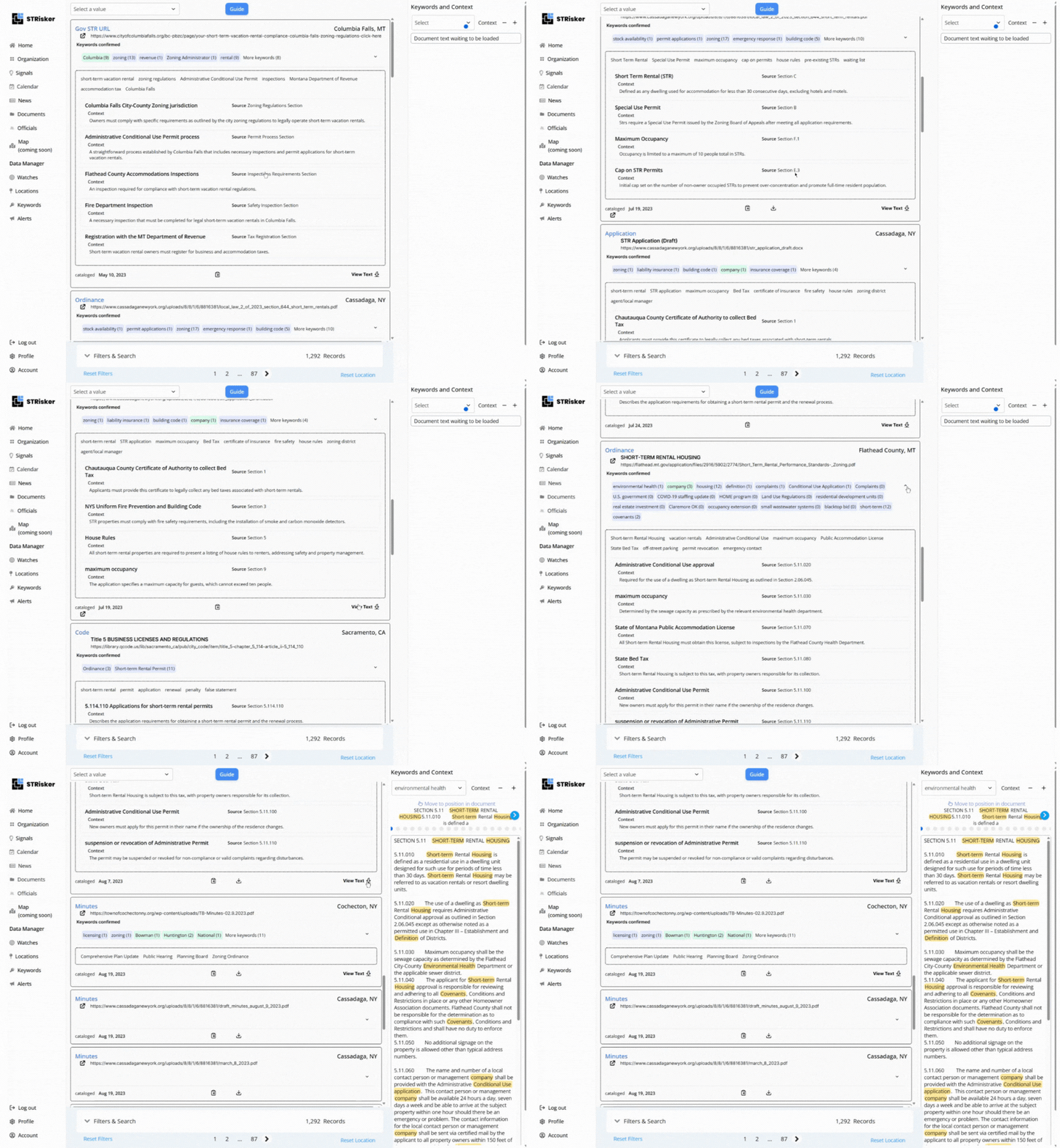
STRisker Document Analysis
Finding the right compliance documents shouldn’t feel like searching for a needle in a haystack - STRisker’s Documents Analysis is built to simplify your life, offering instant access to hundreds of thousands of documents from thousands of cities across the US.
Much of the meeting focused on why the borough is pursuing new revenue tied to short-term rentals. Chief Financial Officer Kathleen Flanagan outlined steep cost increases, including a 36.5% jump in health insurance, a nearly $900,000 increase in garbage contract costs, and rising expenses tied to seasonal population surges. If fully implemented, the 3% tax could generate close to $994,000 annually.

✍️ Daily notes and the Bulletin will resume December 26. Wishing all our readers a fruitful holiday season! 🎁
Stay Updated with STRisker
STRisker offers tools and features to keep you updated with the Short-Term Rental movement across the U.S.
👍 We’d love your feedback.
We're always looking for ways to improve Bulletins.
Was this one useful to you? Other topics you'd like to see get covered?
✉️ Just reply directly to this email. We read and respond to every message!
-Will McClure
🙋 P.S.
Know someone else who should be reading this Bulletin? Feel free to forward this along. We want to make sure operators and stakeholders are aware of regulatory changes in their area.