
🎯 STRisker: Bulletin - Washington
STRs Face Higher Taxes as Washington Rethinks Tourism Funding


Washington’s 2026 Lodging Tax Shift Signals New Reality for STRs
Short-term rental owners and operators in Washington are getting an early heads-up: starting January 1, 2026, guests staying in vacation rentals across the state will likely pay more in accommodation taxes. Washington’s newly announced lodging tax framework aligns the state with a growing national trend that’s reshaping how tourism and short-term rentals are funded.


Unlike states with a single statewide lodging tax, Washington relies on local jurisdictions to set their own rates. Under the updated framework, combined sales and lodging taxes on accommodations including short-term rentals are expected to increase depending on the city or county.
The policy shift reflects a broader rethink of tourism funding. Across the U.S., accommodation taxes are increasingly being used not just for destination marketing, but for infrastructure, public safety, and visitor-facing services. Short-term rentals, now a core part of the lodging ecosystem, are firmly included in that equation.
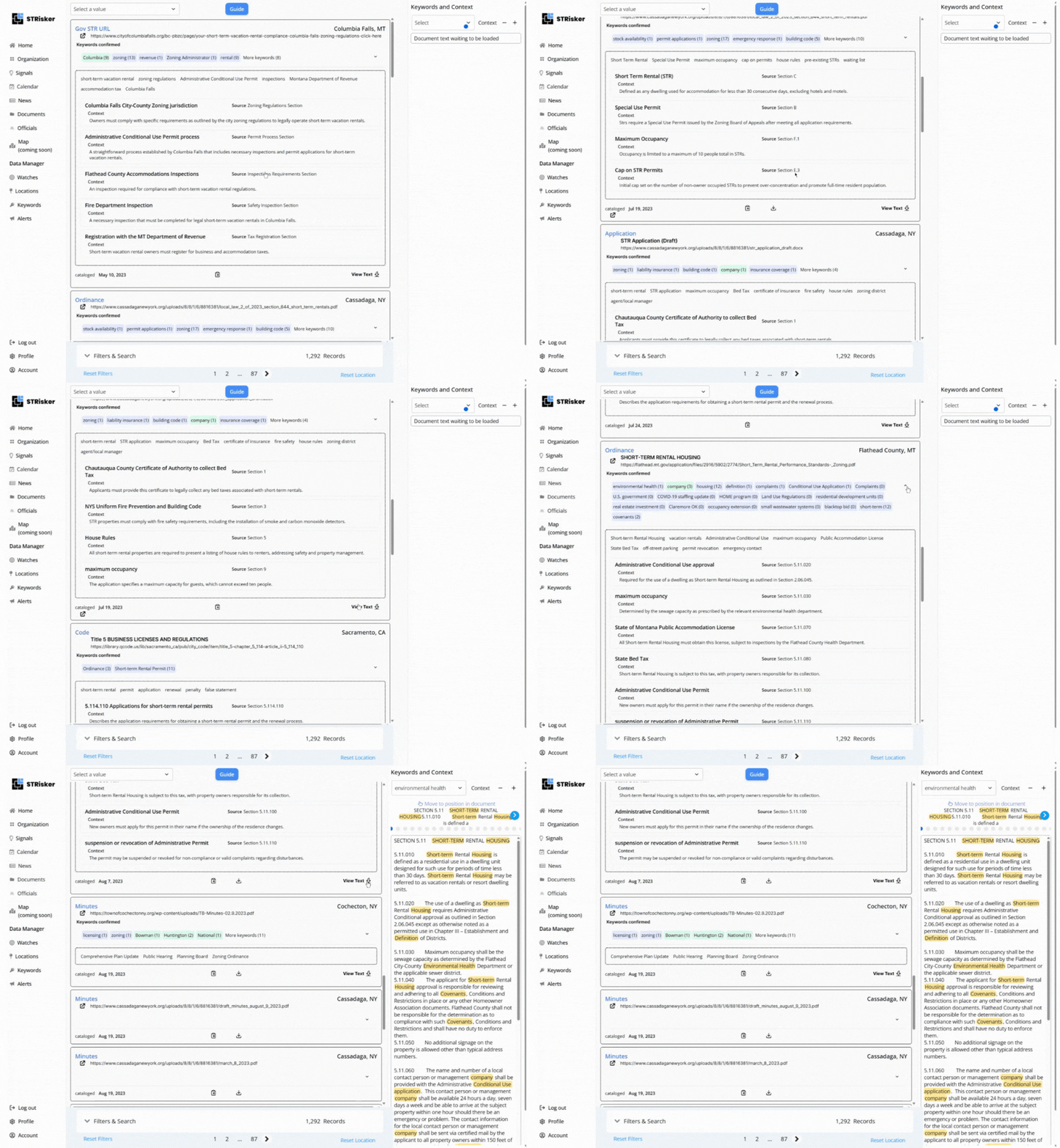
STRisker Document Analysis
Finding the right compliance documents shouldn’t feel like searching for a needle in a haystack - STRisker’s Documents Analysis is built to simplify your life, offering instant access to hundreds of thousands of documents from thousands of cities across the US.
For Washington communities, the additional revenue is earmarked for a mix of tourism promotion areas, law enforcement support, and other local programs that directly or indirectly serve visitors. That’s an important talking point as short-term rentals continue to face scrutiny in many markets. Local officials are positioning the tax changes as a way for tourism including STRs to “pay its way” while supporting community needs.
For hosts, the biggest impact will likely be guest perception and pricing strategy. Higher lodging taxes can influence booking decisions, especially in competitive markets where travelers compare nightly rates closely. Operators may need to be proactive in explaining tax breakdowns to guests or adjusting pricing models to remain attractive while maintaining margins.
While the changes don’t take effect until 2026, the runway gives hosts time to prepare. Monitoring local council discussions, staying connected with STR associations, and reviewing compliance systems early could help operators avoid surprises. As travel demand continues to grow, Washington’s approach suggests that short-term rentals will play an increasingly visible and taxable role in supporting tourism infrastructure statewide.
Stay Updated with STRisker
STRisker offers tools and features to keep you updated with the Short-Term Rental movement across the U.S.
👍 We’d love your feedback.
We're always looking for ways to improve Bulletins.
Was this one useful to you? Other topics you'd like to see get covered?
✉️ Just reply directly to this email. We read and respond to every message!
-Will McClure
🙋 P.S.
Know someone else who should be reading this Bulletin? Feel free to forward this along. We want to make sure operators and stakeholders are aware of regulatory changes in their area.