
🎯 STRisker: Bulletin - Waynesville, NC
No New Rules for Now: Waynesville Backs Away from STR Regulation


Waynesville Hits Pause: STR Rules Rejected After Two-Year Debate

Waynesville’s planning board has officially stepped back from the short-term rental debate, choosing not to adopt even the simplest rules for the hundreds of vacation rentals operating throughout the town. After two years of study, public input, and draft language, the board voted to maintain the current system—one that doesn’t define STRs, doesn’t track them, and doesn’t set standards tailored to the fast-growing market.
The bare-bones proposal that staff brought forward wasn’t restrictive. It allowed STRs in all residential zones and didn’t require hosts to register or undergo inspections. The only updates involved practical operating standards: ensuring guests parked appropriately, managing trash properly, and clearly posting an owner’s contact information so the town could respond to complaints.
Still, the board rejected the proposal entirely. Several members said defining STRs would be a “slippery slope,” opening the door to more rules they didn’t want. Michael Blackburn, who served on the STR working group for over a year, argued that any regulatory push should come from elected officials, not a volunteer planning board. Fellow members agreed, saying it wasn’t their role to “change policy” at that level.
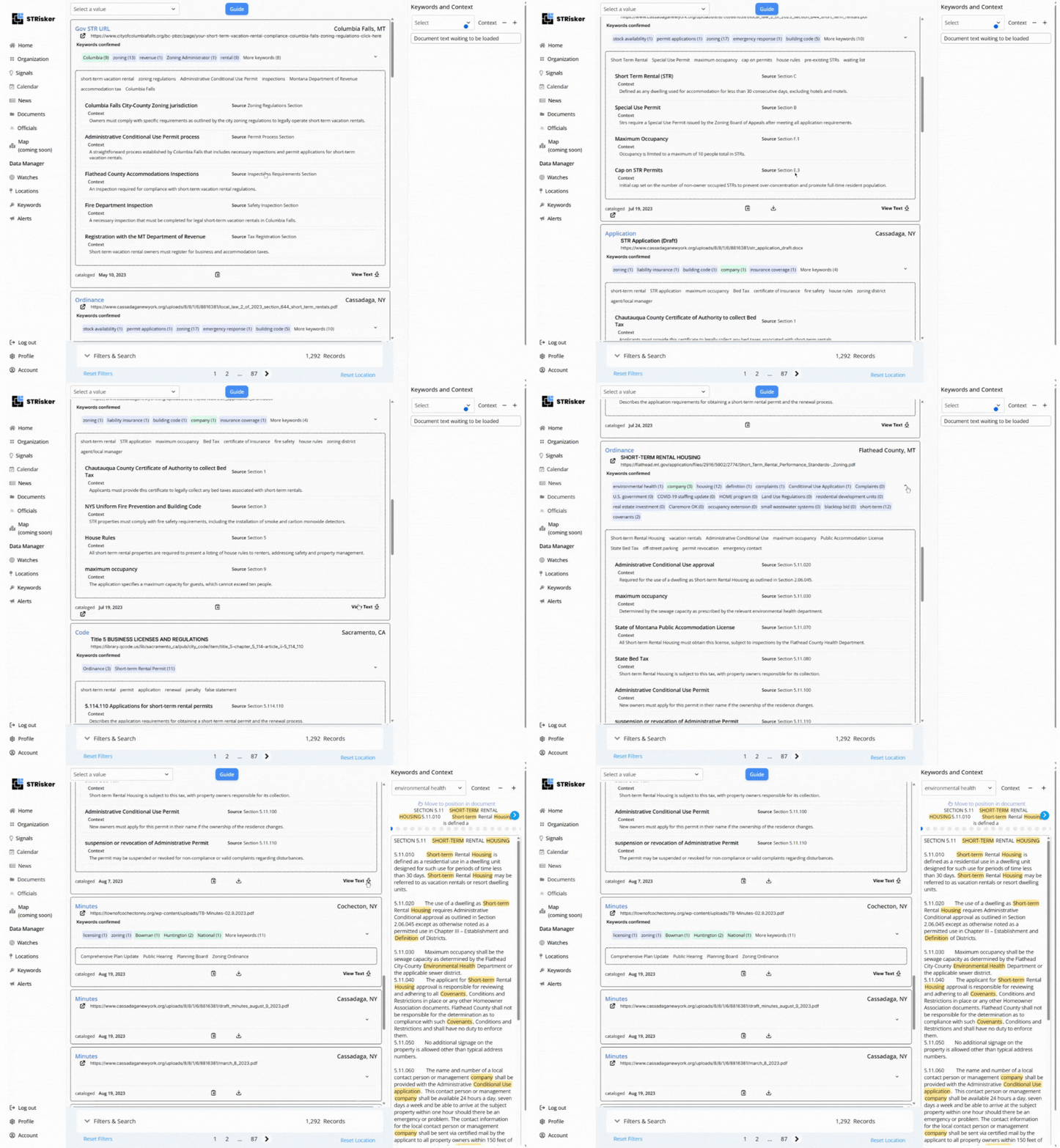
STRisker Document Analysis
Finding the right compliance documents shouldn’t feel like searching for a needle in a haystack - STRisker’s Documents Analysis is built to simplify your life, offering instant access to hundreds of thousands of documents from thousands of cities across the US.
One voice on the board, however, thought the proposal didn’t go far enough. Member and bed-and-breakfast owner John Baus pushed for stronger oversight, pointing out that traditional lodging businesses must meet safety standards, occupancy requirements, and inspection schedules that STRs currently sidestep. His additions included requiring a certificate of occupancy, limiting guest numbers, and mandating a 24/7 local contact. But these ideas never received full debate before the board voted to scrap all STR regulations.
The board’s final vote was technically unanimous due to an abstention that counted as a “yes,” ending the conversation—for now. But the question of whether the town should guide the growth of STRs remains open. Communities experiencing rapid STR expansion often face pressure to protect long-term housing, manage neighborhood impacts, and ensure guest safety.




Stay Updated with STRisker
STRisker offers tools and features to keep you updated with the Short-Term Rental movement across the U.S.
👍 We’d love your feedback.
We're always looking for ways to improve Bulletins.
Was this one useful to you? Other topics you'd like to see get covered?
✉️ Just reply directly to this email. We read and respond to every message!
-Will McClure
🙋 P.S.
Know someone else who should be reading this Bulletin? Feel free to forward this along. We want to make sure operators and stakeholders are aware of regulatory changes in their area.