
🎯 STRisker: Bulletin - Wellington, New Zealand
Properties available for more than 60 days a year stand to pay nearly triple the standard residential rate as Airbnb pushes back on what it calls a "wholly disproportionate" multiplier




Wellington Proposes 2.6x Rate Multiplier for Short-Term Rentals
Photo by leyvaine Davids on Unsplash
Wellington City Council has proposed a new general rates differential of 2.6 times the standard residential rate for short-term rental properties as part of its 2026/27 draft annual plan. The rate applies to any property made available for stays of less than one month for more than 60 days within the financial year. Airbnb and a coalition of local hosts have filed formal opposition and called the multiplier "wholly disproportionate."

Agenda of Extraordinary Meeting of Te Kaunihera o Pōneke | Council Rārangi Take
This council agenda from 2025 show how Wellington’s proposed Airbnb/STR rates changes moved through the city’s decision-making process.
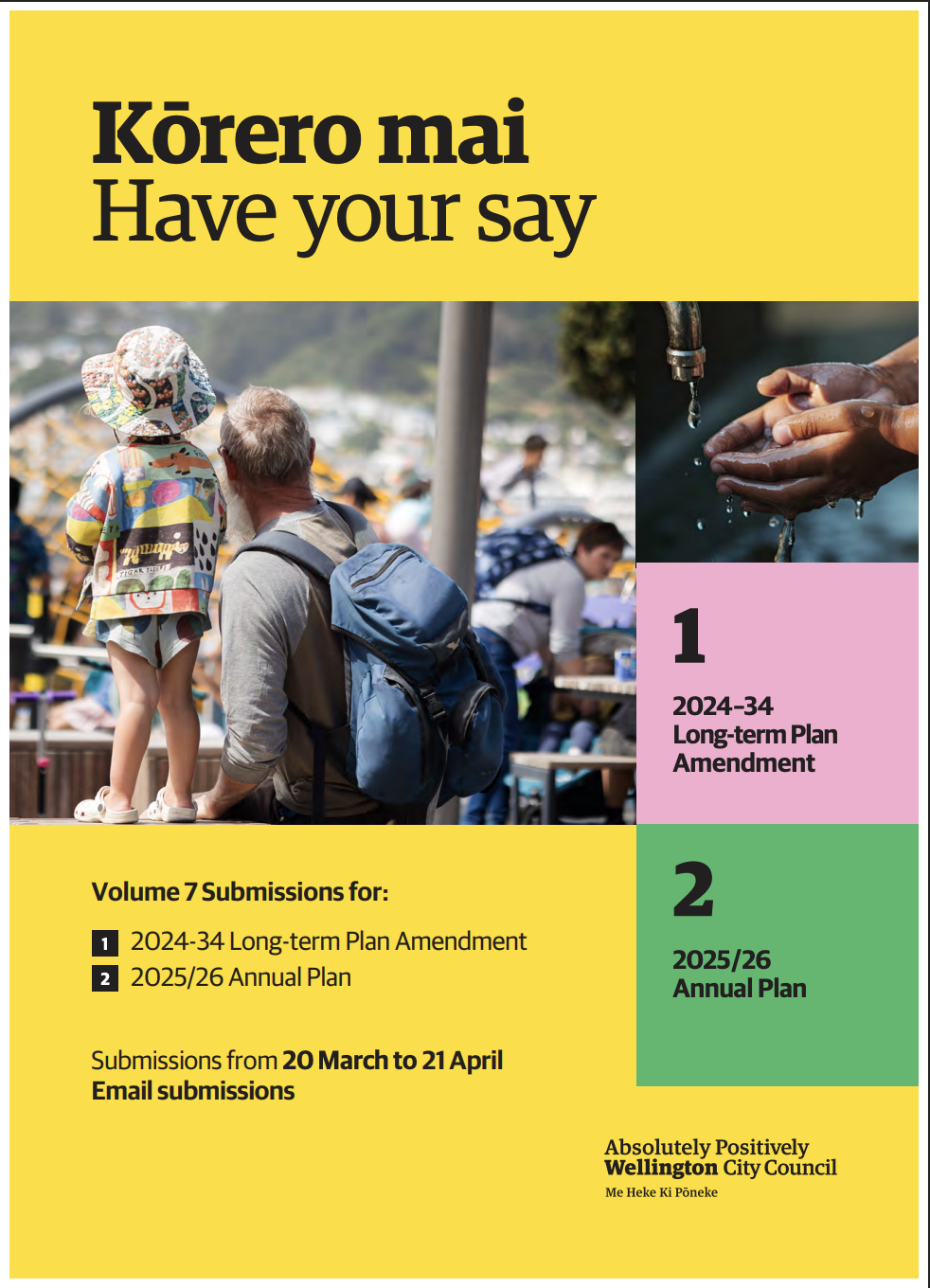
Volume 7 Submissions for 2024-34 Long-term Plan and Amendment 2025/26 Annual Plan
This contains public feedback submitted to Wellington City Council on proposed Airbnb/STR rates and short-term accommodation policies.
Despite appearances the proposal represents a step down from existing policy rather than an escalation. Wellington already has rules requiring some STR properties to pay the full commercial rate of 3.7 times the residential base but those rules have never been enforced or complied with in practice. The 2.6x differential is intended to sit between the residential and commercial extremes as a more enforceable middle-tier option. General rates are the only component affected and all other commercial targeted rates continue to apply to properties that meet the threshold.
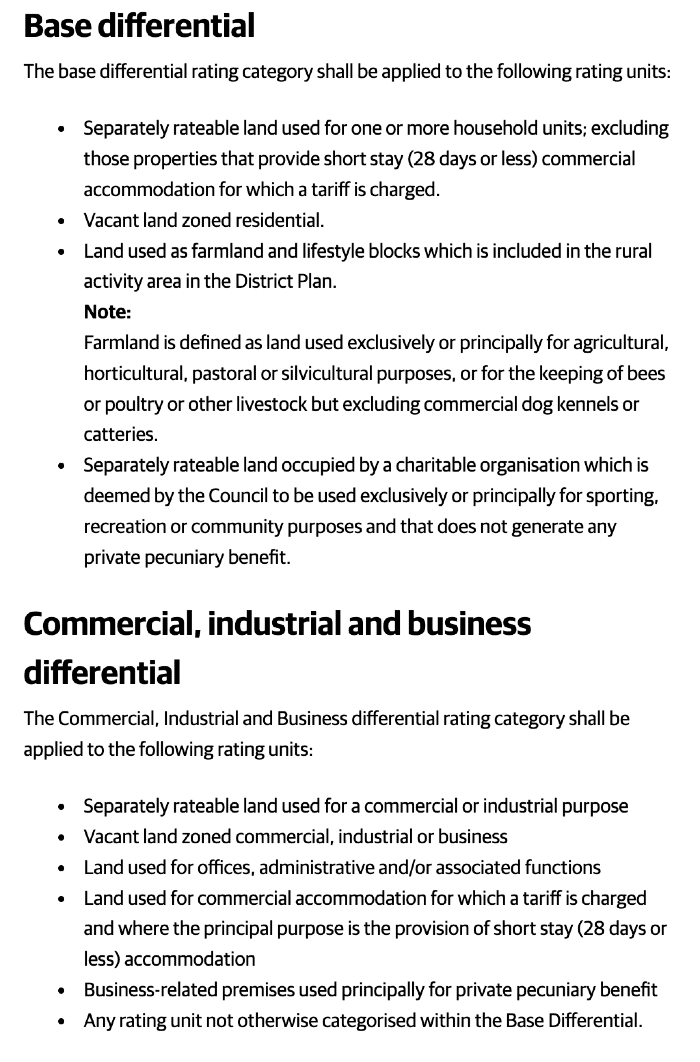
Single rooms, granny flats, sleepouts and dual-key homes used for non-commercial purposes are exempt from the differential. At a council hearing on May 14, Airbnb's Australia and New Zealand public policy associate Jade Hoskins said there was "no basis" for treating short-term renting as a commercial activity. "It is fundamentally a resident use," she said. "Guests sleep in bedrooms, cook in kitchens and live as they would in any other home." Host group representative Julie Wilson told the hearing the 2.6x figure was "significantly" harsher than rules applied by other New Zealand councils and would reduce supply in an already constrained accommodation market.
Mayor Andrew Little acknowledged the limits of local enforcement and said that city-by-city STR rules are easy to avoid, so the only practical path runs through central government agencies like Inland Revenue. That enforcement gap is visible in Christchurch where the city council found its 60-day compliance officer role untenable and is replacing the threshold-based rule with a "primary purpose" test that shifts the burden of proof to property owners to demonstrate their home is not primarily used for short-stay accommodation. Christchurch councillors simultaneously voted unanimously to push for a mandatory national STR register and to encourage other metropolitan councils to back the move.
“We are not a hotel;” airbnb oppose higher rates for short-term rentals https://t.co/oZ6CJOmYmq
— Wellington.Scoop (@ScoopWellington) May 14, 2026
Wellington councillors are scheduled to deliberate on submissions on May 27 with the annual plan set for adoption on 25 June 2026. If adopted, the differential would take effect at the start of the 2026/27 financial year on 1 July 2026.
Wellington's Key Proposal for Short-term Accommodation
⦿ Proposed rate multiplier: 2.6x residential rate
⦿ Trigger threshold: Available for STR use more than 60 days/year, in stays shorter than one month
⦿ Exemptions: Single rooms, granny flats, sleepouts, dual-key units (conditions apply)
⦿ Previous proposal: Full commercial rate (3.7x residential), later reduced to 2.6x
⦿ Status: Proposed; councillors deliberate 27 May, annual plan adoption scheduled 25 June 2026
⦿ Enforcement concern: Mayor noted city-by-city rules are difficult to enforce without central government involvement
⦿ National context: Christchurch lobbying for mandatory national STR register
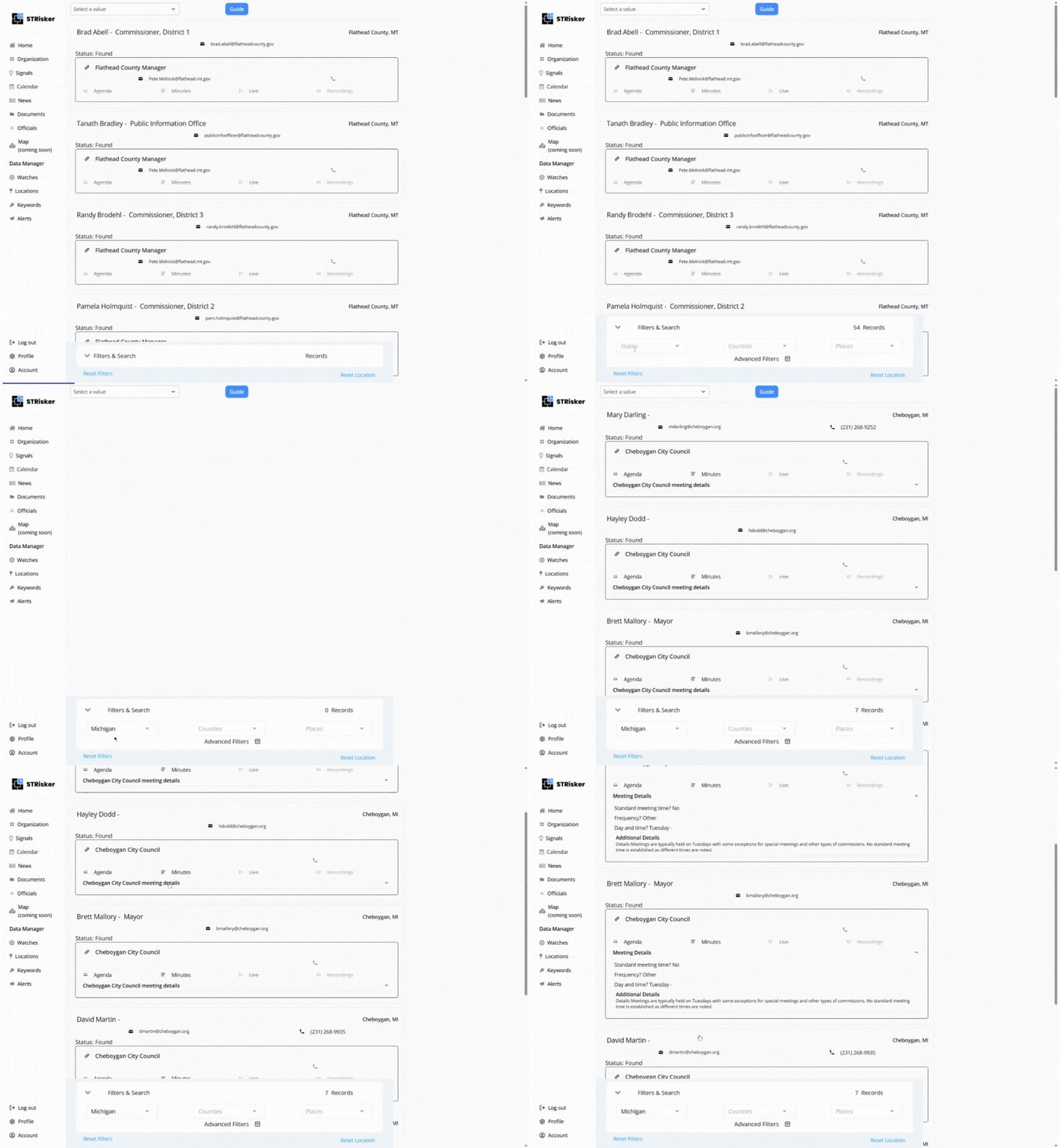
STRisker Government Office Dashboard
Trying to keep up with the main players in the STR game? Know your councilmembers, commissioners, committee chairs, and key staff that are part of the process.
Stay Updated with STRisker!
STRisker offers tools and features to keep you updated with the Short Term Rental movement (and now Data Centers!) movement across the world.
👍 We’d love your feedback.
We're always looking for ways to improve Bulletins.
Was this one useful to you? Other topics you'd like to see get covered?
✉️ Just reply directly to this email. We read and respond to every message!
-Will McClure
🙋 P.S.
Know someone else who should be reading this Bulletin? Feel free to forward this along. We want to make sure operators and stakeholders are aware of regulatory changes in their area.