
Bulletin: Stowe, VT News Today
The selectboard adopted the rewritten ordinance 5-0 on July 22, converting the town's registry into a licensing system with the cap taking hold September 15



Stowe Caps Short-Term Rentals at 850 Licenses and Ends Transfers on Sale
The selectboard adopted the rewritten ordinance 5-0 on July 22, converting the town's registry into a licensing system with the cap taking hold September 15
Photo by Jeffrey Clayton on Unsplash
The Stowe Selectboard voted 5-0 on July 22, 2026 to adopt a rewritten short-term rental ordinance that converts the town's registry into a licensing system, caps the number of licenses at 850, and ends the practice of a rental license passing to a buyer when a property changes hands. The ordinance took effect on passage and the cap begins on September 15, 2026.
Town of Stowe's Short-Term Rental Ordinance
Stowe’s July 2026 ordinance establishes licensing, registration, local-contact, and enforcement requirements for short-term rentals while aiming to protect housing availability and neighborhood character.
From Registry to License
“The purpose of this ordinance is to seek to balance the well-established practice of renting residential dwelling units… while preserving the character of residential neighborhoods.”
- Item B-1, STR Ordinance Public Hearing, July 22, 2026 Stowe Selectboard meeting packet
Under the new framework, the town issues a Short-Term Rental License that runs from May 1 to April 30 and must be renewed annually.
Beginning September 15, 2026, no more than 850 licenses may be issued, a figure drawn from town data showing roughly 1,450 registered short-term rentals of which about 600 are commercial or inactive. Because every holder of a valid license as of January 1, 2027 may renew regardless of the ceiling, the total is expected to drift down toward 850 through attrition rather than revocation which is a process town officials say could take years.
Town of Stowe, VT STR Registration Portal
Transfers, Sales and Homestead Owners
Licenses are no longer transferable in an arms-length sale so a buyer of a Stowe rental property cannot inherit the seller's operating rights. The ordinance carves out transfers to a spouse, parent, child, grandchild, or trust, along with divorce decrees and transfers on death, each of which requires the recipient to file a renewal form within 30 days.
Owners whose Stowe property is their primary residence may obtain a Homestead license even when the cap is full, capped at two dwelling units, and that license is revoked on seven days' notice if the property stops serving as a homestead.
Getting a New License
Anyone without a valid license on June 1 must file an STR Lottery Form during June and pay a lottery fee with the drawing held on or near July 15 using a random number generator and streamed live.
Selected owners have until August 1 or 14 days after written notice to file a registration form and fee. If the cap leaves no room during the 2027-2028 and 2028-2029 registration years, the town must still release 20 licenses through the lottery.
Carve-Outs and Enforcement
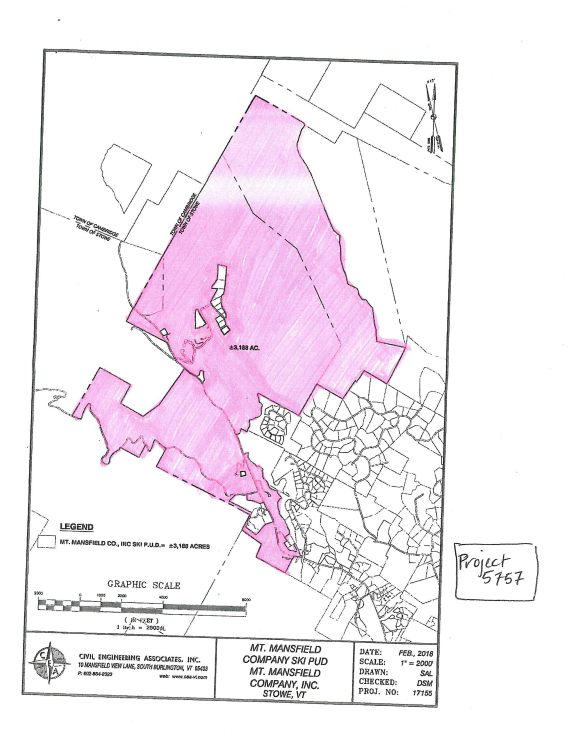
Hotels, condominium hotels, inns, and units inside the mapped Ski and Resort planned unit developments fall outside the definition entirely, covering properties at von Trapp Family Lodge and Spruce Peak while timeshares in place at adoption are exempt.
 Chris Ruiz
Owners who dispute their classification may appeal within 15 days and receive a quasi-judicial hearing before the Selectboard within 30 days. The registration fee stays at $100 per dwelling unit and advertising a rental without displaying its registration number is now a violation which matters for listings on Airbnb and Vrbo.
⦾ Status: Adopted 5-0 on July 22, 2026; effective on passage, license cap effective September 15, 2026
⦾ License required: Yes; STR License valid May 1 to April 30, renewed annually by April 30
⦾ License cap: 850 total, with Homestead licenses issuable above the cap
⦾ Primary residence: Not required, but homestead owners are exempt from the cap and limited to two units
⦾ Fees: $100 registration per dwelling unit; renewal and lottery fees set by the selectboard
⦾ Night cap: None; the rules apply to rentals under 30 consecutive days and more than 14 days per year
⦾ Transferable: No on arms-length sale; family, trust, divorce, and death transfers permitted with a renewal filing within 30 days
⦾ New entrants: June 1-June 30 lottery form, drawing on or near July 15, minimum 20 licenses released in 2027-2028 and 2028-2029
⦾ Other duties: Fire department lock box, designated responsible person on site within 45 minutes, registration number in all advertising
⦾ Penalties: Waiver fees of $100 to $400 by offense count, civil penalties of $200 to $800; revocation possible on a third-offense ticket
⦾ Platform responsibility: None; obligations sit with owners
⦾ Taxes: Vermont 9% meals and rooms tax plus 3% STR surcharge and Stowe's 1% local option tax
"After years of debate, Stowe caps short-term rentals..." https://t.co/JDpio1xYMO
— @Hunterdon4th (@hunterdon4th) August 1, 2026
Notice the tone....“We are very pleased to close the door on this chapter of the short-term rental ordinance journey...."
"While last week’s hearing was tame compared to public meetings about…
In case you missed it:
 Jasmine Ruth Albatana
 Jasmine Ruth Albatana
 Jasmine Ruth Albatana
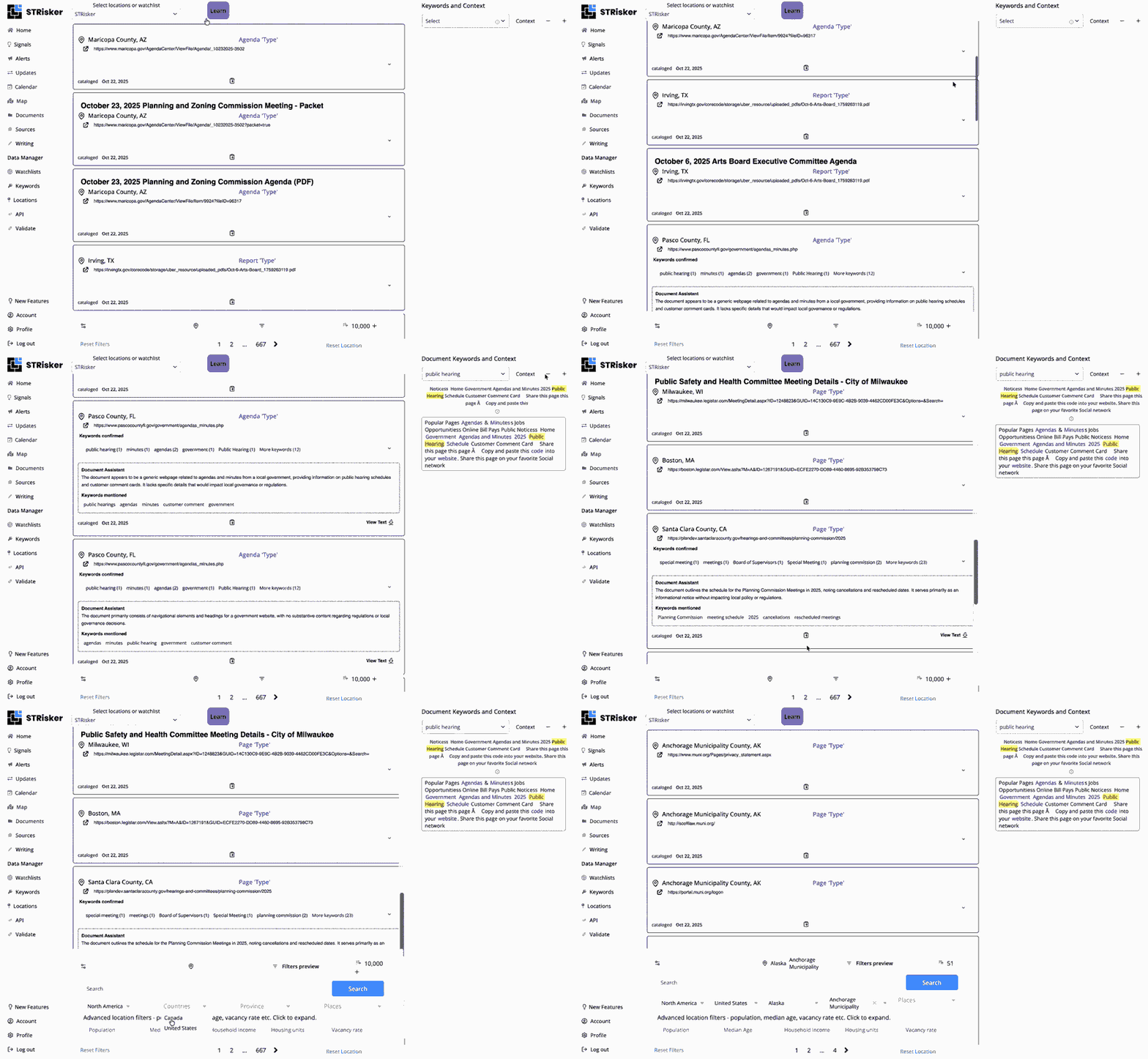
Strisker Document Analysis
Finding the right compliance documents shouldn’t feel like searching for a needle in a haystack - Strisker’s Documents Analysis is built to simplify your life, offering instant access to hundreds of thousands of documents from thousands of cities across the world.
Stay Updated with Strisker!
Strisker offers tools and features to keep you updated with the Short Term Rental movement (and now Data Centers!) movement across the world.
👍 We’d love your feedback.
We're always looking for ways to improve Bulletins.
Was this one useful to you? Other topics you'd like to see get covered?
✉️ Just reply directly to this email. We read and respond to every message!
-Will McClure
🙋 P.S.
Know someone else who should be reading this Bulletin? Feel free to forward this along. We want to make sure operators and stakeholders are aware of regulatory changes in their area.