
Daily Regulatory Notes 05/21/2026
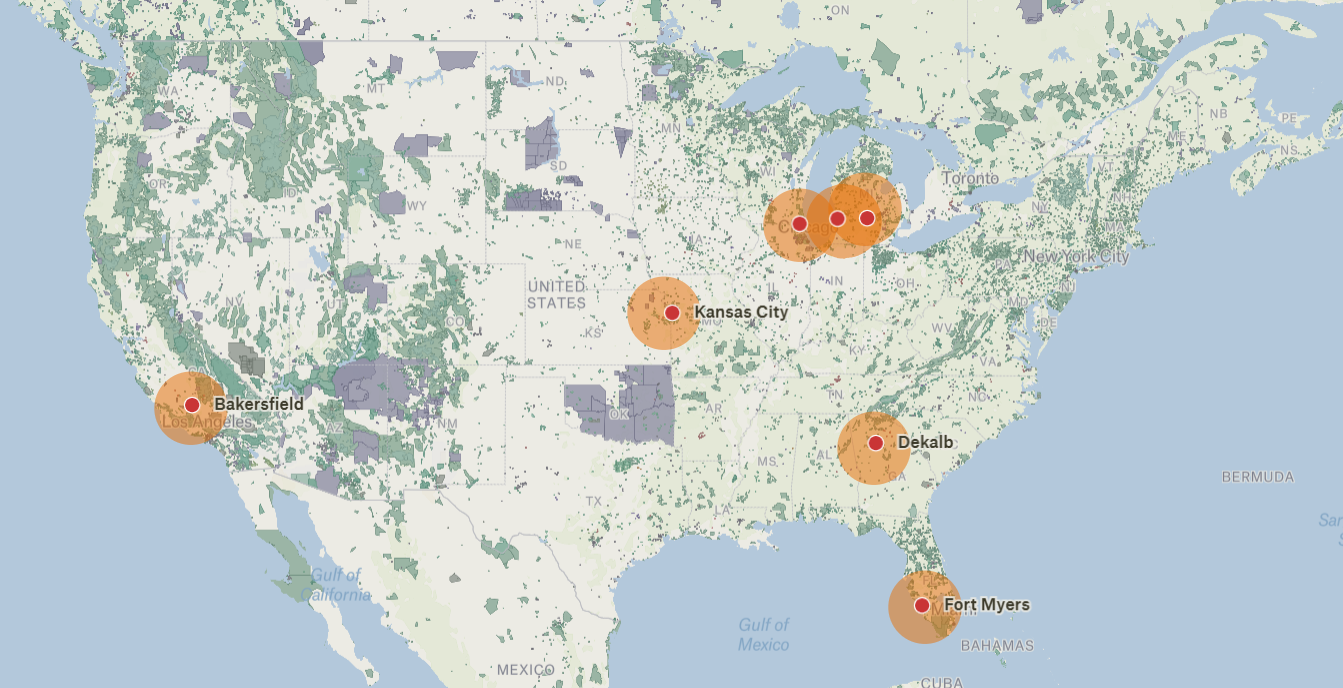
Cities address STRs. Salem Lakes, WI drafts rules; Kansas City, MO adjusts rules; Bakersfield, CA proposes increase to TOT; Fort Myers, FL sends warning letters; Laketown Twp, MI approves ordinance; DeKalb County, GA launches program; Delta County, MI advances frameworks. READ MORE.

Salem Lakes, WI
Salem Lakes officials are moving toward new short-term rental regulations after the village board unanimously directed staff and legal counsel to begin drafting potential Airbnb rules following complaints about neighborhood disruptions, party houses and safety concerns.
 Kevin Mathewson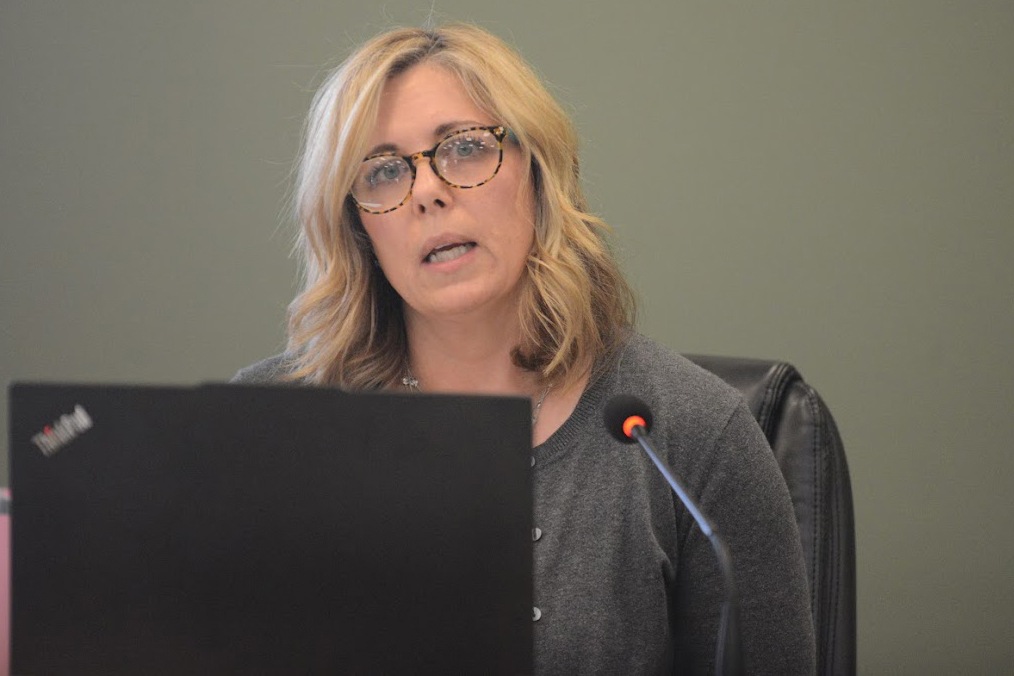
Officials discussed a wide range of possible measures, including local permits, registration requirements, occupancy limits, annual well testing, smoke detector verification and even a minimum 30-day stay requirement that could significantly affect weekend rentals.
Kansas City, MO
Kansas City-area governments are temporarily relaxing and adjusting short-term rental rules ahead of the 2026 FIFA World Cup as cities prepare for an expected surge in visitors during June and July.
Independence removed caps on the number of short-term rentals and eliminated limits on how many listings one host can operate, while Kansas City, Missouri, reduced permit costs from $200 to $50 through July 31 to encourage more operators to register and collect occupancy taxes.
Bakersfield, CA
Kern County officials are weighing a possible increase to the transient occupancy tax on hotels and short-term rentals, but early feedback shows overwhelming opposition from lodging operators in unincorporated areas.
County staff said a proposed increase to the long-standing 6% hotel tax could generate nearly $4 million in additional annual revenue, though about 98% of surveyed hotel, motel and Airbnb operators said they oppose the idea, citing weak tourism demand, rising operating costs and concerns that rural travelers are especially price-sensitive.
Fort Myers, FL
Fort Myers Beach officials are stepping up enforcement of the town’s short-term vacation rental registration ordinance by sending warning letters to property owners who could not be verified as compliant under local rules.
The Community Development Department said the town is first seeking voluntary compliance and giving owners time to complete the registration process before stronger enforcement measures begin. Town staff will conduct follow-up reviews starting June 5, and owners who remain unregistered after that date are being urged to contact the town to avoid possible penalties or additional action. Officials also noted that enforcement measures could extend beyond property owners to include operators, rental agents, guests or others connected to properties found violating the ordinance.
Registration can be completed online at fmbgov.com/STR.
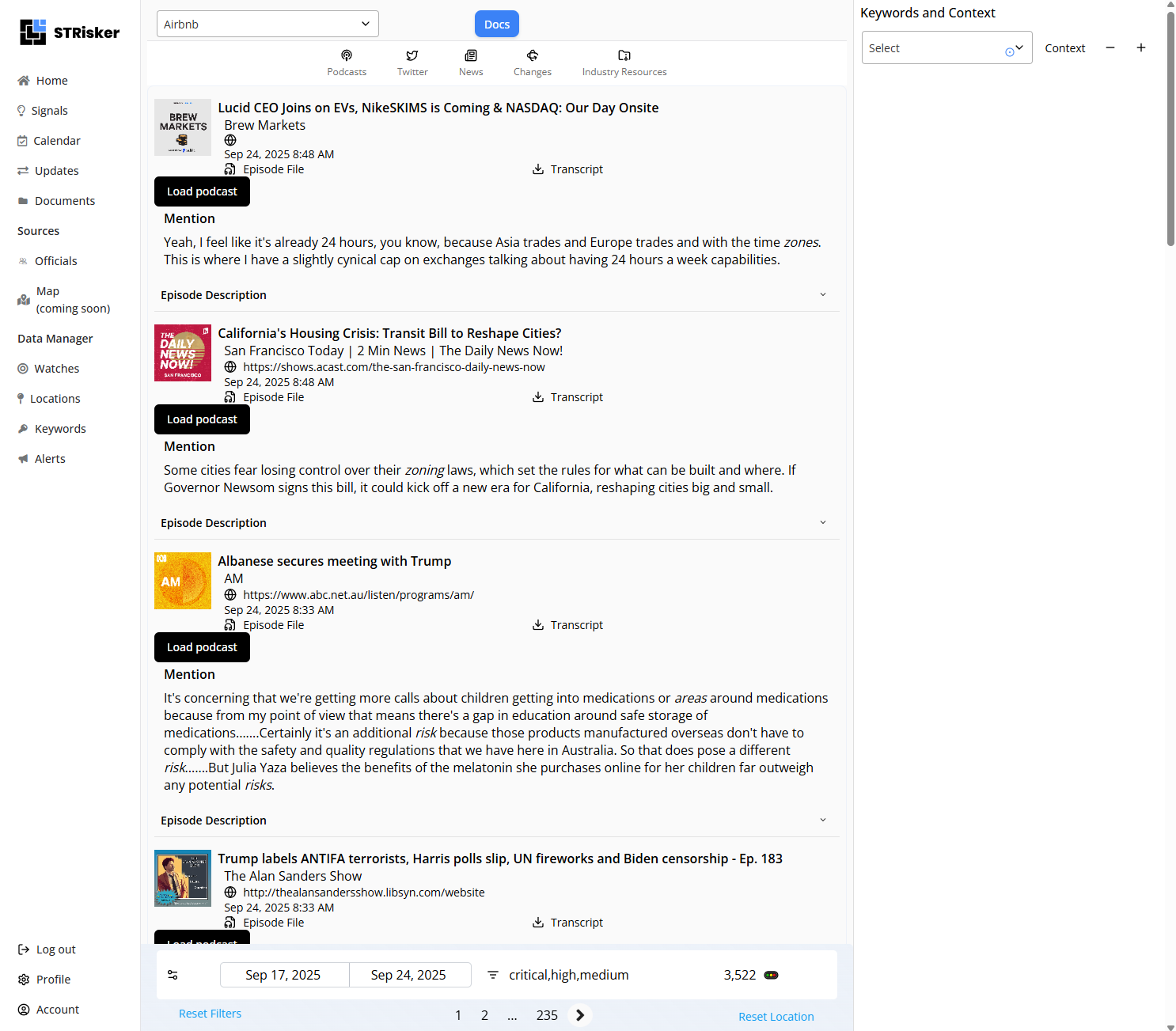
Social Listening 🎧: Podcast
Policy talk doesn’t just happen in the news cycle—it can also live in long-form audio. STRisker’s Podcast Signal turns hours of episodes into actionable insight, indexing transcripts so you can surface key mentions of STRs, ordinances, and local decision-makers in seconds.
Laketown Township, MI
Laketown Township has approved a new short-term rental ordinance that significantly limits where Airbnb- and Vrbo-style rentals can operate, including a ban on renting entire standalone homes in residential zoning districts.
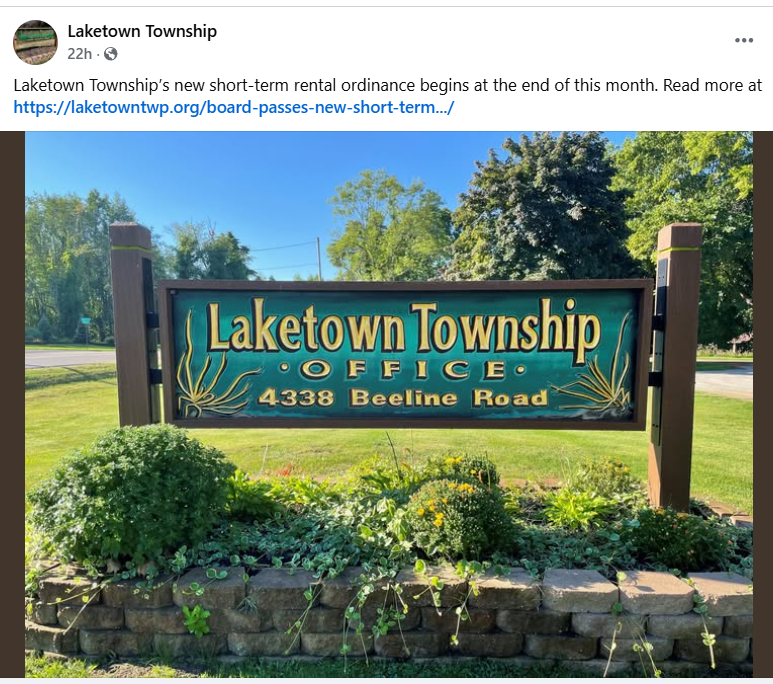
Under the rules, homeowners in residential areas may still rent attached rooms or accessory dwellings if they live on the property, while mixed-use districts will allow only one short-term rental unit per property and agricultural zones will prohibit short-term rentals entirely. The ordinance also introduces occupancy-related visitor caps, limiting the number of additional guests allowed on a property unless a special use approval is granted. The new rules take effect May 26 and replace a temporary moratorium on new short-term rentals, while existing approved operators will be allowed to continue under prior conditions.
Laketown Township has established new rules for short-term rentals, including banning the rental of full homes in residential areas: https://t.co/tvzgjSCZXx pic.twitter.com/dj8qjH4iSJ
— WOOD TV8 (@WOODTV) May 20, 2026
DeKalb County, GA
DeKalb County has officially launched its short-term rental program, requiring all Airbnb-style operators in unincorporated areas to obtain a Short-Term Rental License within 30 days as part of a new countywide compliance effort.

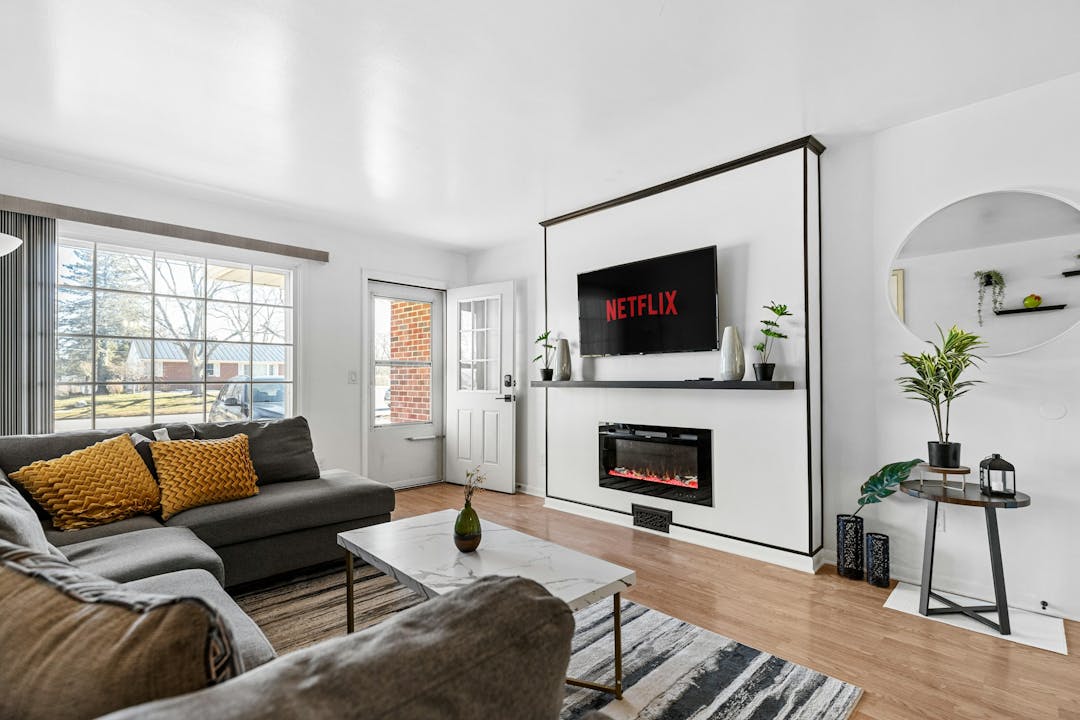
Under the program, short-term rentals are defined as any lodging or accommodation rented for fewer than 30 consecutive days, including listings on platforms like Airbnb, Vrbo and Booking.com. Starting May 20, 2026, owners and operators must apply through a dedicated STR portal rather than the county’s general permitting system, as officials move to centralize oversight and tracking of the growing sector.
Delta County, MI
Ford River Township moves forward with a new short-term rental (STR) regulatory framework after a lengthy public process involving residents, planners, and CUPPAD advisors, aiming to preserve residential character while setting enforceable standards for compliance and safety.

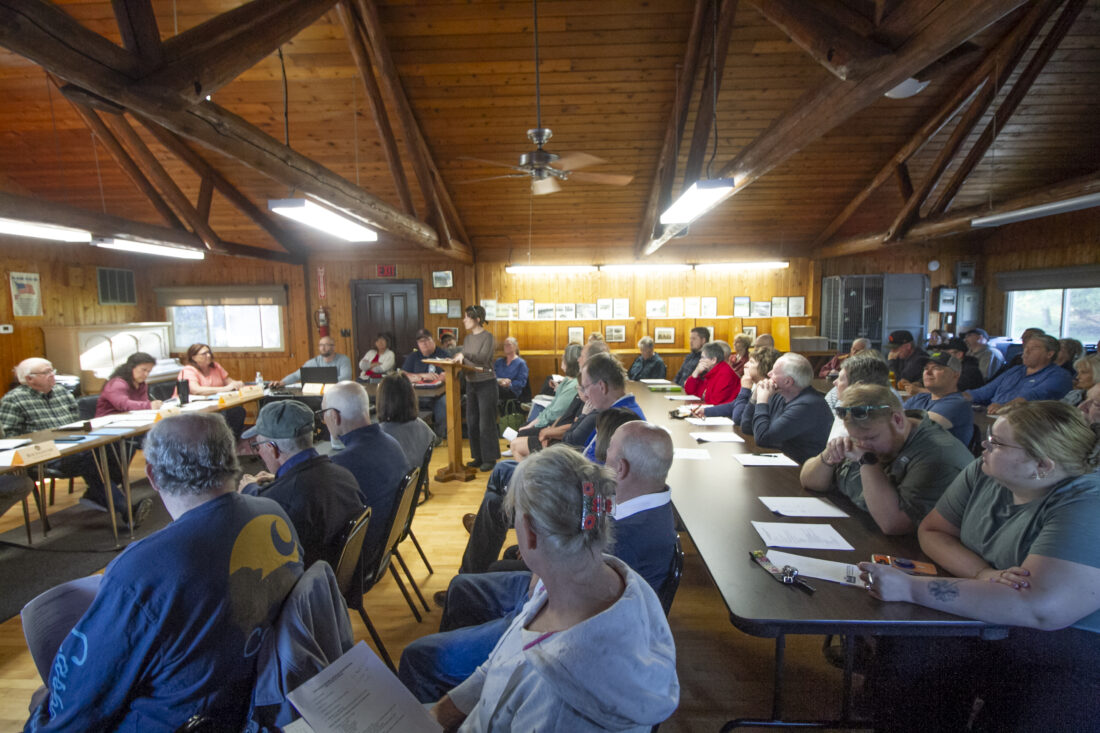
The adopted ordinance defines STRs, establishes certification and inspection requirements, and allows enforcement against unpermitted operations, but stops short of limiting where STRs can operate or capping their number. A separate zoning amendment that would have restricted STR locations narrowly failed, reflecting ongoing division over whether STRs should be treated as commercial uses in residential districts.
📱 Social Buzz
Episode Title: DeepMind's Singularity Foothills, OpenAI's IPO, and AI Fraud: A Tech Revolution Unfolds
Episode: AI in Marketing
Listen:https://share.transistor.fm/s/d893e17f
Arlington is gearing up for the FIFA World Cup! City leaders are working to balance tourism growth with neighborhood quality of life. At this week’s Council meeting, staff shared updates on short-term rentals, hotel trends, and the hospitality outlook: https://t.co/3hSrNpZtuY pic.twitter.com/RiXOX57k5W
— City of Arlington (@CityOfArlington) May 20, 2026
The City of Providence is collaborating with Airbnb to expand short-term rental opportunities ahead of the World Cup.
— Mayor Brett Smiley (@PVDMayor) May 20, 2026
With visitors from around the globe expected to travel to Rhode Island, Providence is gearing up for a busy and exciting summer season. The collaboration aims to… pic.twitter.com/do2DBAz7uM
Under the current Home-Sharing Ordinance, owners may only list their primary residence for short-term stays. Non-primary residences are restricted to rentals of 30 days or longer. The proposed ordinance would add up to 31,000 units to the city’s short-term rental market.
— Oron Maher (@MaherCommercial) May 20, 2026
Legislation recently proposed in Illinois would levy an excise tax on short-term rentals, including those booked through platforms like Airbnb.
— Tax Notes (@TaxNotes) May 20, 2026
Read more from @EmilyHoll9: https://t.co/dAmYwzDiDm pic.twitter.com/Z8jRRVKGjC
Illinois bill proposes 4% tax on short-term rentals to fund affordable housing https://t.co/3JYsoD69gy
— IL Politihub (@ILPolitihub) May 19, 2026
After years of trying - and plenty of stalled and scrapped legislation - Cleveland City Council is moving to regulate and limit short-term rentals. Details from @KosichJohn https://t.co/NYw7eUCeVA
— Michelle Jarboe (@mjarboe) May 20, 2026
In case you missed it:
 Genelaine Urbano
 Genelaine Urbano
Stay Updated with STRisker
STRisker offers tools and features to keep you updated with the Short-Term Rental movement (and now Data Centers!) across the globe.
👍 We’d love your feedback.
Which stories hit? Which ones missed?
We're constantly refining Daily Notes to make it even more useful for you.
✉️ Just reply directly to this email. We read and respond to every message!
-Will McClure
🙋 P.S.
Know someone else who should be reading Daily Notes? Feel free to forward this along. We’re opening a few more spots.