
Data Centers: Daily Notes | May 21, 2026
North Carolina advances statewide data center regulations, Ohio's tax break balloons to $1.6 billion, and Seattle proposes a one-year moratorium on new data centers.


At A Glance 🔽
- Ohio's data center sales tax exemption cost $1.6 billion in 2025, eleven times more than the state's original $136 million estimate.
- North Carolina House committee advances the Ratepayer Protection Act.
- Seattle councilmembers propose a one-year moratorium on new data centers; committee votes expected June 3.
- Mesa, AZ planning board votes to recommend approval of NTT's 2.3 million square foot, seven-building data center campus on 170 acres.
- Boulder City, NV planning commission denies an AI data center.
- Niles, OH city council approves a 180-day moratorium on data center permits.
- Franklin County, PA commissioners unanimously approve a new data center ordinance after over 100 public comments.
- Irondale, AL leaders say no developer interest exists and the city is not pursuing data centers after community feedback ran 70-80% opposed.
- Madison, IN zoning commissioners uphold a determination allowing a 7.1 million square foot data center on 549 acres at Jefferson Proving Grounds.
- Crowell and Quanah, TX residents warn water supplies are already strained as data center development expands across the region.
Ohio
Ohio's data center sales tax exemption cost the state $1.6 billion in 2025, eleven times more than the Department of Taxation's original estimate of $136 million. In 2024, the exemption cost $554.9 million, already four times more than forecasted.
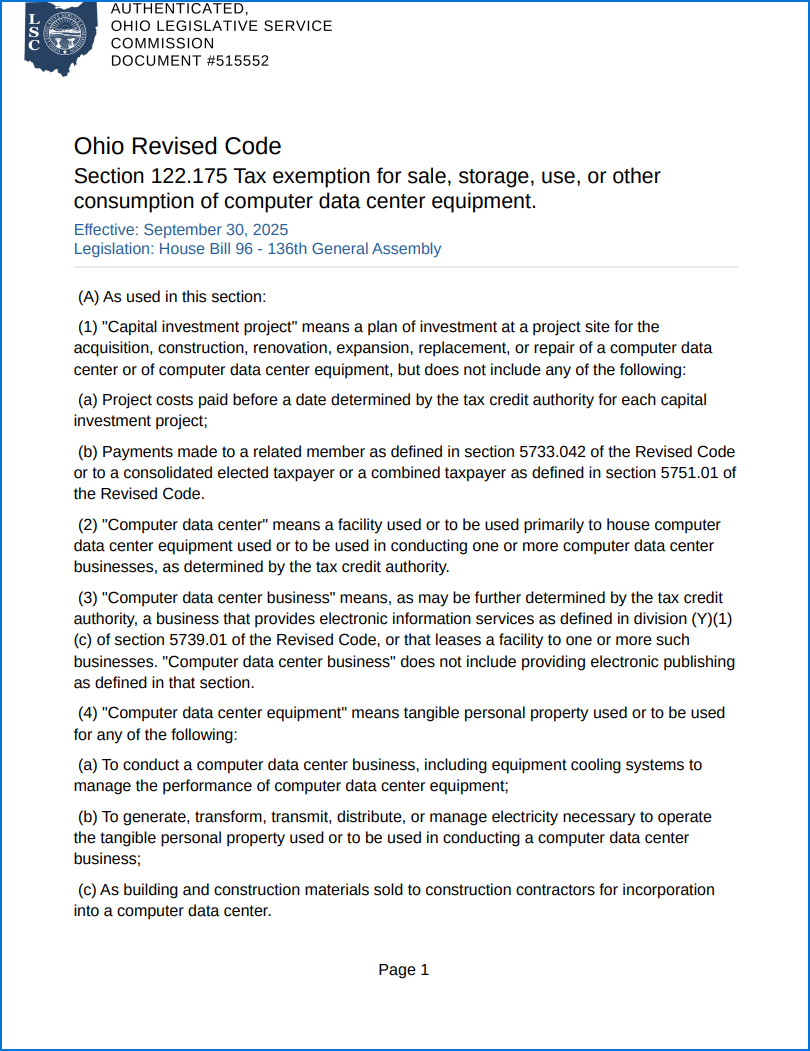
The savings flow to companies including Meta, Alphabet, and Amazon through an exemption to Ohio's 5.75% statewide sales tax that can last up to 15 years for facilities costing $100 million or more to build. State lawmakers voted to end the tax break to help finance income tax cuts, but Gov. Mike DeWine vetoed the proposal. A special legislative committee focused on data centers plans to field testimony from state officials on the discrepancy. House Speaker Matt Huffman has said he would like to override the veto but lacks sufficient support.
To that point, we write to you today to urge your support for a veto override that would repeal the Data Center Sales Tax Exemption. Overriding this veto (Item Number 58) would ensure that if these types of facilities continue to locate in Ohio, they will provide the maximum benefit to the taxpayers of this state.
- Letter Addressed To The Leaders of Ohio General Assembly to repeal Data Center Sales Tax Exemption
North Carolina
A North Carolina House committee advanced Senate Bill 730, the Ratepayer Protection Act, which would establish statewide guardrails on data center development. The bill cleared the House Energy Committee and now moves to the House Rules Committee.
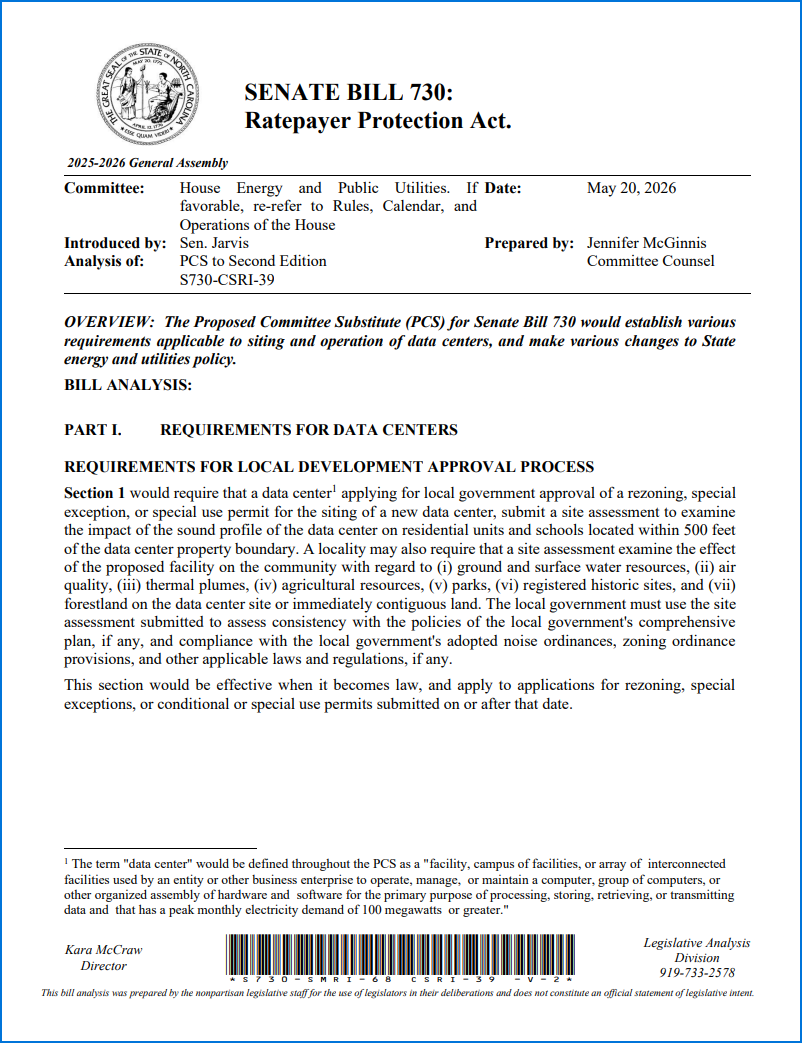
The legislation would require data centers to use closed-loop water systems, prohibit ownership by governments or citizens of China, Russia, Iran, and North Korea, and bar local governments from offering economic incentives or using eminent domain to attract data center projects.
Seattle, Washington
 Dane Artisola
Last covered...
Seattle councilmembers introduced a one-year moratorium on new data centers after reports that four companies have approached Seattle City Light with proposals for five large-scale facilities. The Land Use and Sustainability Committee and the Parks and City Light Committee were briefed Wednesday; neither took a vote, but dozens of residents voiced support during public comment.
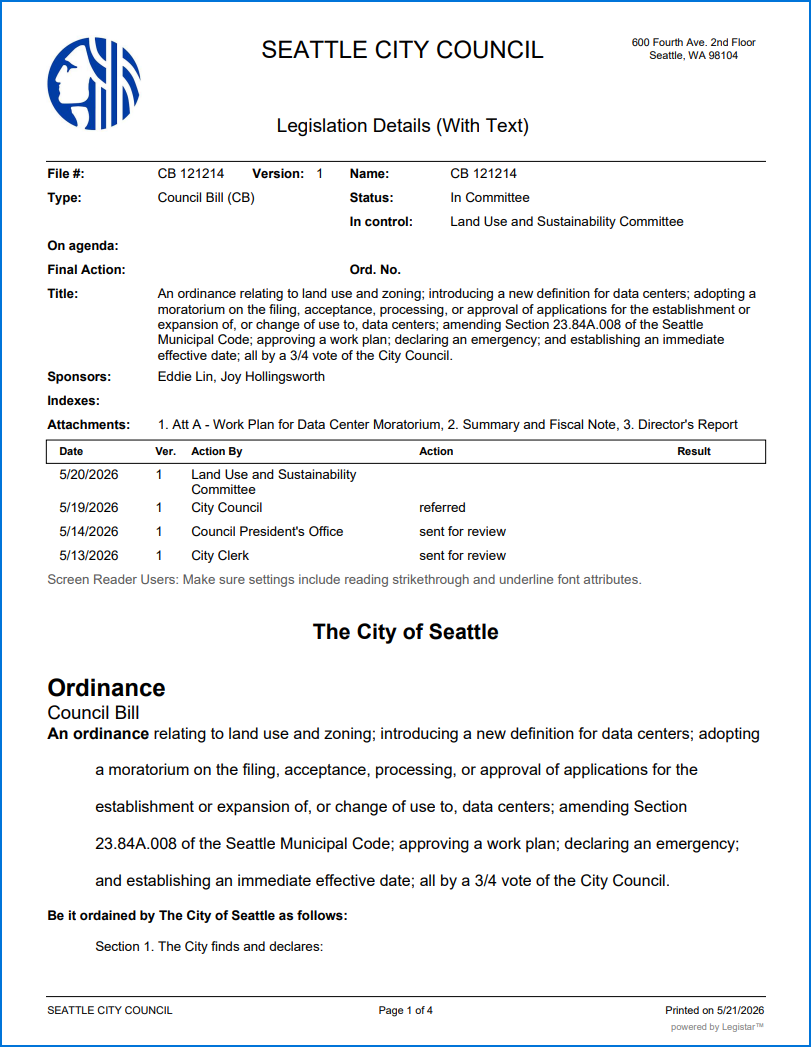
The proposed facilities would have a combined maximum demand of 369 megawatts, enough to power about 300,000 homes, according to city officials. Seattle already has roughly 30 small data centers, but the proposed projects would be the first large-scale centers in the region. A companion resolution would require the city to study impacts on infrastructure, water usage, utility rates, and public health. Both committees are expected to vote June 3, and if passed, the moratorium would take effect immediately.
Mesa, Arizona
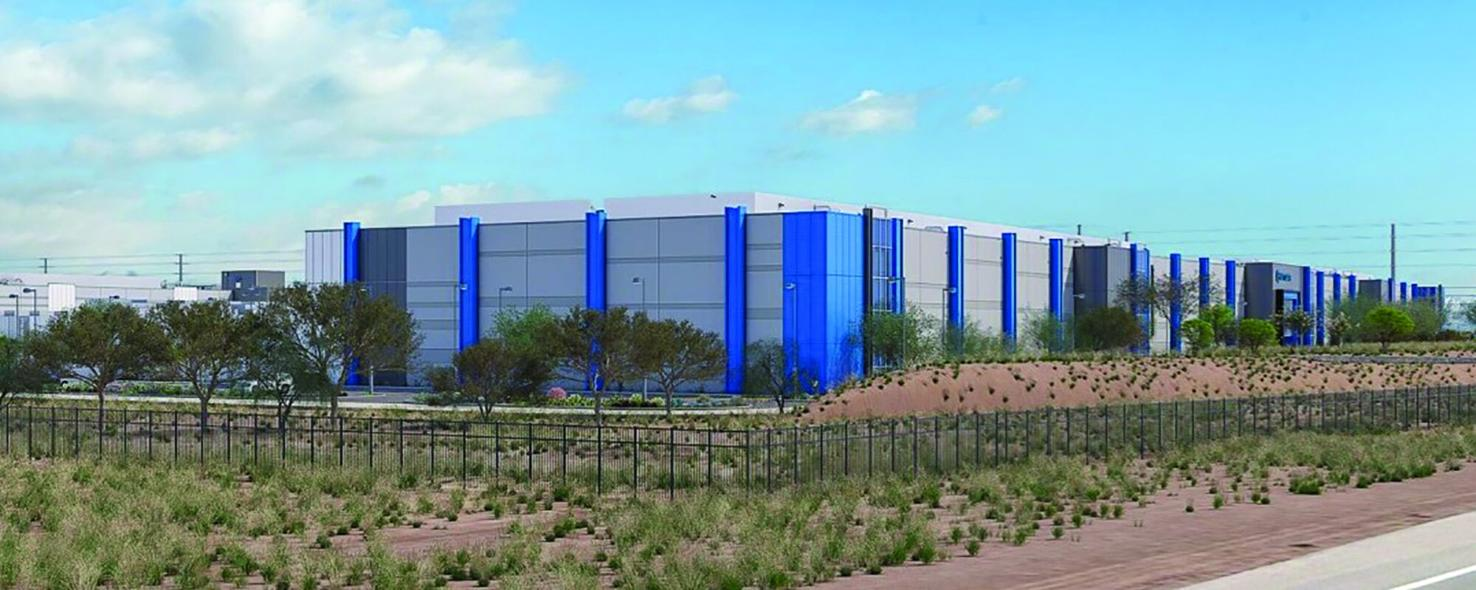
Mesa's Planning and Zoning Board voted to recommend council approve NTT Global Data Center's proposal for a 2.3 million square foot data center campus with seven buildings on a 170-acre vacant site at Pecos and Crismon roads. NTT, a Japanese IT service and consulting company, purchased the land from Pacific Proving LLC last year for $300 million.
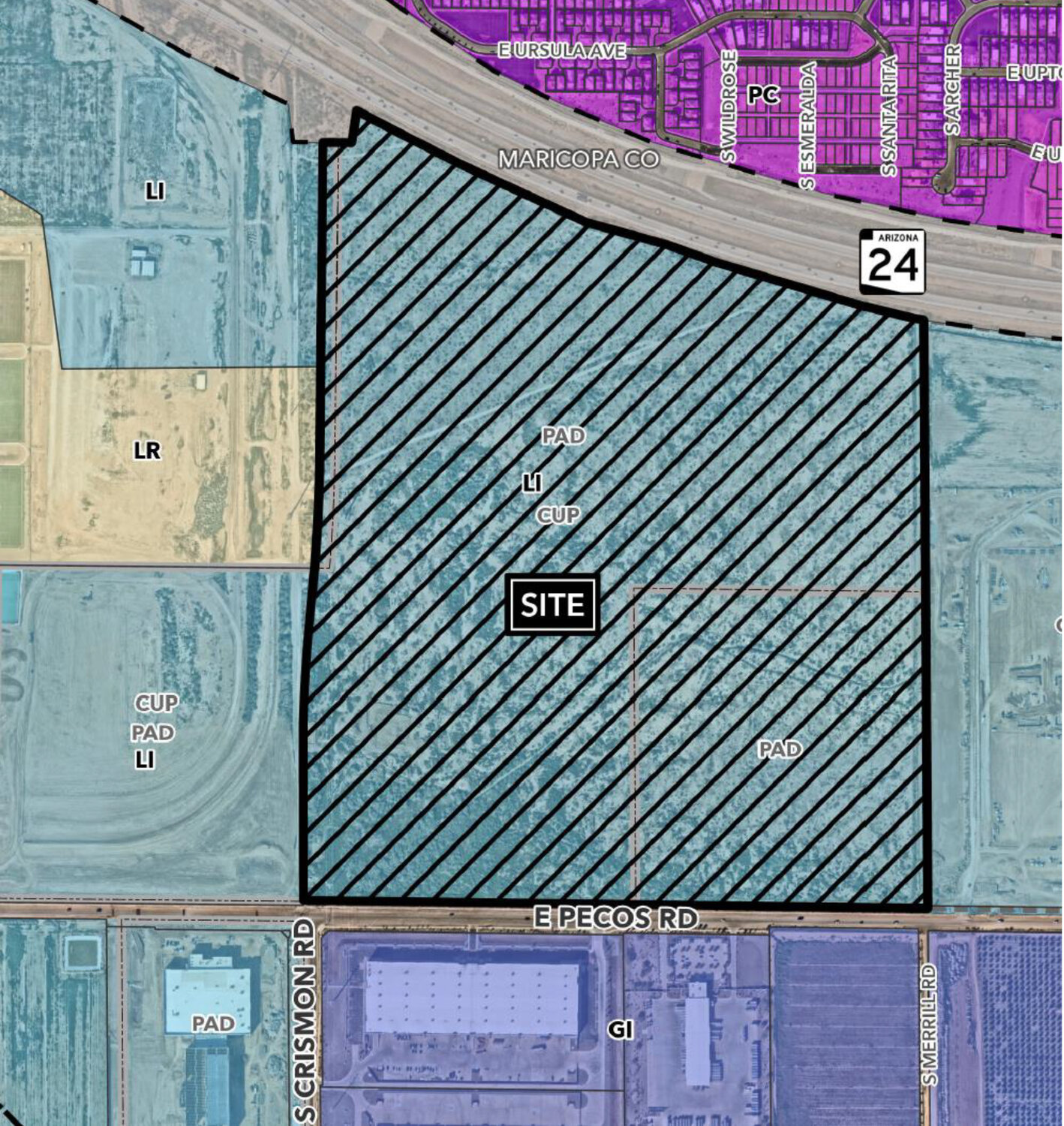
Each building would use a closed-loop, self-contained chiller system with no evaporative cooling, according to the company. The board added a condition requiring NTT to submit a revised landscape plan using drought-tolerant plants before applying for building permits, after Chair Benjamin Ayers said the proposed species were not appropriate for Arizona. The project is grandfathered under Mesa's previous warehousing ordinance because it was submitted before council approved stricter data center regulations last July. Council introduction is set for June 8 with action expected July 20.
Boulder City, Nevada
 Government Websites by CivicPlus®
Boulder City's planning commission voted to deny a proposed AI data center after three hours of public comment Wednesday night. The project, called "Townsite Solar 2", had previously moved forward with modified plans after a town hall.
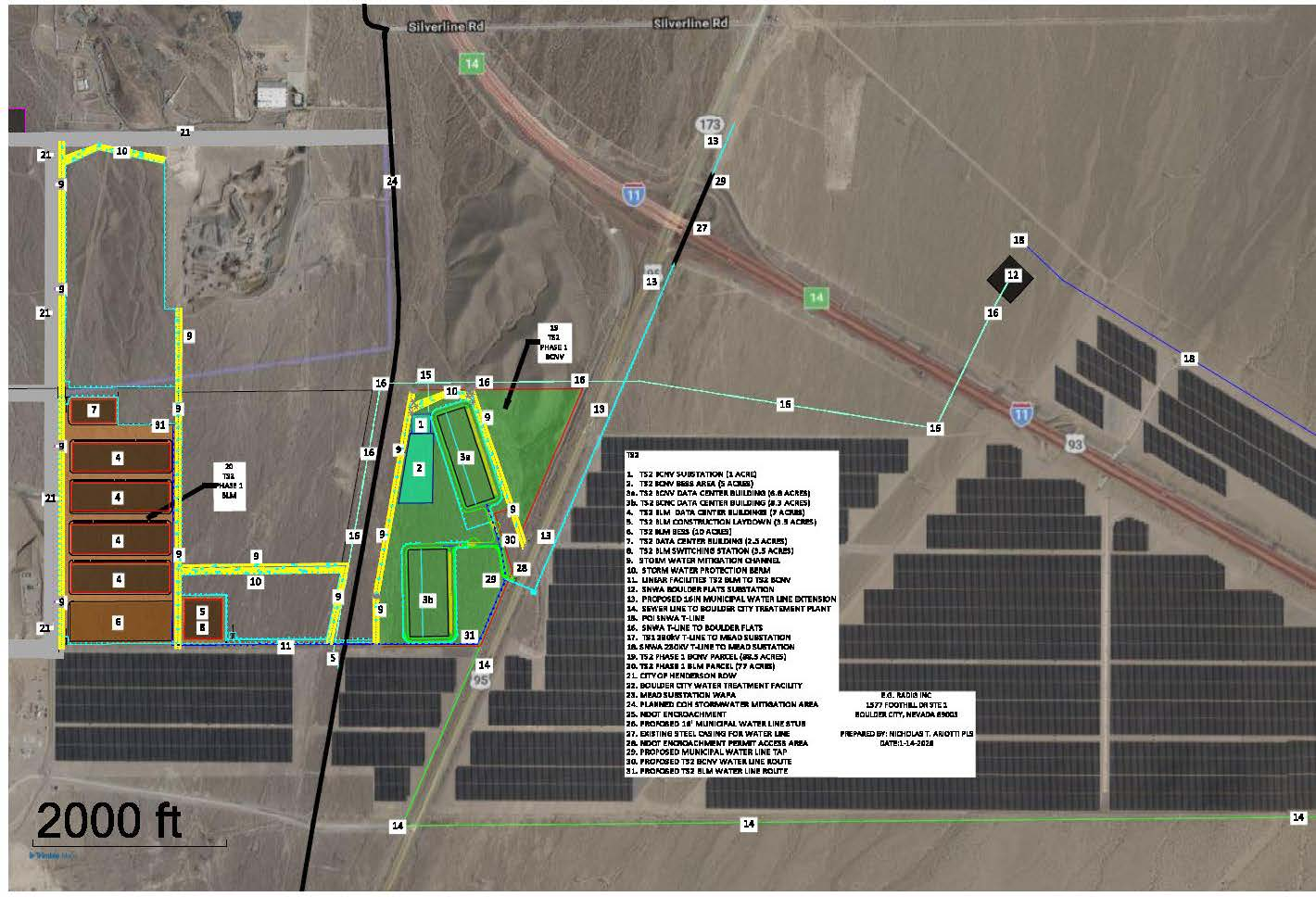
Had it been approved, the application would have advanced to the city council. Residents state they did not welcome the project, citing concerns about preserving the character of their community.
Niles, Ohio
Niles city council approved a 180-day moratorium on the granting or issuing of new permits for data centers and declared an emergency. The action follows an April 15 presentation by Bitdeer, a Singapore-based technology company focused on cryptocurrency and AI cloud infrastructure, which plans to build a facility at 1047 Belmont Ave. on property purchased in May 2025.
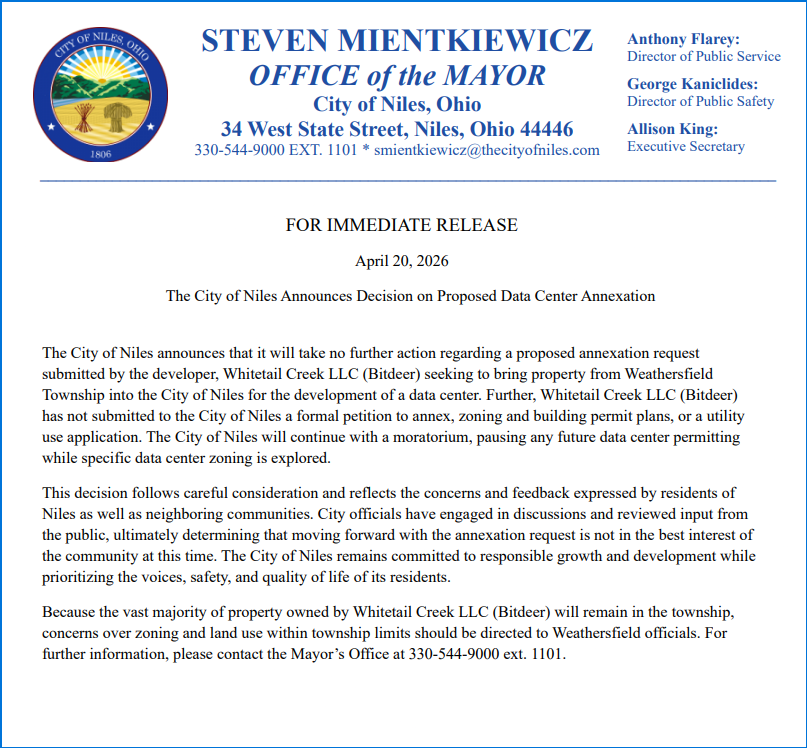
Council approved legislation at a May 6 meeting to bring in a consultant, CodeCraft Planning Studio, to help draft restrictive data center language. Councilman Aaron Johnstone said the city lacks zoning laws that address data centers, and the moratorium guarantees nothing will come in over the six-month period while officials develop protections.
Franklin County, Pennsylvania


Franklin County commissioners approved new regulations governing future data center development after months of public hearings and over 100 public comments. The amendment to the county's Subdivision and Land Development Ordinance (SALDO) establishes standards for data center projects in municipalities that do not have zoning regulations.
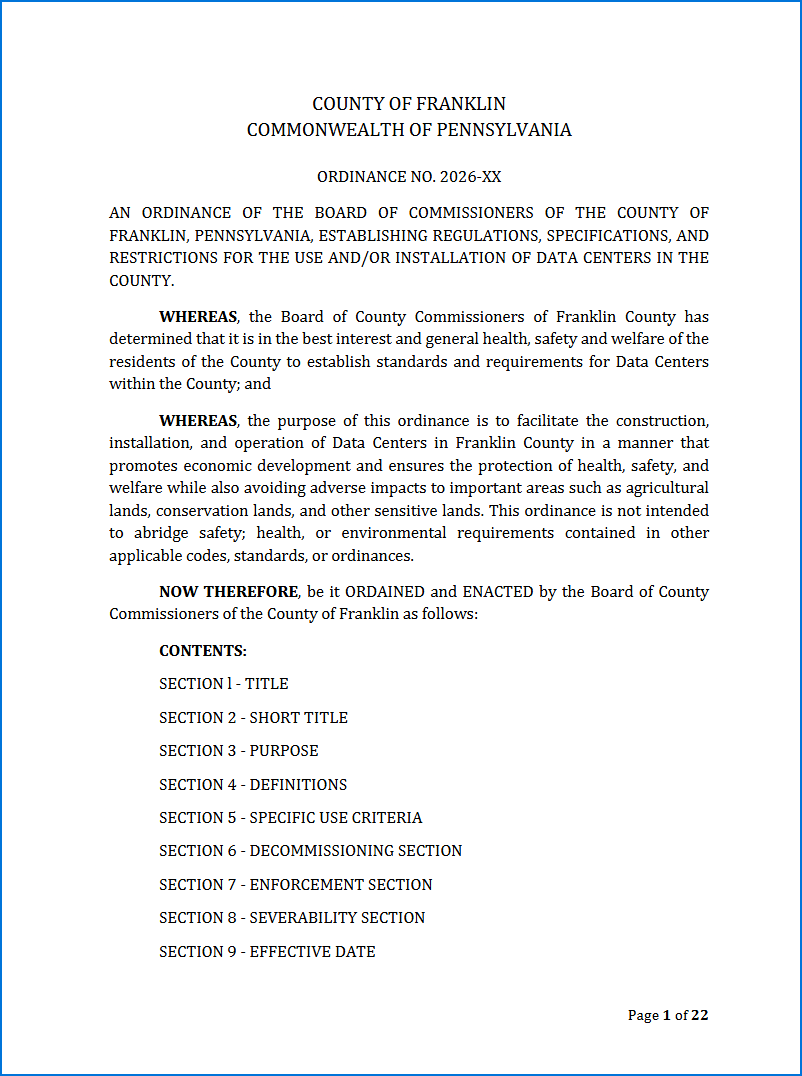
Commissioners described the ordinance as a starting point rather than a finished product. Commissioner John Flannery said land-use decisions are typically made at the municipal level and left the door open for municipalities to modify the ordinance locally. Commission Chairman Dean Horst directed county staff to revisit the regulations bi-annually. Public comments throughout the process focused on protecting farmland, preserving water resources, and addressing energy demands.
Irondale, Alabama
Irondale leaders say the city is not pursuing data centers after an Ordinance Committee meeting Wednesday where residents provided feedback on the topic.
Stewart said 70 to 80% of communities that hold these conversations end up opposing data centers, and Wednesday's feedback followed that pattern. He acknowledged that large construction projects bring significant short-term permitting revenue but said the long-term economic impact of data centers is still being studied. Stewart said the meeting was a proactive step to gather input and determine whether the city needs protective regulations before any proposal ever reaches city hall.
Madison, Indiana
Jefferson County's Board of Zoning Appeals voted to uphold a determination that a data center can be built on 549 acres at Jefferson Proving Grounds following a 5.5-hour public hearing. The Ford family, which owns 3,600 acres purchased in 1995, wants to sell a portion for a proposed 7.1 million square foot facility.
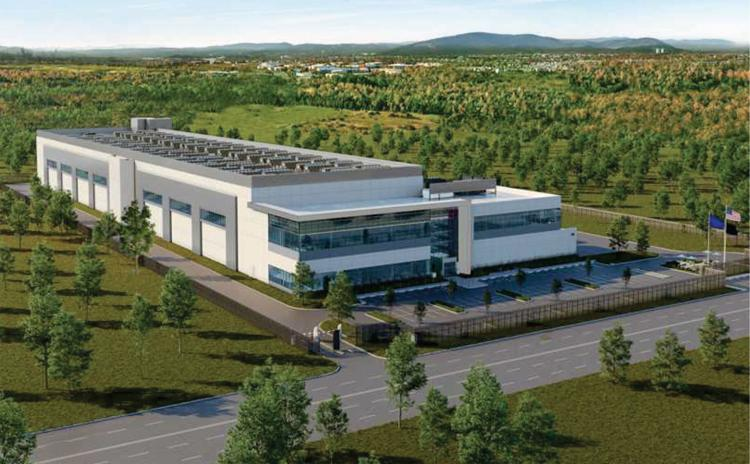
Jefferson County Zoning Administrator Josh Cline had determined in February that the area's heavy industrial zoning classification applied to a data center even though data centers are not specifically listed in the ordinance. A resident appealed that decision, but the board voted to uphold it. The Fords said the project would generate $60 million in annual tax revenue for the county, though opponents argued the development would be a burden rather than a benefit. The operator has not yet been named.
Crowell and Quanah, Texas
Residents in Crowell and Quanah continue raising concerns about how proposed data center projects in the region could affect their already strained water supplies. Crowell Mayor Ronnie Allen said the community is currently out of water.
Quanah City Council member Lisa Barnett said she was told that if the region keeps adding data centers, RV parks, and population, it may have only one to two water years left. Council member John Jackson noted that neighboring Childress and Vernon stand to receive data centers and tax revenue, while Quanah and Crowell bear infrastructure impacts without the same economic benefits. Jackson said city crews have been working around the clock pumping sewers for the past six to eight months due to the influx of workers.
Social Listening 🎧: Podcast
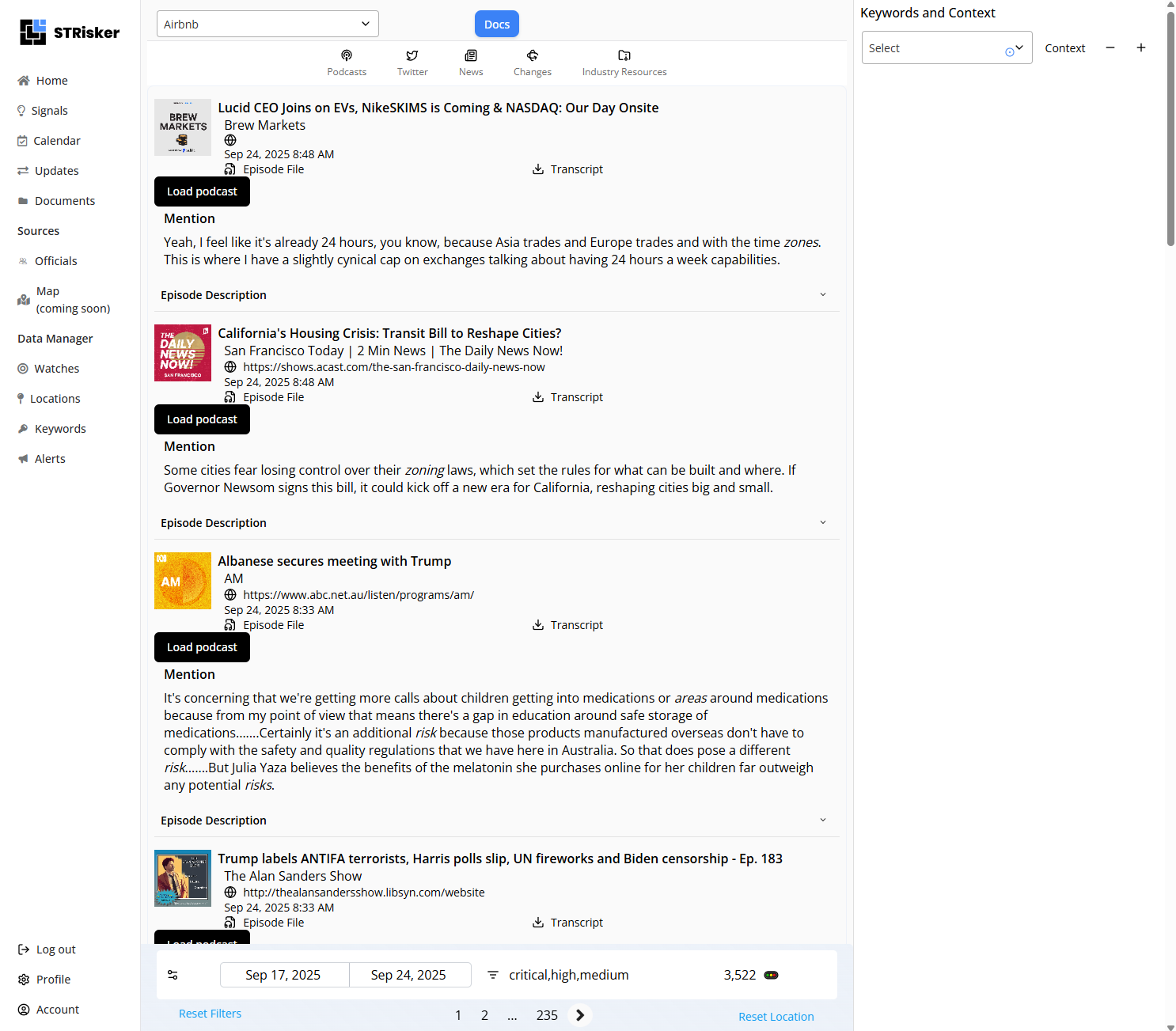
Policy talk doesn’t just happen in the news cycle—it can also live in long-form audio. STRisker’s Podcast Signal turns hours of episodes into actionable insight, indexing transcripts so you can surface key mentions of STRs, ordinances, and local decision-makers in seconds.
Stay Updated with STRisker!
STRisker offers tools and features to keep you updated with the Short Term Rental movement (and now Data Centers!) movement across the world.
👍 We’d love your feedback.
Which stories hit? Which ones missed?
We're exploring a new branch of topics centered around Data Centers and want to make it even more useful for you.
✉️ Just reply directly to this email. We read and respond to every message!
-Will McClure
🙋 P.S.
Know someone else who should be reading Daily Notes? Feel free to forward this along. We’re opening a few more spots.