
Data Centers: Daily Notes | August 26, 2026
Florida’s Public Service Commission is reviewing Duke Energy’s first proposal under Senate Bill 484; Henry County adopted a new Data Center District ordinance; Jackson Township Council voted 4‑1 to ban data centers; Pinal County; Garfield Township; Orangetown; Pataskala; Durham; Lubbock. READ MORE.


At A Glance 🔽
- Florida: Florida’s Public Service Commission is reviewing Duke Energy’s first proposal under Senate Bill 484, with commissioners questioning whether it adequately shields ratepayers from data center costs.
- Henry County, Virginia: Henry County adopted a new Data Center District ordinance requiring rezoning and special use permits, with strict setbacks, noise limits, water‑use studies, and closed‑loop cooling mandates.
- Jackson, New Jersey: Jackson Township Council voted 4‑1 to ban data centers, becoming the 38th New Jersey municipality to enact such a prohibition amid statewide grassroots activism.
- Pinal County, Arizona: Pinal County residents continue opposing Vermaland’s scaled‑down 3,300‑acre La Osa Data Center project despite developer concessions on water, power, and open space.
- Garfield Township, Michigan: Garfield Township approved a one‑year moratorium, extendable to 18 months, to study data center impacts on water, power, and siting.
- Orangetown, New York: Orangetown enacted a six‑month moratorium on new data centers and battery storage projects after strong resident opposition, exempting DataBank’s ongoing expansion review.
- Pataskala, Ohio: Pataskala City Council unanimously rejected Aligned Data Centers’ 200 MW campus plan over unresolved power supply questions, sending the issue toward a November ballot measure.
- Durham, North Carolina: Durham County Commissioners passed a nine‑month moratorium on large data centers to refine regulations and study environmental impacts, aligning with the city’s parallel pause.
- Lubbock, Texas: Lubbock City Council formally accepted a citizen petition for an 18‑month moratorium on high‑water and high‑energy use data centers, setting a September 8 public hearing.
Florida
Florida's Public Service Commission is weighing whether Duke Energy's proposal does enough to shield ratepayers from data center costs, in the first test of a new state law, Senate Bill 484, requiring large-load customers like data centers to bear their own full cost of service.
Duke was the first investor-owned utility to file a proposal under the law, which took effect last month, and the PSC heard roughly five hours of testimony Tuesday without taking a formal vote; a written order is expected after post-hearing briefs. Duke's plan sets a minimum 20-year contract term and mandatory early-termination fees but doesn't establish specific new rates for large-load customers, something consumer advocates say the law requires.
Consumer advocate Walt Trierweiler said Duke's proposal fails to address the most basic provisions of the law and leaves customers exposed to potential costs if data center projects fail to materialize or underperform over their operational life. Duke currently has no large-load data center customers, though it's slated to power what could become Florida's first hyperscale facility in Fort Meade, a project still facing additional regulatory review.
Henry County, Virginia
Henry County amended its zoning ordinance to establish a new Data Center (D-C) District and create a detailed regulatory framework for potential future data center development, with facilities requiring both rezoning approval and a special use permit.
 Abby Allard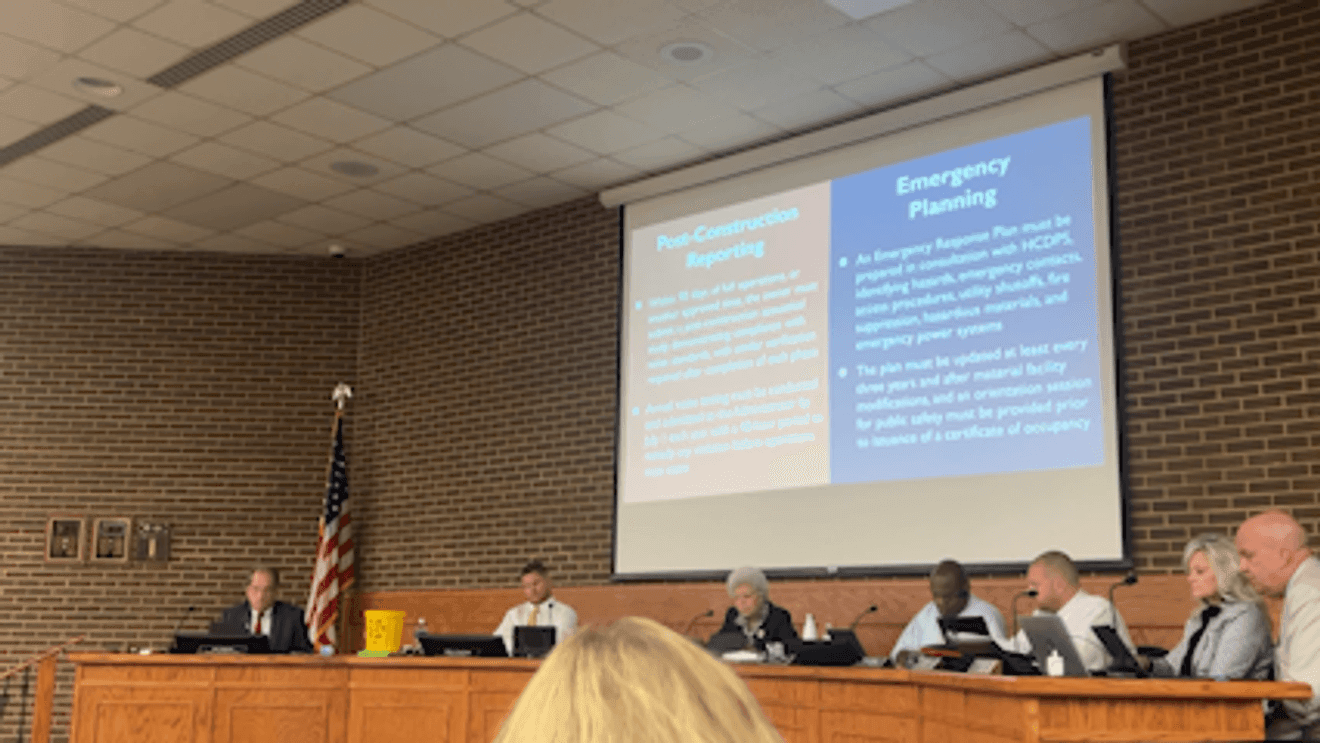
The final rules were strengthened following public concerns raised at a July 28 hearing, adding greater setbacks, stricter noise controls, limits on cooling technology, and expanded water-use analysis. Data centers must be at least 1,000 feet from properties not zoned industrial and 500 feet from adjoining industrial properties, while operational noise is capped at 50 dBA at the exterior property line. Only closed-loop cooling systems are permitted, with evaporative cooling and cooling towers prohibited, and applicants must provide third-party studies addressing water supply, groundwater, wastewater, drought impacts and cumulative effects.
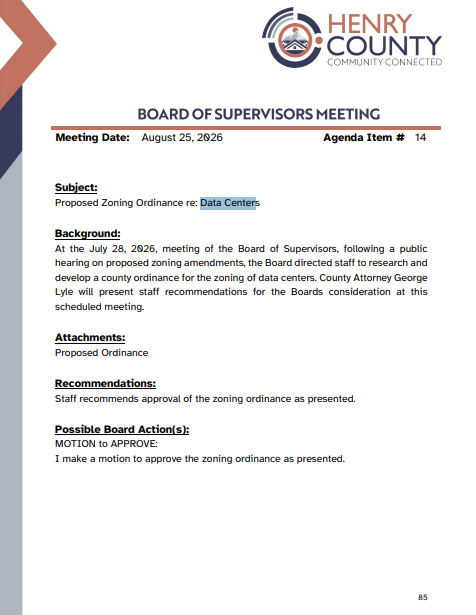
Developers must also document electrical capacity, evaluate lower-impact emergency power options, prepare emergency response plans, screen mechanical equipment, and provide financial assurance for eventual decommissioning. The ordinance does not rezone any property, meaning a future developer would first need to obtain a rezoning through public hearings before seeking a separate special use permit from the Board of Zoning Appeals.
Jackson, New Jersey
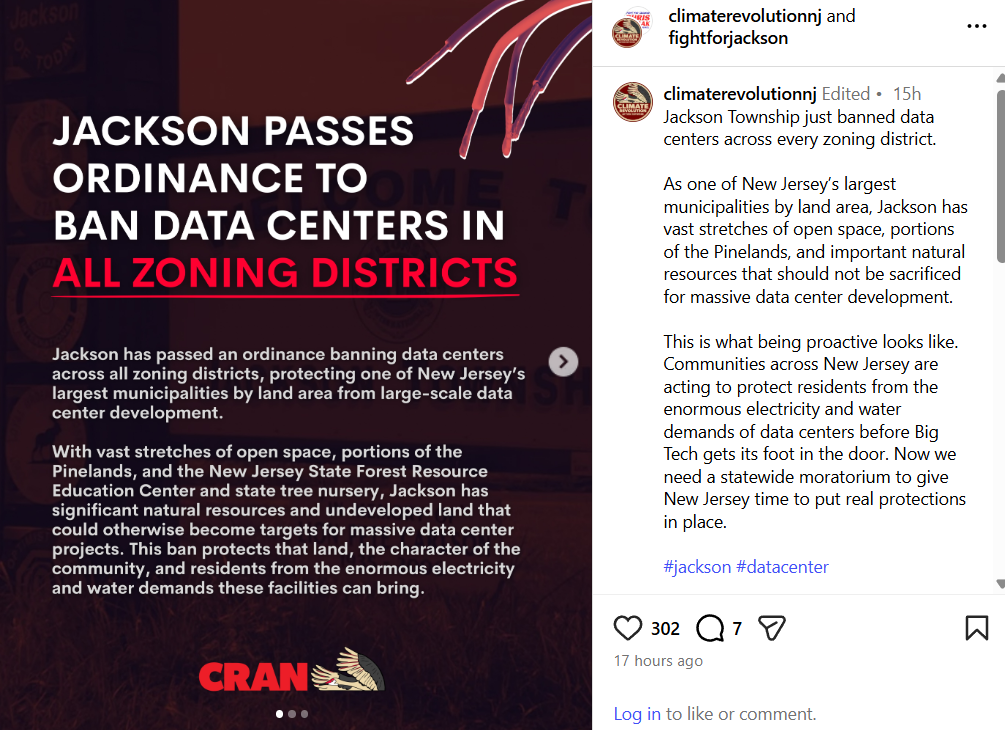
Jackson Township Council voted 4-1 to ban data centers, making it the 38th municipality in New Jersey to enact such a prohibition and the second in Ocean County to do so this week.


The ordinance was pushed by Councilman Chris Pollak and local residents and activists, who cited concerns about data centers' potential strain on the electric grid and clean water supplies, as well as impacts on the township's environment and character. The ban was supported by Climate Revolution Action Network New Jersey (CRAN), which has been organizing with residents across the state to advance local data center restrictions. Councilman Ken Bressi was the sole vote against the ban. The move adds to a growing statewide trend of New Jersey municipalities blocking data centers as communities push for greater local control over large-scale AI infrastructure development.
Pinal County, Arizona
Residents are opposing the proposed 3,300-acre La Osa Data Center near Eloy and Picacho Peak, citing concerns over groundwater use, energy costs, air quality, noise and impacts on the surrounding desert environment.
 Jason Barry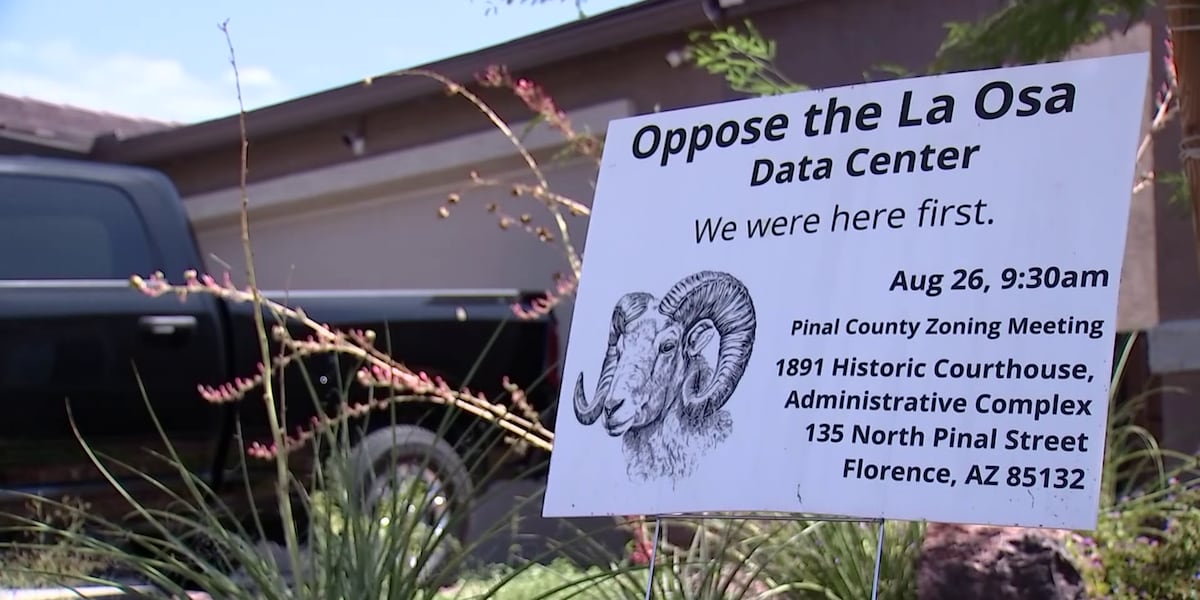
The Pinal County Board of Supervisors was scheduled to vote on a zoning change that would shift the site from agricultural to industrial use, a move required for the project to proceed. The developer, Vermaland, said it has scaled the project down from an initial 59 buildings to 11 data center buildings and agreed to stipulations limiting water and power consumption, noise levels and dedicating nearly 1,000 acres to open space. Despite those changes, nearby residents said they remain opposed to the project and questioned whether their concerns have been adequately heard by county officials.
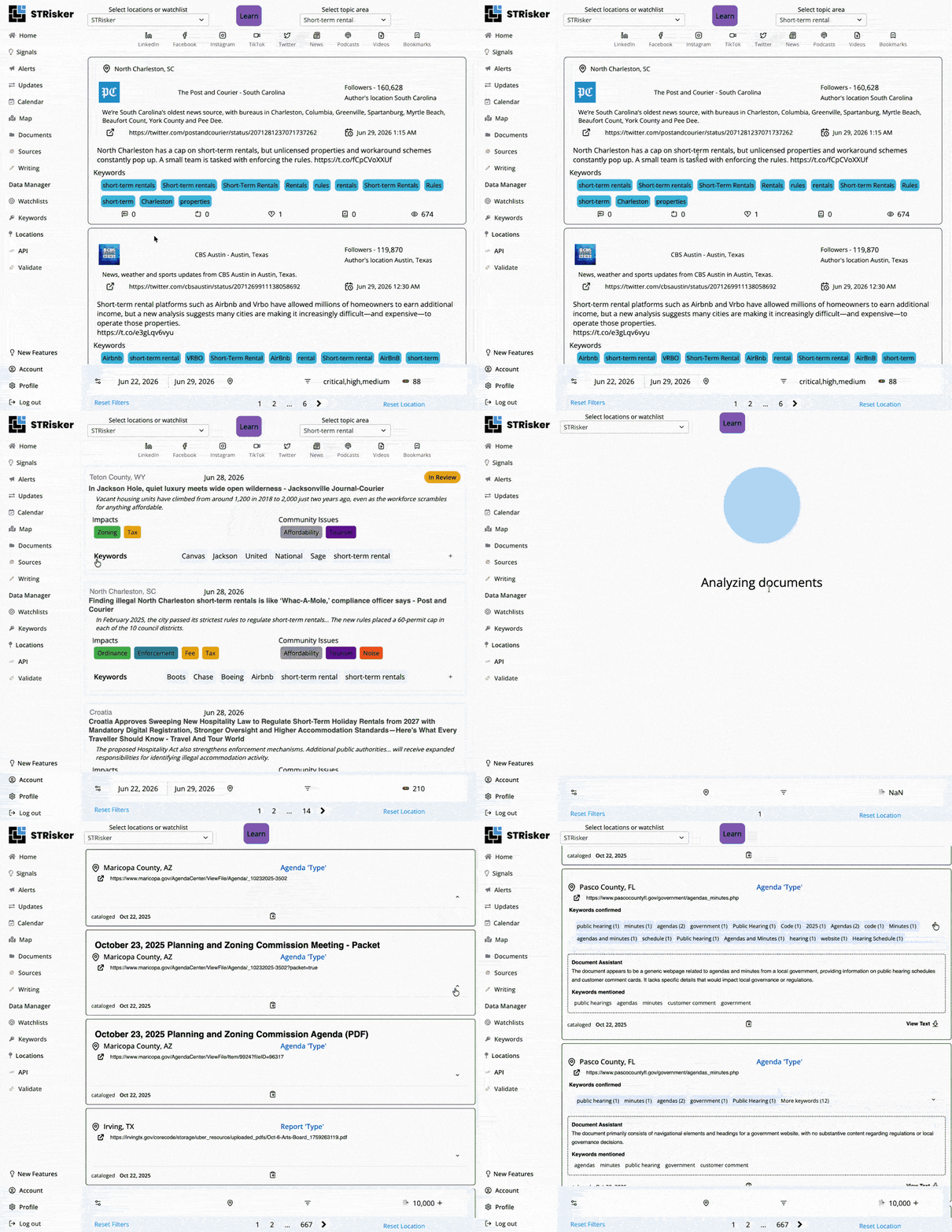
Strisker Keyword Searching
Finding the right keywords shouldn’t feel like digging through endless text—Strisker’s Keywords Searching tool cuts through the clutter for you. It tracks the essential keywords and terms across thousands of documents, highlighting information that matter most to you at a glance.
Garfield Township, Michigan
Garfield Township approved a one-year moratorium on future data center development, with an automatic six-month extension, giving officials up to 18 months to study the potential impacts of the facilities on local resources and the environment.
 Nicholas Simon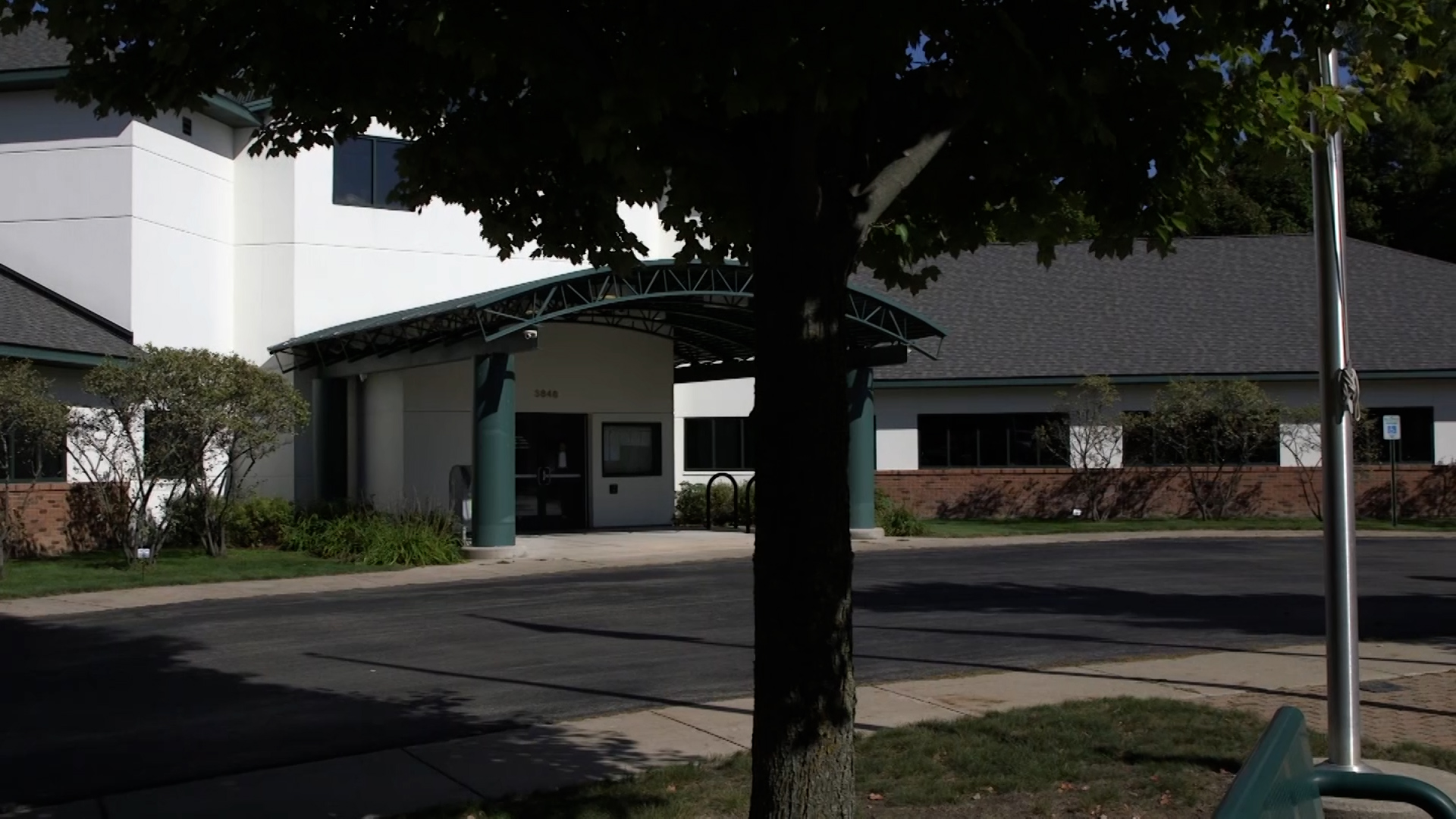
Township Board Chair Joe McManus said officials particularly want to determine how data centers could affect water and power resources and where such facilities could be located while minimizing their impacts. The township also worked with its legal teams to structure the moratorium after seeing other Michigan communities face legal challenges to similar measures. No specific data center regulations have been drafted yet, but work is expected to begin at the next Planning Commission meeting. McManus said the moratorium received unusually broad community support, with residents who had repeatedly raised questions about data center development unanimously backing the pause.


Orangetown, New York
The Orangetown Town Board approved a six-month moratorium on applications for new data centers and battery energy storage systems following strong community opposition and a public hearing that drew significant resident interest.
 Jackie Gillis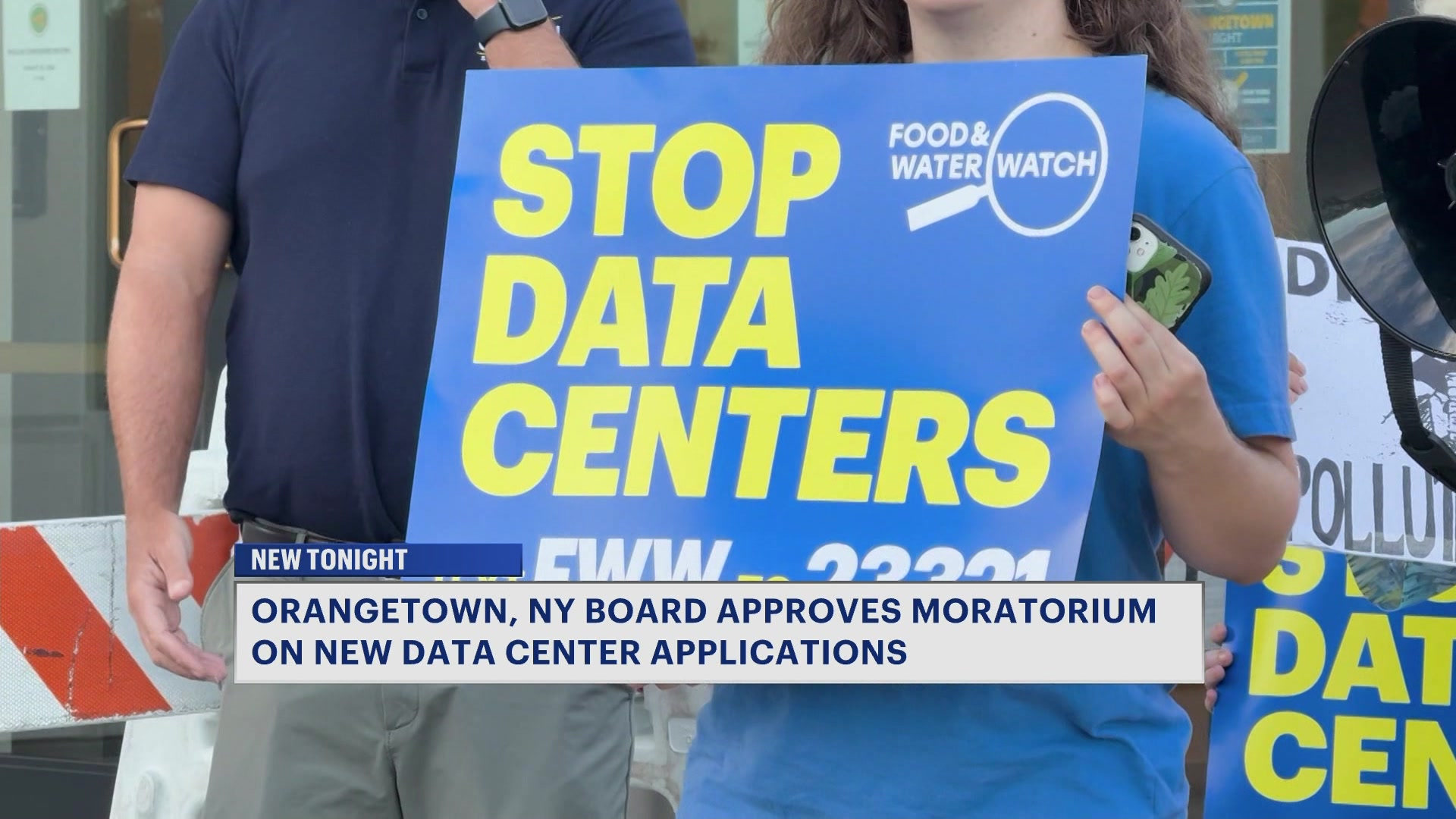
Residents and activists raised concerns about potential environmental and public health impacts, including emissions, water consumption and the proximity of future facilities to Lake Tappan and nearby wildlife habitats. The moratorium does not apply to DataBank’s proposed expansion of its existing Orangetown facility, which is already undergoing the town’s review process and a full environmental impact study that could take six months to a year. The temporary pause is intended to give town officials additional time to study the impacts of future data center and battery storage projects before considering new applications.


Pataskala, Ohio
Pataskala City Council unanimously rejected Aligned Data Centers’ site plan for a proposed 200 megawatt campus, citing unresolved questions about how the project would be powered.
Council members said the company could not provide clear details on electricity supply, since final decisions would fall to the Ohio Power Siting Board after local approval. Residents packed the meeting and urged the council to halt the project, pointing to concerns about scale, infrastructure demands, and long-term impacts on the community. The vote aligns with a planning and zoning commission recommendation from June, and the issue now moves toward a November ballot measure that would decide whether large data centers are allowed in Pataskala and Granville.
Durham, North Carolina
Durham County Commissioners approved a nine month moratorium on new data center development in a 4–1 vote, limiting projects over 100,000 square feet while allowing smaller facilities that use closed loop cooling.
 Jamiese Price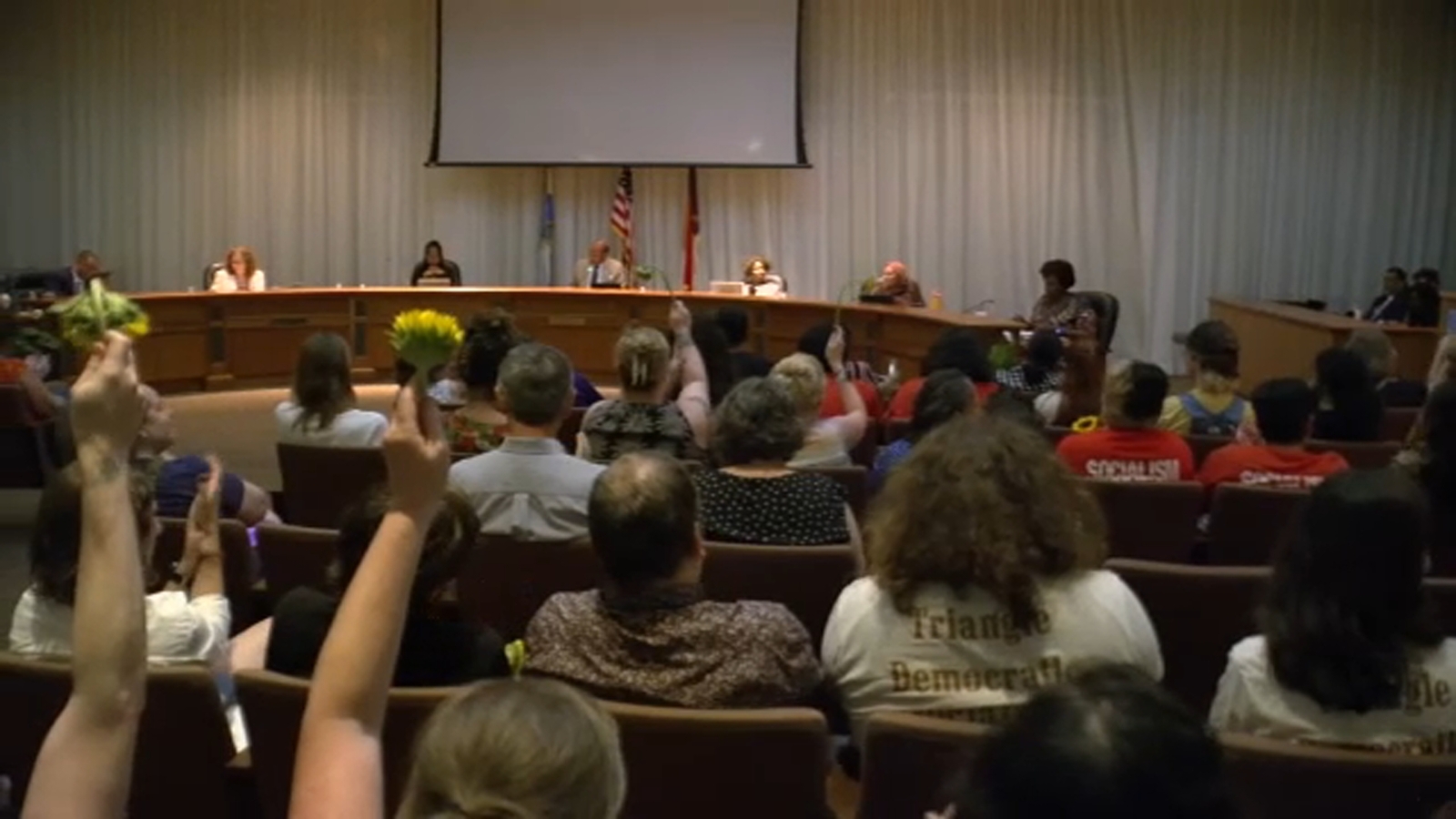
The pause runs through May 2027 and gives staff time to study technical and environmental impacts, refine the Unified Development Ordinance, and coordinate with the city’s parallel moratorium. Planning officials expect draft regulations to be ready for a joint committee review in December. Existing data centers may continue operating and could pursue limited expansion, and at least two sub‑100,000 square foot projects are expected to file applications during the moratorium period.
Lubbock, Texas
The Lubbock City Council formally accepted a citizen petition seeking an 18‑month moratorium on high‑water and high‑energy use data centers, triggering a required public hearing on September 8.
Council members acknowledged the petition had enough valid signatures but raised concerns about the legality of its length under state law. Mayor Mark McBrayer and Councilman Tim Collins both indicated support for restrictions that comply with legal limits, suggesting alternative proposals may be considered. The council now has 30 days to adopt or reject the ordinance, and if rejected, the petitioners could push the issue to the May ballot.
Lubbock City Council receives AI data center petition, hears earful https://t.co/FBeMAXnPX2
— Lubbock Avalanche-Journal (@lubbockonline) August 26, 2026
📱 Social Buzz
Episode Title: Episode 75: Protecting Missouri's Farmland
Episode: Fresh Freedom
Listen:https://podcasters.spotify.com/pod/show/fresh-freedom/episodes/Episode-75-Protecting-Missouris-Farmland-e3nsodf
Aug 26: New Orleans City Planning Commission pushes back vote on data center regulations | SpaceX announces $100 billion investment in Louisiana with new launching pad near Pecan Island. And more public policy news via BGR’s The Daily Dispatch. #nolagov https://t.co/MUlu1DGv1T pic.twitter.com/E4mEMnLtKN
— BGR (@BGRNola) August 26, 2026
Florida county commission requests data center moratorium https://t.co/5VhsCSYSfr
— TCPalm (@TCPalm) August 26, 2026
A Kansas teacher arrested for clapping during a city data center meeting has had the charges dropped. They were held for eight hours and accused of disorderly conduct and interfering with police.
— Link Technologies (@LinkTechnlogies) August 26, 2026
The city later moved meetings online and ended public comment. Residents will vote… pic.twitter.com/7OxvF5rVd6
$11.3B data center pitch in Bradley County comes amid growing local skepticism https://t.co/9pGXqTy5f1 pic.twitter.com/JusTDsUsQu
— FOX Chattanooga (@FOX_Chattanooga) August 26, 2026
Sen. Bernie Sanders and Rep. Alexandria Ocasio-Cortez have announced the Artificial Intelligence (AI) Data Center Moratorium Act, legislation that would enact a reasonable pause to the development of AI to ensure the safety of humanity.
— Democratic Coalition (@TheDemCoalition) August 26, 2026
Learn more and support this bill in… pic.twitter.com/YPGWFp6PBf
Stay Updated with STRisker!
STRisker offers tools and features to keep you updated with the Short Term Rental and Data Centers movement across the world.
👍 We’d love your feedback.
Which stories hit? Which ones missed?
We're exploring a new branch of topics centered around Data Centers and want to make it even more useful for you.
✉️ Just reply directly to this email. We read and respond to every message!
-Will McClure
🙋 P.S.
Know someone else who should be reading Daily Notes? Feel free to forward this along. We’re opening a few more spots.