
Data Centers: Daily Notes | July 6, 2026
Utah pursues nuclear and geothermal power expansions, Hazle Township imposes moratorium on applications, Detroit drafts data center zoning policy. Cheyenne weighs temporary worker camp for up to 5,500 people.


At A Glance 🔽
- Utah is pursuing nuclear and geothermal power expansion under "Operation Gigawatt" to meet soaring data center electricity demand.
- Jay, Maine saw a data center developer help Gov. Mills justify vetoing a statewide moratorium, even though the local project itself later collapsed.
- Martins Ferry, Ohio officials are informally considering environmental sensors to track baseline conditions ahead of possible nearby data center development.
- Hazle Township, Pennsylvania supervisors imposed a 180-day moratorium on data center applications to rewrite zoning rules, further stalling the controversial "Project Hazelnut" complex despite a $165 million developer benefits offer.
- Aurora, Colorado is exploring new data center regulations after a packed public forum.
- Detroit, Michigan is drafting data center zoning policy after a working group concluded hyperscale facilities aren't viable for the city.
- Cheyenne, Wyoming officials are weighing a massive temporary worker camp for up to 5,500 people to support a data center construction boom.
- Eagan, Minnesota is the site of a lawsuit filed by a data center operator against the city over its one-year moratorium, arguing it unlawfully oversteps state authority on electricity regulation.
- Hoffman Estates Village, Illinois saw a developer withdraw its rezoning petition for a data center after strong resident opposition.
- Sturtevant, Wisconsin residents filed a class-action lawsuit against Microsoft over noise, dust, and light pollution from its major Fairwater AI data center.
Utah
Utah is leaning on nuclear power to meet surging data center demand, with Gov. Spencer Cox saying new reactors should come online within four to five years.

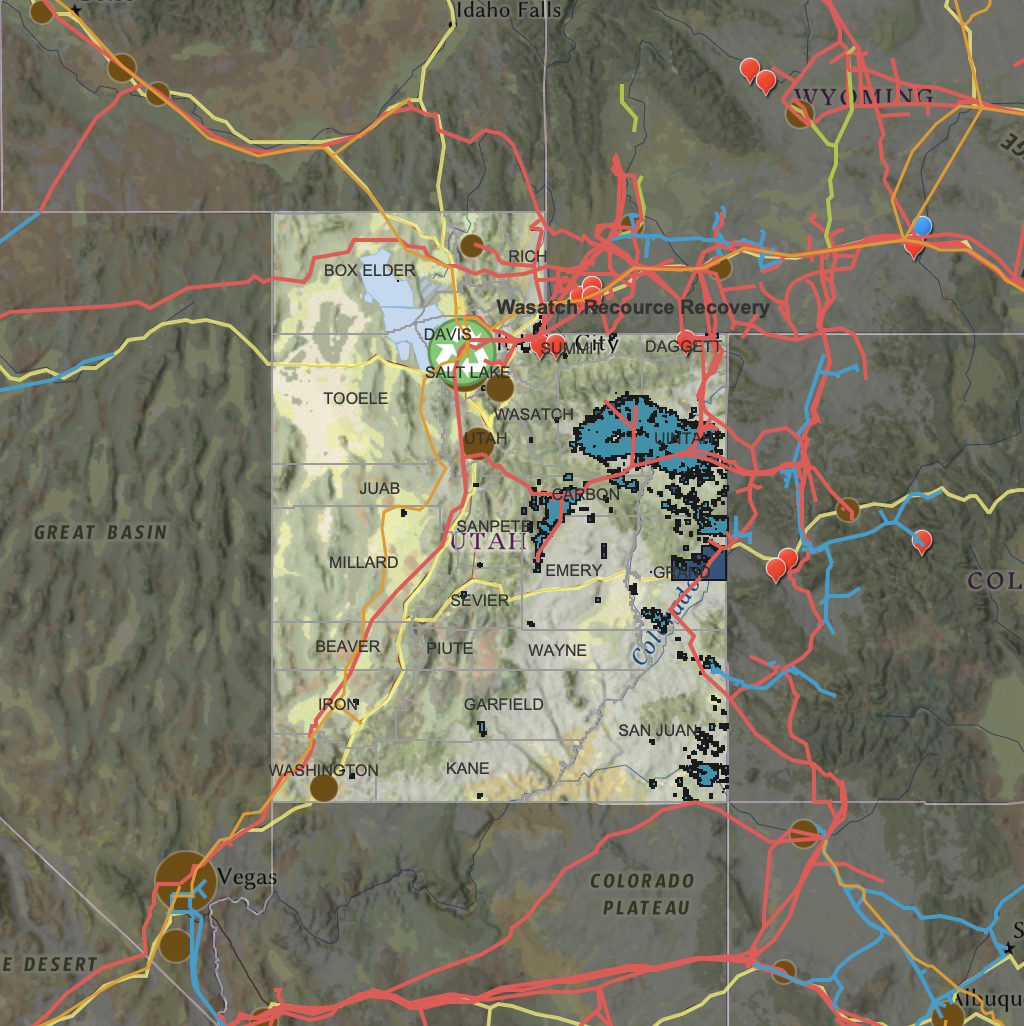
The push falls under Operation Gigawatt, a state initiative aiming to double electricity generation over the next decade by converting aging coal plants to nuclear and building out a domestic nuclear supply chain. Utah currently hosts roughly 48 data centers with combined capacity topping 920 megawatts, and a proposed 40,000-acre O'Leary Digital campus in Box Elder County plans to generate its own power rather than draw from the public grid.
The state is also working with the U.S. Department of Energy on a Nuclear Lifecycle Innovation Campus meant to position Utah as a hub for next-generation nuclear research and manufacturing, and is investing in geothermal energy through Utah FORGE and a 400-megawatt Fervo Energy project.
Jay, Maine
A Jay data center developer worked to help Gov. Janet Mills justify vetoing a first-in-the-nation statewide data center moratorium, according to emails released under a public records request.
 Daniel O’Connor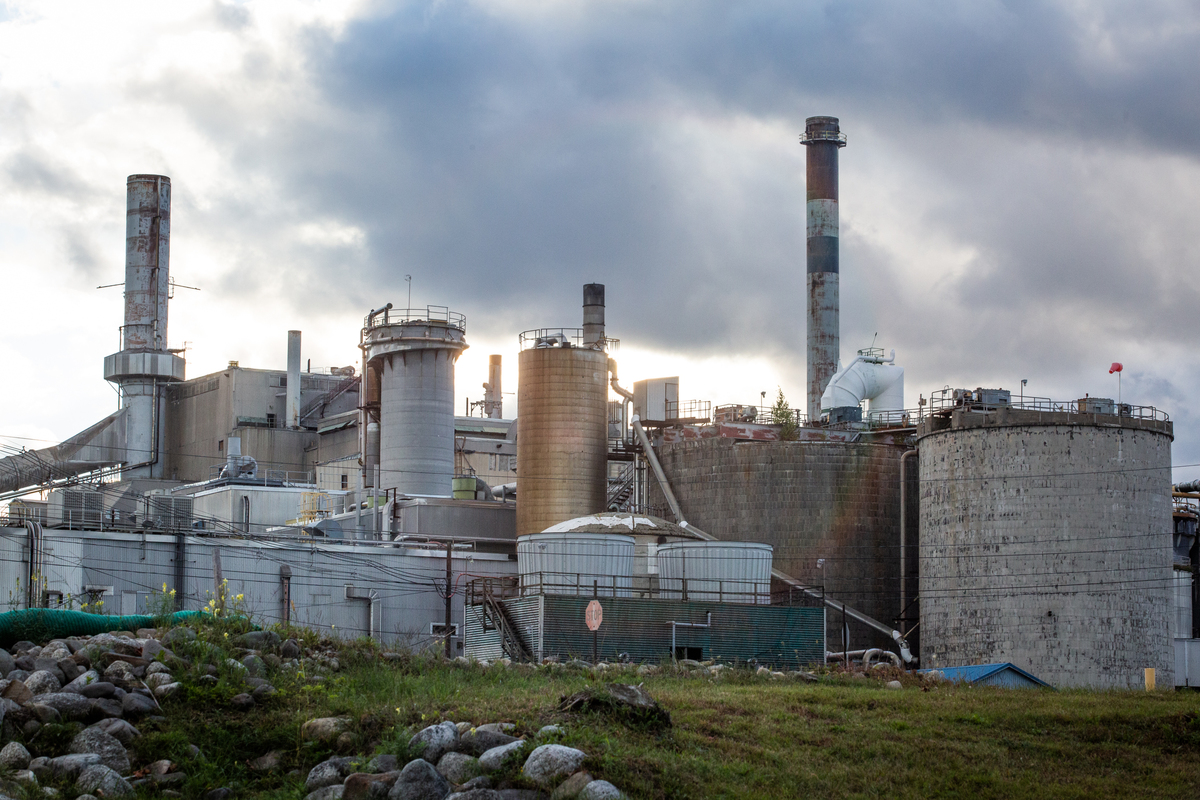
Tony McDonald of the Boulos Co. had been coordinating with Jay officials since late March, weeks before Mills' April veto, including drafting language to exempt the Jay project from the ban. When the Legislature passed the bill without that carveout on April 14, McDonald pressed for more letters of support the following day, telling the town manager the goal was to counter pressure on Mills to sign it. Jay selectmen sent a letter, and McDonald later reached out to a labor union to lobby against an override. The override attempt failed.
Despite the veto, the Jay project has since collapsed, with Sentinel walking away from the site in June.
Martins Ferry, Ohio
Martins Ferry officials floated setting up environmental sensors around the city to track baseline air quality and noise levels before any data center is built nearby, though the council took no formal vote.

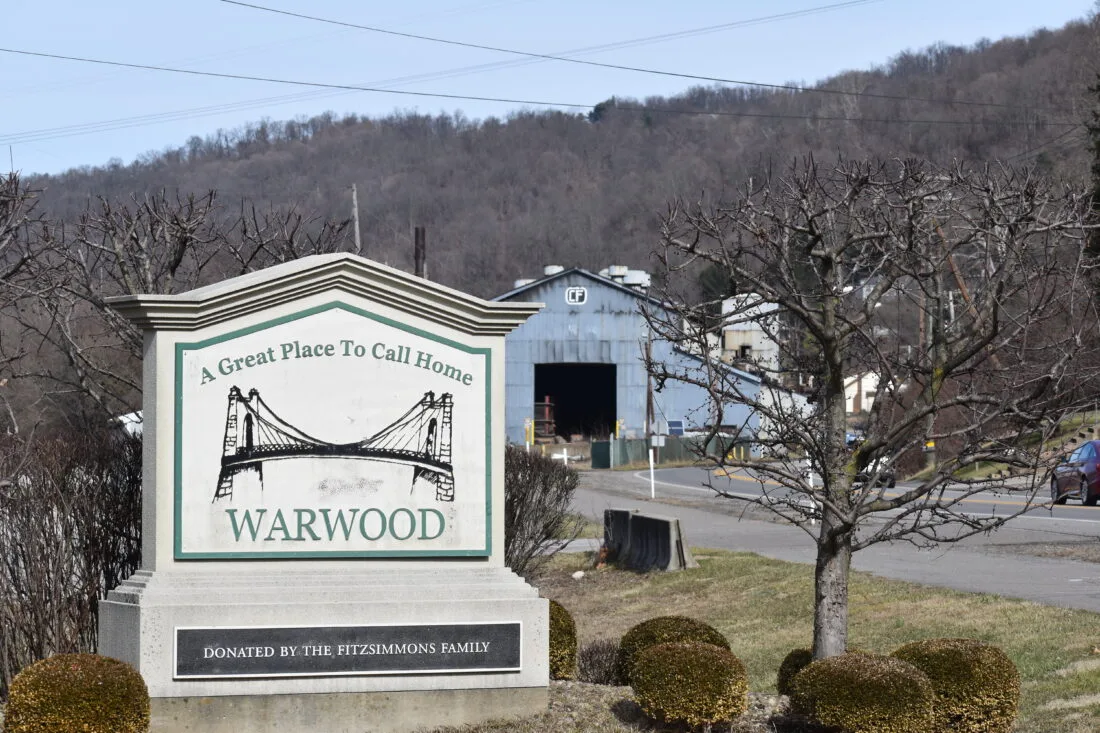
The idea came from Councilman Andrew Smay, who said conversations about data center projects near the Ohio River, including a proposal tied to the former Centre Foundry site in Warwood, West Virginia, and early-stage concepts in Belmont County, warranted attention even though those sites sit outside the city's jurisdiction. Smay said he had recently met with West Virginia Sen. Laura Wakim Chapman and left the discussion more comfortable with how things are progressing. He proposed audio and air quality sensors so the city could later show whether a facility changed local conditions.
Councilman Gus Harris was openly opposed, arguing data centers consume large amounts of water and land while returning little to host communities, and noted other places have regretted letting them in.
Hazle Township, Pennsylvania
Hazle Township supervisors voted unanimously on June 8 to pause all data center applications for 180 days, dealing a fresh setback to the massive "Project Hazelnut" complex proposed for the Luzerne County township.
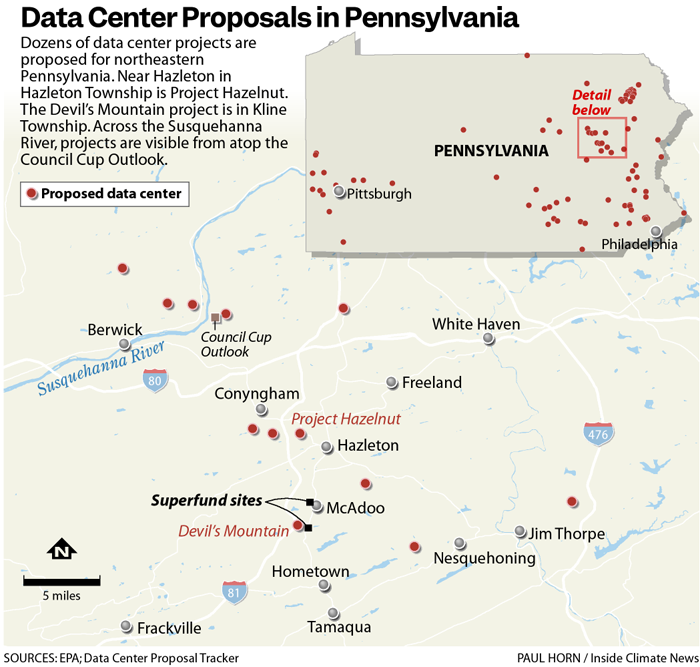

The project, put forward by developer NorthPoint Development, calls for 15 data center buildings and an electrical substation across nearly 1,300 acres. During the moratorium, the board plans to rewrite its zoning rules to add specific restrictions for data centers. The vote follows a county court ruling against the developer in May, and comes after residents in November found the board and developers had not complied with township procedures, an outcome NorthPoint has since appealed with about a hundred residents intervening on the town's behalf.
Gov. Josh Shapiro had introduced Project Hazelnut last November as a flagship project under the state's "Fast Track" permitting program, touting 900 jobs and new tax revenue.
Aurora, Colorado
Aurora Councilmember Amy Wiles is exploring new data center rules for her fast-growing eastern district, after roughly 80 residents and officials packed a listening session last week to debate the issue.
🔗Aurora city leaders host town hall to discuss future of data centers
At the session, Aurora Water general manager Marshall Brown said the city's nine existing data centers use just 0.3% of the water supply, and that current standards effectively rule out facilities relying heavily on evaporative cooling. City Manager Jason Batchelor said Aurora already restricts where data centers can locate. Wiles has toured QTS' 65-acre campus in her district and is researching practices from other jurisdictions, including Aurora, Illinois, which has adopted strict rules.
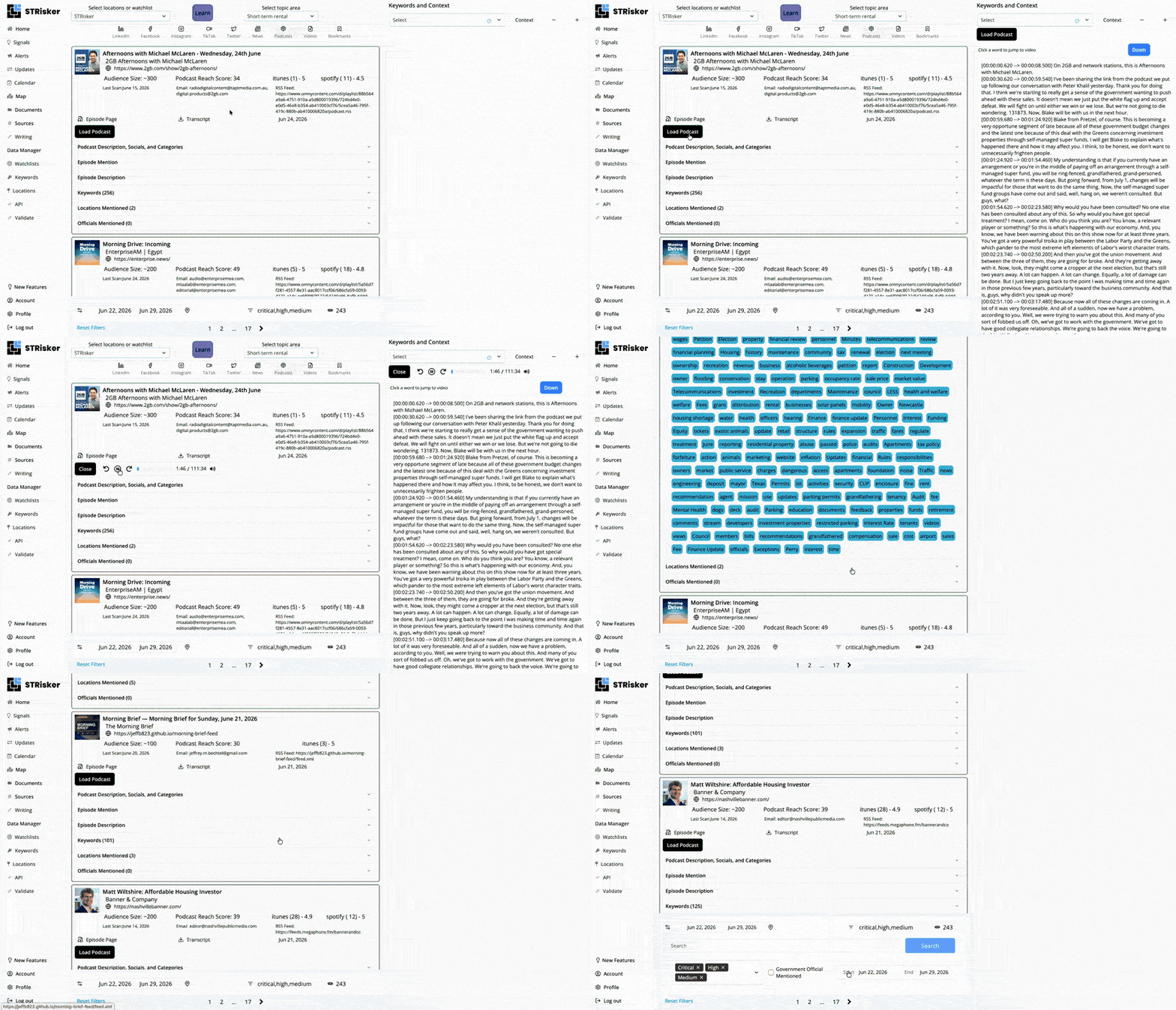
Social Listening 🎧: Podcast
Policy talk doesn’t just happen in the news cycle—it can also live in long-form audio. Strisker’s Podcast Signal turns hours of episodes into actionable insight, indexing transcripts so you can surface key mentions of STRs, data centers, ordinances, and local decision-makers in seconds.
Detroit, Michigan
Detroit's City Planning Commission has begun drafting data center zoning policy, with Councilman Scott Benson targeting City Council approval by Dec. 31.
 Christine Ferretti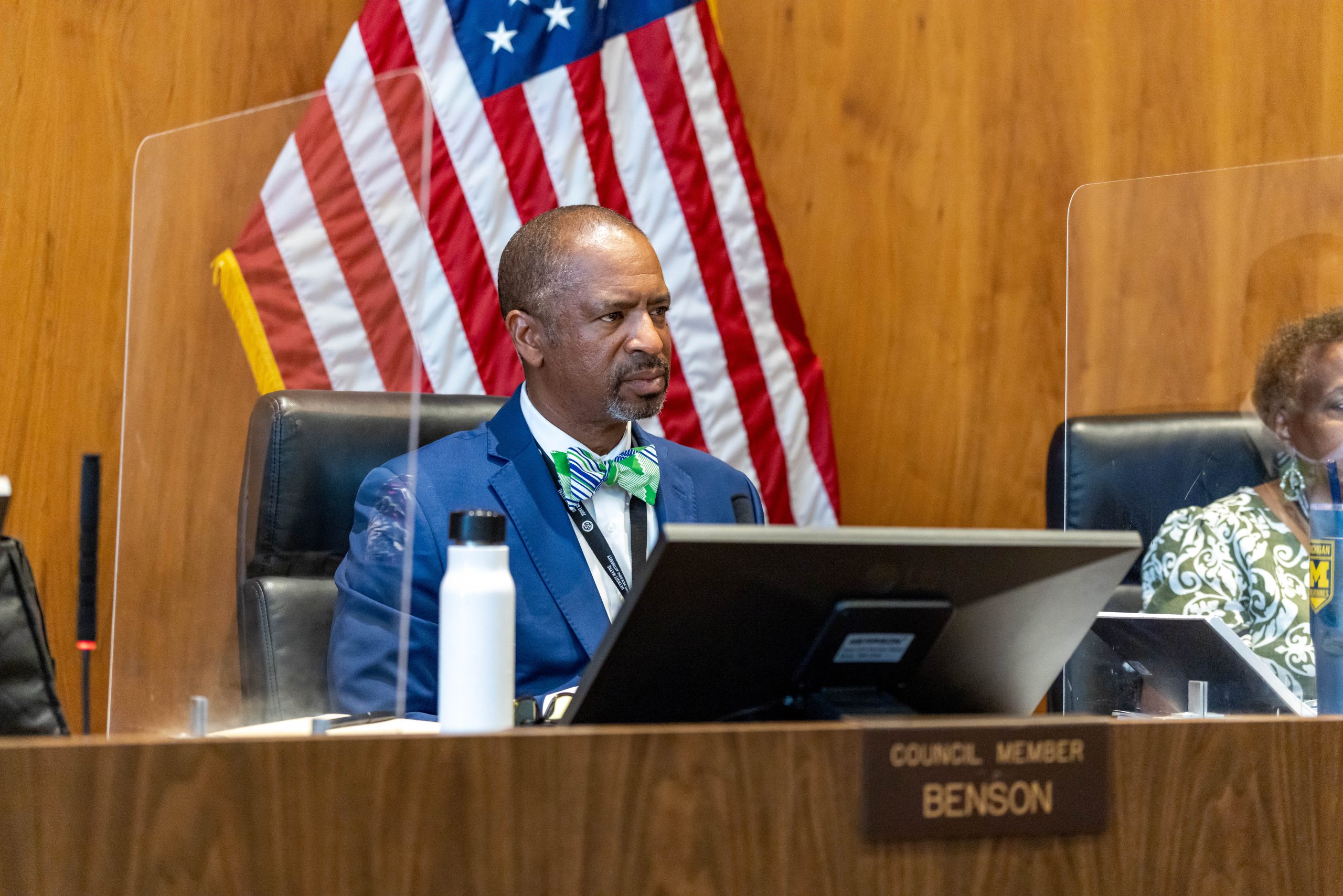
The push follows a cross-sector working group Benson convened in April, which includes environmental groups, DTE Energy, city departments and the mayor's administration. Members quickly agreed hyperscale data centers are not viable for Detroit, citing lack of political will, limited available land and insufficient capacity from DTE Energy.
City officials are still working to identify what data center-type facilities already operate in the city, since older utility structures and telecom sites have often been classified differently or grandfathered in, and Planning Commission Director Marcell Todd said that list remained undefined as of July 2.
Cheyenne, Wyoming
Cheyenne-area officials are considering a plan for on-site worker housing for up to 5,500 people needed to build the wave of data centers underway in Laramie County.
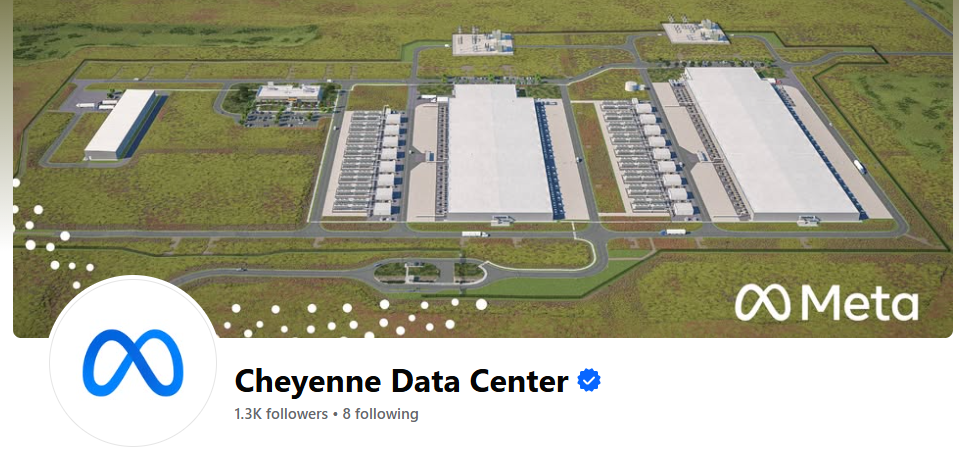
Ten data centers already operate in the county, and 14 more are moving through planning or construction, driven largely by Microsoft and Meta projects. If built at full size, the temporary worker camp would outsize 84 of Wyoming's municipalities, a scale reflecting just how large the current construction push has become in a county anchored by a city of roughly 66,000 residents. At a public meeting on the proposal, the county's planning and development director argued it would be more manageable to keep an estimated 6,000 workers concentrated in one location rather than spread throughout local communities.
Eagan, Minnesota
Data center operator Eagan Capital filed suit against the city of Eagan on June 15, calling the city's one-year moratorium "ill-advised and unlawful" and asking a court to strike it down.
The company's attorney, Howard Roston, argued the city overstepped its authority since electricity demand falls under the Minnesota Public Utilities Commission, and asked the court to block enforcement so Eagan Capital could pursue permits for expansion beyond 9 megawatts. The moratorium passed in February bars new data centers over 20 megawatts, upgrades over 9 megawatts, and any development within 500 feet of homes, running until Feb. 17, 2027.
The city has declined to comment on the litigation. At the May meeting, Mayor Mike Maguire pressed the company's representative over the timeline of the unpermitted equipment, telling him it felt like decisions were made based on assumption rather than following the proper process with the city.
Hoffman Estates Village, Illinois
Hoffman Estates developer Karis Critical withdrew its rezoning petition for Plum Farms five days ahead of a scheduled Village Board vote, capping weeks of resident pushback against the proposed data center.
Opposition built after the Plan Commission voted 4-2 in early June against recommending the rezoning, drawing hundreds of residents from Hoffman Estates and neighboring South Barrington and Barrington Hills to speak against the plan.
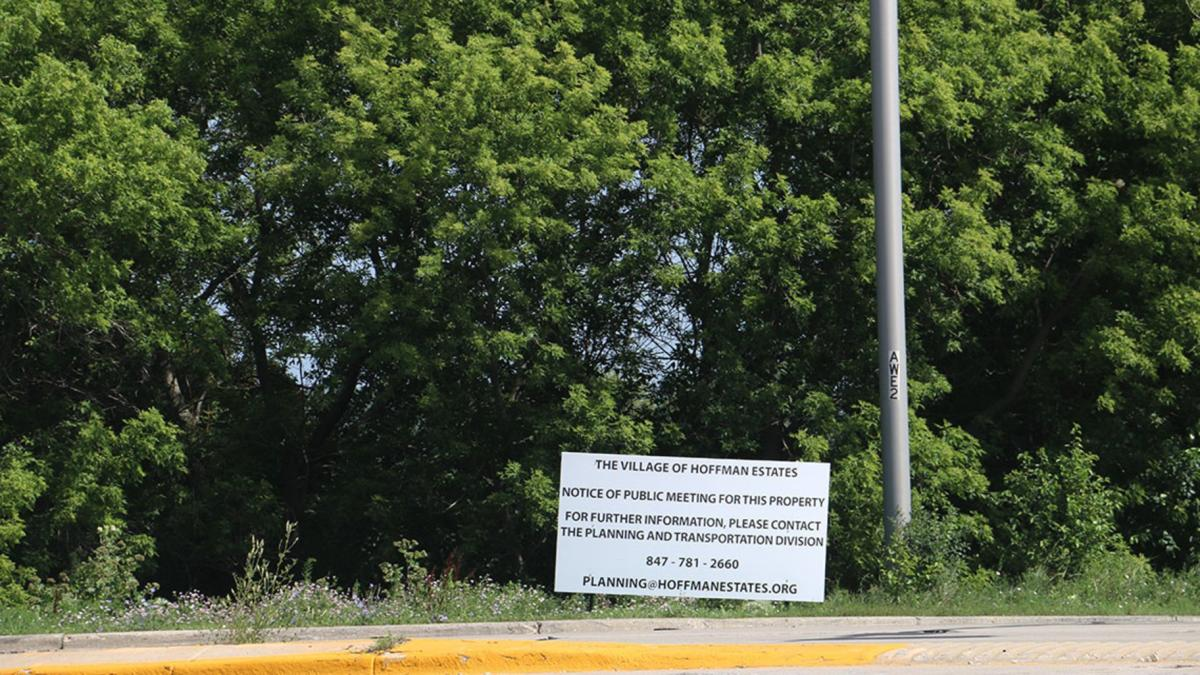
A public records request turned up communications showing village officials had voiced support for a potential Plum Farms data center, along with a company summary outlining plans to bring the facility online by 2028 on natural gas, later shifting to a ComEd power agreement by 2030. Karis spokesperson Patrick Skarr said the company withdrew after hearing calls for a more concrete plan before any zoning change and would bring a fuller proposal in the future if it returns.
Village Manager Eric Palm said Karis had never filed an official data center application and noted the village's roughly $10 billion Compass Datacenters project moved forward without opposition, calling it evidence the village has generally backed data center growth.
Sturtevant, Wisconsin

Sturtevant, Wisconsin residents filed a class-action lawsuit against Microsoft on July 1 over noise, construction dust and light pollution from its $7.3 billion Fairwater data center, which CEO Satya Nadella has called the world's most powerful AI facility.
 Bruno Ferreira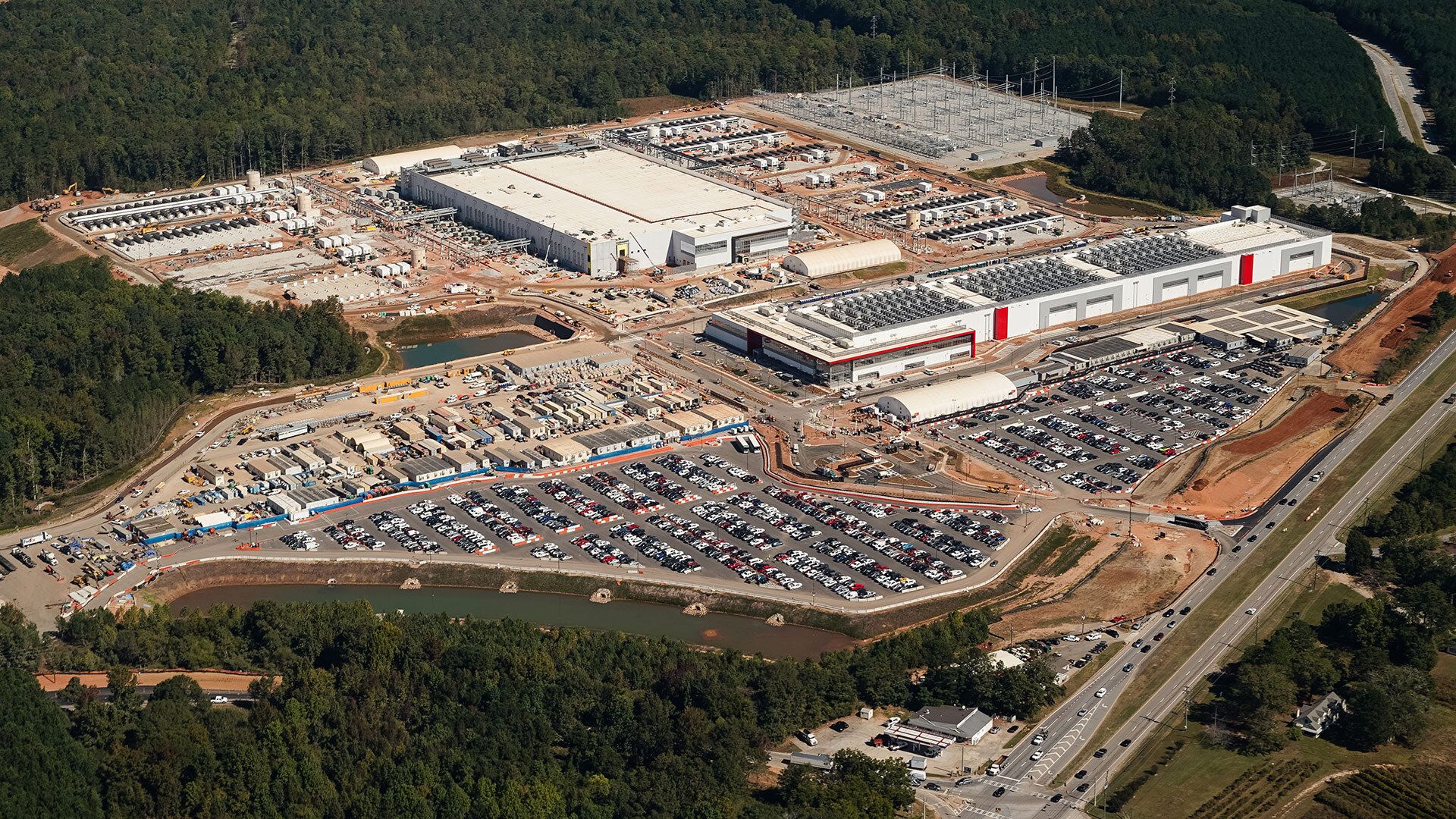
Three residents filed the suit on behalf of households within 1.5 miles of the site, an area reportedly covering more than 1,000 homes, including parts of neighboring Mount Pleasant. The filing alleges Microsoft failed to install adequate sound barriers, resulting in noise that carries well beyond the property line, and residents separately describe increased dust, traffic and light pollution since construction began. Microsoft had acknowledged the noise issue in a June 18 community blog post, attributing it to cooling fans running at excessive speeds and saying engineering changes had resolved the problem, with further sound mitigation planned in coming months.
Stay Updated with STRisker!
STRisker offers tools and features to keep you updated with the Short Term Rental and Data Centers movement across the world.
👍 We’d love your feedback.
Which stories hit? Which ones missed?
We're exploring a new branch of topics centered around Data Centers and want to make it even more useful for you.
✉️ Just reply directly to this email. We read and respond to every message!
-Will McClure
🙋 P.S.
Know someone else who should be reading Daily Notes? Feel free to forward this along. We’re opening a few more spots.