
Data Centers: Daily Notes | October 13, 2026
Moratoriums and bans keep spreading: Dover became Delaware’s first city to pause data centers for 18 months, Elizabeth City, North Carolina approved a similar pause, Lexington, Kentucky capped facility size and energy use, and Pataskala, Ohio voters will decide a charter ban Nov. 3. READ MORE.


At A Glance 🔽
- Iron County, Utah commissioners discussed changes to a proposed Strategic Development Zone ordinance for large data centers but took no action, with developers asking for flexibility and residents seeking larger separation distances.
- Dover, Delaware City Council unanimously approved an 18-month moratorium on data center construction, the first such moratorium in the state.
- Mount Pleasant, South Carolina Town Council is expected to hold the final reading of a 120-day moratorium on data center applications and permits.
- Charlevoix, Michigan Planning Commission made no decisions on proposed data center and noise ordinances, hoping to hold a public meeting in December.
- Emporia, Kansas filed its answer in court to a lawsuit challenging the zoning approvals for its data center overlay district, asking for judgment in the city’s favor.
- Pataskala, Ohio voters will decide Nov. 3 whether to amend the city charter to ban construction of large data centers.
- Martin County, Florida commissioners advanced a proposed one-year moratorium on new large-scale data center applications, with final approval set for Oct. 27.
- Elizabeth City, North Carolina council approved an 18-month moratorium on data center development to give staff time to refine regulations and study infrastructure impacts.
- Lexington-Fayette County, Kentucky extended its data center moratorium through October 2027 and passed a zoning amendment banning data centers larger than 50,000 square feet and capping energy use at 25 megawatts.
Iron County, Utah
Iron County commissioners discussed changes Monday to a proposed Strategic Development Zone ordinance regulating large data centers and other industrial developments, but took no action, four days after the Planning Commission recommended approval without changes.
Commissioner Paul Cozzens said he could support the ordinance with changes that make it less restrictive and let individual projects be handled through development agreements, arguing the county needs major employers for jobs and tax revenue. He questioned the proposed 56 acre-foot annual water-use threshold and decommissioning requirements for buildings that could be reused. Planner Brett Hamilton said exceeding the water threshold would trigger additional groundwater studies, not a prohibition, and that the draft lets completed improvements stay when they pose no identified risk. The county has set a $75,000 application fee for covered projects.
Residents raised groundwater, air quality, noise and abandonment concerns, and a statement read for the Iron County Rural Preservation Group renewed a request to double the residential separation from one-half mile to one mile. Commissioners said they will keep reviewing comments, and a letter from the Indian Peaks Band of Paiutes requested more formal tribal consultation. The 180-day moratorium adopted May 26 expires Nov. 22, with commission meetings set for Oct. 26 and Nov. 9.
Dover, Delaware
Dover City Council unanimously approved an 18-month moratorium Monday on data center construction, the first such moratorium in Delaware.
 Maggie Reynolds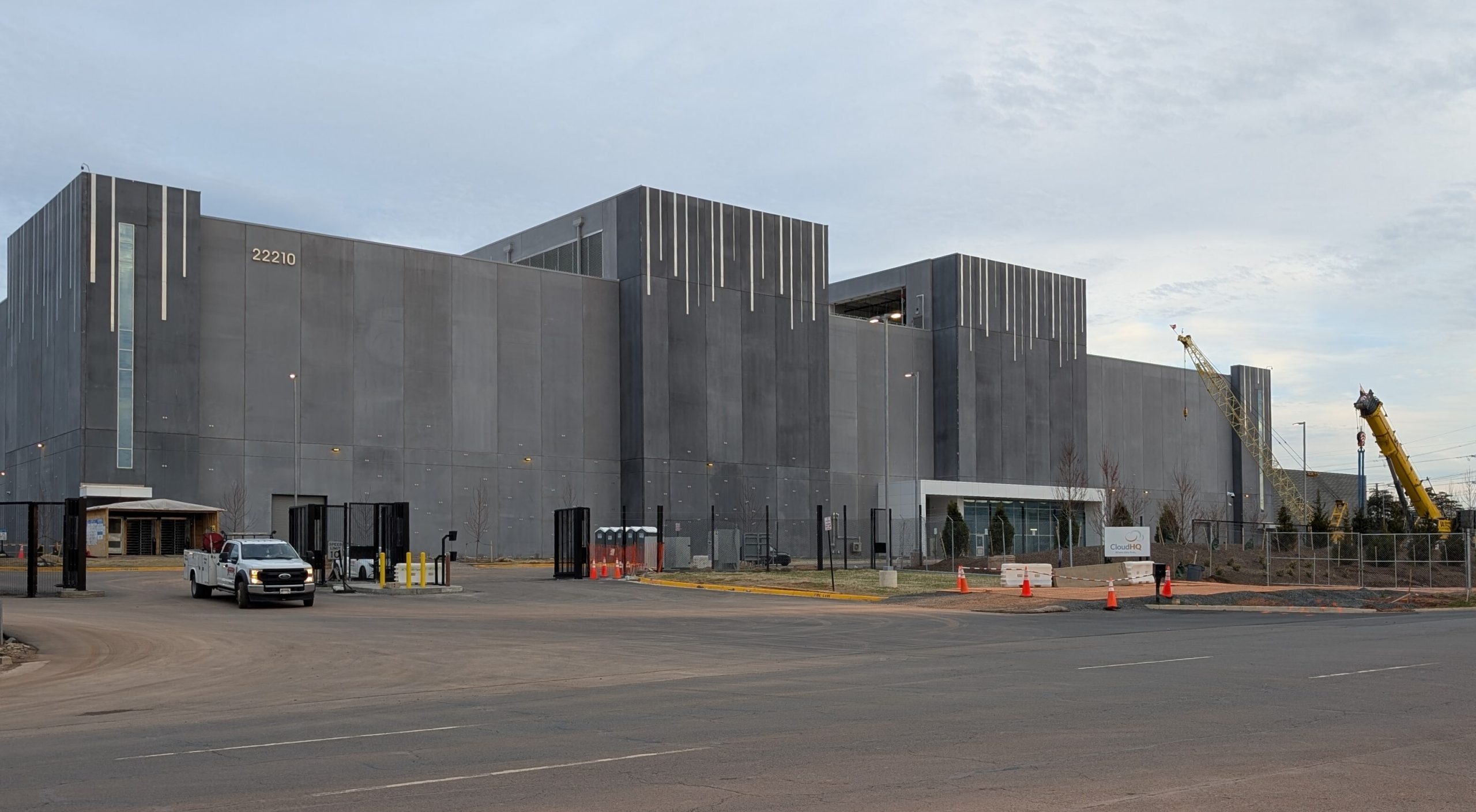
The ordinance pauses the city’s review of proposals for large energy-use facilities, including data centers using more than 30 megawatts, roughly the electricity use of 24,000 homes. During the pause, officials will research the effects data centers could have on the city, whether they should be allowed and how to regulate them. Councilwoman Donyale Hall, who introduced the ordinance, said it is not a no to data centers but a chance to figure things out first, and that the council will now decide the most cost-effective way to study the issue.
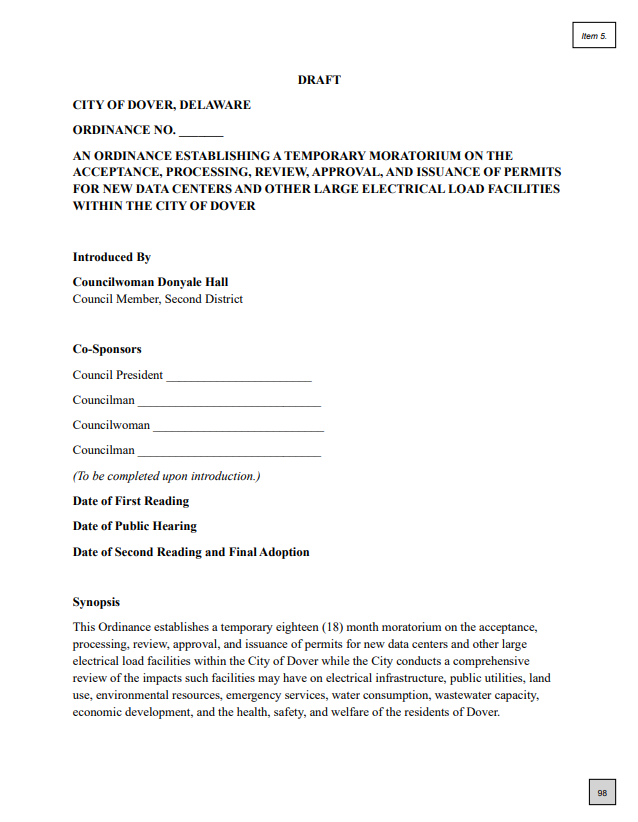
Councilman Brian Lewis was the only member to speak at length, calling for an outright ban and saying the environment, health and infrastructure matter more than jobs. Hall said officials have been approached about more than one potential data center project, though no formal application has been filed, so none can advance until the moratorium ends.
Mount Pleasant, South Carolina
Mount Pleasant Town Council is expected to hold the final reading Tuesday on Ordinance No. 26045, which would impose a 120-day moratorium on accepting, processing or approving data center applications, permits and other requests in the town.
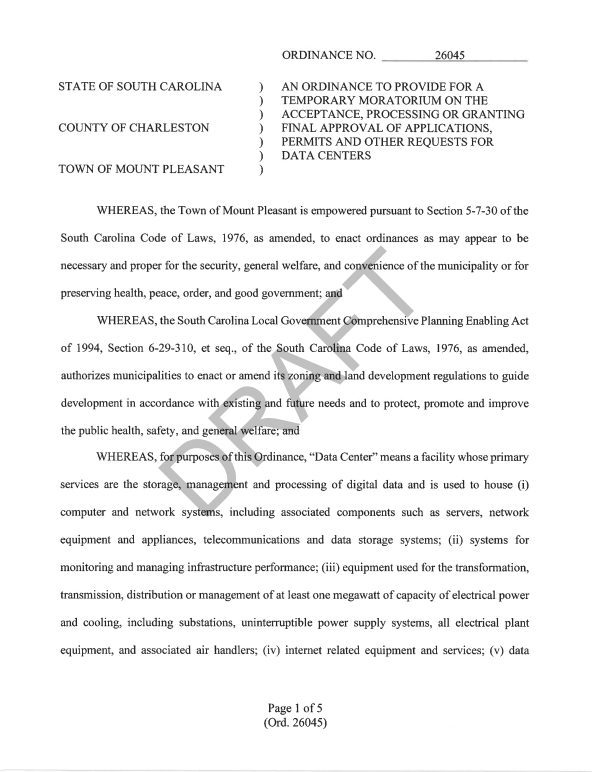
The moratorium would take effect immediately on final approval and could be extended by a future council resolution. The ordinance defines a data center as a facility primarily used to store, manage and process digital data, including servers, networking and telecommunications equipment, cooling infrastructure and electrical equipment. Officials cited concerns about noise from large data centers and their demand on water and electricity.
During the pause, staff and the Planning Commission would determine where data centers could be compatible with surrounding land uses and neighborhoods, and recommend any zoning amendments to council. Town officials said the review is meant in part to separate large-scale facilities from smaller ones that may not have the same impacts. The council meets at 6 p.m.
Charlevoix, Michigan
Charlevoix’s Planning Commission made no decisions Monday night on proposed data center and noise ordinances, with members hoping to hold a public meeting on the regulations in December.
 Maryjane Glynn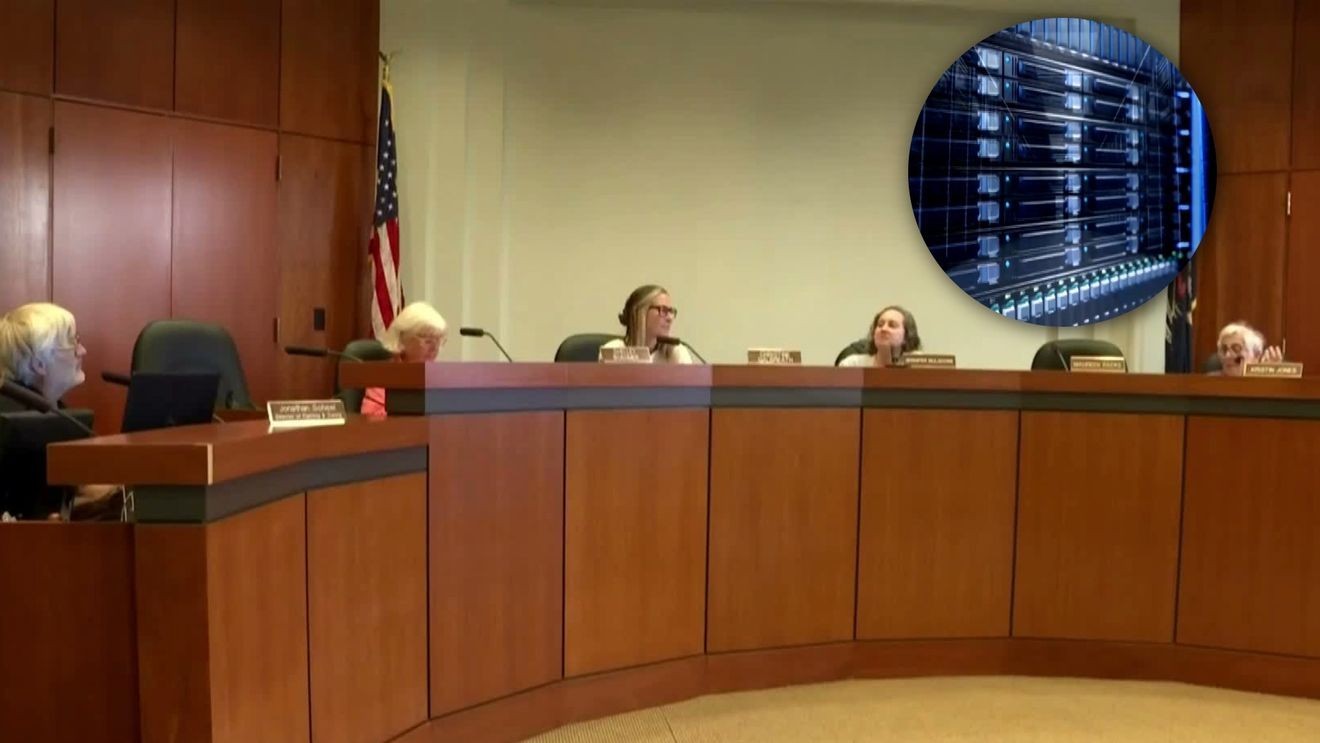
The commission reviewed a data center noise ordinance from another state, but some members were absent and a few changes are still needed to both proposed ordinances. City Manager Mark Heydlauff has said the goal is to mitigate the effects and concerns residents have and to address them as transparently as possible.
The city is writing the rules before any developer submits a proposal, and officials have said none has approached Charlevoix with plans for a data center. Planning and Zoning Director Jonathan Scheele said the commission has worked on the regulations for about six months and is not taking a position for or against data centers, and that having rules in place first gives the city more control over any future development.
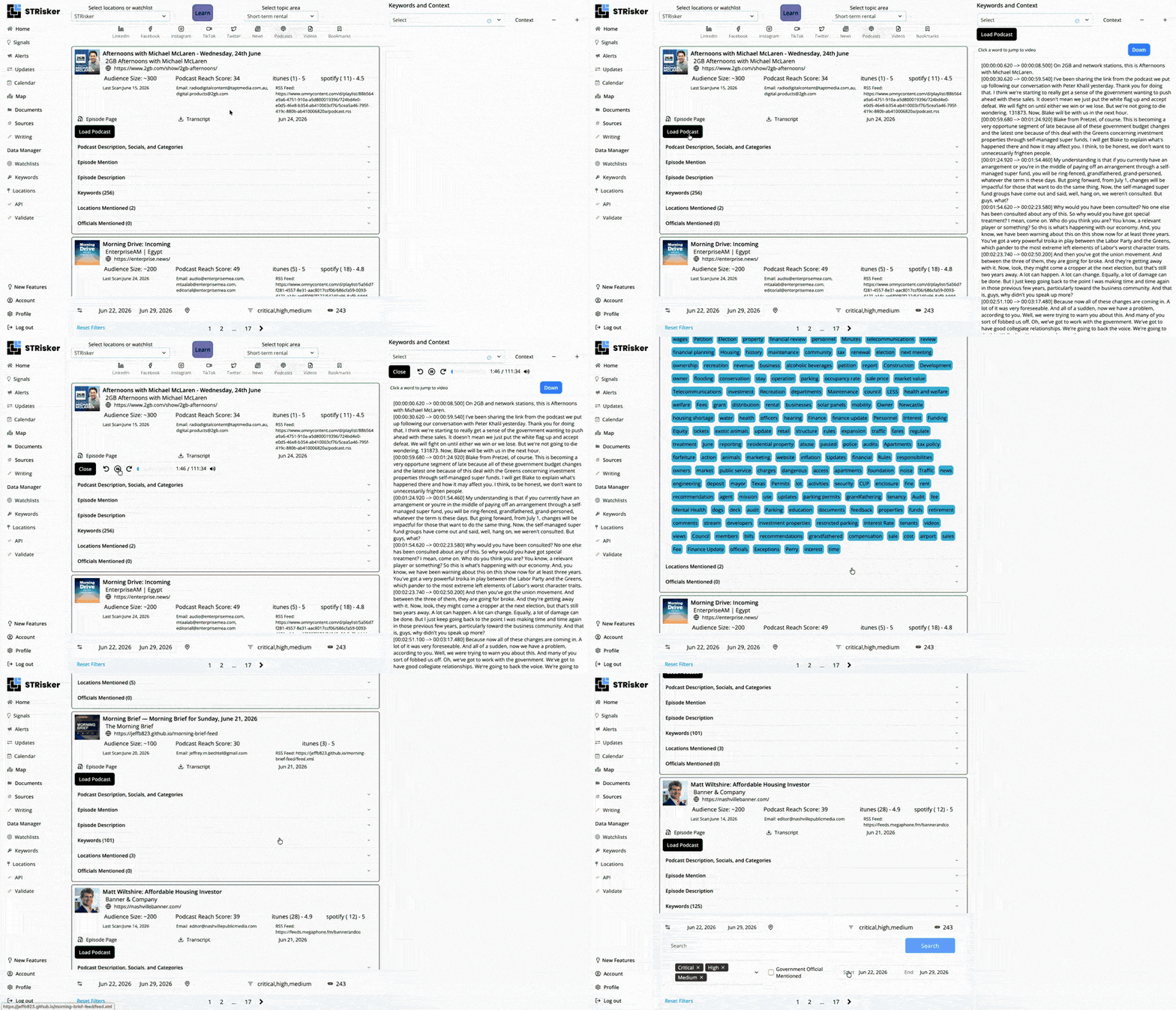
Social Listening 🎧: Podcast
Policy talk doesn’t just happen in the news cycle—it can also live in long-form audio. Strisker’s Podcast Signal turns hours of episodes into actionable insight, indexing transcripts so you can surface key mentions of STRs, data centers, ordinances, and local decision-makers in seconds.
Emporia, Kansas
Emporia filed its answer Oct. 7 in Lyon County District Court to a lawsuit challenging the zoning approvals for its data center overlay district, asking the court to enter judgment in the city’s favor.
Landowners Amanda Mendoza and Kenneth and Ann Bruner, who own property outside city limits within 1,000 feet of the affected land, sued Aug. 19 over three applications the City Commission unanimously approved July 22: creating a Digital Infrastructure Overlay District, rezoning 11 tracts, and placing them in the overlay. Ten tracts were rezoned to light industrial and the tract at 4502 W. 18th Ave. to industrial flex. The plaintiffs argue the overlay was approved before the ordinance creating it took effect, challenge the standards and public participation rules for future development agreements, and question whether the rezoning applications were properly filed on behalf of Kanza Park Place, LLC.
The city’s answer says its actions were lawful, reasonable and consistent with the comprehensive plan, cites its home-rule authority, and argues the plaintiffs lack standing and that their claims may be unripe or moot. It admits Ordinances 26-22 and 26-23 were published July 28. The filing came a day before the city’s extended Oct. 8 deadline, and there is no ruling or hearing date yet.
Pataskala, Ohio
Pataskala voters will decide Nov. 3 whether to amend the city charter to ban construction of large data centers, after a citizen petition collected enough signatures to reach the ballot.
 Gracie Collins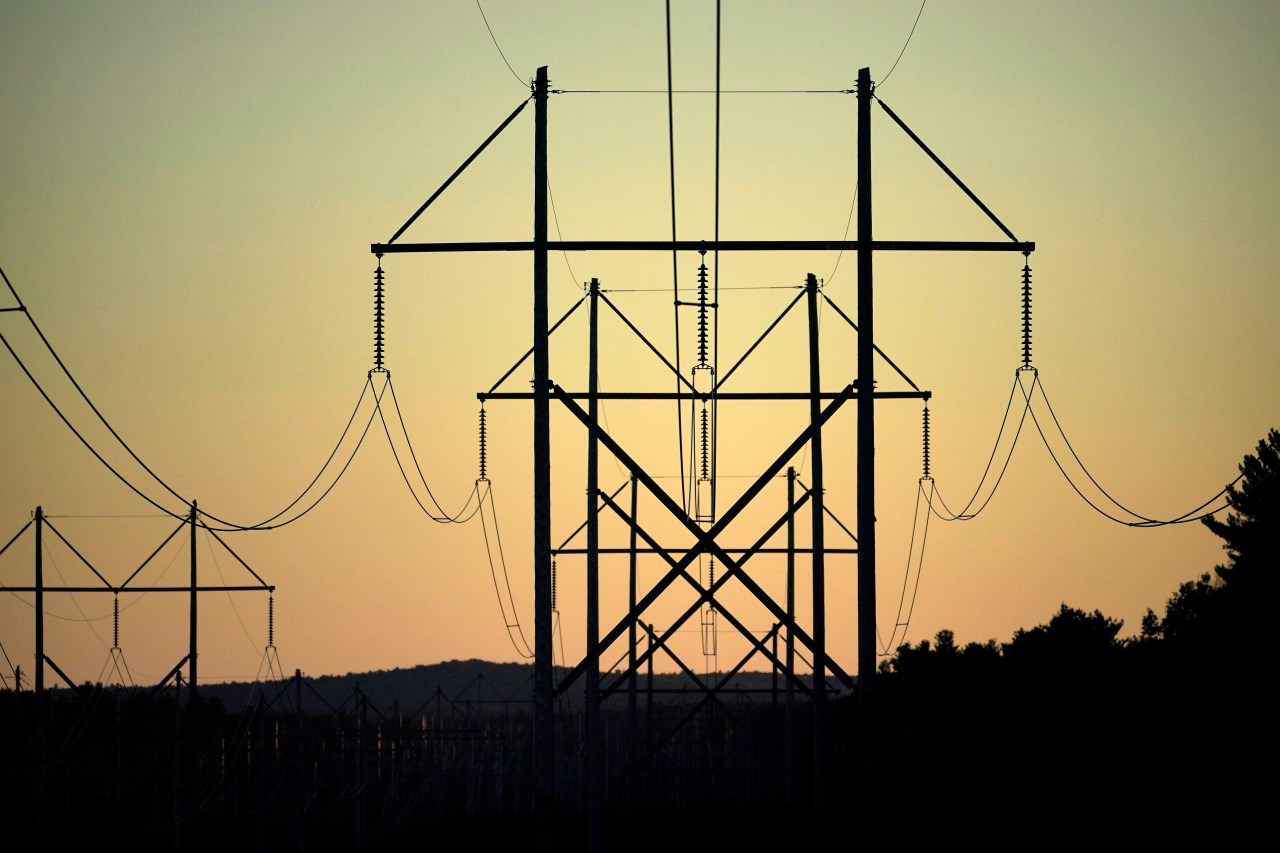
The ballot language defines a data center as a facility used primarily or exclusively for digital information services, such as storing and processing electronic data, with a monthly demand of 25 megawatts or more. Organizers used language written by Conserve Ohio, a coalition working for a statewide ban on large-scale data centers. A yes vote supports the ban, and a no vote opposes it. Residents cited noise, light pollution, utility use and unknown long-term health effects for nearby homes and farms.
The measure follows the City Council’s late August vote against an Aligned data center proposal. This week, Aligned asked a judge to review the denial in hopes of still moving forward. The data center question is one of four charter amendments on the ballot.
Martin County, Florida
Martin County commissioners advanced a proposed one-year moratorium on new applications for large-scale data centers at the first of two public hearings, with final approval set for Oct. 27.
Martin County advances proposed one-year moratorium on large-scale data centers
The moratorium would bar the county from accepting applications for large-scale data centers in unincorporated areas, giving staff time to study the projects’ effects and draft specific regulations. Officials expect to examine water use, power demand and impacts on nearby communities, wildlife and natural resources. Staff said no applications for large-scale data centers are pending in unincorporated Martin County.
Nearly a dozen people spoke, all in support, and commissioners agreed more research is needed before the county considers allowing large data centers. If commissioners give final approval at the second hearing, the moratorium will last one year.
Elizabeth City, North Carolina
Elizabeth City’s council approved an 18-month moratorium on data center development at its Monday meeting, giving staff time to refine proposed regulations and study infrastructure impacts.
Elizabeth City approves 18-month moratorium on data center development
The vote came during discussion of an amendment to the Unified Development Ordinance that would set rules for data centers if a developer ever seeks to build one in the city. Officials stressed that no proposal is active. Councilman Johnson Biggs said the pause lets staff explore additional language for the ordinance, and Councilman Michael Gibbs said the draft needs more fine-tuning. Several members said more work is needed to close loopholes and to assess effects on public utilities.
A packed chamber heard residents raise concerns about water supply, the electrical grid, noise, wildlife, utility costs and quality of life, and several urged strong protections or an outright rejection of data centers. Applause followed the vote. The city attorney will next review the moratorium for compliance with state law while staff continues studying the issue.
Lexington-Fayette County, Kentucky
Lexington’s Urban County Council voted to extend its data center moratorium through October 2027 and unanimously passed a zoning ordinance text amendment that bans data centers larger than 50,000 square feet, caps energy use at 25 megawatts, limits noise and requires zoning plans on community impact. The prior moratorium was set to expire Oct. 31.
The debate began in early June after DartPoints bought a Lexmark property off New Circle Road to redevelop existing data center space, first described as 81,000 square feet and up to 70 megawatts. The project as originally described would not be allowed under the new rules, and it is unclear how it could proceed. At an Oct. 6 meeting, a lawyer for the company said the site is not a hyperscale data center, and DartPoints did not respond to a request for comment.
📱 Social Buzz
Episode Title: What political candidates are getting wrong about the climate conversation
Episode: Energy Central
Listen: https://episode.flightcast.com/01M4RA9E0C4ZHR58BBSH100YNM.mp3
Charlevoix officials are continuing work on regulations for any future data center proposals after making no decisions Monday night, with the Planning Commission hoping to hold a public meeting in December.https://t.co/kwE0dpve7l
— UpNorthLive News (@upnorthlive) October 13, 2026
City of Milwaukee approves one-year ban on data center development https://t.co/3RJPRk1me0
— Journal Sentinel (@journalsentinel) October 13, 2026
Schoolcraft Township mulls yearlong data center moratorium https://t.co/D3CTh2BKif
— Nick Ponton (@nick_ponton) October 13, 2026
The prospect of unchecked data center development has galvanized a cross-section of Ohio residents.https://t.co/WhGsEbFCr1
— Inside Climate News (@insideclimate) October 13, 2026
Nevada places six-month pause on data center center projects https://t.co/JHfUG7hJiA
— Ames Tribune (@AmesTribNews) October 13, 2026
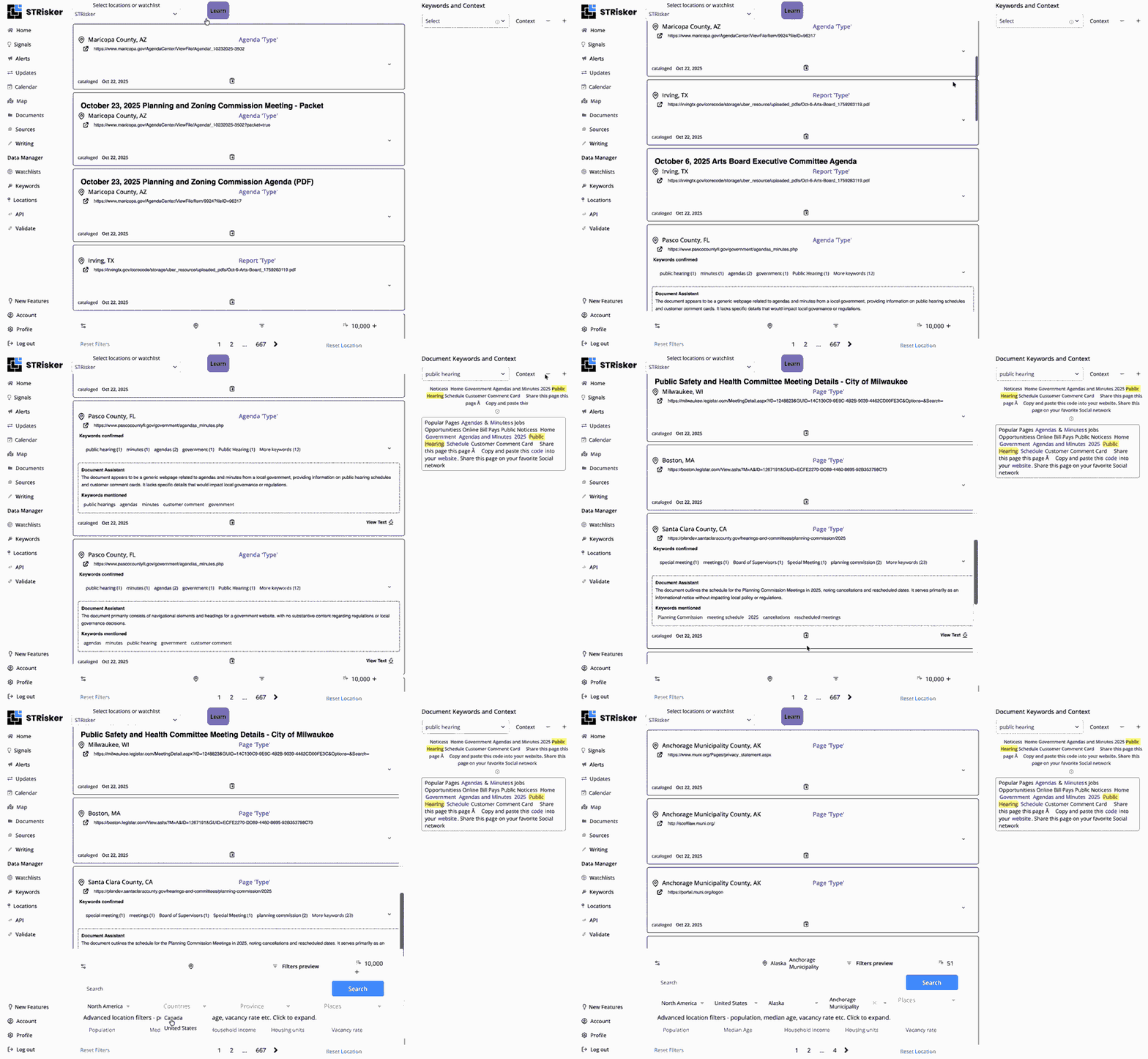
Strisker Document Analysis
Finding the right compliance documents shouldn’t feel like searching for a needle in a haystack - Strisker’s Documents Analysis is built to simplify your life, offering instant access to hundreds of thousands of documents from thousands of cities across the world.
Stay Updated with Strisker!
Strisker offers tools and features to keep you updated with the Short Term Rental and Data Centers movement across the world.
👍 We’d love your feedback.
Which stories hit? Which ones missed?
We're exploring a new branch of topics centered around Data Centers and want to make it even more useful for you.
✉️ Just reply directly to this email. We read and respond to every message!
-Will McClure
🙋 P.S.
Know someone else who should be reading Daily Notes? Feel free to forward this along. We’re opening a few more spots.