
Data Centers: Daily Notes | September 08, 2026
Mount Pleasant officials are considering a 120-day moratorium on data center proposals; Jasper County; Trenton; Pinal County; Escambia; Fort Madison; Springhill Twp; Eastport. READ MORE.


At A Glance 🔽
- Mount Pleasant, South Carolina officials are considering a 120-day moratorium on data center proposals to review zoning rules, close potential hyperscale loopholes, and address concerns over noise, water, and electricity use.
- Jasper County, South Carolina leaders are weighing a temporary moratorium on data centers, cryptocurrency mining, and related facilities to assess whether existing infrastructure can support their electricity and water demands.
- Burgin, Kentucky officials are restarting Burgin’s annexation process for Panattoni’s proposed hyperscale campus after an earlier annexation of more than 1,000 acres was voided, while activists continue calling for stronger zoning oversight and community involvement.
- Pinal County, Arizona supervisors voted 4-1 to reject Vermaland’s proposed 3,300-acre data center campus despite major project reductions and developer concessions, with residents continuing to raise concerns over water supply and emissions.
- Escambia, Florida commissioners are preparing to advertise hearings for a 12-month moratorium on mid-sized data centers, adding to earlier actions that barred data centers as principal uses and banned large-scale facilities outright.
- Fort Madison, Iowa officials are developing a “High Infrastructure Impact Development” ordinance that would impose escalating review requirements on data centers and other large industrial projects based on their electricity, water, wastewater, road, and emergency-service demands.
- Springhill Township, Pennsylvania supervisors approved a temporary ban on data center and power-plant applications while delaying votes on proposed ordinances that would impose conditional-use requirements, setbacks, and strict noise limits.
- Eastport, Maine residents are pushing for a permanent ban on large-scale data centers as the city considers ordinances targeting DeepGreen Holdings’ proposed underwater AI data center following an earlier 180-day moratorium.
Mount Pleasant, South Carolina
Mount Pleasant taking steps to protect area from large data centers
Mount Pleasant officials are set to debate a 120‑day moratorium on data centers, citing concerns about noise, water, and electricity use. The ordinance would temporarily halt requests while staff review existing regulations and close potential loopholes that could allow hyperscale facilities in light industrial zones.
Mayor Will Haynie said the town must act before applications arrive, stressing that hyperscale centers will not be permitted. The moratorium would also give leaders time to distinguish between large facilities and smaller business‑related data operations that do not pose the same risks. The proposal will be considered at Tuesday’s Town Council meeting at 6 p.m.
Jasper County, South Carolina
Jasper County leaders are weighing a temporary moratorium on data centers, cryptocurrency mining, and related facilities as the Lowcountry experiences rapid growth.
 Genevieve Lund
The ordinance would pause acceptance, review, and approval of applications, rezoning requests, permits, and incentives tied to such projects. Officials say the pause is needed to evaluate whether existing infrastructure can support the heavy electricity and water demands of data centers. While proponents highlight construction investment, property‑tax revenue, and technology‑driven development, critics warn of strain on utilities and environmental impacts. Jasper County is among the fastest‑growing in the nation, and leaders say the moratorium would provide time to align data center development with long‑term growth plans. The council will consider the first reading Tuesday evening in Ridgeland, with public comment scheduled before action items.


Watch Live via YouTube
Burgin, Kentucky
The city of Burgin will restart its annexation process Tuesday to pave the way for Panattoni Data Centers’ proposed hyperscale campus after its earlier attempt to annex more than 1,000 acres was voided.


Activists say developers are running ad campaigns while avoiding direct engagement, with Bethany Correa calling for third‑party expertise in drafting zoning ordinances. The debate has drawn national attention, with President Trump warning that opposing data centers will “kill the golden goose,” while Governor Andy Beshear defended local communities’ right to reject projects.
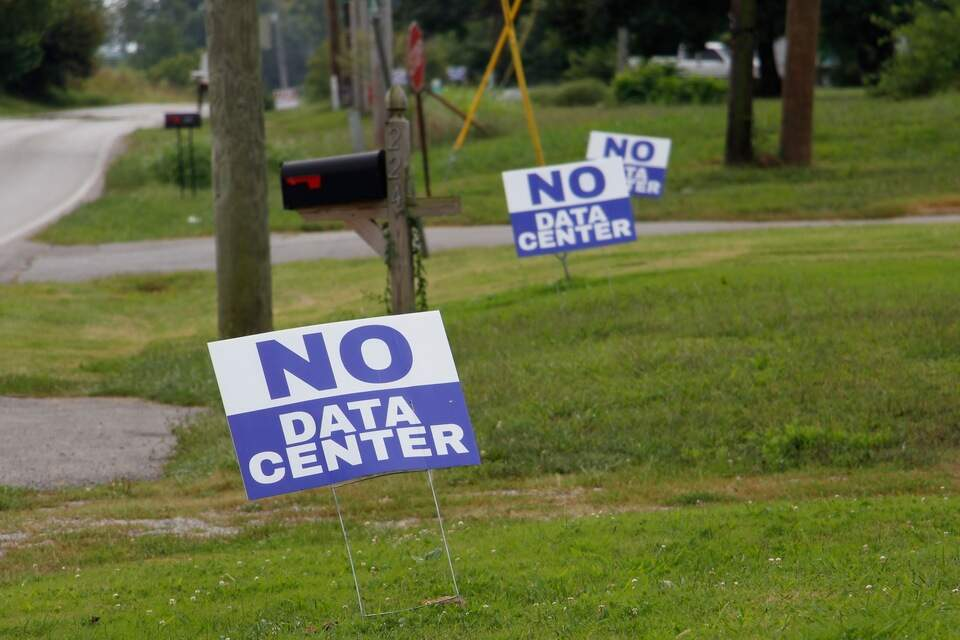
Beshear said data centers should only locate where residents choose to accept them. Burgin’s council will also consider rejoining the county planning commission and begin drafting a new annexation ordinance. Activists are planning a large turnout at the Sept. 8 special meeting at the Burgin Fire Department.
Pinal County, Arizona
Pinal County shoots down data center proposal despite developer's compromises
The Pinal County Board of Supervisors voted 4‑1 against Vermaland’s proposed 3,300‑acre data center campus south of Eloy, which would have been Arizona’s largest. The developer scaled the project from 59 buildings and two gas plants to 11 buildings and one plant, pledging reduced water use and economic benefits, but opposition remained strong.


Supervisor Jeff Serdy said he voted with the 90 percent of residents opposed, while Rich Vitiello cited unresolved questions and lack of an end user. Experts noted hyperscale centers can consume over 3 million gallons of water daily, comparable to a small town, and closed‑loop cooling systems trade water savings for higher energy use. Residents worried about long‑term water supply and emissions from natural gas turbines. Arizona already hosts 160 data centers, with dozens more planned, raising questions about whether growth is sustainable.
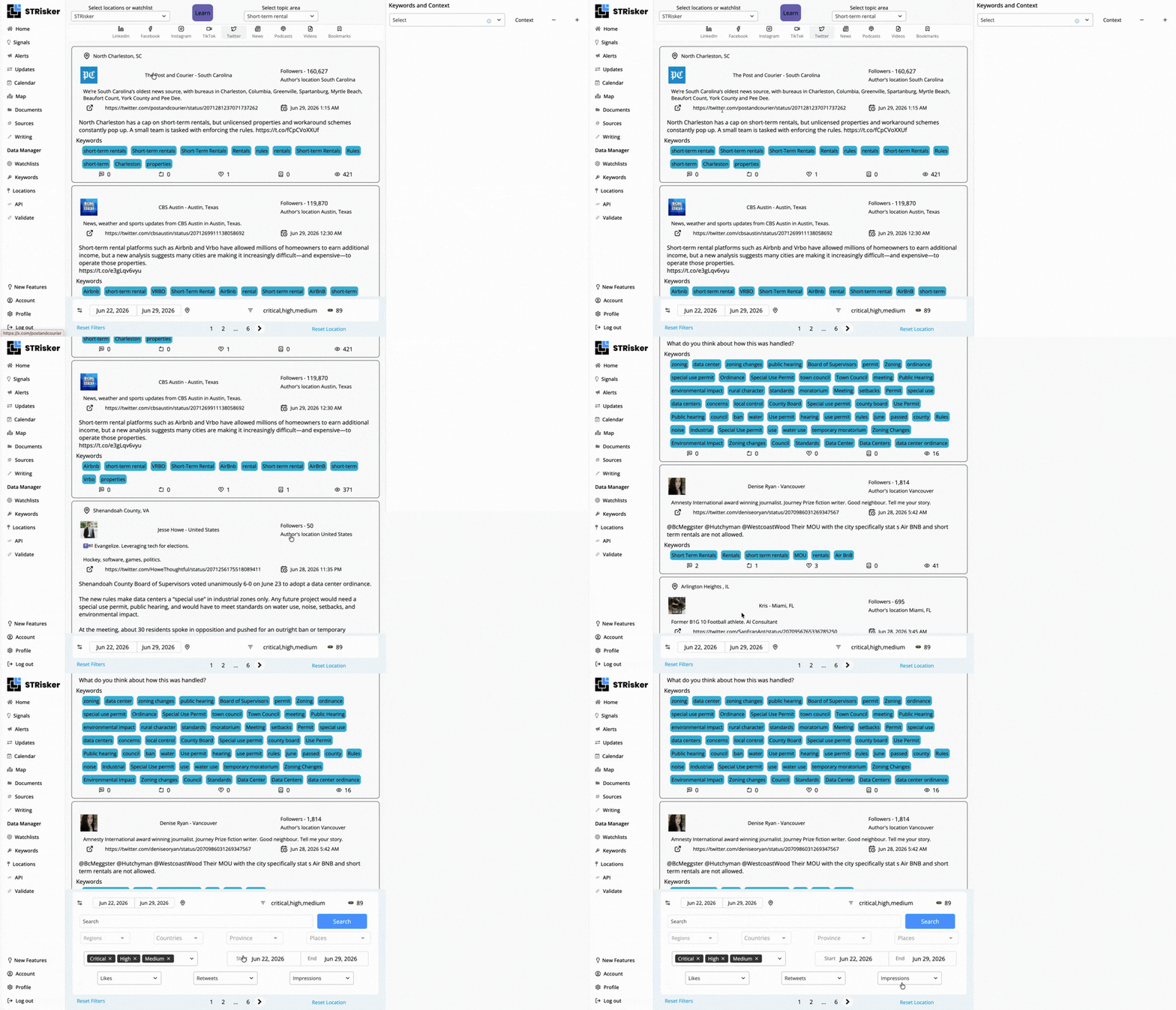
Social Listening📱: Twitter
Strisker’s Twitter Signal pulls real-time posts from officials, agencies, advocacy groups, and local influencers—so you see emerging sentiment and policy signals the moment they surface. Track conversations by place, people, and topics, then zero in on what actually matters.
Escambia, Florida
Escambia County commissioners are preparing to advertise hearings for a 12‑month moratorium on mid‑sized data centers, adding to earlier restrictions. In July, the board passed a resolution declaring data centers not allowed as principal uses under the county’s land code, and in August it banned large‑scale facilities outright.
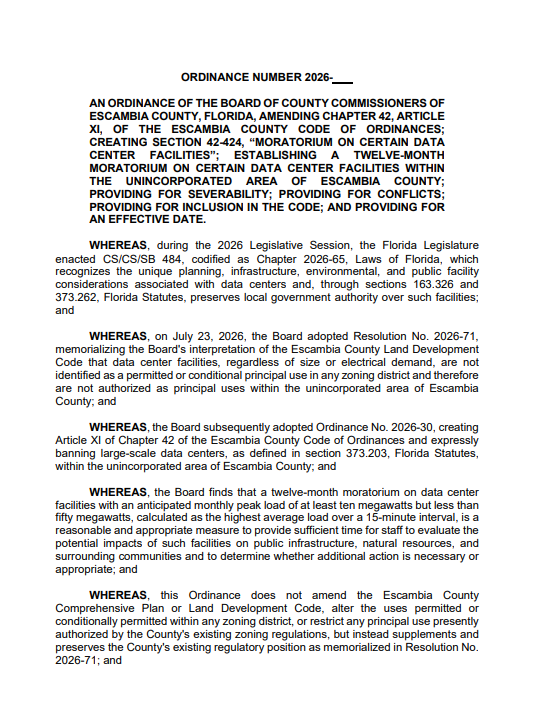
The new ordinance would target centers with monthly peak loads between 10 and 50 megawatts, giving staff time to study impacts on infrastructure, natural resources, and surrounding communities. Facilities above 50 megawatts are already regulated under state law, which requires them to cover their own energy and infrastructure costs. Supervisor Kerri Bosma said the layered approach ensures local protections while broader state rules take effect. Public hearings are scheduled for Oct. 1 and Oct. 15 if commissioners move forward at their Sept. 10 meeting.
Fort Madison, Iowa
The Fort Madison City Council has directed its Planning & Zoning Commission to continue developing a “High Infrastructure Impact Development” ordinance to regulate data centers and other large industrial projects.
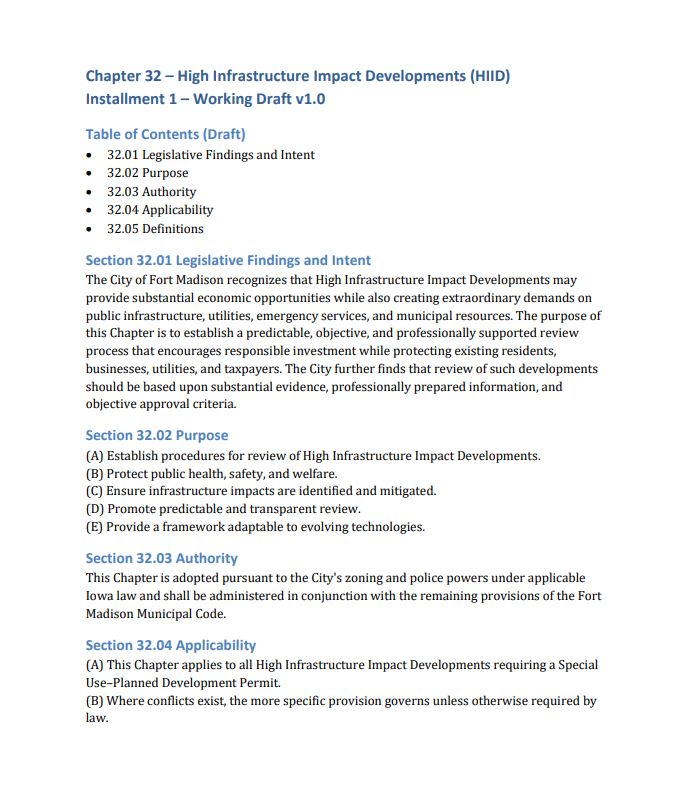
The ordinance would classify projects by infrastructure demand, requiring escalating levels of review for electricity, water, wastewater, roads, and emergency services. Planning Director Doug Krogmeier said the ordinance targets infrastructure impacts rather than specific industries, ensuring the city does not need to rewrite zoning codes for each new type of high‑demand development.
The proposal also requires annual compliance reports comparing projected and actual usage. Councilors are also considering expanding zoning authority up to two miles beyond city limits under Iowa law. The commission will continue reviewing both proposals following council approval.
Springhill Township, Pennsylvania
Springhill Township supervisors tabled votes on two ordinances regulating data centers and fossil fuel power plants until Sept. 17 to meet state notice requirements, but approved a temporary ban on applications in the meantime.

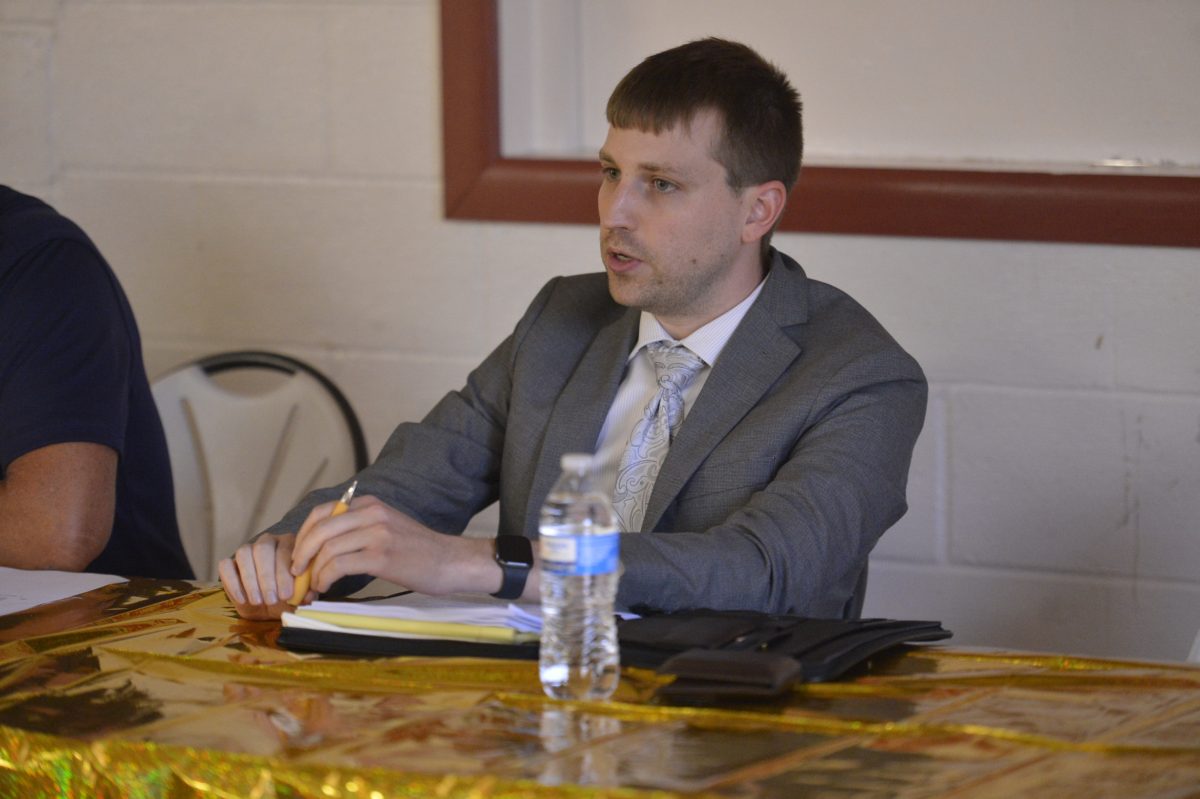
The proposed rules would restrict such facilities to conditional uses in industrial zones, impose setbacks of 200 feet from property lines and 400 feet from homes for data centers, and even greater distances for power plants. A companion noise ordinance sets daytime limits at 55 decibels and nighttime limits at 45, with additional restrictions on low‑frequency vibrations. Solicitor James Tomasy said the ordinances are needed because current zoning allows data centers through special exceptions without clear restrictions. The effort follows Nadara’s interest in 800 acres near Gans for a combined data center and power project. About 40 residents attended Thursday’s meeting, voicing concerns about whether local rules could withstand state pressure.
Eastport, Maine
Eastport will hold a public hearing Wednesday on two citizen‑initiated ordinances aimed at halting DeepGreen Holdings’ proposed underwater AI data center in the Western Passage.
 Melissa Razdrih, The Maine Monitor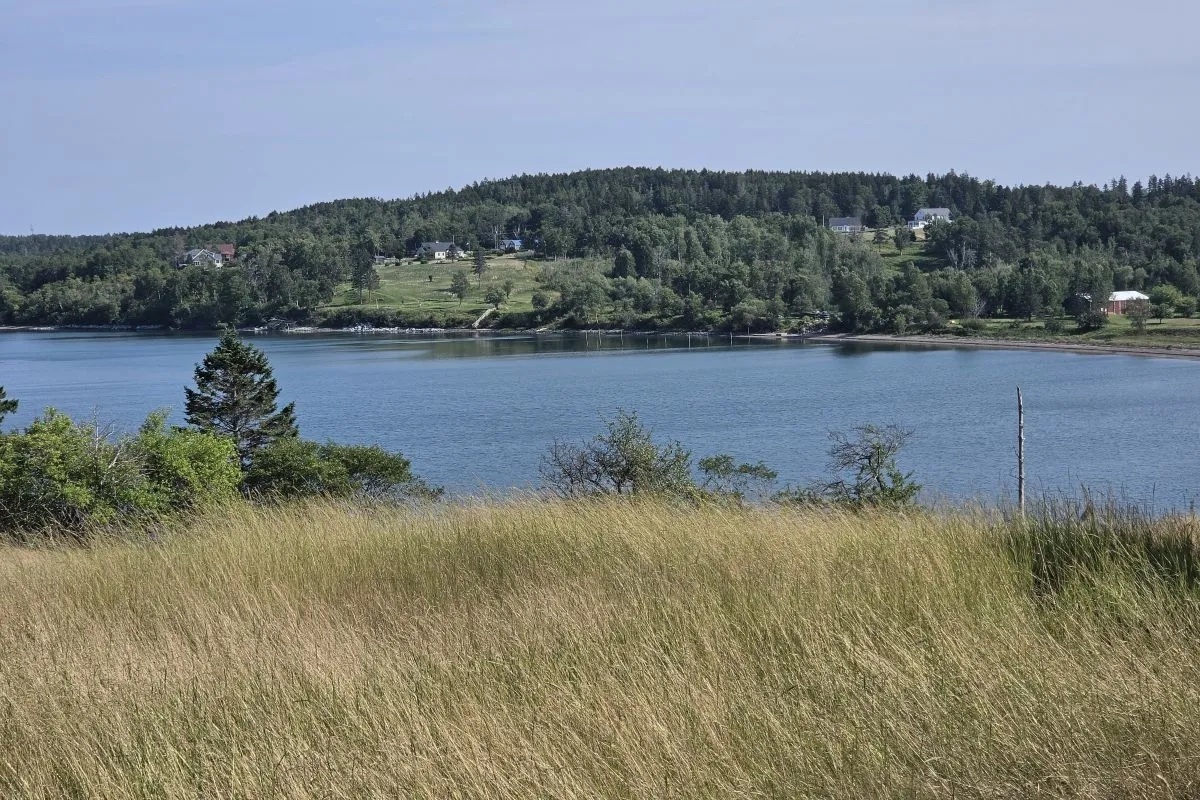
The Planning Board last month recommended adopting a permanent ban on large‑scale data centers but dismissing a second ordinance requiring voter approval for major projects, citing legal conflicts with the city charter. The residents’ coalition ECHO has also petitioned the city to file for intervenor status in the Federal Energy Regulatory Commission’s permitting process, though officials have not confirmed whether the request will be added to the agenda. FERC accepted DeepGreen’s preliminary permit application in August, which allows study but not construction, and has since accepted a similar application for Alaska’s Cook Inlet. Councilors previously enacted a 180‑day moratorium, giving time to refine ordinance language. The hearing will be held at 6 p.m. in the Port Authority Building.
📱 Social Buzz
A new effort is underway to assemble a coalition of economists, academics, #utilities and #technology-industry figures to develop a framework for #Arizona’s #datacenter policy.https://t.co/mk9Ca9Vj07
— Brock Blasdell (@BrockBlasdell) September 8, 2026
New at Flatwater: The city of Kearney is set to become home to a nearly 400-megawatt data center campus after spending more than a decade courting an industry facing pushback in the state.
— Flatwater Free Press (@flatwaterfreep) September 8, 2026
Read more 🔗 https://t.co/wCWxJUkNol pic.twitter.com/g5ZuueMncJ
🚨Next up in our data center two-pager series: Alaska
— Taxpayers Protection Alliance (@Protectaxpayers) September 8, 2026
Despite Alaska’s natural advantages for data center development, policymakers are considering new restrictions and even a statewide moratorium that could drive away investment and innovation.https://t.co/auGP8ErdAl pic.twitter.com/S6tyrvnGdQ
The Ohio Supreme Court has ruled that Trenton residents must get a chance to vote on a proposal that would ban new data center construction in the city.
— Ohio.news (@RealOhioNews) September 8, 2026
Residents collected 336 valid signatures, well above the 128 the court determined were required. Trenton City Council had…
Stay Updated with Strisker!
Strisker offers tools and features to keep you updated with the Short Term Rental and Data Centers movement across the world.
👍 We’d love your feedback.
Which stories hit? Which ones missed?
We're exploring a new branch of topics centered around Data Centers and want to make it even more useful for you.
✉️ Just reply directly to this email. We read and respond to every message!
-Will McClure
🙋 P.S.
Know someone else who should be reading Daily Notes? Feel free to forward this along. We’re opening a few more spots.