
Data Centers: Daily Notes | September 22, 2026
Wakulla County unanimously adopted an ordinance; Salem gave final approval to a 120-day moratorium on data center development; North Mankato; Calexico; Kalamazoo; Prince William County; Normal; Fayette County; Zionsville. READ MORE.


At A Glance 🔽
- Wakulla County, Florida unanimously adopted an ordinance formalizing a ban on data centers throughout unincorporated areas, codifying a prohibition that staff said already existed in practice.
- Salem, Oregon gave final approval to a 120-day moratorium on data center development, giving a new task force time to study regulations ahead of council recommendations in December.
- North Mankato, Minnesota passed a one-year moratorium and study on data centers with overwhelming support, following earlier public hearings that drew growing resident participation.
- Calexico, California voted to become the third California city to ban data centers within its limits, formalizing a prohibition that began as a proposed moratorium months earlier.
- Kalamazoo, Michigan set a public hearing to formally embed its data center moratorium into the city's zoning code, making the existing pause legally enforceable.
- Prince William County, Virginia supervisors are set to consider ending automatic "by right" approval for data centers and reconsidering a substation expansion needed to power several proposed facilities.
- Normal, Illinois extended its data center moratorium through May 2027, with officials saying they want to coordinate with neighboring Bloomington and await possible state legislation before finalizing rules.
- Fayette County, Ohio moved to approve an eight-month data center moratorium covering seven townships, after a commissioner reversed his initial opposition following public comment.
- Zionsville, Indiana approved a one-year moratorium on data centers, solar and wind farms, and battery storage systems, directing officials to review the town's zoning code.
Wakulla County, Florida
Wakulla County commissioners voted unanimously Monday to adopt an ordinance explicitly prohibiting data centers throughout the county's unincorporated areas, formalizing a ban that staff said already existed in practice under the county's zoning rules.
County staff told commissioners data centers aren't listed as a permitted or conditional use in any county zoning district, and that the light- and heavy-industrial districts lack a catchall provision that would allow similar unlisted uses, meaning construction of a data center likely wasn't permitted anywhere in unincorporated Wakulla County even before the vote. The new ordinance adds a formal definition of data centers to the land development code and creates a dedicated section identifying them as prohibited, removing any ambiguity.
Salem, Oregon
Salem City Council gave final approval Monday night to a 120-day moratorium on data center development, set to expire Jan. 19 unless extended roughly six more months, giving the city's new Data Center Task Force more time to study how to regulate the facilities.
 Barry Mangold, KATU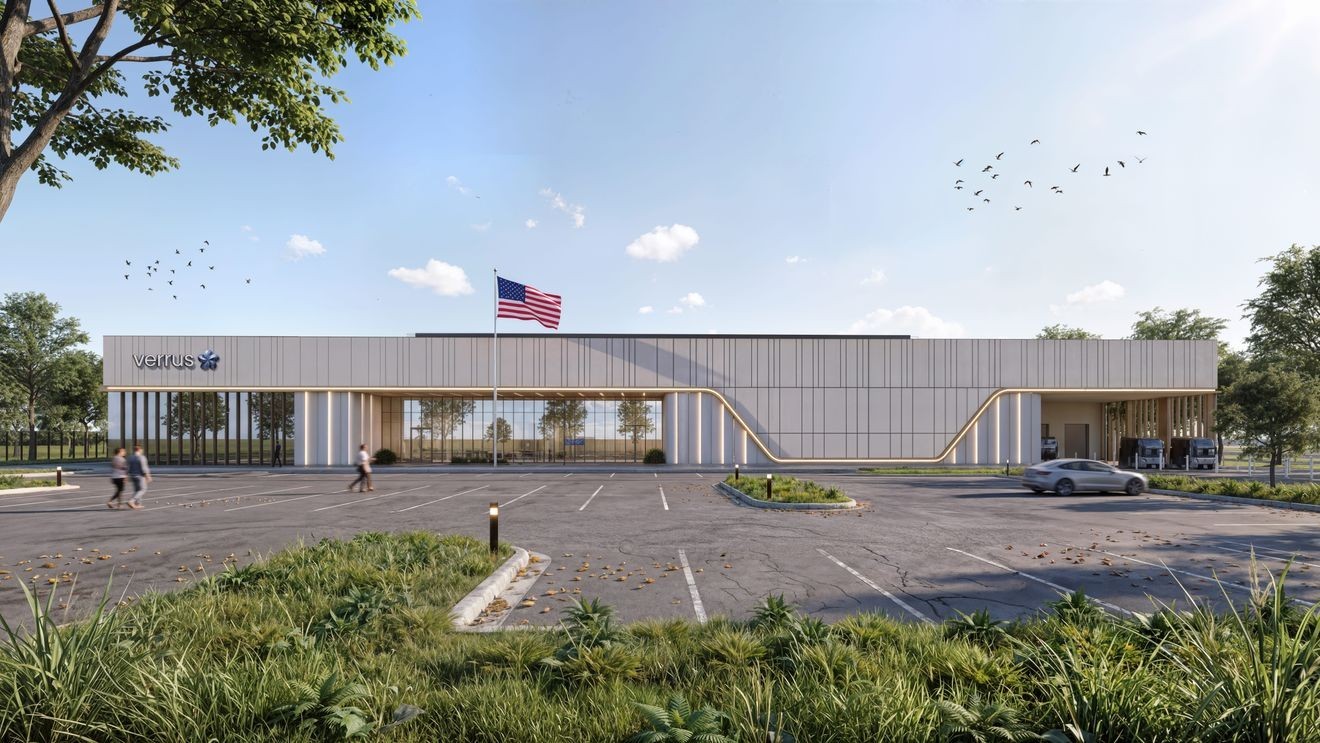
Councilor Linda Nishoka said the pause is needed to evaluate the risks facing the city before any decisions are made. While in effect, the moratorium bars the city from approving any data center development regardless of size, capacity or purpose. Councilor Vanessa Nordyke said she already supports extending the pause as long as legally possible, saying she wants to give the city all the time it needs. The task force, chaired by natural resource consultant Ken Bierly, is gathering public input at town halls, with sessions scheduled for Oct. 6 at Center 50+ and Oct. 20 at the Scottish Rite Center, ahead of presenting recommendations to council in December.
Mankato, Minnesotta
North Mankato's City Council passed a one-year moratorium and study on data centers Monday with overwhelming support, following an August 3 meeting where the council tabled the discussion to gather more resident input.
 Kate Jones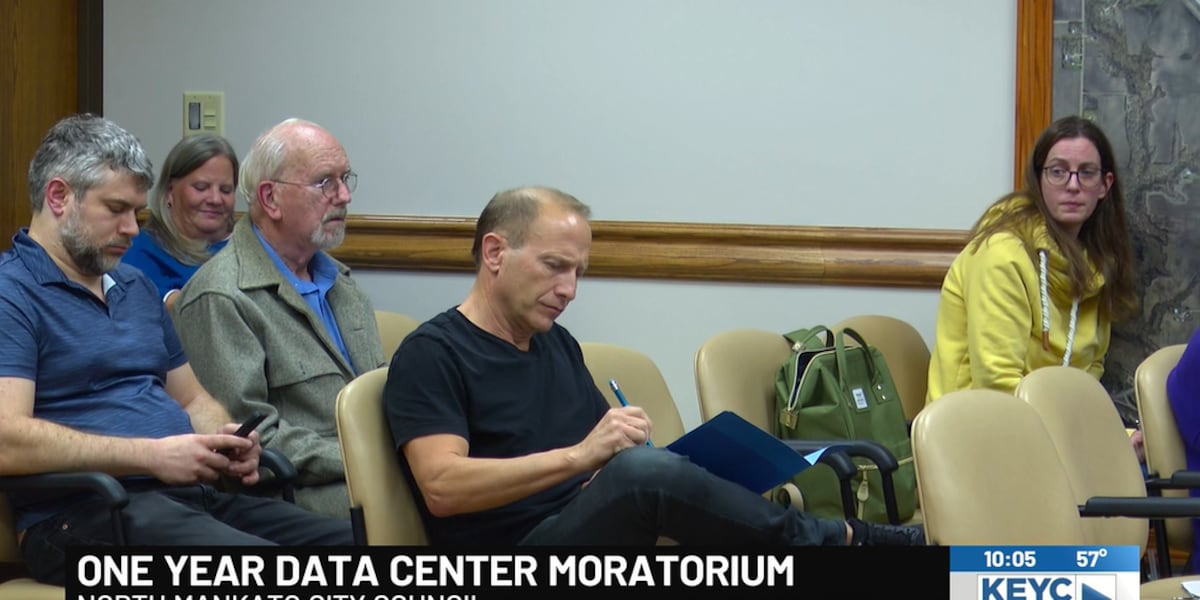
Four residents spoke in favor at Monday's hearing, up from 15 who addressed the council at the original public hearing over a month earlier. Resident Joe Tougas said he supports the moratorium but urged the council to keep the process transparent, saying he wasn't sure what mechanism the city would use to share updates during the yearlong study.
The moratorium pauses consideration or construction of new data centers for up to 12 months, with the option to renew for an additional year, giving the council time to study the facilities' localized impacts and how other communities regulate them.
Calexico, California
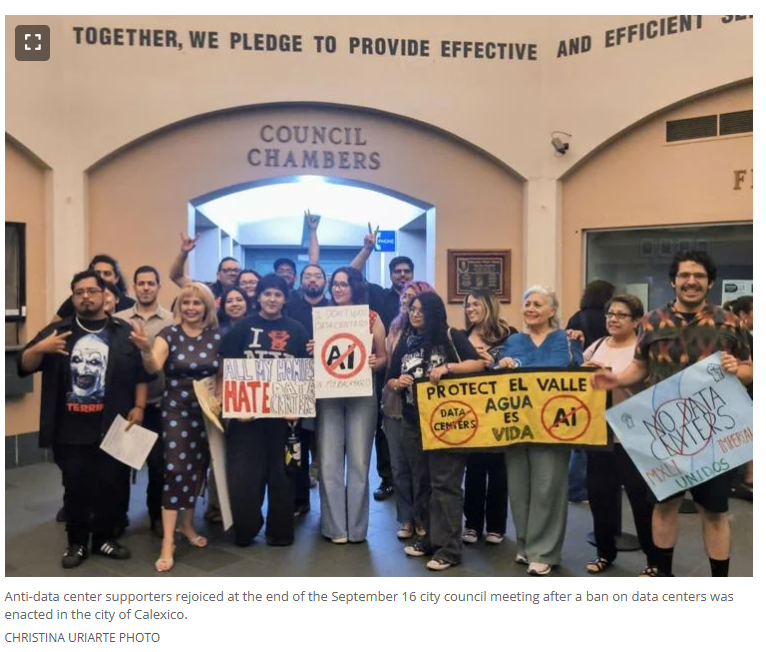
Calexico City Council voted 3-0 on Sept. 16 to become the third city in California to ban data centers within its limits, amending the zoning code to expressly prohibit the facilities after months of discussion that started as a proposed moratorium.
City Manager Ben Martinez said data centers were technically already disallowed under Calexico's permissive zoning system, which does not authorize uses not expressly listed, but that the new ordinance formalizes and strengthens the city's policy stance. The process began June 3 when council directed staff to consider a moratorium, and shifted at a July 1 meeting when council instead asked staff to draft an outright prohibition rather than adopt the urgency interim ordinance staff had recommended.
Residents from both sides of the U.S.-Mexico border spoke against data centers at the meeting, including Fernando Marquez Duarte of the Environmental Justice Border Committee, who cited environmental impacts on a community already burdened by pollution, and Dr. Astrid M. Calderas of Econciencia y Salud, who presented research gathered through youth outreach programs. Resident Gilberto Manzanarez argued hyperscale data centers don't fit Calexico's binational, cultural identity.
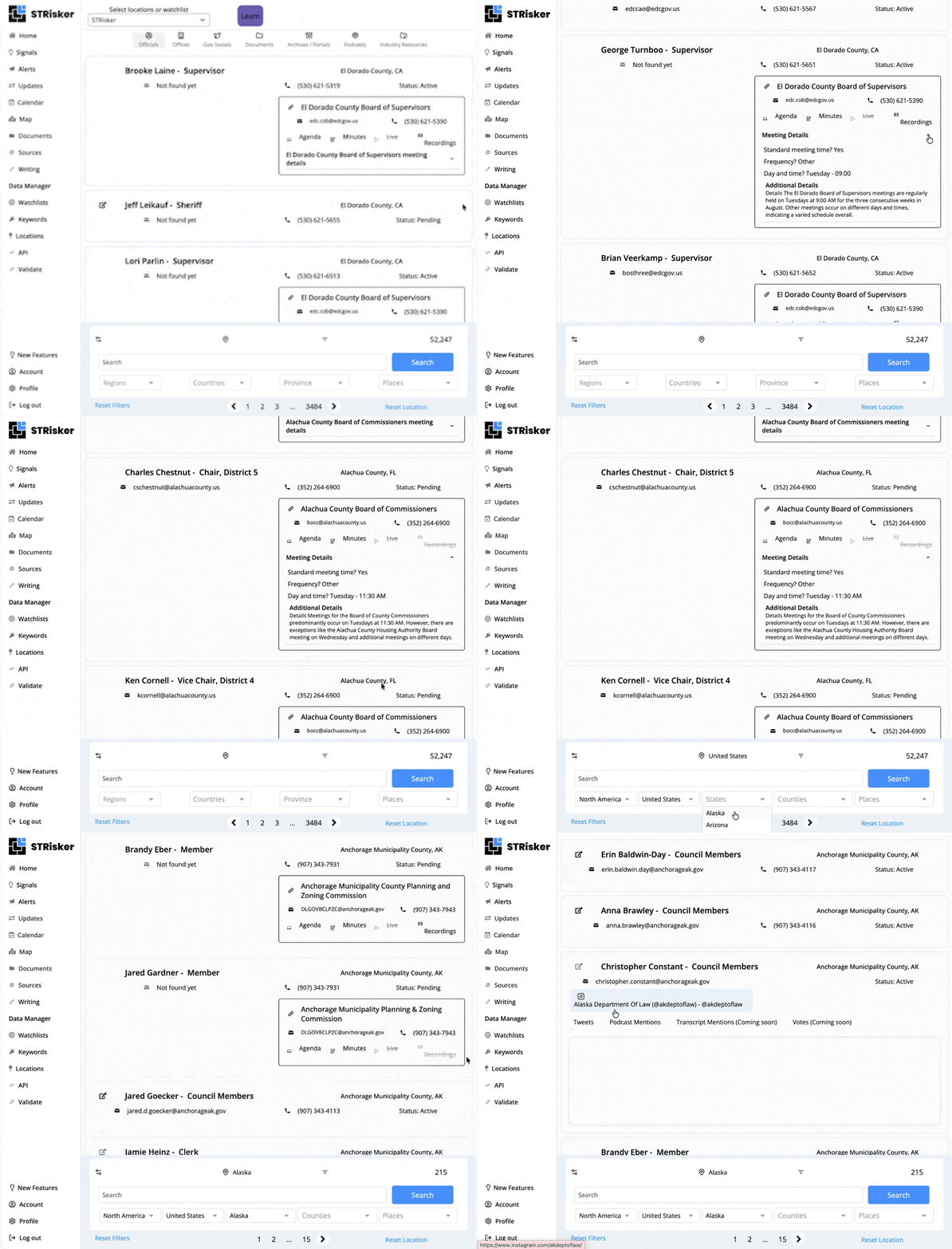
Strisker Government Officials Dashboard
Trying to keep up with the main players in the STR and Data Center game? Know your council members, commissioners, committee chairs, and key staff that are part of the process.
Kalamazoo, Michigan
Kalamazoo commissioners set a public hearing for their next meeting to formally embed a data center moratorium into the city's zoning code, a step that will make enforceable a pause that has existed only as a resolution until now.
Assistant City Planner Bobby Durkee said the zoning amendment ensures the moratorium is enforceable under the city's development code and the state's enabling act, since the prior action lacked that legal footing. He said a year should be enough time to develop guardrails to protect the public if a data center proposal comes forward. The city has used moratoriums twice before, once while considering regulations for digital billboards and again while rewriting zoning codes for marijuana businesses.
Prince William County, Virginia
Prince William County's Board of Supervisors is set to consider two connected data center votes Tuesday, including a proposal that would end automatic "by right" approval for data centers within the county's overlay district and require board approval for every future project.
 Maureen Umeh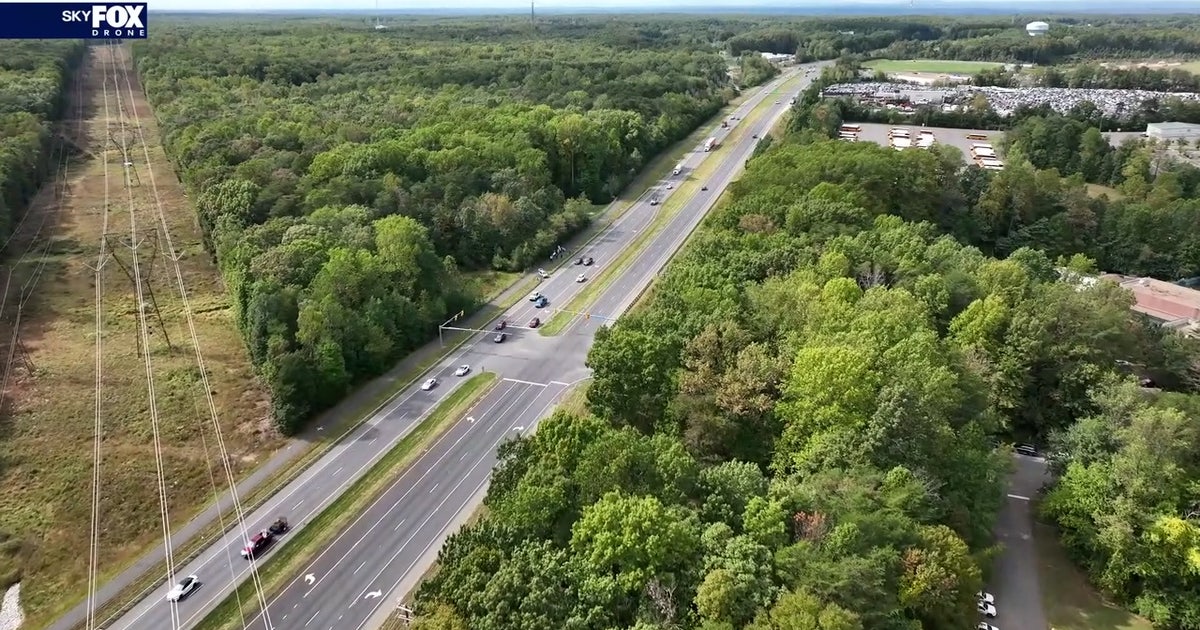
Supporters say ending by-right approval would give county leaders and residents more say over where facilities are sited, while industry representatives point to the hundreds of millions of dollars in local tax revenue the projects generate. The board will also reconsider Dominion Energy's request to expand its Vint Hill substation near Nokesville, intended to power up to seven proposed data center buildings; Dominion says the expansion is needed to meet rising demand and improve reliability, but nearby residents have raised concerns about proximity to homes, potential health and environmental impacts, and two proposed 30-foot equipment buildings.
The board delayed a decision on the substation in June, citing a need for more information on safety and environmental effects. The zoning hearing is scheduled for Tuesday afternoon, followed by the board's evening session at 7 p.m., with a rally against the substation project planned outside the building at 6 p.m.
Normal, Illinois
Normal's Town Council voted 6-1 Monday to extend the town's data center moratorium through May 31, 2027, with Council member Andy Byars casting the lone dissenting vote against the extension.
 MATEUSZ JANIK mateusz.janiklee.net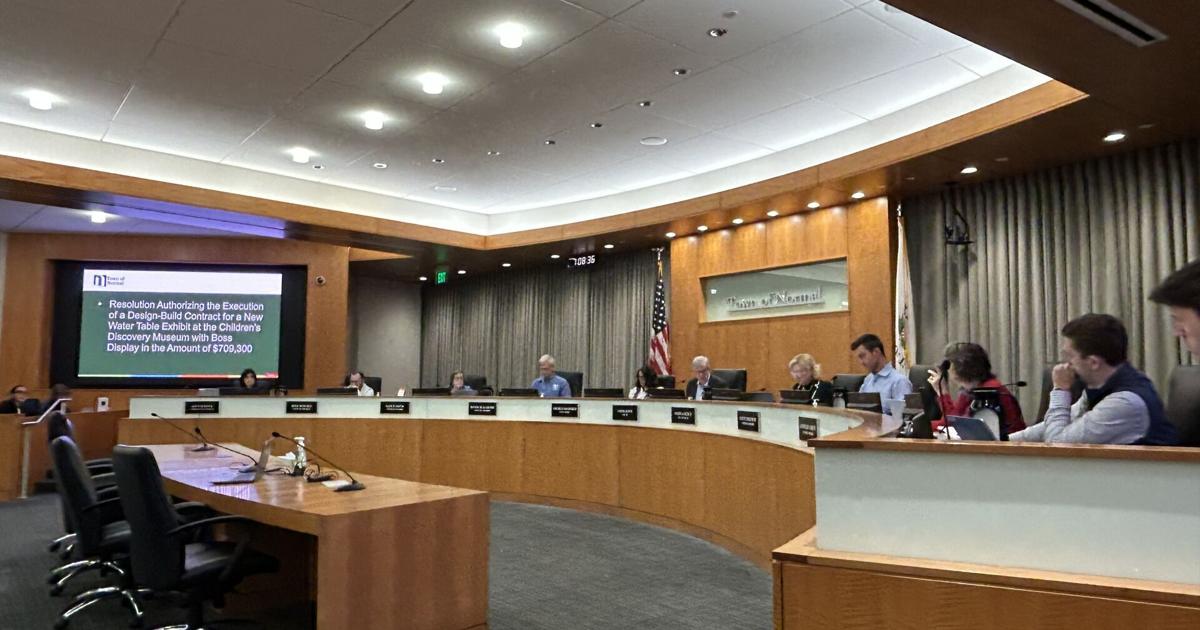
The town adopted the original moratorium in May, pausing acceptance, processing and approval of data center applications and related permits; it had been set to expire Nov. 30. City Manager Pamela Reece told the council officials have reviewed other communities' data center ordinances, visited Aurora and other municipalities with existing facilities, attended a recent community meeting, and gathered information from Champaign County, but haven't yet narrowed that research into specific rules because the Illinois General Assembly may take up state legislation that could affect local regulations. Assistant City Manager Brian Day said the town doesn't want to finalize its own rules only to have state law require a different approach.
Fayette County, Ohio
Fayette County commissioners moved to approve a roughly eight-month data center moratorium Monday, running from Sept. 21, 2026 through June 1, 2027, after Commissioner Donnie Fleak reversed his initial opposition following public comment at a meeting attended by about 27 residents.
Zoning Officer Justin Hagler opened the discussion by distributing the county's rezoning and amendment process and confirming no applications had been submitted for farmland rezoning or data centers. Paint Township resident Dan Drake presented resolutions supporting a moratorium from seven townships, Concord, Green, Jasper, Madison, Marion, Paint and Perry. Fleak's motion, seconded by Board Chairman Jim Garland, directed Prosecutor Jess Weade to draft the measure, which he delivered later that day covering the seven unincorporated townships while excluding Jefferson, Wayne and Union townships, which maintain their own zoning authority.
Under the moratorium, county officials cannot process applications, reviews, zoning approvals or permits for data centers in the affected areas, giving officials time to assess and develop recommendations for regulating the facilities. Commissioners retain authority to modify, rescind or extend the pause before it expires, and a comprehensive county land use plan addressing the issue permanently is expected to take effect in mid-2027. Commissioner Tony Anderson voted present in absentia.
Zionsville, Indiana
Zionsville Town Council approved a one-year moratorium Sept. 21 on data centers, along with solar and wind farms and battery energy storage systems, directing the planning department and Plan Commission to review zoning code since none of these uses currently have a permitted land-use category.
lunkett said the move isn't meant to shut down potential projects but to send a formal request to the Plan Commission to review the town's land use ordinance and return recommendations. Town Council attorney Heather Harris said the decision was partly driven by neighboring communities taking similar action, including Boone County's one-year moratorium approved in June, and that some counties have banned the projects outright. She said the goal was to get ahead of developer interest before Zionsville becomes a target site.
The pause gives officials time to research the developments, gather community feedback, and determine whether and where such projects should be allowed in town. Any changes would go through the Plan Commission for a recommendation before a final vote by the town council, with public hearings required at both stages. Councilor Tim McElderry said the moratorium "makes complete sense" and would help the town make better long-term decisions.
📱 Social Buzz
Episode Title: The State of the AI Debate
Episode: The AI Daily Brief: Artificial Intelligence News and Analysis
Listen:https://podcasters.spotify.com/pod/show/nlw/episodes/The-State-of-the-AI-Debate-e3p6r0p
LIVE: Press Conference Advocating for Moratorium on Data Center Development in Michigan https://t.co/SPsQYgJtv3
— Brendan Gutenschwager (@BGOnTheScene) September 22, 2026
New Hampshire Senate President Sharon Carson announced last week that the Senate would explore legislation to “protect New Hampshire taxpayers from shouldering the costly demands of data center development and ensure our communities are not left to pay the price.”
— National Lieutenant Governors Association (NLGA) (@NLGA) September 22, 2026
Read more:…
Gov. Greg Abbott ordered the Texas Commission on Environmental Quality to halt all data-center permits until ERCOT finishes an audit of power and water risk, extending a months-long clampdown on the projects crowding the Texas grid.https://t.co/LBAqOQYGQWhttps://t.co/LBAqOQYGQW
— 🇺🇸🇺🇸Red White and True News🇺🇸🇺🇸 (@RWTNews) September 22, 2026
Data center moratorium passes in Spartanburg County. https://t.co/T0ODsv9rIK
— Herald-Journal (@GoUpstate) September 22, 2026
Galesburg council fast-tracks 180-day data center moratorium, could later impose limit or ban https://t.co/E0dfRWKumK
— IL Energy Network (@ilenergynet) September 22, 2026
Strisker Calendar Tracker
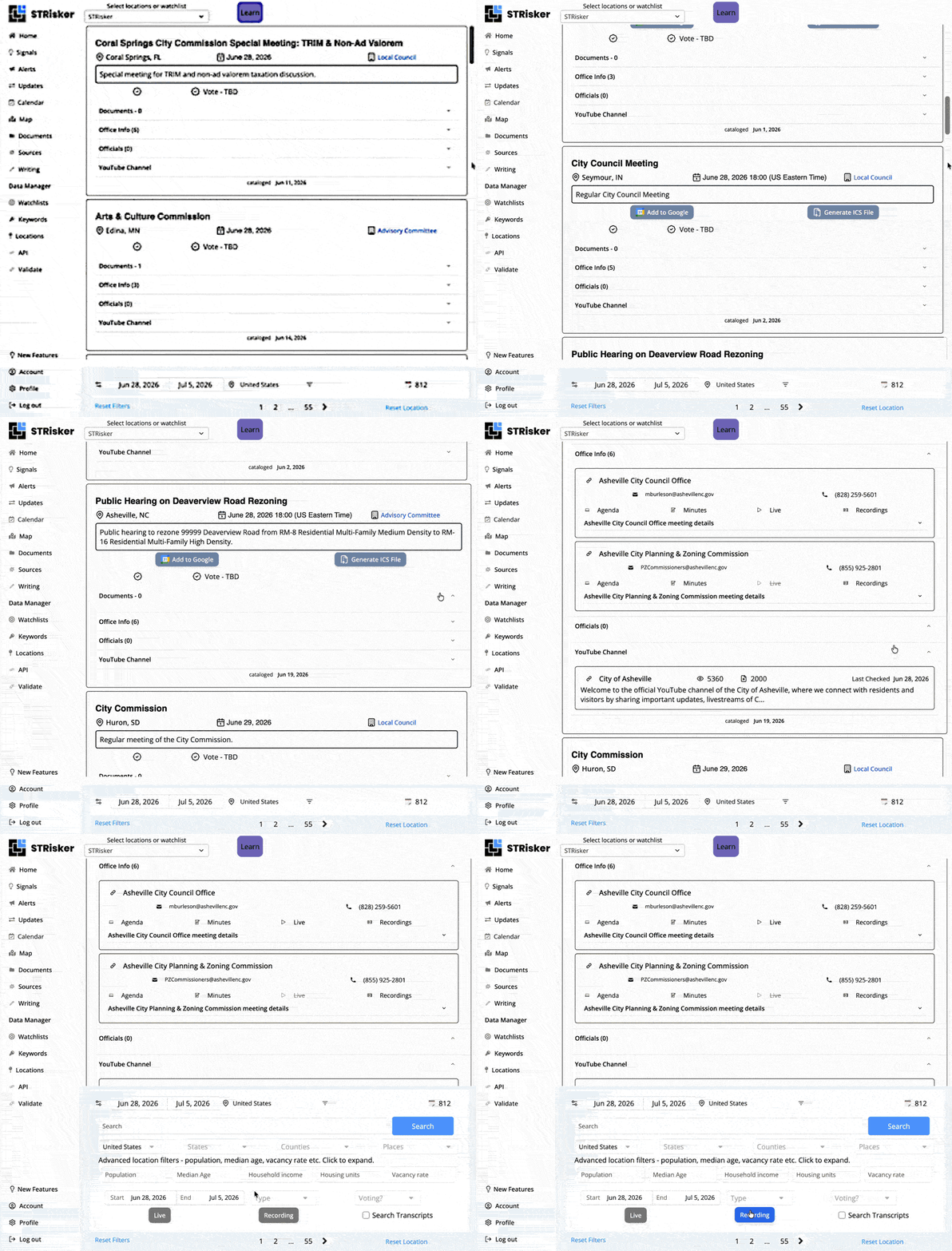
Staying ahead of STR and data center regulations isn’t just about deadlines—it’s about knowing what’s coming. Our Calendar Tracker keeps you informed on upcoming meetings, key votes, and policy changes, so you never miss a critical update.
Stay Updated with Strisker!
Strisker offers tools and features to keep you updated with the Short Term Rental and Data Centers movement across the world.
👍 We’d love your feedback.
Which stories hit? Which ones missed?
We're exploring a new branch of topics centered around Data Centers and want to make it even more useful for you.
✉️ Just reply directly to this email. We read and respond to every message!
-Will McClure
🙋 P.S.
Know someone else who should be reading Daily Notes? Feel free to forward this along. We’re opening a few more spots.