
Data Centers: Daily Notes | September 23, 2026
Kershaw County unanimously passed a one-year moratorium on data centers; Baltimore County unanimously voted to extend its data center moratorium; North Port approved an 18-month moratorium on new data center applications; Oakland; Fort Wayne; Buffalo; Vineland; Reading; Raton. READ MORE.


At A Glance 🔽
- Kershaw County, South Carolina unanimously passed a one-year moratorium on data centers, cryptocurrency mining and data processing facilities, giving officials time to develop regulations.
- Baltimore County, Maryland unanimously voted to extend its data center moratorium through at least the end of 2027, with some council members saying industry companies haven't adequately answered questions on environmental impact.
- North Port, Florida approved an 18-month moratorium on new data center applications, though the measure excludes a roughly 900,000-square-foot project already proposed in the city.
- Oakland, California a council committee approved a proposed 45-day moratorium on new data centers, clearing the way for a full vote after testimony centered on environmental concerns.
- Fort Wayne, Indiana delayed a vote on a proposed one-year data center moratorium by three weeks after council members introduced multiple amendments requiring further review.
- Buffalo, New York a proposed two-year ban on new data centers moved closer to passage after a public hearing showed enough council support for it to pass.
- Vineland, New Jersey was fined $1.07 million, the largest data center enforcement action in state history, after inspectors found dozens of natural-gas generators operating without required air pollution permits.
- Reading, Pennsylvania could see its Planning Commission vote next month on a zoning amendment regulating data centers, limiting them to specific manufacturing districts through a conditional use process.
- Raton, New Mexico rejected a resolution that would have imposed a one-year moratorium on data center business licenses and zoning approvals while the city finishes a permanent ordinance.
Kershaw County, South Carolina
Kershaw County Council unanimously passed a third and final reading of a one-year moratorium on data centers, cryptocurrency mining operations and data processing facilities, giving officials a year to study the industry and develop regulations.

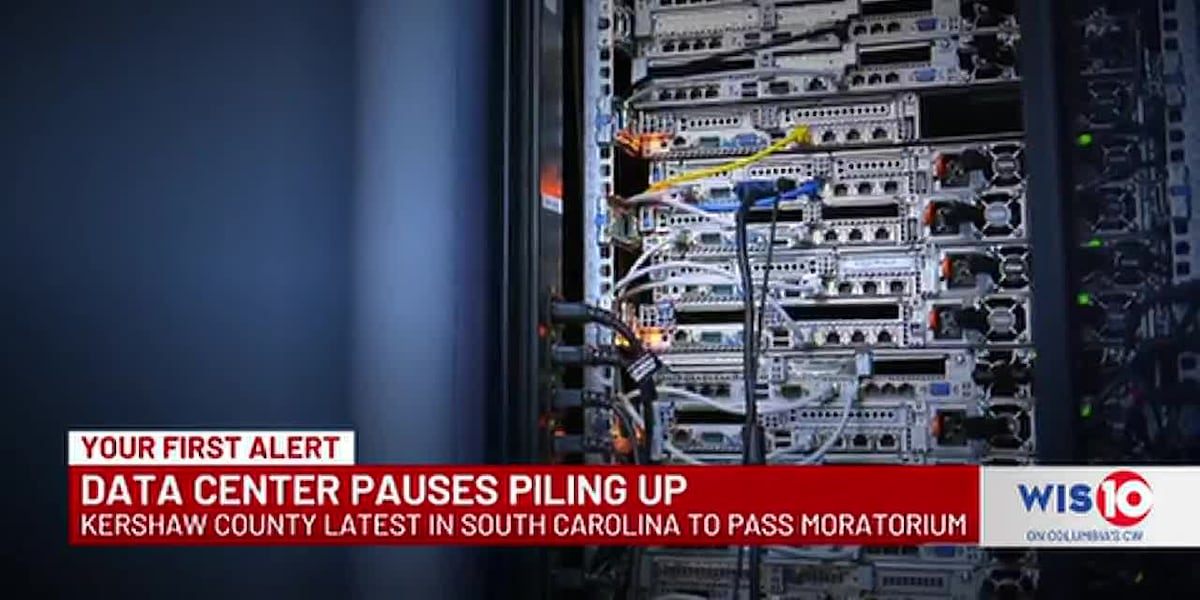
Councilmember Danny Catoe said the ordinance is desperately needed given the discussion and public comment the council has received, calling the pause an opportunity to determine next steps. Councilmember Sammie Tucker Jr. voted in favor remotely, and Councilmember Jimmy Jones thanked residents who reached out to council members a few weeks earlier to help initiate the ordinance. The first and second readings passed Aug. 25 and Sept. 8.
At a public hearing held earlier in the meeting, one resident, the sole speaker to sign up, urged the council to use common sense in adopting the moratorium until the county can regulate the technology, saying AI offers real advantages but risks becoming something communities can't control if development isn't managed responsibly.
Baltimore County, Maryland
Baltimore County extends data center moratorium until December 2027
Baltimore County Council voted unanimously Tuesday to extend the county's data center moratorium through at least the end of 2027, after it had been set to expire by year's end.
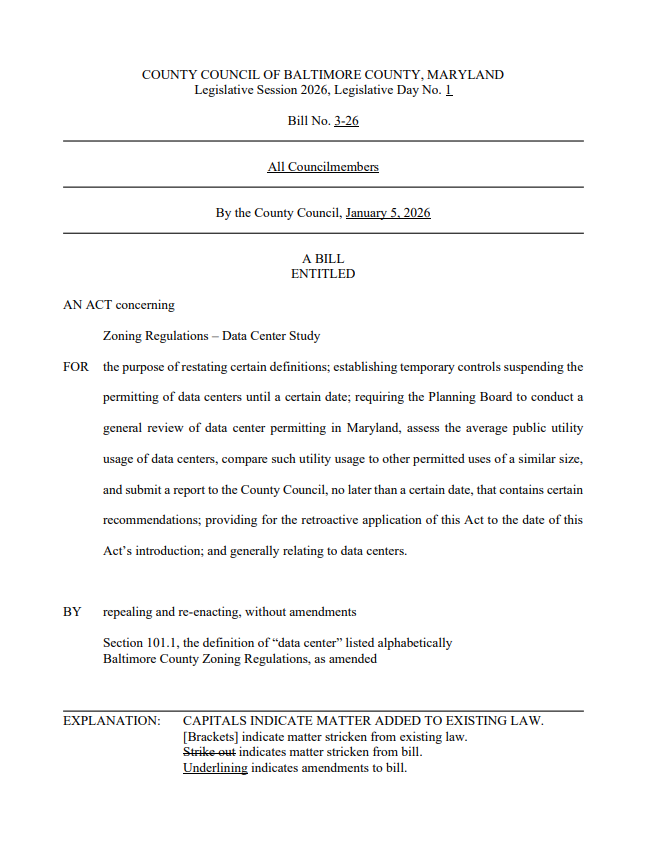
Councilman Izzy Patoka said he hasn't heard from any constituents who want the moratorium lifted, noting only lawyers and developers have pushed for that outcome. Councilman Todd Crandell said a pause remains appropriate given how quickly the industry is evolving, and that data center companies have failed to answer the council's questions on environmental impact and energy costs. Councilman Pat Young, who had earlier called extending the moratorium premature before the county's own planning board study was complete, said in an earlier statement that acting before reviewing that report amounted to "political theater."
The planning board approved its final report on data centers Sept. 17, and Council Chairman Mike Ertel confirmed the council has received it but hasn't yet had time to review it.
North Port, Florida
North Port city commissioners approved an 18-month moratorium on new data center applications in a 3-2 vote Tuesday, though the measure excludes a roughly 900,000-square-foot data center already proposed in a remote part of the city.
Commissioners Phil Stokes and Barbara Langdon and Mayor Pete Emrich supported the moratorium, while Commissioners Demetrius Petrow and David Duval voted no, arguing the pending project should be included in the pause. City Attorney Michael Fuino warned that folding the existing application into the moratorium could expose the city to a lawsuit, since the company could argue it was denied legal rights under the application process, though he said commissioners could still ultimately reject the project. The moratorium allows city staff to keep accepting, processing and reviewing applications, but the commission must approve any development before it moves forward.
The city's land development code currently doesn't address water demand, infrastructure capacity or environmental impact for large-scale data centers, and the legislation directs staff to study the issue and draft new regulations; it also allows developers to seek an exception for "extraordinary hardship," such as existing permits or substantial prior expenditures, with commissioners deciding whether to grant it.
Oakland, California
An Oakland City Council committee approved a proposed 45-day moratorium on new data centers, clearing the way for a full council vote scheduled for Oct. 6, after testimony from residents on both sides of the issue.
 Pete Suratos
Opposition at the hearing centered heavily on environmental concerns, including a proposed 20,000-square-foot downtown "innovation center" that would provide computing power for AI and robotics, though members of the public repeatedly called it a data center. Councilmember Carroll Fife said the rise of AI has driven a proliferation of resource-intensive data centers consuming significant amounts of electricity and water, and Councilmember Rowena Brown said the pause would give the city time to identify needed regulations.
The move follows similar 45-day moratoriums recently adopted in Gilroy and Richmond, and comes as Gov. Gavin Newsom has signed seven new state laws addressing data centers' electricity and water use. Brown, who supported the committee measure, encouraged residents to keep showing up and making their voices heard as the proposal heads to the full council.
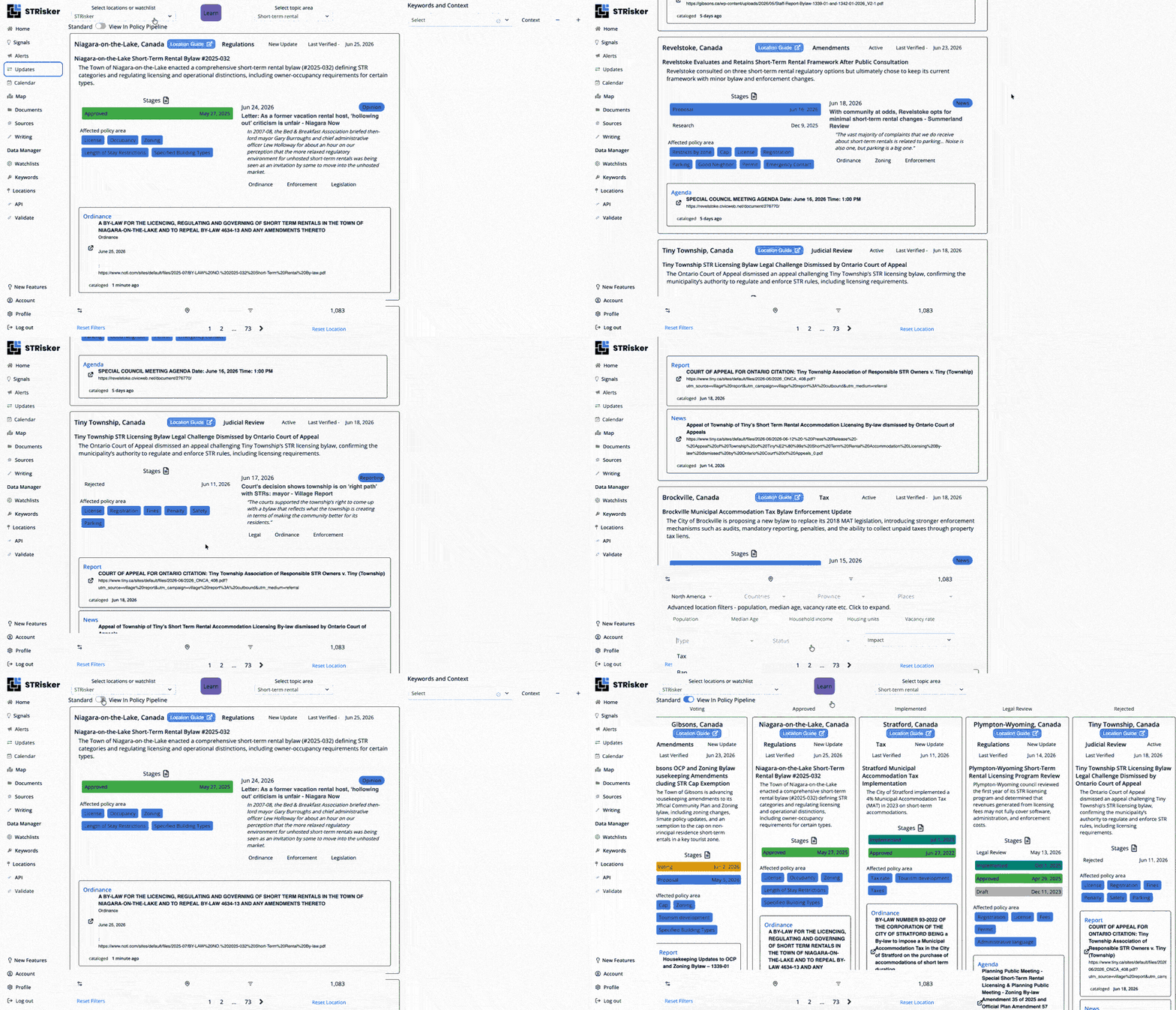
Strisker Updates Tracker
How do you keep up with the regulatory rollercoaster in your market? Strisker's Updates Tracker can be your guide - start tracking latest events as they happen and get access to essential documents as they come in. We know the struggle, which is why we built this product to capture every twist and turn in the regulatory saga so you never miss a beat.
Fort Wayne, Indiana
Fort Wayne City Council delayed a vote on a proposed one-year data center moratorium for three weeks Tuesday, pushing final action to Oct. 13 after multiple amendments were introduced and council members said they wanted more time to review the changes.
Councilwoman Rohli Booker introduced the proposal earlier this month, which would block approval of any new data center projects for a year while directing the Department of Planning Services to develop comprehensive data center development standards. The moratorium would not affect the existing Google data center project already underway in southeast Fort Wayne.

Buffalo, New York
Buffalo's proposed two-year ban on new data centers moved a step closer to passage after a Tuesday public hearing before the community development committee, with enough council members expressing support that the resolution would have passed had a vote been held then and there.
The resolution, sponsored by North District Council Member Joseph Golombek, was instead sent to the full council for a vote next Tuesday, where Golombek said he expects it to pass, possibly unanimously. If signed into law, the measure would establish a commission to review the city charter, zoning ordinances and other regulations a data center could affect. Golombek said more than a dozen data centers have opened in Buffalo over the past decade, many near residential neighborhoods, and that the city currently has no ordinances in place that would prevent a data center from being built without any changes.
Golombek, whose district includes Black Rock and Riverside, said he wants to protect nearby residents while ensuring any future data center in the city is done properly. It remains unclear whether Mayor Sean Ryan will sign the resolution if it passes; his office has not responded to a request for comment.
Vineyard, New Jersey
New Jersey fined Data One's Vineland data center $1.07 million, the largest enforcement action against a data center in state history, after a July inspection found 62 large natural-gas generators operating without required air pollution permits.
 Leland Pinder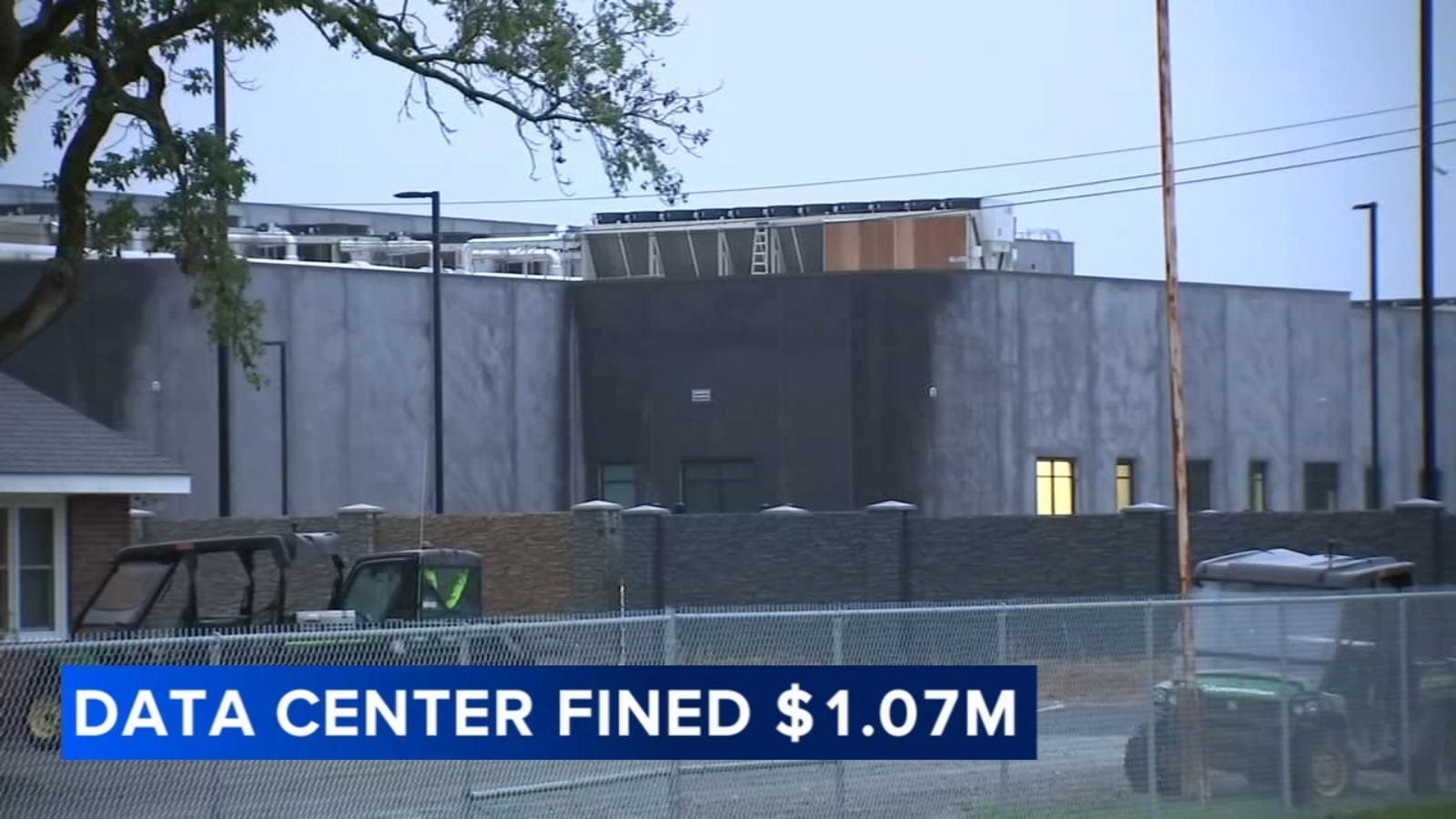
DEP Commissioner Ed Potosnak said the penalty is meant to send a clear message that facilities won't be built or operated without consequence. Matt Williams of Sustain South Jersey welcomed the action but questioned whether $1 million would meaningfully affect a billion-dollar company. Data One said it plans to apply for permits for the generators while continuing its transition to quieter, low-emission fuel cells, which it said were already approved as the site's permanent power solution, though the company disputed the state's determination regarding the temporary generators.

The unpermitted generators had drawn scrutiny for months, with thermal drone footage from nonprofit newsroom Floodlight showing at least 45 of the 62 units running in August, and resident complaints about noise prompting a Cumberland County Health Department investigation earlier this year. Former EPA Air Enforcement Chief Bruce Buckheit said in the Floodlight investigation that the company should immediately halt the generators and pay for its illegal emissions. Regulators said the generators weren't present during a December 2025 inspection, and the DEP has given Data One 45 days to obtain the required permits or stop any further installation or operation of the equipment.
Reading, Pennsylvania
Reading's Planning Commission could vote next month on a proposed zoning amendment regulating data centers, with commissioners saying Tuesday they'll advertise potential action for the Oct. 20 workshop meeting.
The process began in early July when City Council adopted a resolution invoking the curative amendment process, formally declaring the city's zoning ordinance defective as it relates to data centers and triggering a 180-day window to adopt regulations, during which no developer may submit a data center application. Planning consultant Jerome Skrincosky of Hawk Valley Associates said a special task force has been meeting regularly, with a fourth draft of the amendment expected before the commission Oct. 20. The proposed ordinance would limit data centers to the city's Heavy Manufacturing and Manufacturing Commercial zoning districts through a conditional use hearing before council, addressing a gap in current zoning that previously would have allowed a data center in any district.
Recent additions to the draft include a 500-foot setback from Preservation zoning districts for standard data centers and 1,000 feet for major facilities, along with provisions protecting nonconforming residential uses or other sensitive receptors within the affected zones, requirements around alternative energy use limits, and noise buffering conditions for rooftop or ground-level equipment. Some planning commission members have questioned whether the proposed rules go too far. Skrincosky said the goal is for the commission to recommend the amendment to council for possible adoption in December, with the current 180-day moratorium on data center applications set to expire in January.
Raton, New Mexico
The Raton City Commission voted 3-2 to reject a resolution that would have imposed a one-year moratorium on business licenses and zoning approvals for data centers while the city finishes drafting a permanent regulatory ordinance.
Commissioner Dan Campbell, voting no, said Raton's municipally owned utilities already have safeguards in place, and that the city lacks the power generation capacity and relies on surface rather than groundwater, factors he said would naturally discourage data center development regardless. Mayor Pro-Tem Mark Honeyfield also voted no, citing unresolved questions about existing facilities like the CenturyLink site on 4th and Cook Avenue and the absence of a legal review. Mayor Lori Chatterley voted no as well, pointing to existing oversight from the city's utilities and the New Mexico Environment Department, and noted no data center project is currently proposed.
 Name*
Name*
Commissioners Linde' Schuster and Sally Hoger supported the resolution, with Schuster arguing it would give the community reassurance while an ordinance is finalized, and Hoger noting the pause would be non-binding and could be rescinded if needed. Prior to the vote, resident Kimberly Burke submitted a petition with 477 qualifying signatures from Raton residents opposing data centers in the city.
📱 Social Buzz
The Tom Green County Commissioners' Court heard from data center developer $CIFR @CipherInc Tuesday and news broke about the Red Creek power substation. https://t.co/gVDHJ2LI5z
— San Angelo LIVE! (@SanAngeloLIVE) September 23, 2026
Mayor Brandon Johnson proposes Chicago data center moratorium: ‘We can’t wait’ https://t.co/UPN65ICYw7
— IL Energy Network (@ilenergynet) September 23, 2026
Construction of a controversial data center in Middlesex Township can proceed, a judge ruled Tuesday afternoon, in a setback to opponents who argued the project was illegal and work should stop immediately.https://t.co/7P1Afw5AZa
— abc27 News (@abc27News) September 23, 2026
Maryland governor signs executive order establishing new framework for data center development
— FOX 5 DC (@fox5dc) September 23, 2026
STUDY: https://t.co/HPBNeZP9tV pic.twitter.com/TXKjTCG9Yi
Cities get more say in data center development under new California laws https://t.co/O5gjLu120Y
— Incredible Bulk (@IncredbleBulk) September 23, 2026
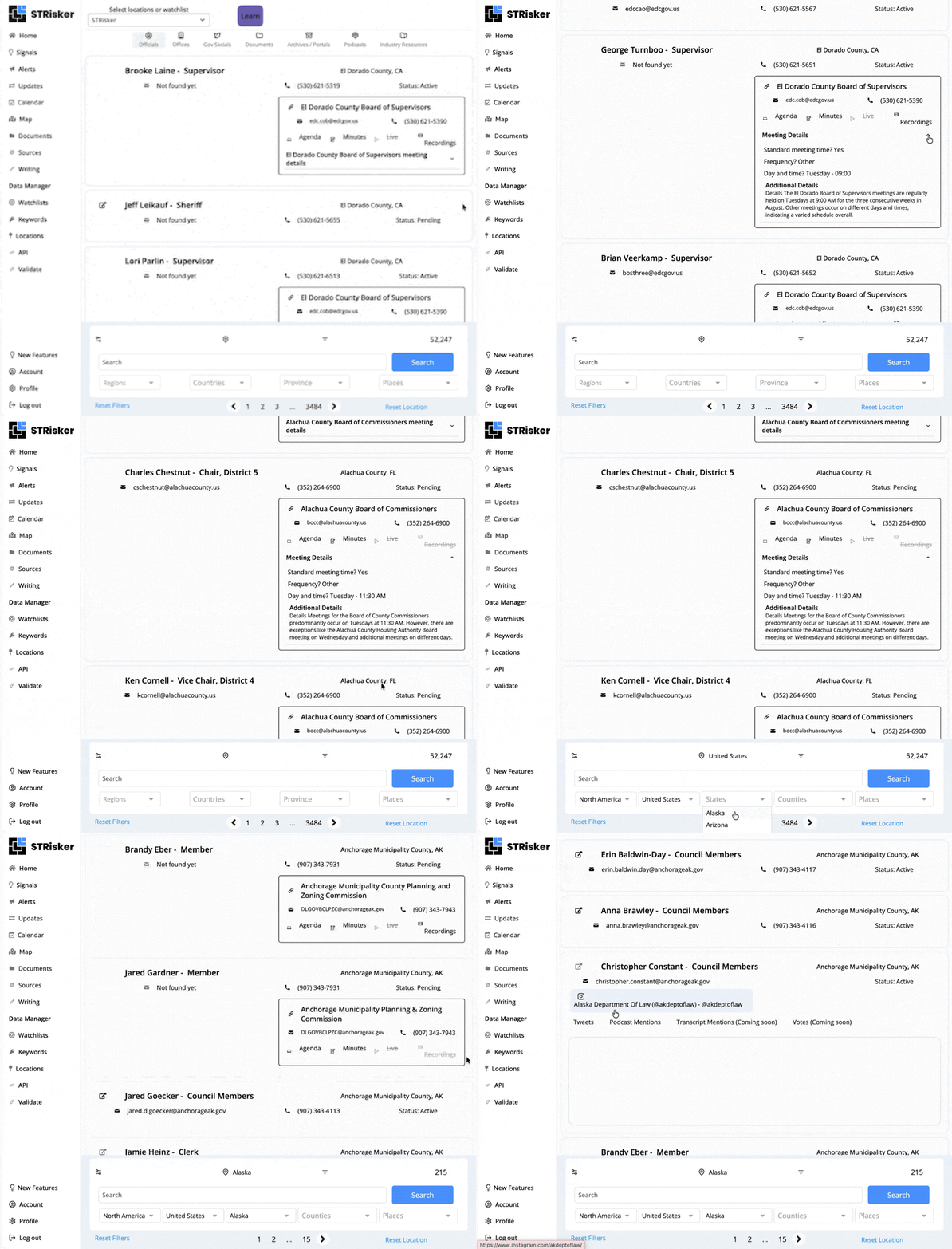
Strisker Government Officials Dashboard
Trying to keep up with the main players in the STR and Data Center game? Know your council members, commissioners, committee chairs, and key staff that are part of the process.
Stay Updated with Strisker!
Strisker offers tools and features to keep you updated with the Short Term Rental and Data Centers movement across the world.
👍 We’d love your feedback.
Which stories hit? Which ones missed?
We're exploring a new branch of topics centered around Data Centers and want to make it even more useful for you.
✉️ Just reply directly to this email. We read and respond to every message!
-Will McClure
🙋 P.S.
Know someone else who should be reading Daily Notes? Feel free to forward this along. We’re opening a few more spots.