
Data Centers: Daily Notes | September 29, 2026
Buffalo council is set to vote on a proposed two-year data center moratorium; St. Louis officials will independently analyze financial projections for a $3 billion data center project; Saginaw unanimously approved ordinance; Cheyenne; Evanston; Fairfield County; Pulaski County. READ MORE.


At A Glance 🔽
- Buffalo, New York council is set to vote on a proposed two-year data center moratorium, which the mayor says differs significantly from the state's own one-year pause.
- St. Louis, Missouri officials will independently analyze financial projections for a $3 billion data center project and can fine the developer if it fails to hit promised tax revenue targets.
- Saginaw, Michigan unanimously approved a data center ordinance classifying facilities as special land uses, requiring detailed reports on water, noise and emergency response before development can proceed.
- Cheyenne, Wyoming City Council approved annexing and zoning a 1,259-acre property, clearing the way for SkyBox Data Centers and ViaWest Group to develop a facility there.
- Evanston, Illinois officials said a proposed small-scale data center doesn't appear to qualify as a permitted use under current zoning, creating an effective "de facto moratorium" while the city gathers more information.
- Fairfield County, South Carolina released a detailed timeline for its 12-month data center moratorium, laying out infrastructure studies and public town halls ahead of permanent zoning changes.
- Pulaski County, Arkansas the county judge vetoed newly passed data center regulations, prompting a supporter to plan an override vote.
Buffalo, New York
The Buffalo Common Council is set to vote Tuesday afternoon on a proposed two-year moratorium on data centers, a measure Mayor Sean Ryan says differs significantly from the state's own one-year pause.
 Spectrum News Staff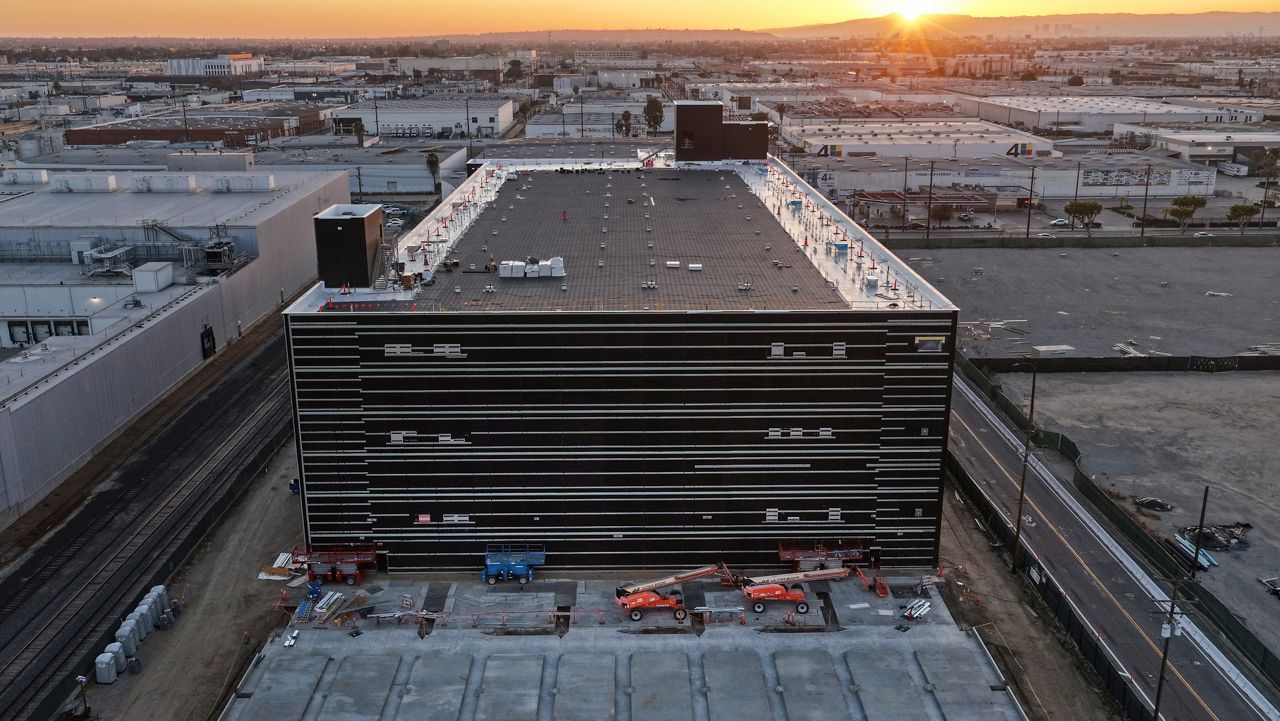
Ryan said the city had been developing a one-year moratorium through executive order before New York enacted its own statewide version, prompting Buffalo to withdraw its order as unnecessary; the council's two-year proposal now warrants separate review. Ryan said the city must be careful the moratorium doesn't inadvertently affect existing large computer storage operations at institutions like Roswell Park, M&T Bank, Kaleida and the University at Buffalo, and officials plan to check with those institutions to avoid unintended consequences.
St. Louise, Missouri
St. Louis officials will independently analyze financial projections for TerraWatt's $3 billion Midtown data center and can fine the developer if the project fails to hit its promised tax revenue, under a community benefit agreement negotiated with the city.


The 120-megawatt facility, planned for the old Famous-Barr warehouse near the historic Armory building, is projected by developer TerraWatt and its consultant Steadfast City to generate $445 million in tax revenue over 10 years. Mayor Cara Spencer's chief of staff, Casey Millburg, said the agreement sets a precedent for accountability on environmental, workforce and revenue commitments after months of negotiation. The St. Louis Development Corporation will conduct a financial analysis of the project even though it isn't seeking tax incentives, which officials said is unusual since SLDC typically reviews projects only when incentives are involved; Steadfast City CEO Cecilia Dvorak said the developer welcomes the independent assessment.
Under the agreement, the city can charge $15,000 in damages for every $100,000 shortfall in annual tax revenue, and TerraWatt must pay the city $15.7 million total, with nearly $9 million due by spring 2027. The developer also committed to phased-in job targets starting at 25 employees and growing to at least 100, with $2,000 penalties for each position below target, and the city retains authority to revoke permits over uncorrected noncompliance on jobs, noise, utility or renewable energy requirements. Construction is expected to begin next August, though TerraWatt CEO David Daneshforooz has since sued the city, arguing its requirements exceed its authority, and separate opponents have also filed suit to block the project.
Saginaw, Michigan
Saginaw City Council unanimously approved a data center ordinance Monday, capping months of work that began in January with a directive to draft a policy and an accompanying moratorium on data center development running through the end of 2026. The new rules take effect Oct. 9.
The 10-page ordinance classifies data centers as "special land uses" in light industrial and general industrial districts, requiring review by the city's zoning administrator and approval from the Planning Commission. Developers must submit reports covering water use, wastewater discharge, energy demand, noise, tree preservation, heat mitigation, emergency response and decommissioning, along with estimates of yearly, monthly, daily and peak water demand and payment for any needed increase in public water or wastewater capacity. Facilities and related equipment must generally sit at least 500 feet from residential districts and homes, and noise cannot exceed 55 decibels at the property line of the nearest residential zone.
Cheyenne, Wyoming
Cheyenne City Council voted 8-2 Sept. 28 to approve annexing and zoning the 1,259.91-acre Cox Ranch property, clearing the way for SkyBox Data Centers and ViaWest Group to develop a data center there.
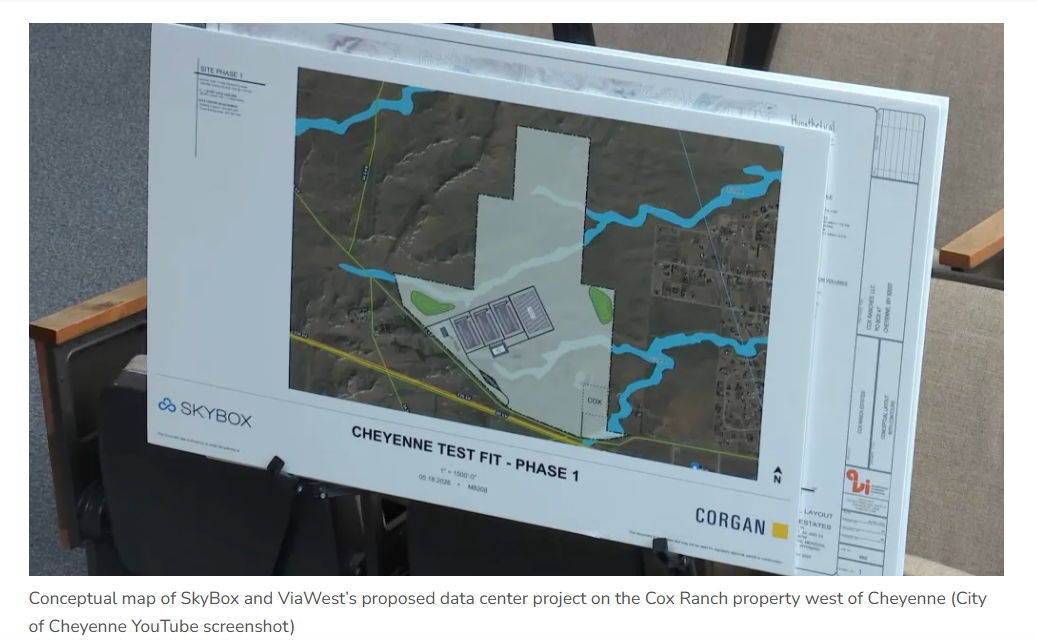
The three ordinances, first introduced April 13, were paused from a planned May 4 final vote until early September so developers could address neighbor concerns about unused portions of the land and the previous owners' concerns over a family mausoleum on the property. Rolling Hills resident Rick Keslar, who said he's lived near the ranch for over 50 years, argued his neighborhood would bear the noise, light and traffic impacts without any ability to vote in Cheyenne elections, since Rolling Hills sits outside city limits.
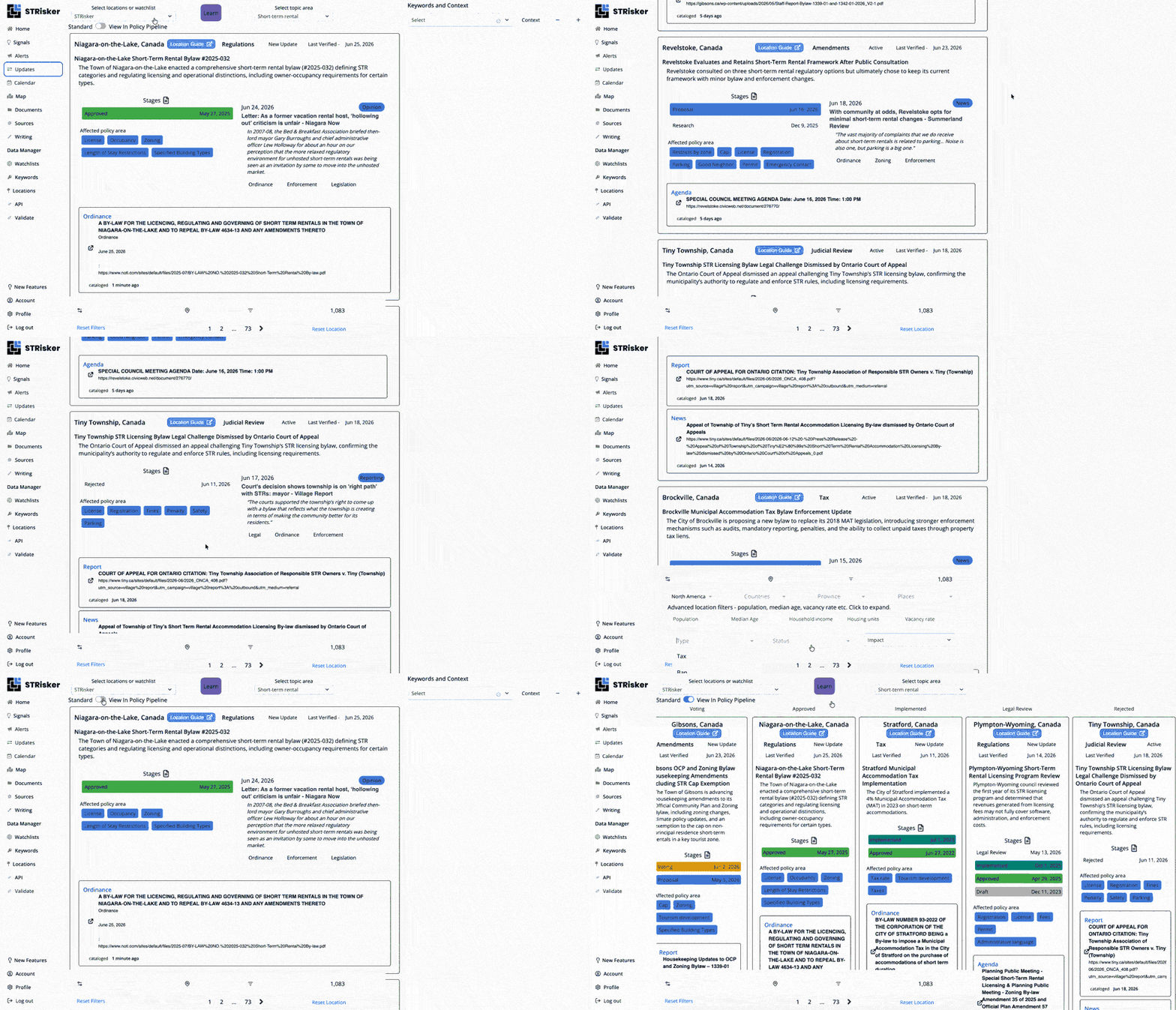
Strisker Updates Tracker
How do you keep up with the regulatory rollercoaster in your market? Strisker's Updates Tracker can be your guide - start tracking latest events as they happen and get access to essential documents as they come in. We know the struggle, which is why we built this product to capture every twist and turn in the regulatory saga so you never miss a beat.
Evanston, Illinois
Evanston City Manager Luke Stowe told City Council Monday that a proposed small-scale data center at 1265 Hartrey Ave. in the 2nd Ward "does not appear to qualify as a permitted use" under the city's current zoning code, creating what he called an effective "de facto moratorium" on data centers while the city awaits more information.
 Matthew Eadie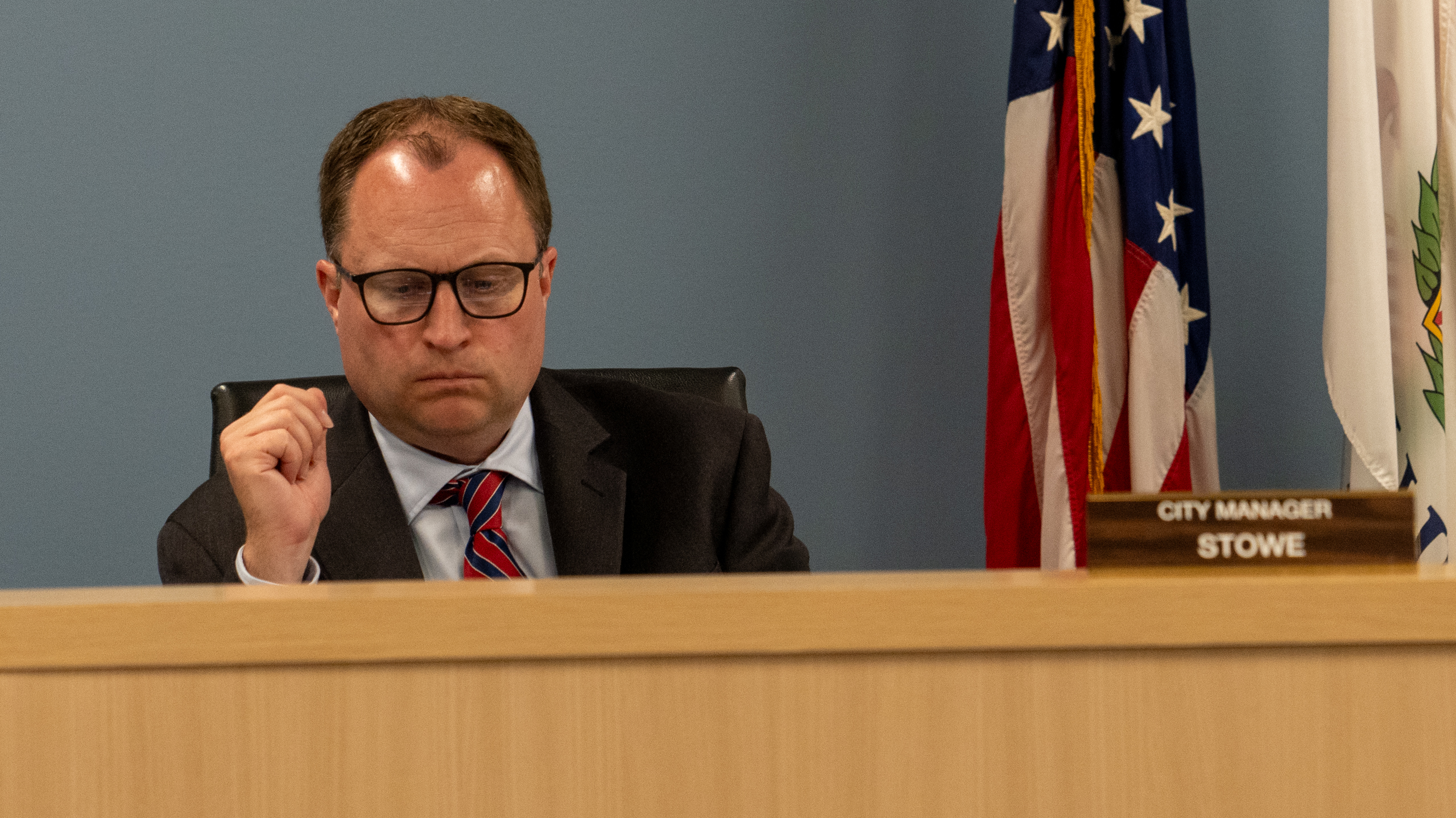
Stowe said establishing the use would likely require a text amendment to city code, and offered to help guide the council toward a formal moratorium if that's the direction council members wish to take. The Environment Board had already called for a moratorium after news of the proposal broke last week, and board representative Paula Scholl told council the board wants any data center zoning proposals referred to the Utilities Commission for energy and water review and to the Environment Board for environmental impact evaluation. Ald. Krissie Harris, who represents the 2nd Ward, said she's received numerous emails on the issue and is taking them into consideration, though council took no formal action Monday.
Fairfield County, South Carolina
Fairfield County officials released a detailed timeline for the 12-month data center moratorium the county council approved Sept. 14, laying out a schedule of infrastructure study and public input ahead of permanent zoning changes.
 Alex Kesler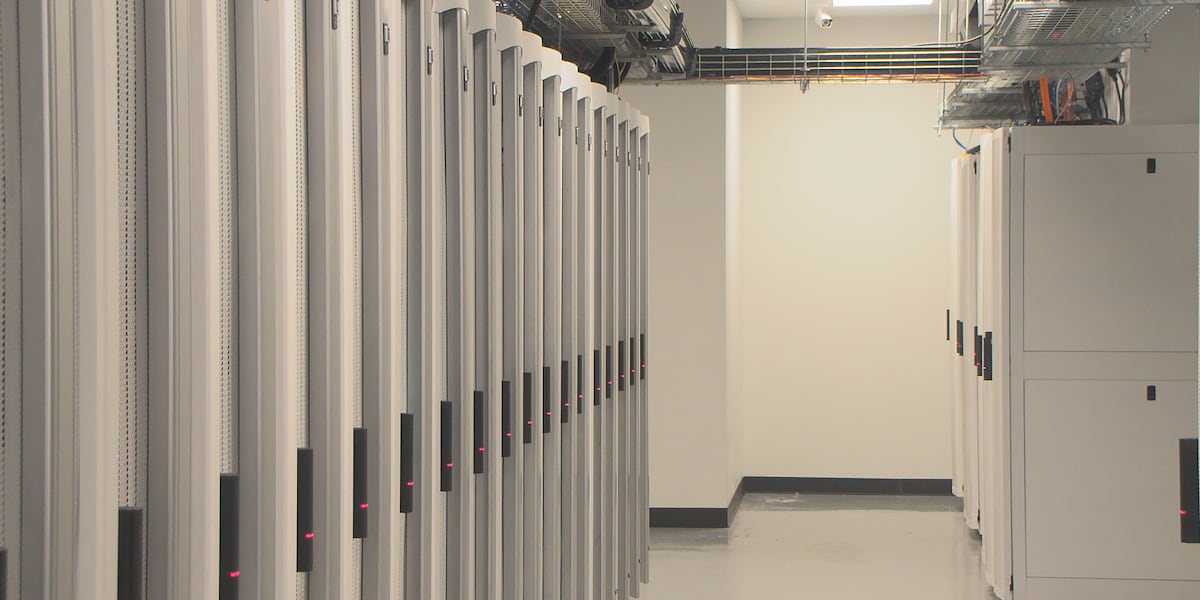
The moratorium's three main goals are assessing how data centers affect local power, water and road infrastructure, updating the county's Land Management Ordinance, and gathering resident feedback. County leaders scheduled three public town halls, Oct. 22 in Jenkinsville, Jan. 7 in Ridgeway and Jan. 21 in Winnsboro, to inform proposed regulations ahead of a Planning Commission public hearing set for March 25.
Following that hearing, revised zoning rules will go to Fairfield County Council for a series of votes expected to wrap up by June. County officials said the 12-month pause gives residents their main window to weigh in and help shape permanent land-use rules before data center applications can resume.
Pulaski County, Arkansas
Pulaski County Judge Barry Hyde vetoed new data center regulations Friday that the Quorum Court had passed 11-4 earlier this month, and Justice of the Peace Julie Blackwood said she plans to seek an override vote.
Hyde, a Democrat whom the ordinance's author Wendell Griffen defeated in this year's primary for county judge, wrote that he doesn't believe the ordinance can be lawfully and effectively administered without exposing the county to legal and financial risk, after reviewing applicable statutes, case law and attorney general guidance. The regulations would require prospective data center projects to submit electrical load analyses, water and wastewater plans, land-use suitability studies and decommissioning plans, and to show the development wouldn't materially impair utilities and infrastructure serving surrounding properties, though the rules don't cap how much water or power a project can use.
📱 Social Buzz
A city commission moved forward with a proposal to pause the construction and enlargement of data centers in the city of Milwaukee for a year, or until the city’s code is changed, after hearing lengthy public comment on the legislation Monday. https://t.co/3lEAWqUUuC
— FOX6 News (@fox6now) September 29, 2026
What did the February letter from city say about data center zoning? https://t.co/1M6wPiCWiB
— Chillicothe Gazette (@ChilliGaz) September 29, 2026
Davidson County commissioners moved a step closer to a temporary data center moratorium Monday night after a heated debate. A public hearing on the proposed four-month pause is now set for Oct. 26. #DavidsonCounty #DataCentershttps://t.co/OSUouSLTlr
— Jill Doss-Raines (@DossRaines) September 29, 2026
Maricopa County Data Center Project Moves Toward Approval Despite Pushback https://t.co/hZjmIT0PiL
— Bisnow (@Bisnow) September 29, 2026
Crusoe revealed as the force behind Google's AI data center campus in Armstrong County, Texas. #AI #DataCenterhttps://t.co/Zp8vil4Ork
— US Data Center Project Tracker (@USDCprojects) September 29, 2026
Stay Updated with Strisker!
Strisker offers tools and features to keep you updated with the Short Term Rental and Data Centers movement across the world.
👍 We’d love your feedback.
Which stories hit? Which ones missed?
We're exploring a new branch of topics centered around Data Centers and want to make it even more useful for you.
✉️ Just reply directly to this email. We read and respond to every message!
-Will McClure
🙋 P.S.
Know someone else who should be reading Daily Notes? Feel free to forward this along. We’re opening a few more spots.