
🎯 Strisker: Bulletin - Salt Lake City, UT
Applications closed until August 8 as Council orders review of 200-night cap and two-night minimum



Salt Lake City Halts Short-Term Rental Licensing Weeks After Rules Take Effect
Applications closed until August 8 as Council orders review of 200-night cap and two-night minimum
Photo by Brent Pace on Unsplash
Salt Lake City is no longer accepting new short-term rental license applications less than three weeks after its first licensing regime took effect. The City Council has directed staff to study amendments to rules that residents and operators criticized in public comment on July 14.
The ordinance remains in force in the meantime while city officials estimate roughly 1,600 units are operating, only a small number of which had received licenses as of that meeting.
What the ordinance requires
A follow-up on questions around the recent Short-Term Rental Business License code adjustments intended to bolster housing and address resident complaints. The Council confirmed the most recently adopted provisions, but may consider some changes to the nightly rental regulations in the coming months.
- Salt Lake City, July 14, 2026 Meeting Recap
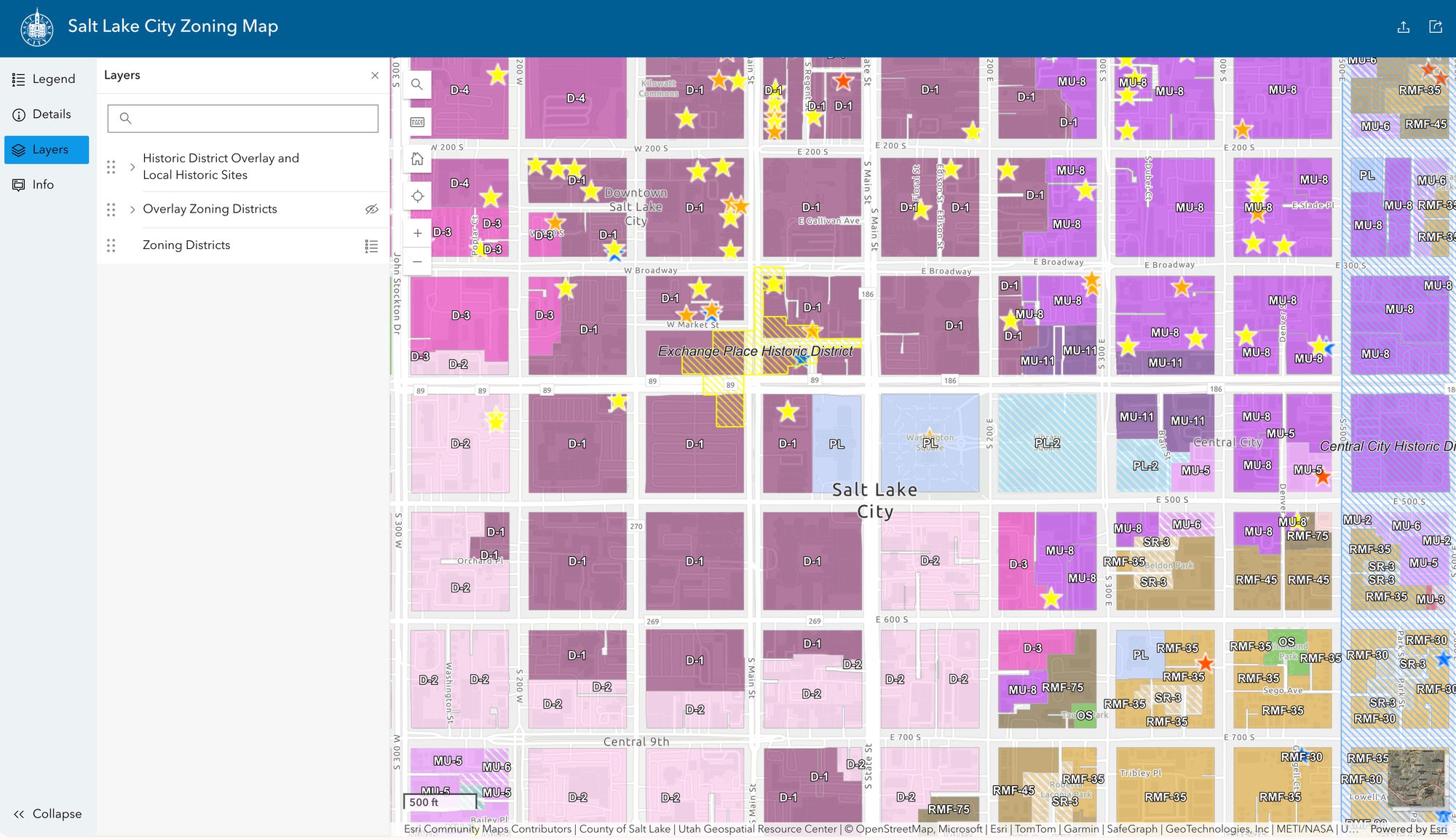
The framework took effect July 1, 2026 and adopted inside the fiscal year 2026-27 budget. Every dwelling rented for fewer than 30 days now needs a business license, short-term rentals remain confined to mixed-use, downtown, gateway and select commercial districts rather than residential zones, while accessory dwelling units are excluded.
Each licensed unit is capped at 200 rental nights per calendar year and guests must book a minimum of two consecutive nights. Operators must name a local contact who responds to nuisance complaints within two hours, post the license number on every listing and retain records proving compliance.
Local reporting adds an off-street parking requirement and a council-added carbon monoxide detection mandate, though neither of which appears on the city's licensing page.
Who is affected
The rules cut hardest against portfolio operators as a licensee may hold only one short-term rental business license anywhere in the city while the licenses are nontransferable and only tied to the property owner.
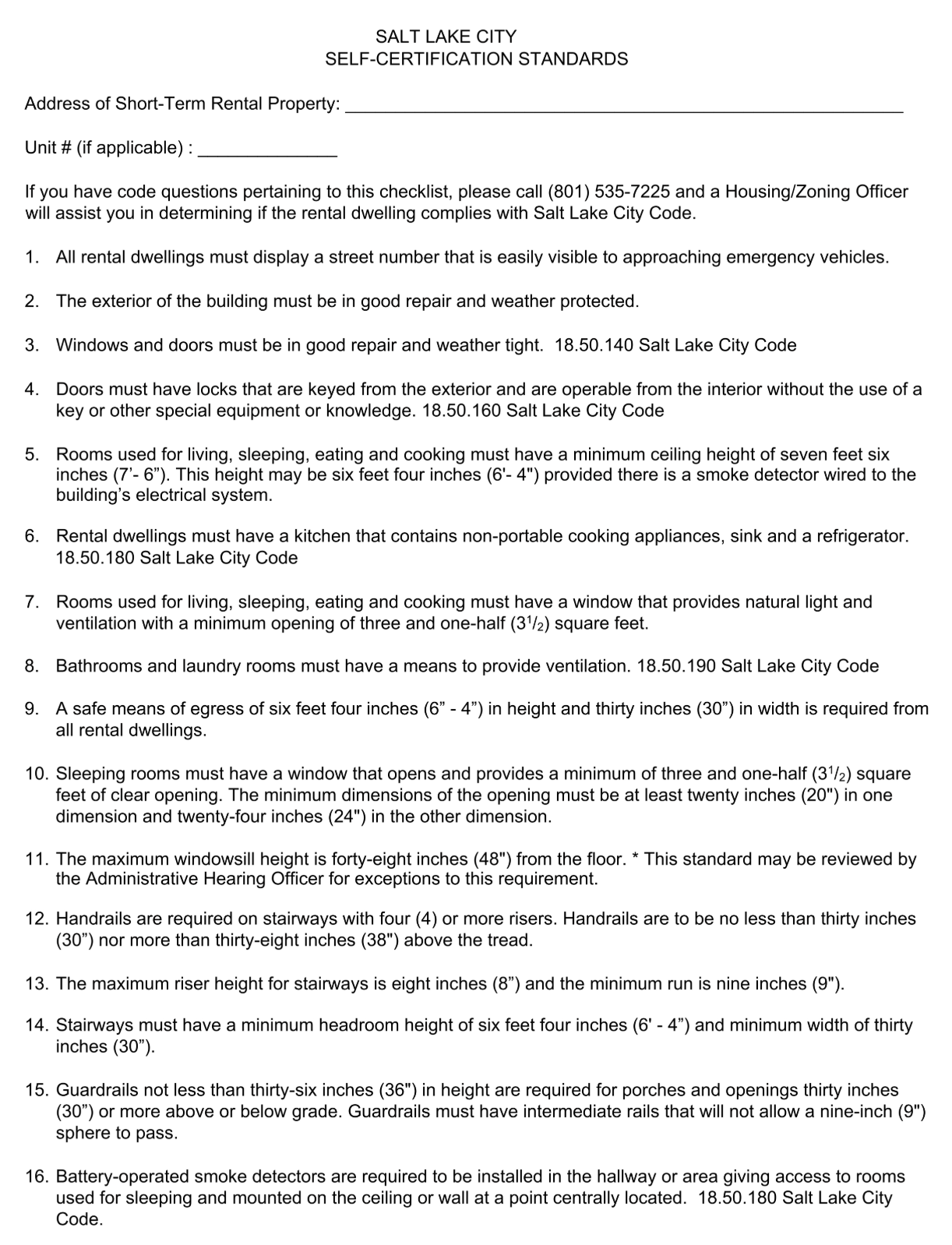
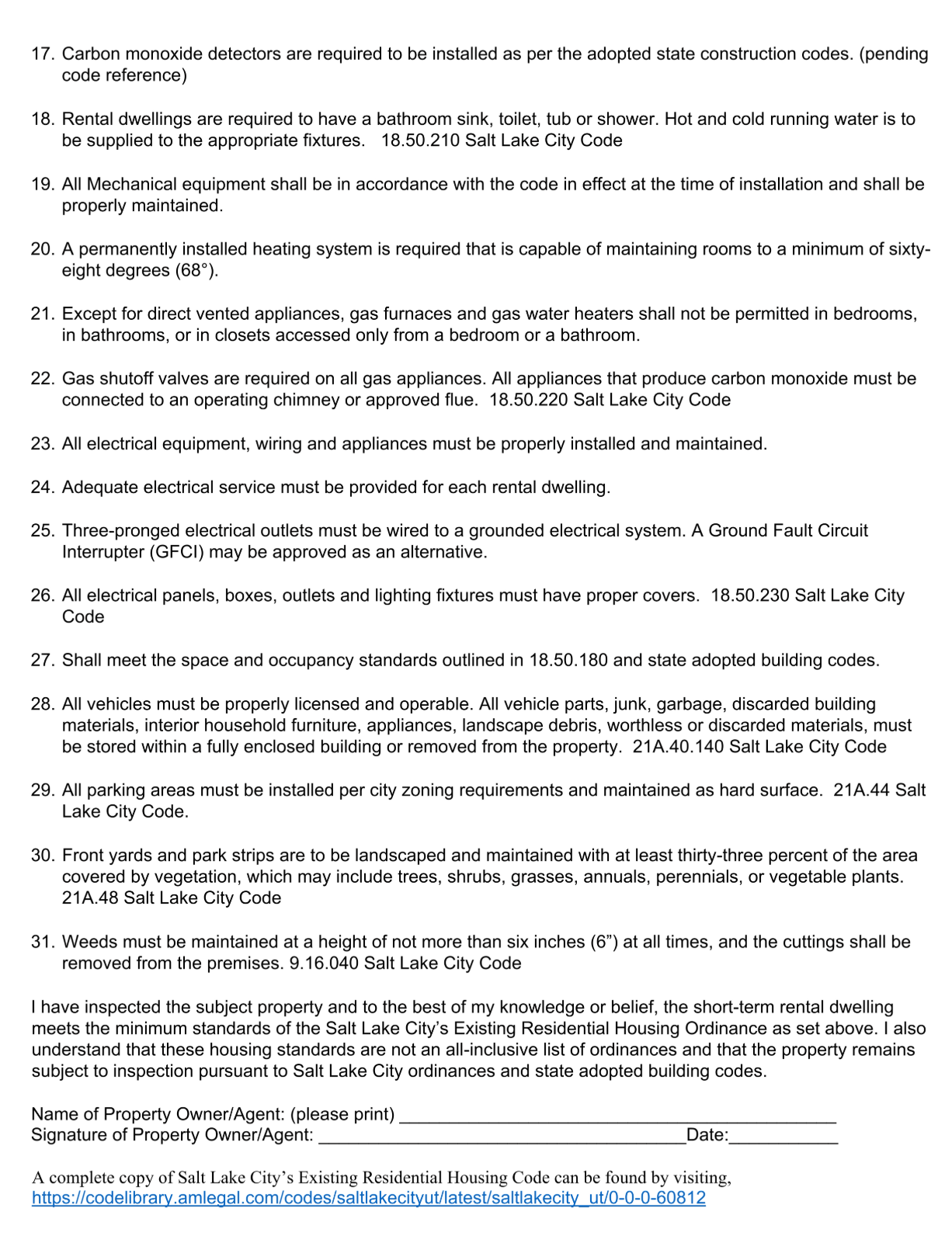
Short-Term Rental Self-Certification Form: Official form requiring applicants to certify that their short-term rental complies with Salt Lake City's licensing, zoning, safety, and operational requirements before obtaining a business license. | Get the form here: https://slcgov.my.salesforce.com/
Treatment of eleven-unit buildings is still unclear with the city stating that owners of buildings containing more than eleven dwelling units may license up to 10% of them while news coverage of the adopted ordinance describing a single-license limit for buildings of ten units or fewer.
Allocation in larger buildings is first come, first served while condominium applicants need homeowners association approval. Compliance duties fall on hosts rather than on platforms such as Airbnb and Vrbo.
Enforcement and licensing status
Violations can trigger license suspension or revocation and it weekly fines of up to $1,000 for operating out of compliance has also been reported. The city's licensing page currently states that applications are not being processed and directs applicants to check back after August 8, 2026.
SLC's Short-Term Rentals Page
At a July 14 work session, council members questioned how the 200-night ceiling could realistically be policed and asked staff to produce the research behind the two-night floor. Staff could not supply it and agreed to return with comparisons from other Utah cities.
Check on Instagram: https://www.instagram.com/p/DZ5PXYpiKif/
Contested elements
Council members floated grandfathering existing operators and revisiting the 10% multifamily cap particularly for condominium buildings under fragmented ownership. State law constrains enforcement further and requires corroborating evidence beyond a website listing before a city can act on an alleged violation.
⦾ Effective date: July 1, 2026; new applications suspended until after August 8, 2026
⦾ Registration required: Yes, a business license per unit, one license per licensee citywide
⦾ Night cap: 200 rental nights per calendar year, two-night consecutive minimum stay
⦾ Zoning: Mixed-use, downtown, gateway and select commercial districts only; ADUs prohibited
⦾ Multifamily limit: Up to 10% of units in buildings above the city's stated eleven-unit threshold; smaller buildings reported as single-license
⦾ Penalty for non-compliance: License suspension or revocation; weekly fines up to $1,000 (to be confirmed against codified text)
⦾ Platform responsibility: No platform verification mandate identified; host posts license number on listings
In case you missed it:
 Jasmine Ruth Albatana
 Jasmine Ruth Albatana
 Jasmine Ruth Albatana
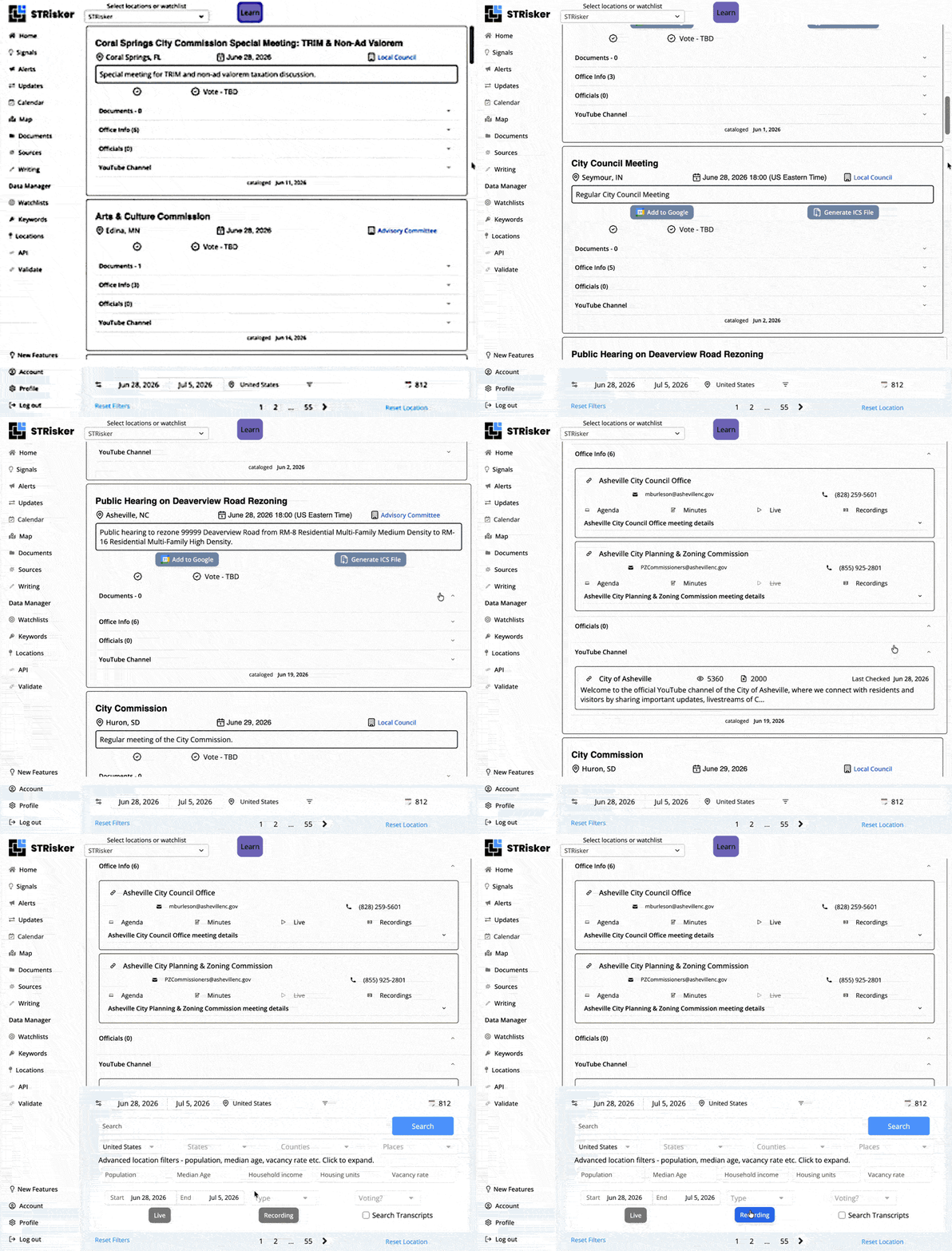
Strisker Calendar Tracker
Staying ahead of STR and data center regulations isn’t just about deadlines—it’s about knowing what’s coming. Our Calendar Tracker keeps you informed on upcoming meetings, key votes, and policy changes, so you never miss a critical update.
Stay Updated with STRisker!
STRisker offers tools and features to keep you updated with the Short Term Rental movement (and now Data Centers!) movement across the world.
👍 We’d love your feedback.
We're always looking for ways to improve Bulletins.
Was this one useful to you? Other topics you'd like to see get covered?
✉️ Just reply directly to this email. We read and respond to every message!
-Will McClure
🙋 P.S.
Know someone else who should be reading this Bulletin? Feel free to forward this along. We want to make sure operators and stakeholders are aware of regulatory changes in their area.