
🎯 STRisker: Bulletin - Jersey
A revised Tourism Order removes the physical standards that long boxed STR operators and alternative accommodation providers out of Jersey's formal registration framework



Jersey Scraps Decades-Old Hospitality Rules in a Win for Short-Term Rental Operators
Photo by Henry Barnes on Unsplash
"With this amendment to the Tourism Order we are cutting unnecessary red tape so that Jersey's accommodation providers can modernise, reinvest, and strengthen the visitor experience for tourists. These changes should enable businesses to innovate, become more profitable, and contribute to a competitive visitor economy."
— Minister for Sustainable Economic Development, Deputy Kirsten Morel
The Government of Jersey brought a revised Tourism Order into force on 23 April 2026, dismantling physical standards that had governed every category of registered accommodation on the island since 1990. For short-term rental operators, self-catering hosts, and glamping providers already listing on Airbnb, the changes are the most significant regulatory shift the island's accommodation sector has seen in decades, lowering the compliance bar for STR formats the old rules never anticipated.
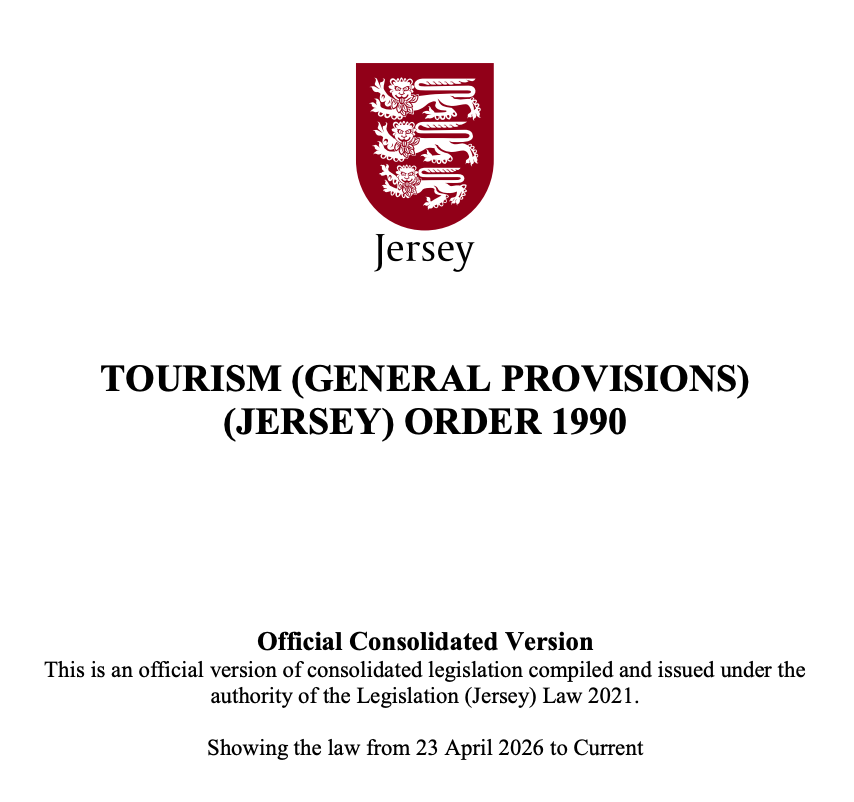

Until now, the 1990 framework built on the Tourism (Jersey) Law 1948 imposed structural standards that made registration needlessly burdensome for anything outside a conventional hotel or tent-based campsite. Hotels needed at least 16 bedrooms, a dining room, a lounge, and chambermaid pantries, meals had to be offered at fixed times and net curtains were mandatory; now all of that is gone. Hotels must still satisfy construction and habitability requirements but the minimum bedroom count, prescribed food service infrastructure, and interior mandates have been stripped out.
Self-catering operators and boutique STR hosts that once fell short of registration thresholds now have a more straightforward route to formal standing under Jersey's tourism framework. The removal of mandatory on-site check-in and check-out is particularly relevant for those looking to graduate beyond the 12-week planning exemption and register as a guesthouse since most of these properties already run on digital access systems and remote management tools.

Meanwhile, the campsite changes carry the broadest implications for alternative accommodation operators. Restrictions on where guests may sleep have been scrapped entirely with guests now permitted to stay in cabins, campervans, huts, lodges and pods, or sleep in the open air. Previously, the registered campsite framework confined overnight stays to tents and a number of Jersey operators had already been running pod and glamping accommodation without clear regulatory standing under the 1990 rules. The amendment resolves that gap and now gives established providers a route to proper tourism registration. This gives new entrants a defined framework to build within.
These April 2026 changes are the second phase of a deliberate STR deregulation push under Jersey's Visitor Economy Strategy. The first arrived on 1 April 2024 when the Planning and Building (General Development - Short-term Holiday Lets) (Jersey) Amendment Order 2024 allowed homeowners to rent a dwelling as a short-term holiday let for up to 12 weeks per calendar year without needing planning permission. That was a significant concession in a jurisdiction where short-term letting had previously required a formal change-of-use application under the Planning and Building (Jersey) Law 2002, and it directly lowered the barrier to entry for casual and seasonal hosts listing on platforms.
Deputy Kirsten Morel breaks down last year Jersey's economic vision including the regulatory reforms quietly reshaping the island's short-term rental and accommodation landscape.
The April 2026 Tourism Order amendments extend that logic to registered providers and strip the structural standards that had complicated registration for non-traditional formats. Visit Jersey data shows accommodation absorbs half of all visitor spending with tourism accounting for 3.7% of the island's GVA and 8.6% of total employment. This provides context on why loosening STR rules has become a stated strategic priority.

Visit Jersey’s 2019 economic contribution report on framing Airbnb-style platforms as a way to expand and diversify Jersey’s accommodation supply by bringing existing B&Bs, vacant homes, and other underused properties into the visitor economy.
Minister Kirsten Morel said the revisions would let providers modernize their offerings, invest more effectively, and sharpen Jersey's competitive edge as the order introduces no new STR-specific licensing, night caps, or platform obligations. Tourism registration of renewing annually each January remains mandatory across all accommodation categories while planning consent and a business licence are still prerequisites before any property permanently converts to tourist use.
⦿ Effective: 23 April 2026
⦿ Who it affects: Hotels, guesthouses, self-catering properties and campsites registered under the Tourism (Jersey) Law 1948
⦿ What's removed: Minimum bedroom counts, mandatory dining rooms and lounges, chambermaid pantries, net curtains, fixed meal times, and on-site check-in requirements for guesthouses
⦿ Campsites: Pods, cabins, lodges, campervans and open-air sleeping now permitted; tents-only rule gone
⦿ STR planning note: Since March 2024, homeowners can rent short-term for up to 90 days per year without planning permission
⦿ Still required: Annual tourism registration, planning approval and a business licence before operating
⦿ No new STR rules: No licensing regime, night cap or platform obligations introduced
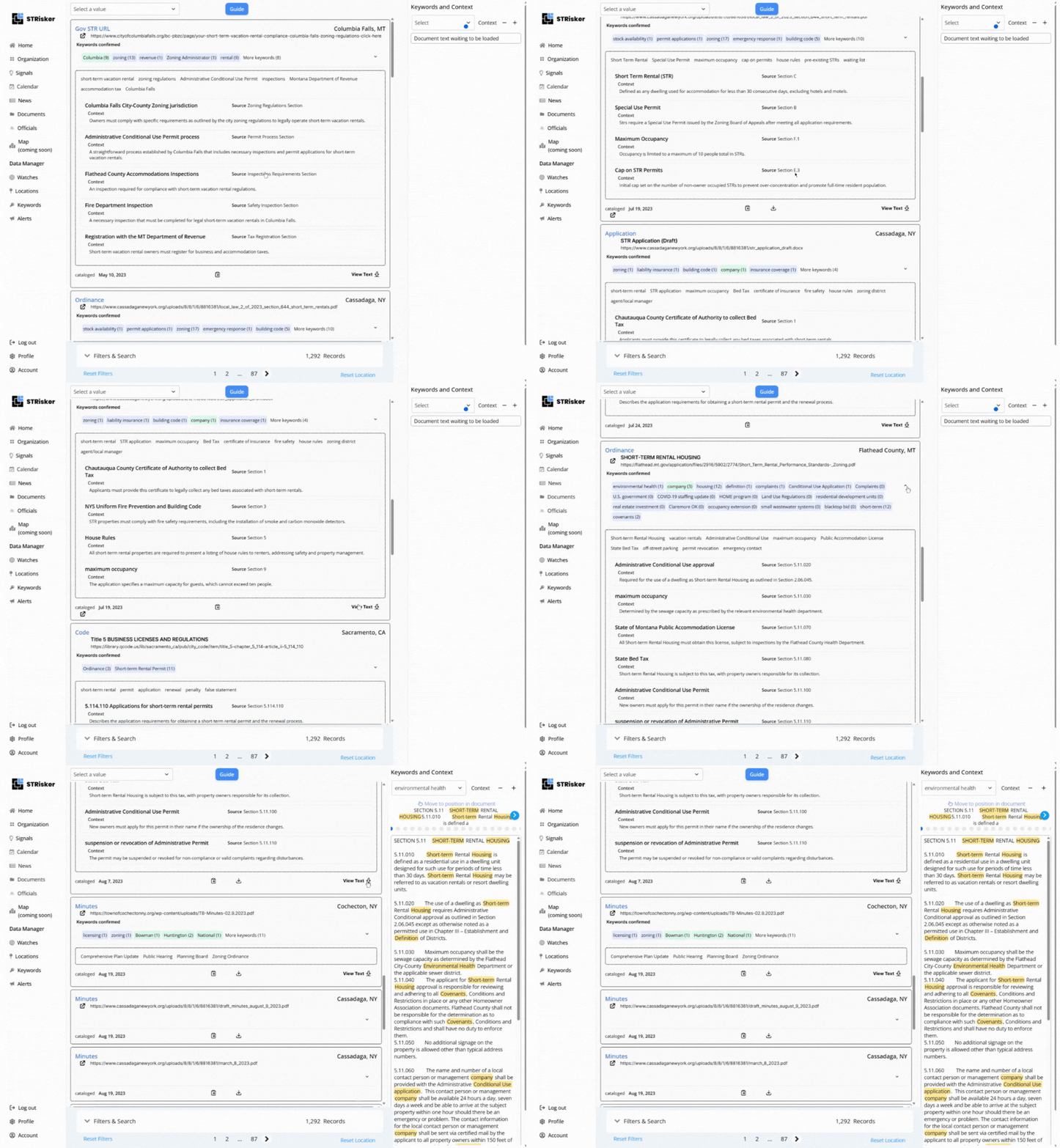
STRisker Document Analysis
Finding the right compliance documents shouldn’t feel like searching for a needle in a haystack - STRisker’s Documents Analysis is built to simplify your life, offering instant access to hundreds of thousands of documents from thousands of cities across the US.
Stay Updated with STRisker!
STRisker offers tools and features to keep you updated with the Short Term Rental movement (and now Data Centers!) movement across the world.
👍 We’d love your feedback.
We're always looking for ways to improve Bulletins.
Was this one useful to you? Other topics you'd like to see get covered?
✉️ Just reply directly to this email. We read and respond to every message!
-Will McClure
🙋 P.S.
Know someone else who should be reading this Bulletin? Feel free to forward this along. We want to make sure operators and stakeholders are aware of regulatory changes in their area.