
🎯 STRisker: Bulletin - Sydney, Australia
A Greens-led motion triggers a formal investigation into vacancy-linked prohibitions across inner-city suburbs, putting pressure on NSW's state-level 180-day cap.




Sydney Council Probes to Ban Non-Hosted STRs in Suburbs Where Vacancy Falls Below 3%
Photo by Dan Freeman on Unsplash
City of Sydney Investigates Banning Short-Term Rentals
The City of Sydney Council voted on Tuesday to direct city staff to investigate potential bans on short-term rental accommodation in suburbs where rental vacancy rates fall below three percent. This is a move that stops short of an outright prohibition but sets the stage for what could become one of the most geographically targeted STR restrictions in Australian history.
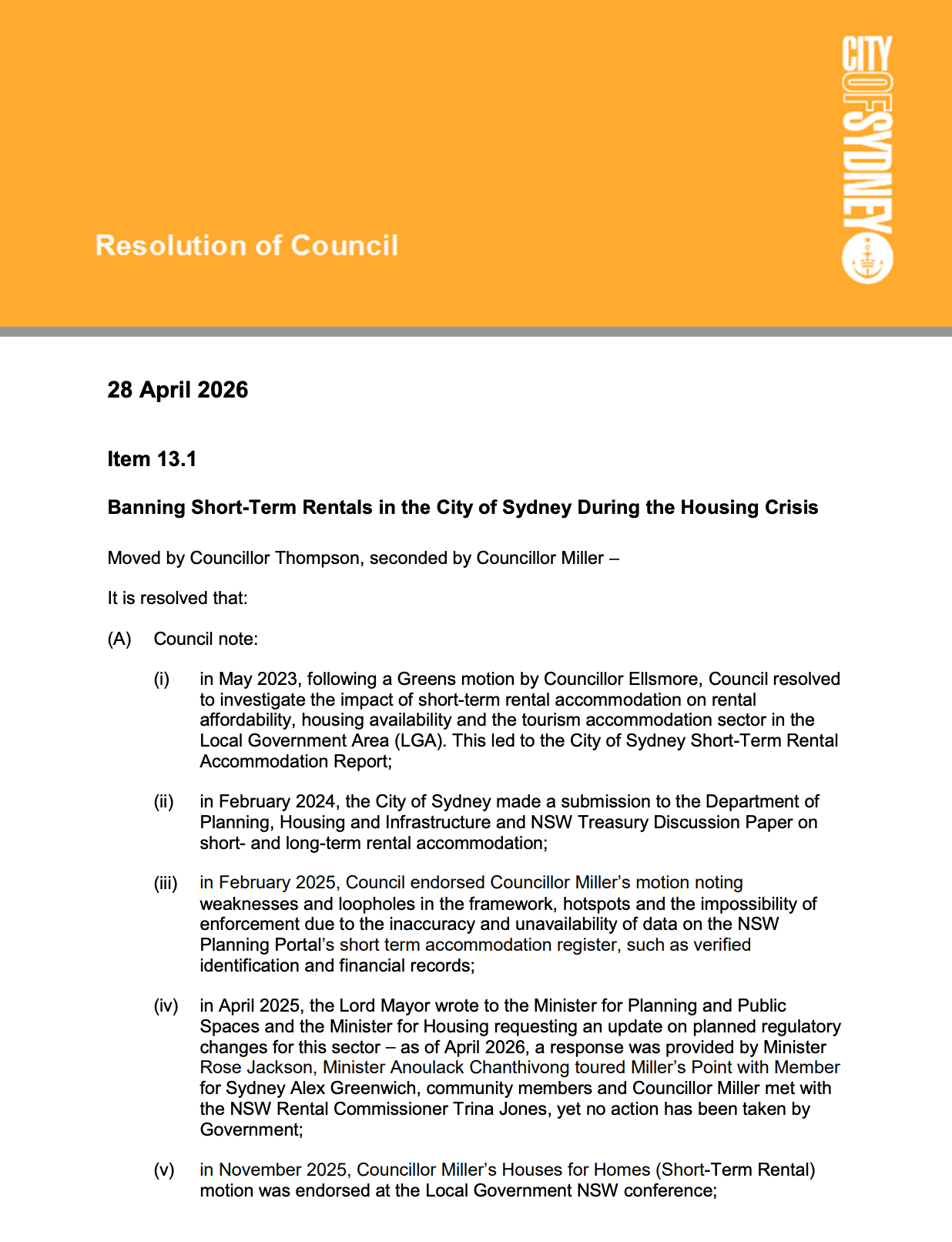
The said Greens-led motion does not impose any immediate restrictions on short-term rental operators. Rather, it opens a formal review with council staff directed to examine what form restrictions could take and report back with recommended next steps. If this leads to action, it would also constitute a direct challenge to the state government's existing regulatory framework for short-term rentals across Greater Sydney.
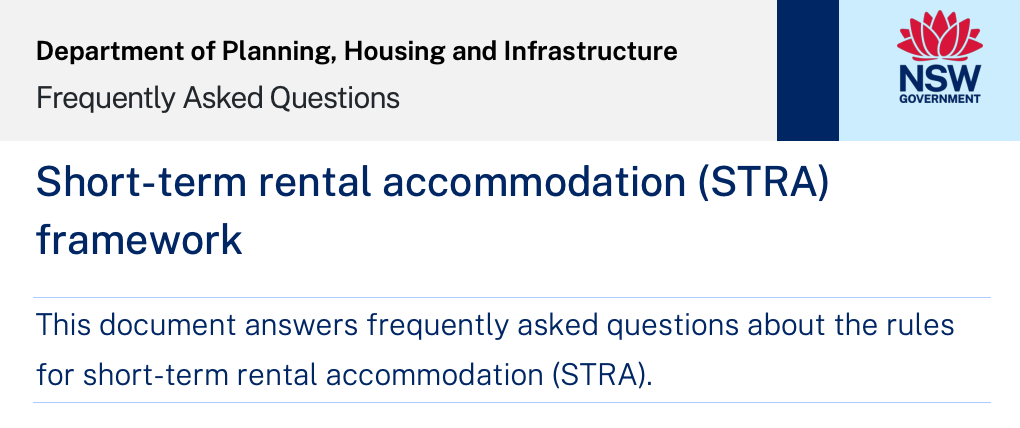
NSW’s official FAQ on short-term rental accommodation lays out the statewide STR framework now being questioned by the City of Sydney.
The document also highlights the legal and regulatory structure councils may seek to challenge as Sydney investigates tighter suburb-specific restrictions.
Greens Councillors Sylvie Ellsmore and Matthew Thompson who co-sponsored the motion have argued that NSW's 180-day annual cap on non-hosted STRA in place since November 2021 under the State Environmental Planning Policy (Housing) is not getting homes back into the long-term rental market. At the council meeting, Cr Thompson said that thousands of homes had been "ripped away as homes for people to live, turned into mini hotels" since 2021 and pointed to investors accumulating five, ten, or twenty or more properties to run as short-term lets on platforms. Cr Ellsmore who has previously pushed for the night cap to be reduced to 90 days told 702 ABC Sydney that even a tightened cap "may not work." Any ban arising from the review would apply only to properties not used as the owner's primary residence and leave hosted STRs where the owner lives on-site entirely unaffected.
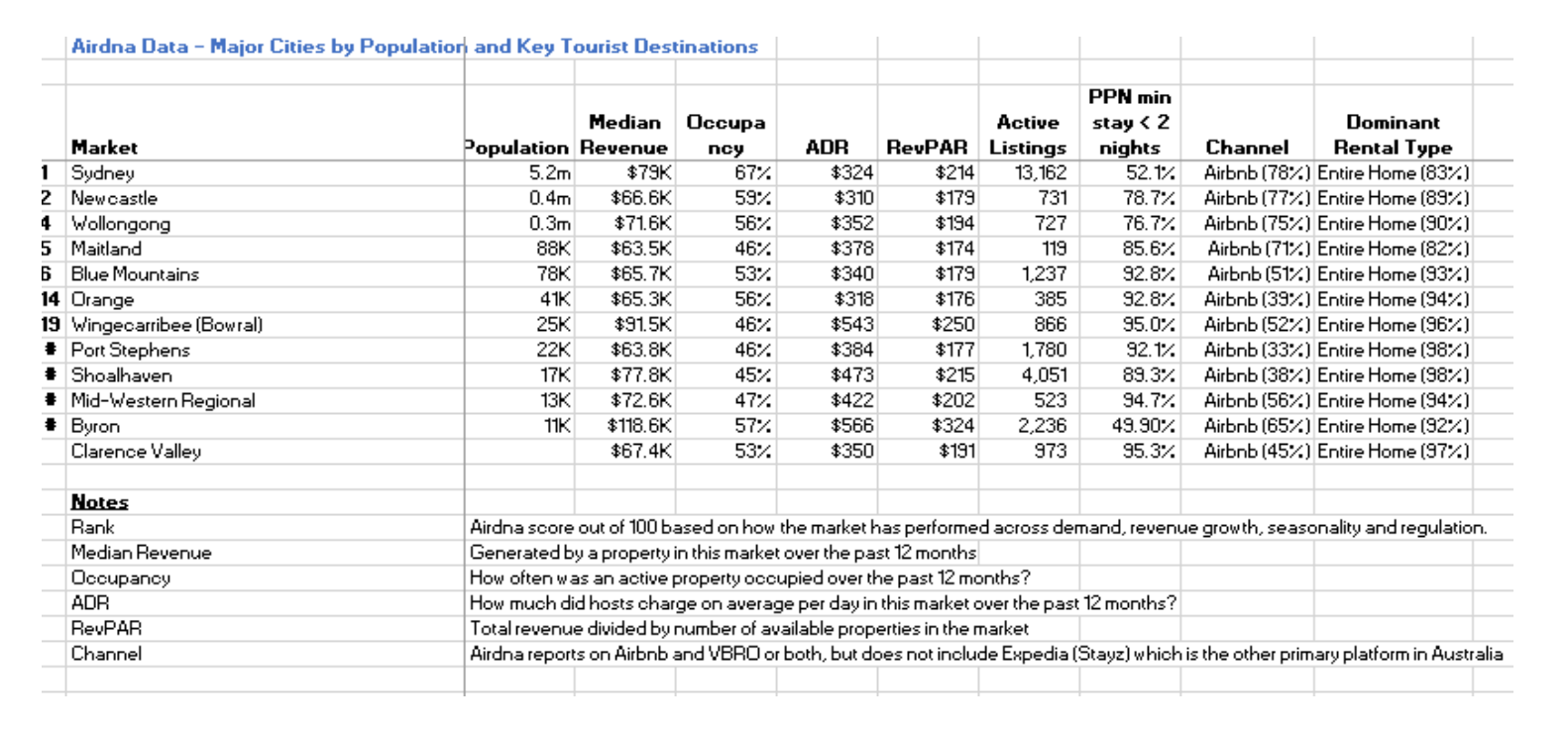
The vacancy data underpinning the motion paints a clear picture of the supply squeeze across inner Sydney:
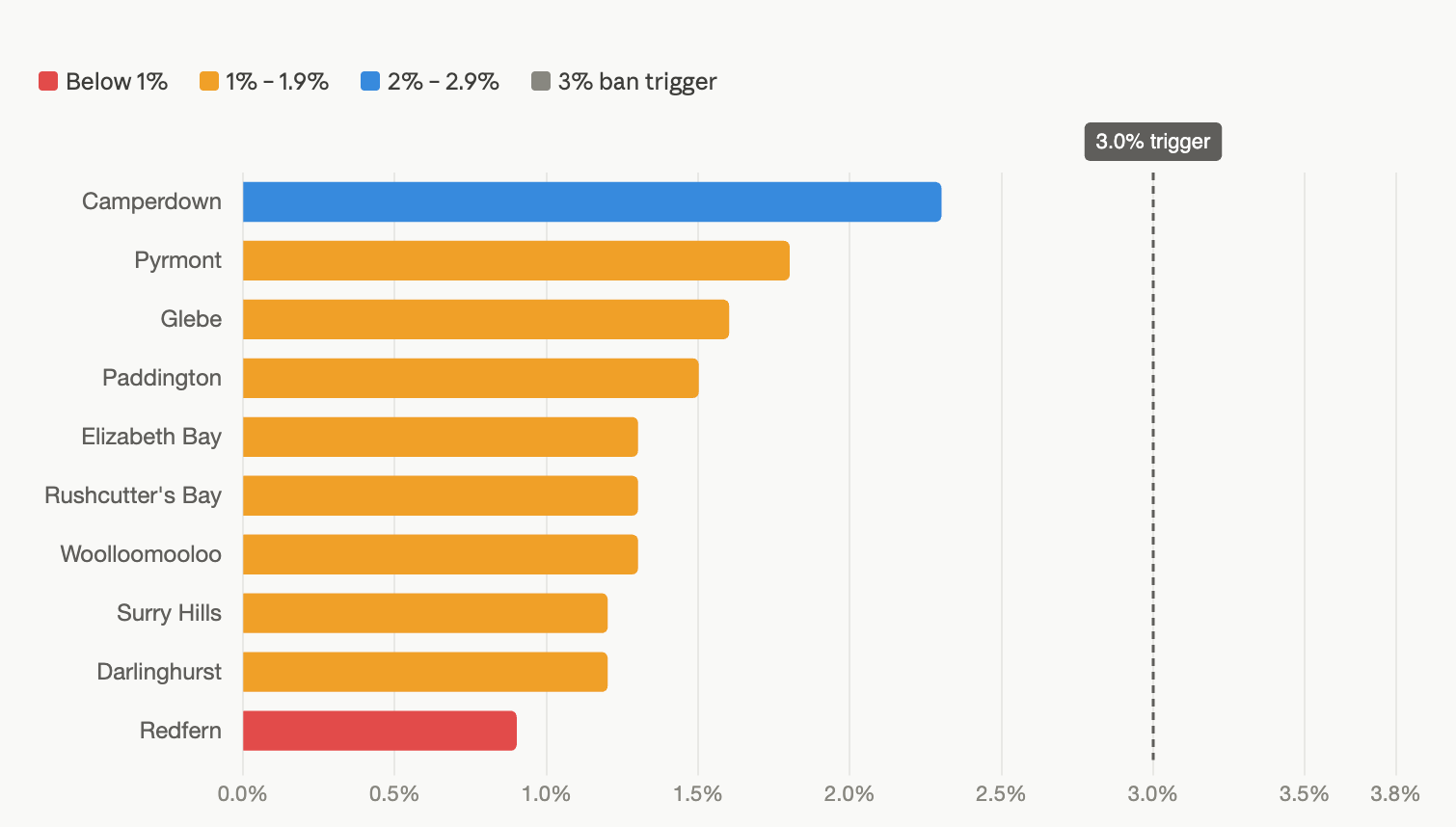
Every one of those figures sits well below the proposed 3% trigger and the city-wide picture offers little relief with SQM Research recording a Sydney-wide vacancy rate of 1.1% as of March down from 1.3% in February. Deputy Lord Mayor Jess Miller acknowledged that the council's hands are currently tied and noted there is "no clear definition within the planning system" to distinguish investor-owned STRs from primary residences. Without that distinction, suburb-level enforcement is impossible regardless of what the motion ultimately produces. Miller called on the NSW Government to follow Western Australia's lead and share verified STR data directly with local councils.
Sydney is weighing up a ban on short-term rentals offered by companies like Airbnb and Stayz amid a housing affordability crisis. pic.twitter.com/Aq9hVKp7UO
— news.com.au (@newscomauHQ) May 4, 2026
On the other hand, industry pushback arrived swiftly with Stayz Corporate Affairs Director Eacham Curry arguing that the proposed measures could jeopardise the economic value the STRA sector brings to local communities, and that fit-for-purpose regulation should be administered at state or territory level rather than by individual councils. Airbnb has separately pointed to Byron Shire's 60-day non-hosted cap as evidence that blunt restrictions have "failed to deliver" on promised housing outcomes. NSW Premier Chris Minns struck a cautious note saying the state's previous intervention in coastal towns facing acute housing shortages can be described as "extraordinary interventions", so he wanted to fully understand the tourism trade-offs before taking a position on the Sydney proposal.
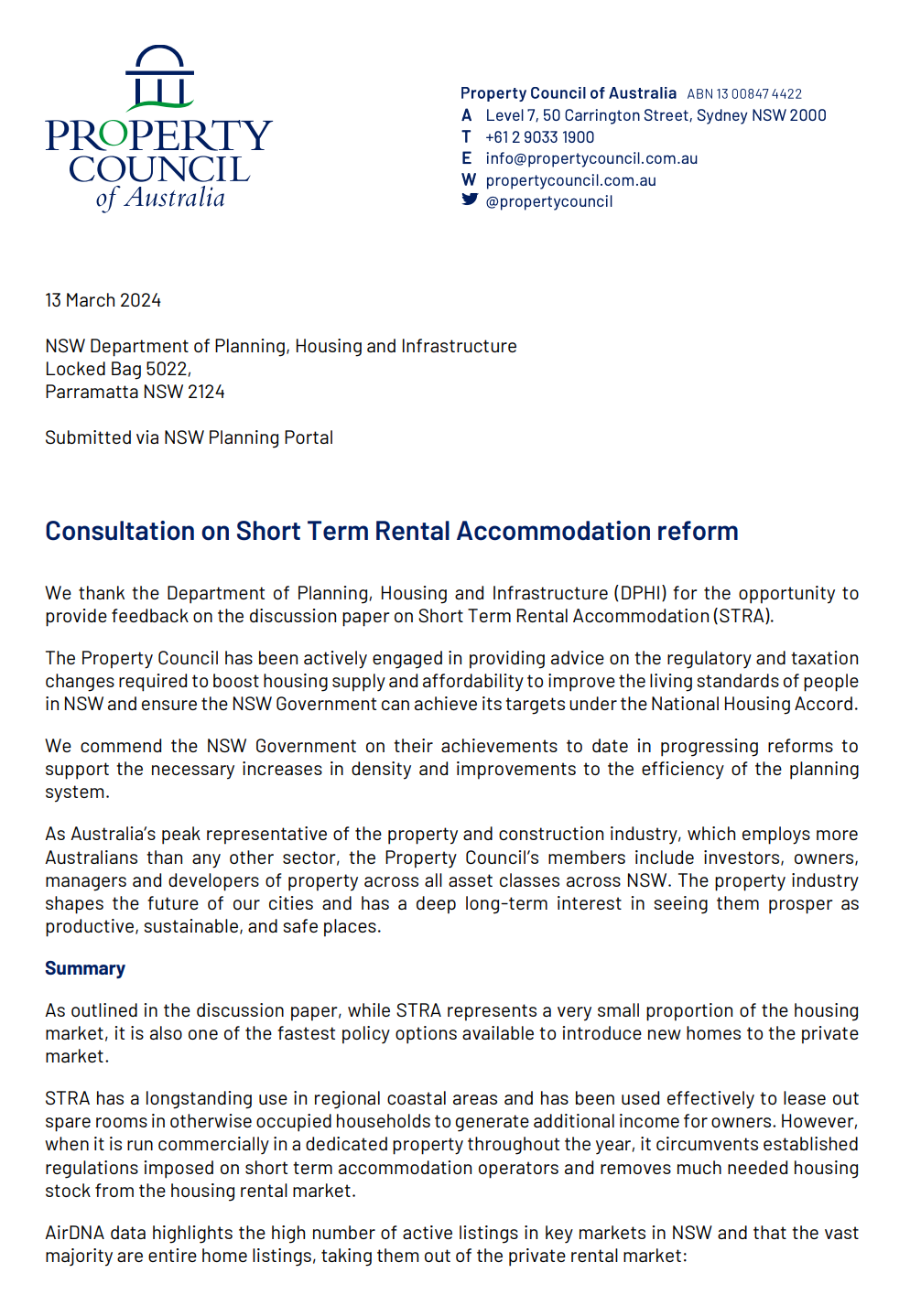
The investigation is now formally underway but no draft ordinance penalty structure or enforcement timeline has been published. What happens next will hinge on two unresolved questions: the first is whether the City of Sydney can secure the data infrastructure it needs to identify and act on investor-owned STRs at a suburb level, while the second is whether the NSW Government proves willing to devolve regulatory authority to local councils on short-term rental policy. On that front, the state has a long record of resistance and nothing in Premier Minns' public response suggests that position is anywhere close to changing.
⦾ Current rule: Non-hosted STRA in Greater Sydney capped at 180 days per year under the State Environmental Planning Policy (Housing) 2021. Registration on the NSW STRA Register is mandatory ($65 initial fee; $25 annual renewal).
⦾ Proposed change: Vacancy-triggered prohibition on non-hosted STRs in City of Sydney suburbs where rental vacancy falls below 3%.
⦾ Who is affected: Investors operating non-hosted STRs (whole home/apartment) in inner-city Sydney suburbs. Owner-occupiers and hosted STRs are explicitly excluded.
⦾ Platforms named: Airbnb, Stayz
⦾ Status: Under formal council investigation. No draft ordinance, effective date, or penalty structure confirmed.
⦾ Key data point: All named suburbs currently sit below the proposed 3% vacancy trigger.
⦾ Enforcement gap flagged: Council has acknowledged it lacks the data tools to differentiate investor-owned STRs from primary residences without state-level data sharing.
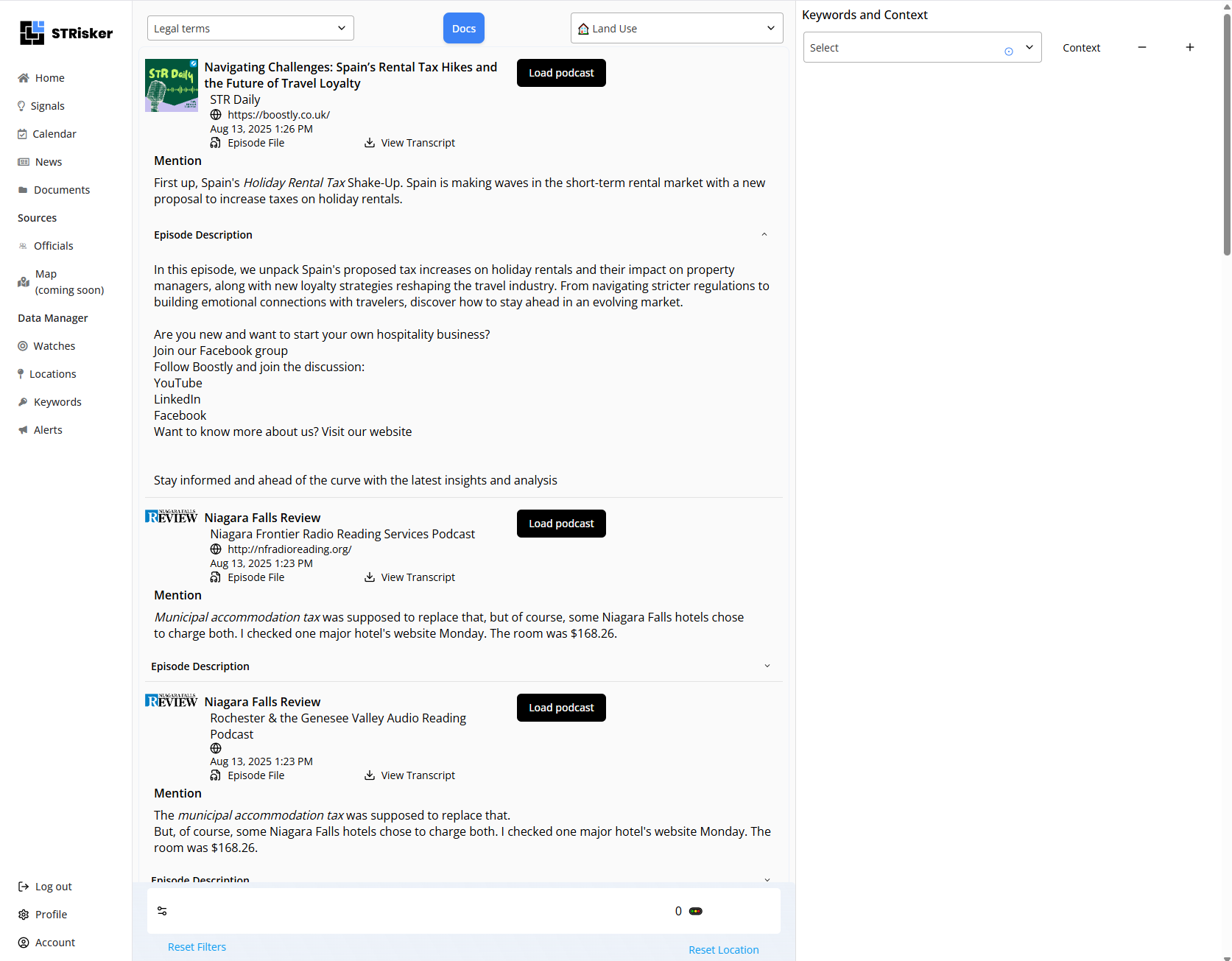
STRisker Updates Tracker
How do you keep up with the regulatory rollercoaster in your market? STRisker's Updates Tracker can be your guide - start tracking latest events as they happen and get access to essential documents as they come in. We know the struggle, which is why we built this product to capture every twist and turn in the regulatory saga so you never miss a beat.
Stay Updated with STRisker!
STRisker offers tools and features to keep you updated with the Short Term Rental movement (and now Data Centers!) movement across the world.
👍 We’d love your feedback.
We're always looking for ways to improve Bulletins.
Was this one useful to you? Other topics you'd like to see get covered?
✉️ Just reply directly to this email. We read and respond to every message!
-Will McClure
🙋 P.S.
Know someone else who should be reading this Bulletin? Feel free to forward this along. We want to make sure operators and stakeholders are aware of regulatory changes in their area.