
🎯 STRisker: Bulletin - Turks and Caicos Islands
As vacation rentals reshape the housing market, the government is overhauling registration rules, ramping up enforcement, and exploring designated STR zones across the islands.




TCI Eyes STR Zoning and Stronger Enforcement as Tourism Growth Strains Housing Supply
Photo by Meg von Haartman on Unsplash
The Turks and Caicos Islands Government is signalling a structural shift in how it regulates short-term rentals. Minister of Tourism Zhavargo Jolly announced plans to strengthen registration requirements, step up enforcement during his budget presentation to Parliament and confirmed the government is actively examining the introduction of designated STR zones. The trigger is clear: vacation rental growth is squeezing long-term housing supply, and residents are feeling it.
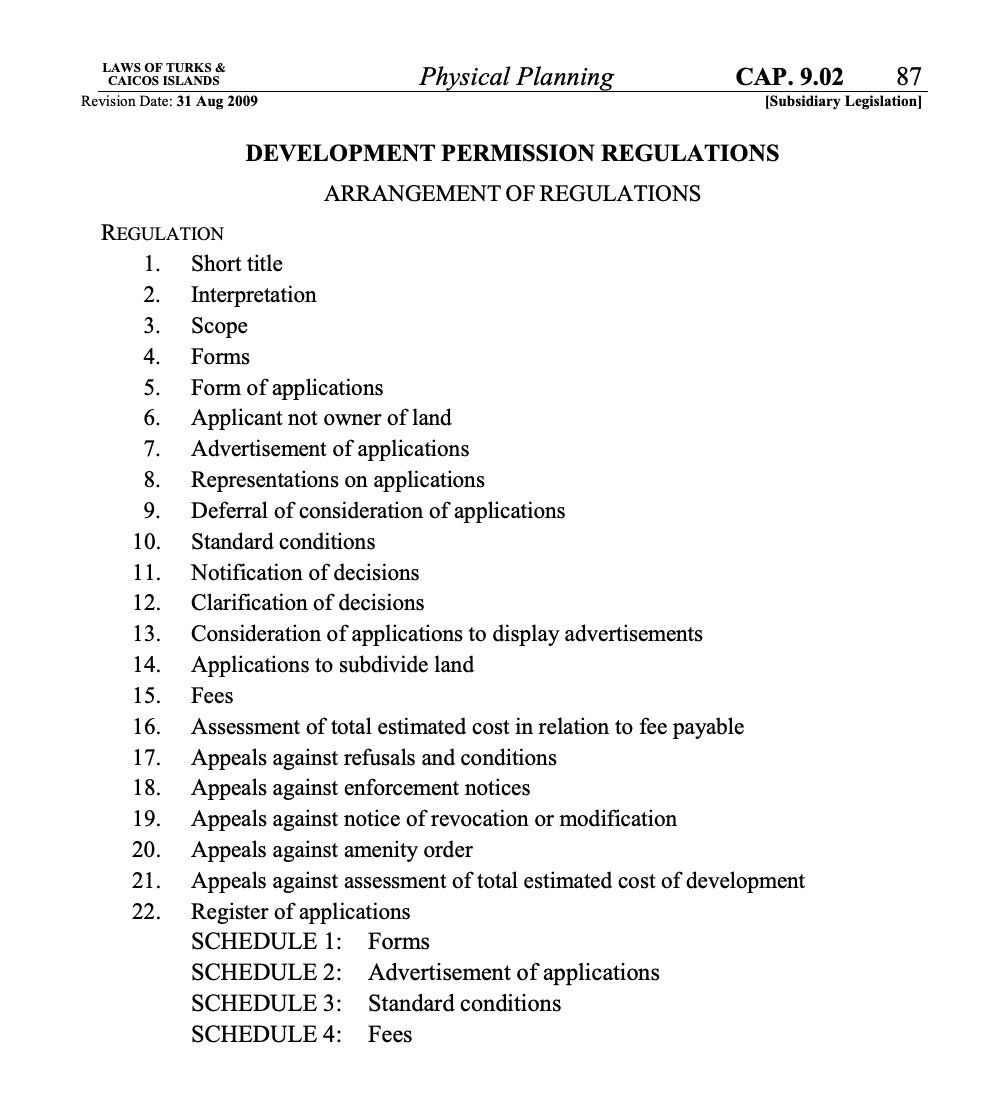
Development Permission Regulations
TCI’s Physical Planning Ordinance provides the legal foundation for land use and zoning controls, a key framework underpinning potential short-term rental (STR) zoning reforms.
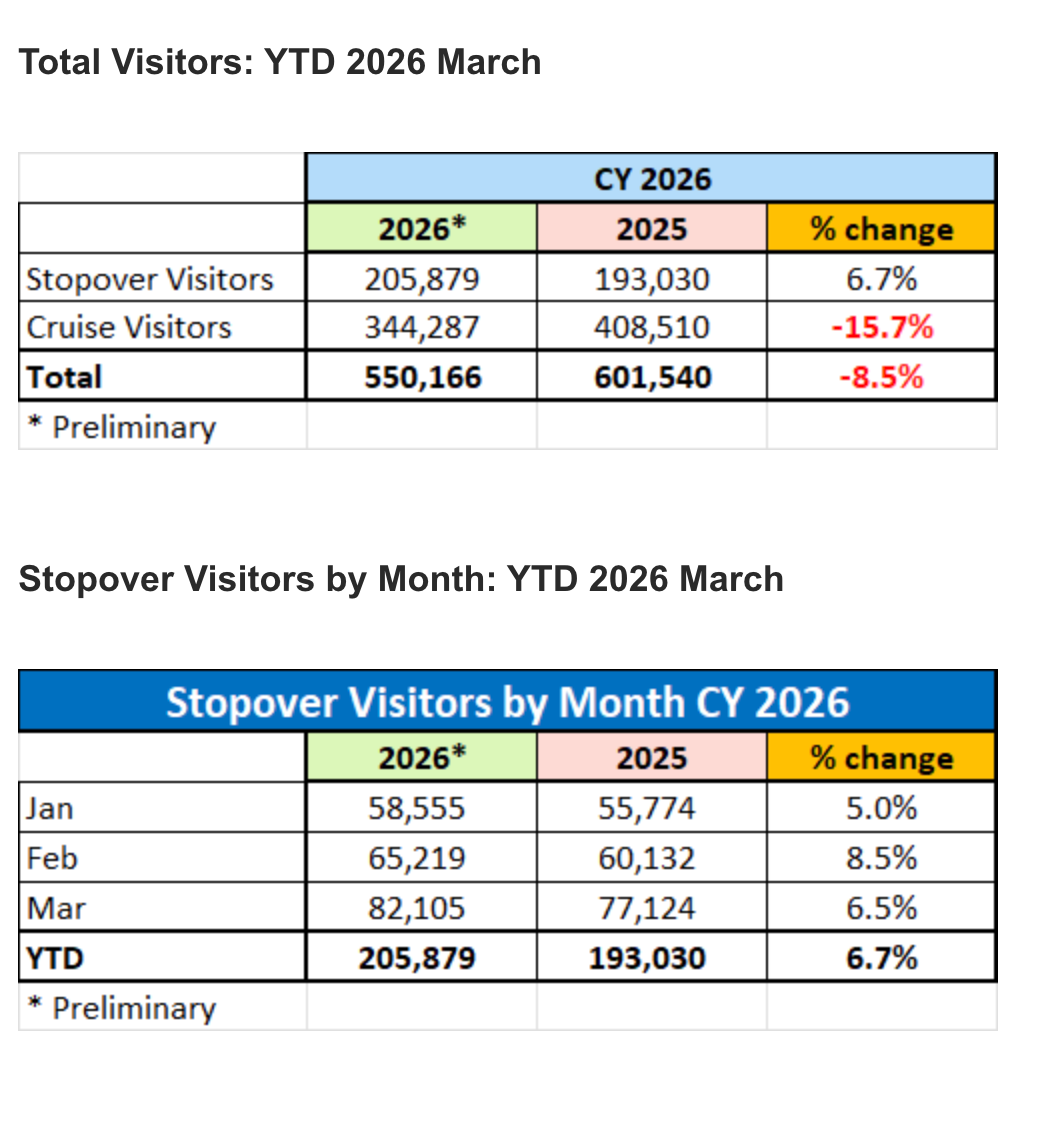
TCI welcomed just under two million visitors in 2025 including over 640,000 stayover arrivals and approximately 1.3 million cruise passengers, with early 2026 figures showing stayover growth of around 5%. That sustained demand is reshaping more than the tourism sector. Jolly told Parliament the growth is pushing up housing costs and shrinking long-term rental supply while the young residents and young families are absorbing the sharpest pressure. His language was unsparing:
"Homes that should house families are now being used to house visitors. And if we are not careful, we risk building an economy that our own people cannot afford to live in."
Three policy responses are on the table:
Jolly was careful throughout his presentation to distinguish between tightening the rules and pulling back from tourism altogether. "We are not approaching this issue recklessly. Nor are we seeking to stifle opportunity. We are bringing structure," he said. No visitor caps are on the table and there is no indication the STR market will be curtailed outright. The stated goal is a regulatory framework that keeps tourism growing while protecting residents' access to housing. Details on zoning boundaries, registration fees, and penalty scales have not yet been released.
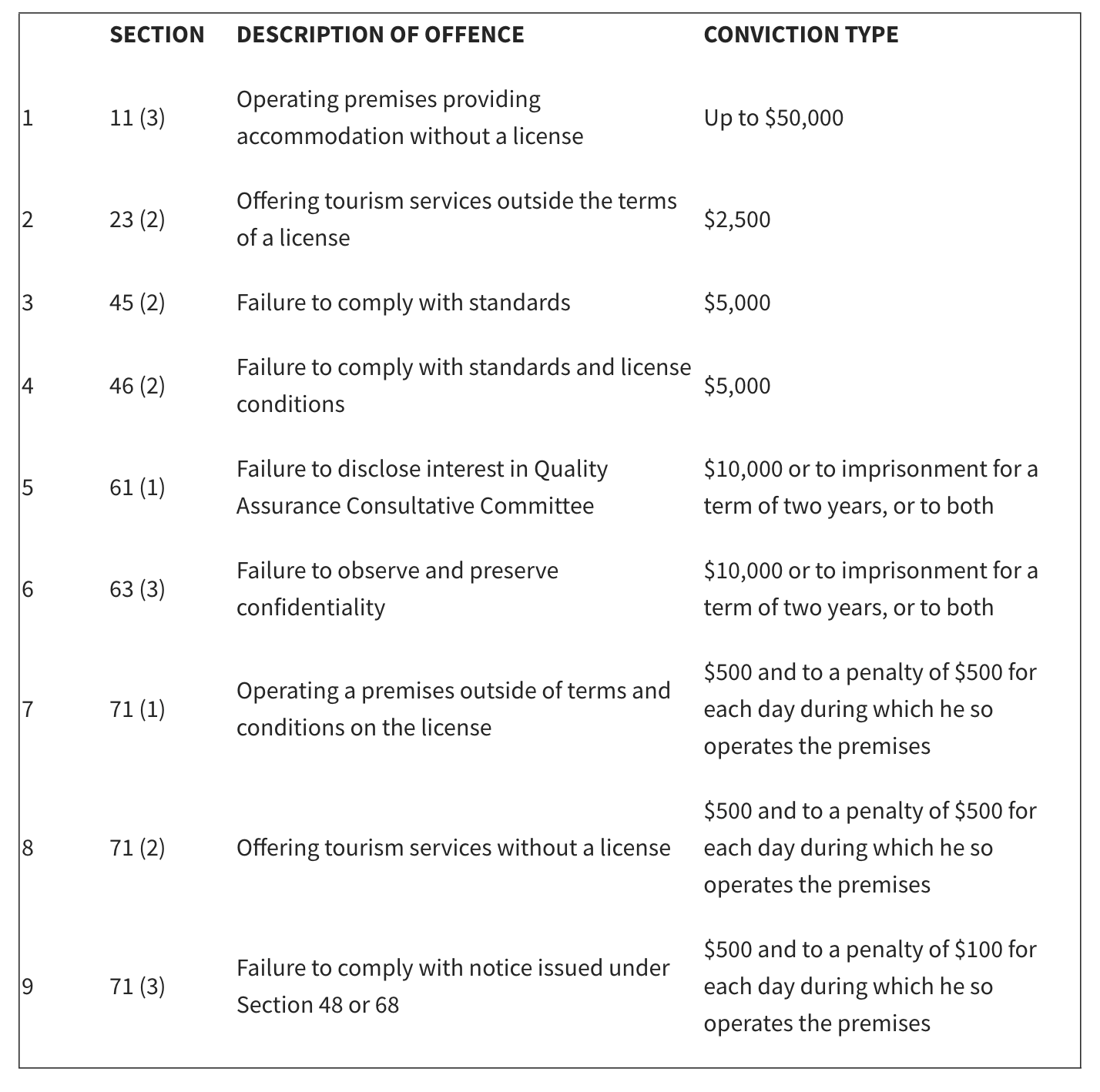
Regardless of where the zoning proposal lands, vacation rental operators in TCI are already working within a compliance framework that carries real teeth and is being actively enforced. Under the Tourism Regulation and Licensing Ordinance 2023, all vacation rentals must hold a tourism accommodation license from the Department of Tourism Regulations and any applicable business licences from the Revenue Department. Before a license is granted, properties must pass inspections by three separate government bodies: the DTR, the TCI Fire and Rescue Service, and the Environmental Health/Public Health Department.
National Tourism Strategy and Implementation Plan for Turks & Caicos (2023)
This outlines a long-term plan to balance tourism growth with sustainable development including managing impacts on housing, infrastructure, and local communities.
TCI requires hosts to collect a 12% tourism tax on every stay and retain records for seven years. Whether booking platforms like Airbnb carry a remittance obligation under local law remains unclear, so the safest move is a direct conversation with the Inland Revenue Department before assuming any platform-level coverage.
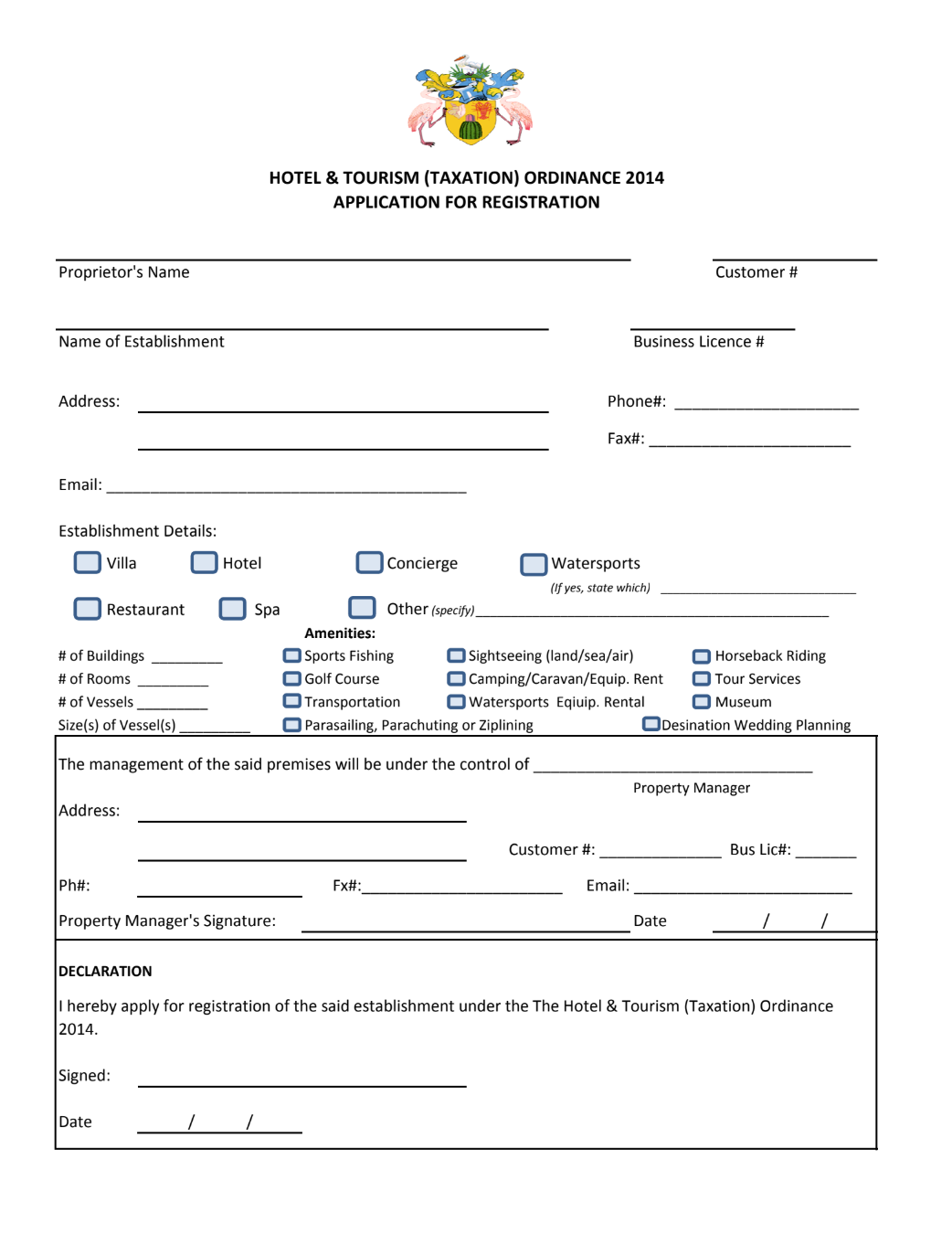
Hotel & Tourism (Taxation) Ordinance 2014
Applicaton For Registration
⦾ Governing body: Department of Tourism Regulations, Turks and Caicos Islands Government
⦾ Regulatory authority: Tourism Regulation and Licensing Ordinance 2023, in effect 27 November 2023; existing operators required to apply by 27 May 2024
⦾ Proposed changes: Designated STR zones (under active examination, not yet enacted); strengthened registration; upgraded enforcement
⦾ Current compliance rate: ~90% of ~1,300 identified properties now licensed (as of 2025)
⦾ Enforcement status: Active and continuing through 2026; unlicensed operators face fines or legal action
⦾ Legislative status: No draft STR zoning ordinance yet as of April 2026
⦾ Platform liability: No official platform remittance obligation identified; hosts should verify directly with the Inland Revenue Department
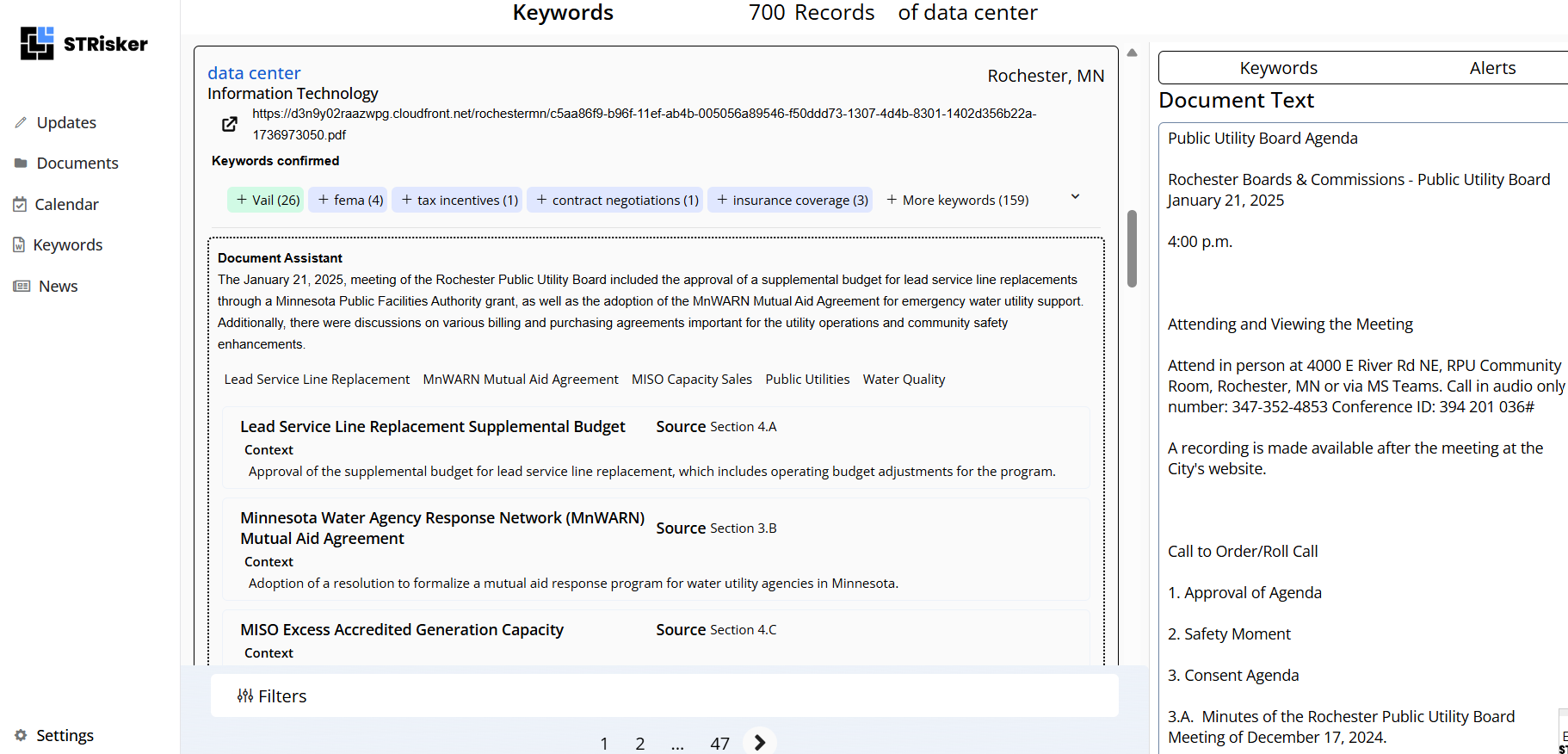
STRisker Keyword Searching
Finding the right keywords shouldn’t feel like digging through endless text—STRisker’s Keywords Searching tool cuts through the clutter for you. It tracks the essential keywords and terms across thousands of documents, highlighting information that matter most to you at a glance.
Stay Updated with STRisker!
STRisker offers tools and features to keep you updated with the Short Term Rental movement (and now Data Centers!) movement across the world.
👍 We’d love your feedback.
We're always looking for ways to improve Bulletins.
Was this one useful to you? Other topics you'd like to see get covered?
✉️ Just reply directly to this email. We read and respond to every message!
-Will McClure
🙋 P.S.
Know someone else who should be reading this Bulletin? Feel free to forward this along. We want to make sure operators and stakeholders are aware of regulatory changes in their area.