
Data Centers: Daily Notes | August 19, 2026
Pennsylvania is tightening data center; Kalamazoo approved a resolution; Keller is pursuing legal action against neighboring Westlake; Spokane County approved a four-month moratorium; Maquoketa; Chesapeake; Tulare County; Trumbull. READ MORE.


At A Glance 🔽
- Pennsylvania is tightening data center permitting through an executive order requiring developers to demonstrate local government approval before receiving state permits, while incentivizing compliance with stronger environmental, transparency, hiring, and energy standards.
- Kalamazoo, Michigan approved a resolution leading to a one-year moratorium on data centers as residents debate whether the temporary pause should instead become a permanent ban.
- Keller, Texas is pursuing legal action against neighboring Westlake over a proposed 1.1 million-square-foot data center near Keller homes while beginning the process for a 90-day local moratorium.
- Spokane County, Washington approved a four-month moratorium on new data center permits to give staff time to develop zoning regulations amid concerns over water, energy, environmental impacts, and transparency.
- Maquoketa, Iowa ended preliminary discussions over a potential data center at South Highway 61 Industrial Park while officials review Heavy Industrial District regulations that could govern future data centers and similar developments.
- Chesapeake, Virginia approved new zoning rules limiting data centers to conditional uses in industrial areas, banning groundwater use and closing by-right development loopholes while an eight-month application pause remains in effect.
- Tulare County, California approved a 45-day moratorium on data centers as residents continue opposing a proposed emergency-resilience facility at the county fairgrounds over concerns about its purpose, water use, and long-term lease.
- Trumbull, Connecticut is facing calls for a one-year data center moratorium as residents raise concerns over infrastructure, utilities, noise, and environmental impacts despite plans to modernize the town's existing facility without increasing its footprint or projected resource use.
Pennsylvania
Pennsylvania Gov. Josh Shapiro signed an executive order Tuesday tightening permitting rules for data center developers statewide, requiring projects to prove they have local government approval before the Department of Environmental Protection can issue state permits.
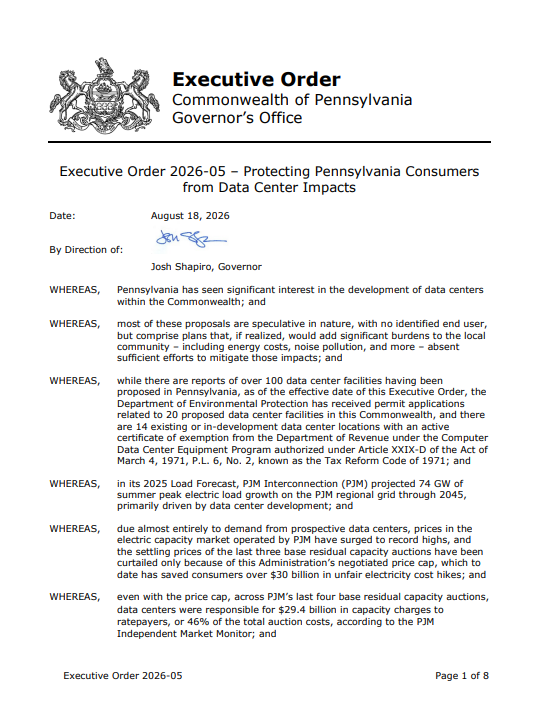
Shapiro said he acted through executive authority after the legislature failed to pass his Governor's Responsible Infrastructure Development requirements, which address transparency, environmental protection, hiring and energy supply. The order doesn't mandate GRID compliance outright, but projects that don't agree to it will face unpredictable, prolonged permitting and won't be eligible for fast-track review. Shapiro said the state currently has roughly 100 data center project proposals, only five of which have obtained permits, and described many as poorly planned or made in bad faith, citing rising public concern over noise, land use, water shortages and energy costs.
PA Public Utility Commission Chairman Stephen DeFrank said one midstate data center project alone would use more energy than the entire city of Pittsburgh. Advocacy group Better Path Coalition, which has pushed for a full moratorium, criticized GRID for rewarding rather than requiring compliance, while Republican gubernatorial candidate Stacy Garrity blamed Shapiro's earlier support for data centers for fueling the current backlash across the state.
Kalamazoo, Michigan
The Kalamazoo, Michigan City Commission voted Monday to approve a resolution leading to a one-year moratorium on data centers in the city.
 Julie Dunmire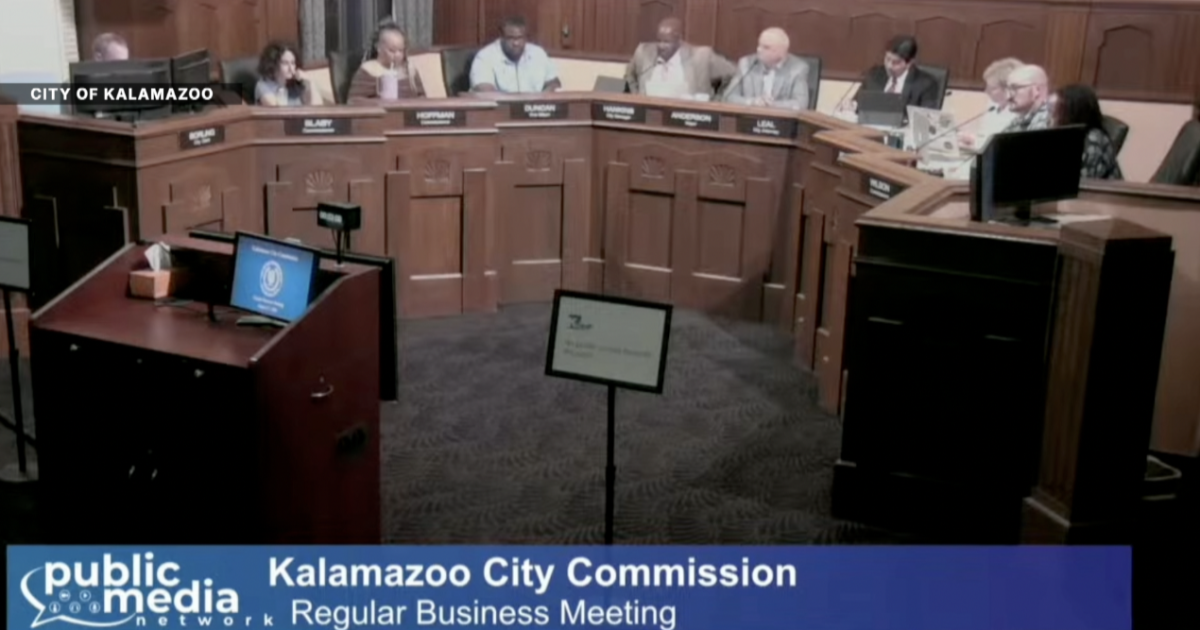
Kalamazoo residents interviewed downtown expressed mixed reactions, with resident Susan Bache saying she'd prefer a permanent ban rather than a one-year pause, telling FOX 17 she doesn't want a data center in her area at all. Travis Stoliker, a Lansing-area entrepreneur who helped build data centers in that region roughly two decades ago, said much of the current pushback stems from public anxiety about artificial intelligence and job displacement, even as data centers have quietly supported everyday internet use for years.
Kalamazoo joins several other West Michigan communities that have taken similar action on data centers over the past year.
Keller, Tennessee
Keller City Council voted unanimously to take legal action against neighboring Westlake, Texas over a proposed 1.1 million-square-foot data center planned just 506 feet from Keller homes.
The city said Westlake hadn't meaningfully addressed its concerns despite requests to meet and discuss reducing the project's impact on residents. Westlake defended the project, saying it sits in an industrial-zoned area, would boost town revenue by 14%, and that the developer has agreed to sound barriers and hardwood tree plantings to screen the building from view. Mayor Ross McMullin told residents Keller wouldn't stay silent while the facility rises near residents' backyards, saying being a good neighbor doesn't mean being a quiet one.
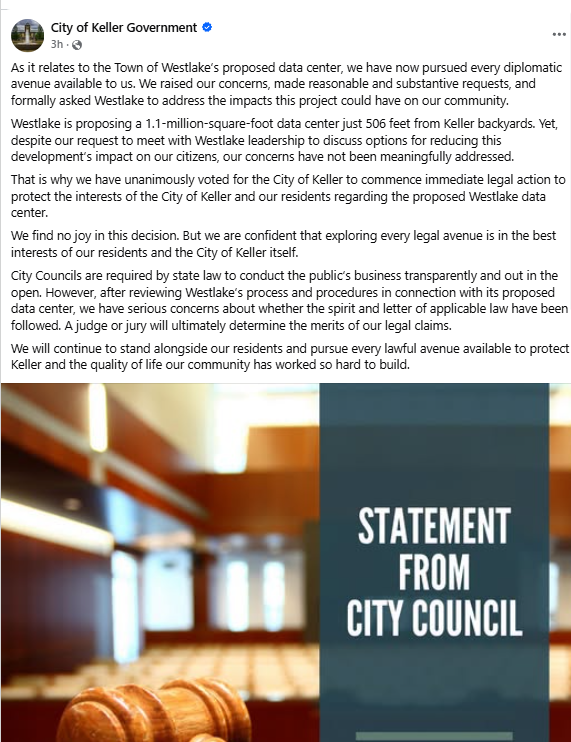
Council also approved a motion to begin the process for a 90-day moratorium on data centers within Keller, expanded from an initially proposed 30 days after members pushed for more time. Residents packed the meeting overwhelmingly opposed to the project, citing no
Spokane County, Washington
Spokane County pauses data center applications to address environmental concerns
Spokane County commissioners unanimously approved a four-month moratorium on new data center permits after weeks of public criticism over the county’s handling of potential projects and concerns about resource use.
The shorter pause replaces an earlier nine-month moratorium proposal that split commissioners 3-2, and is intended to give county staff time to develop zoning regulations for data centers. Residents have pushed for a longer pause, citing concerns over water consumption, energy demand, environmental impacts and transparency surrounding discussions with developers. The moratorium can be extended, but its timing could make data center policy an issue in this year’s commission election, as the replacement for departing Commissioner Mary Brooks could influence how the county approaches future development.
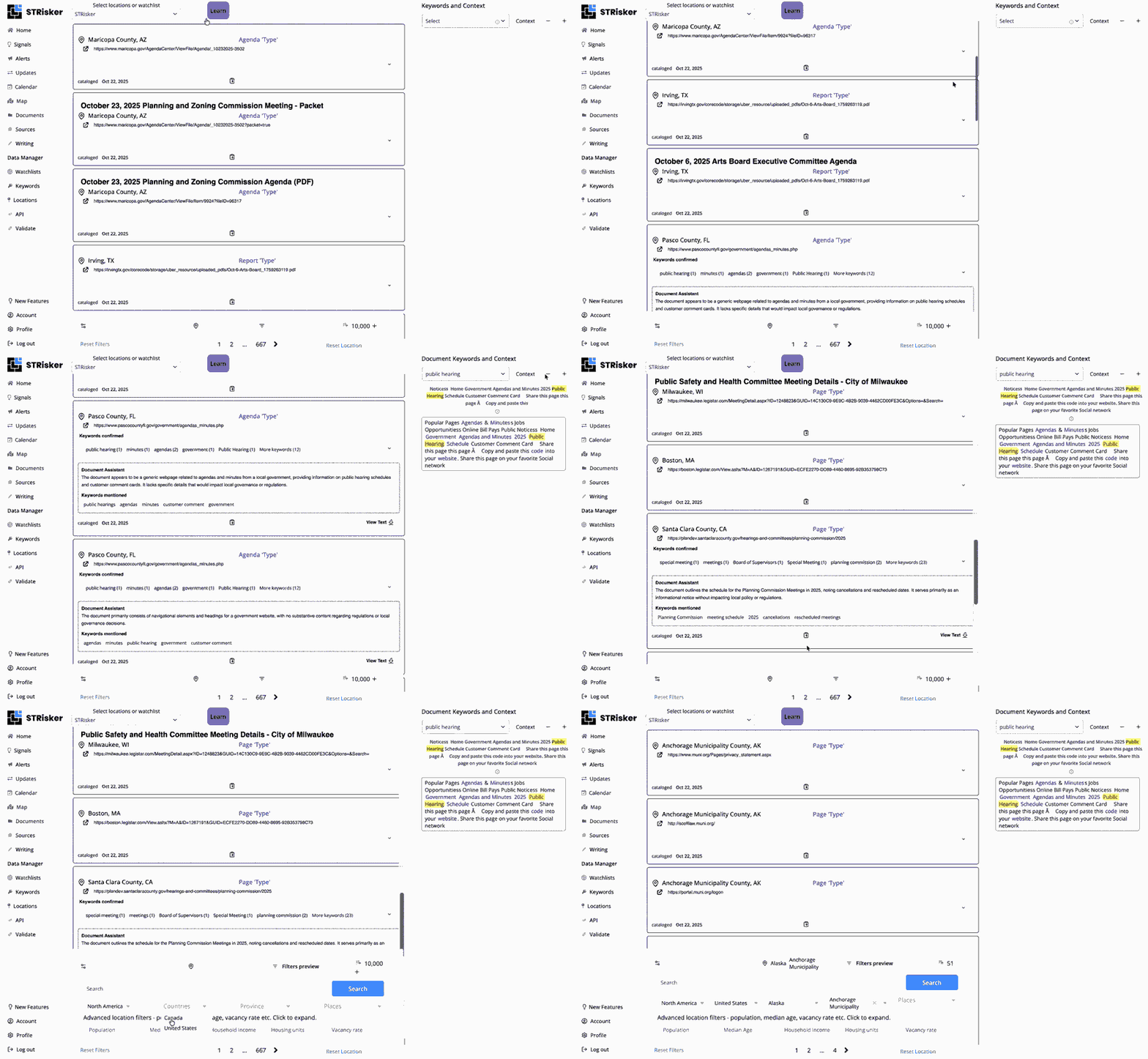
Strisker Document Analysis
Finding the right compliance documents shouldn’t feel like searching for a needle in a haystack - Strisker’s Documents Analysis is built to simplify your life, offering instant access to hundreds of thousands of documents from thousands of cities across the world.
Maquoketa, Iowa
Maquoketa city officials and development consultant Gronen have ended preliminary discussions about a potential data center at the South Highway 61 Industrial Park.
 KWQC staff
The city said it remains open to developing its heavy industrial land for a range of uses and emphasized that future opportunities will continue to be evaluated with community input. Officials also clarified that neither city staff nor City Council members signed nondisclosure agreements related to the data center discussions. In response, city leaders plan to review regulations governing the Heavy Industrial District, including requirements that could apply to future data centers, related facilities and other heavy industrial developments.
Chesapeake, Virginia
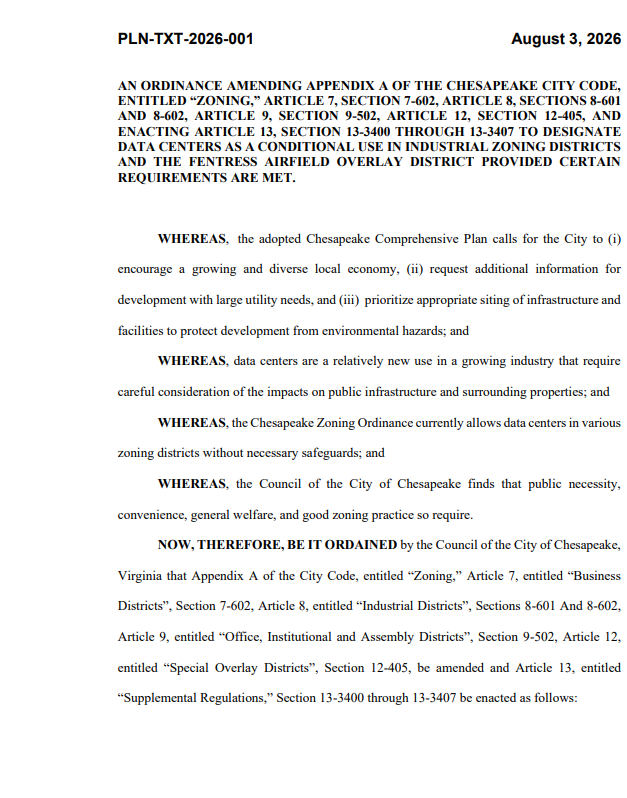
Chesapeake City Council unanimously approved a data center zoning ordinance that limits new facilities to conditional uses in industrial areas, requiring developers to obtain special approval before construction.
 Government Websites by CivicPlus®
The ordinance was amended to remove an exception for the Fentress Overlay district, close by-right development loopholes, prohibit data centers from using groundwater and allow further policy discussions during the city’s eight-month pause on data center applications. Nearly 40 residents spoke during public comment, with most opposing data centers over concerns about noise, environmental impacts and quality of life, while protesters also rallied outside City Hall.
Tulare County, California
A packed Tulare County Fair Board meeting Tuesday drew continued community opposition to a proposed "emergency-resilience system" at the Tulare County Fairgrounds that neighbors describe as a data center, with residents rallying and marching into the meeting carrying signs.
 Ana Torrea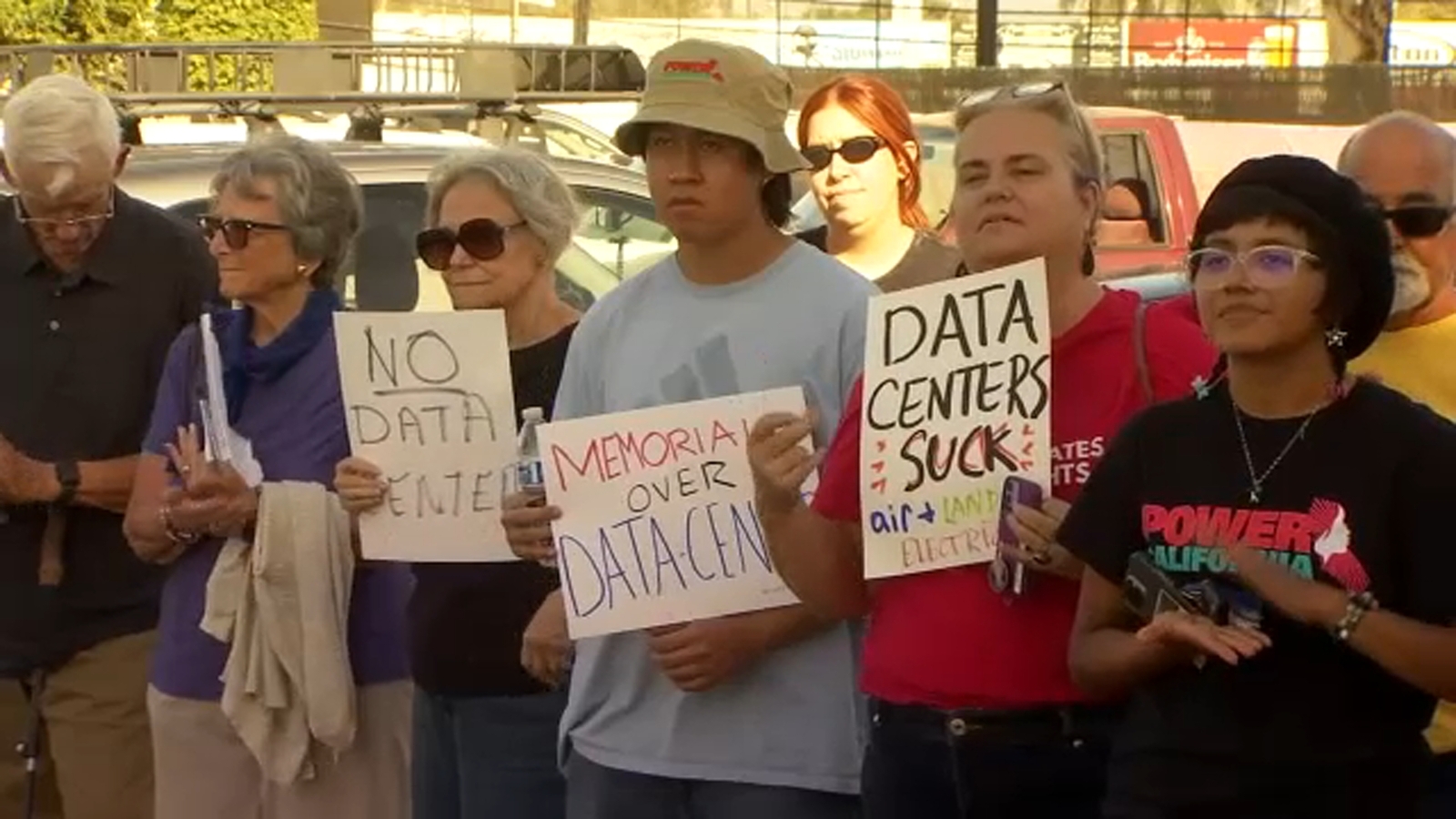
Southern California-based Global Stack proposed the project, which the company describes as a self-contained edge computing system meant to keep first responders and emergency services operating during power or network outages, not a commercial data center. Fair Board President Gary Castro said the board has not approved, proposed or entertained any commercial data center development at the fairgrounds. Rosanai Paniagua of Loud for Tomorrow said residents still lack answers on basic questions, including projected water use and why the proposal reportedly involves a lease exceeding 100 years.
Earlier Tuesday, the Tulare County Board of Supervisors approved a separate 45-day moratorium on data center development in unincorporated parts of the county. Fair leadership tabled the emergency-resilience proposal last month pending more information, and Castro said the project remains in a fact-finding and feasibility phase.
Trumbull, Connecticut
Residents are seeking a one-year moratorium on new or expanded data centers and have gathered more than 1,460 petition signatures, citing concerns over electricity, water, wastewater, noise, infrastructure and environmental impacts.
 Government Websites by CivicPlus®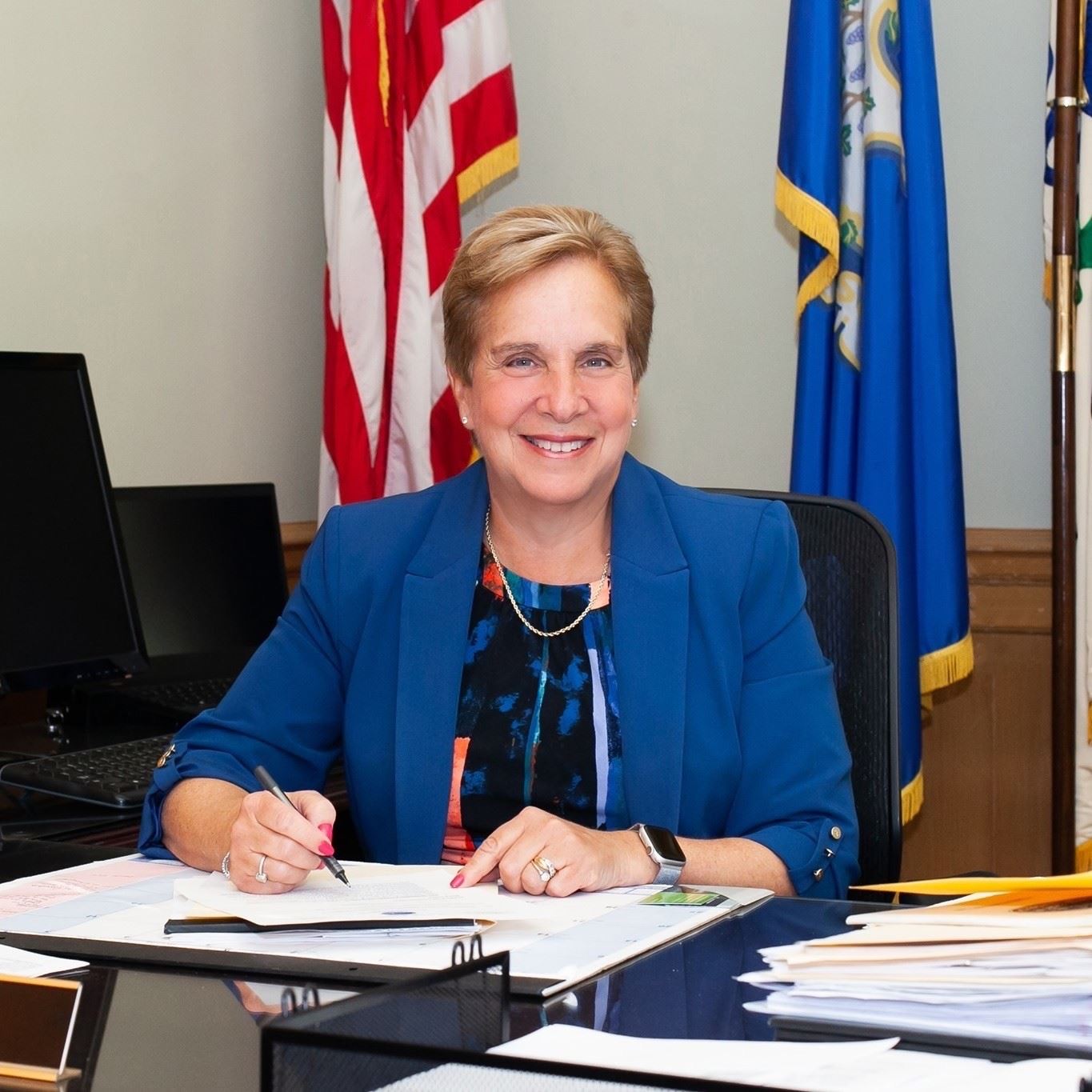
The push comes as the town considers a more than $100 million modernization of its existing 228,000-square-foot data center at 80 Merritt Blvd., which would be upgraded for 365 Data Centers without expanding the building footprint. Town First Selectman Vicki Tesoro said the project would not increase electrical draw, noise or water use, and would replace the site's open-loop cooling system with a closed-loop system; one of the property's three buildings would also be demolished, reducing the overall building area by about 23%.
Tesoro said the project would rely on existing utility and transformer infrastructure, require no new substations, and generate additional property-tax revenue, while town staff will independently verify noise levels as the design progresses. Residents are calling for a joint meeting of town officials and relevant boards to examine the broader impacts of AI data centers before further decisions are made.
📱 Social Buzz
Episode Title: At Close of Business Podcast August 19 2026
Episode: Business News - WA
Listen:https://soundcloud.com/businessnews-wa/at-close-of-business-371994242
A town hall meeting is planned for mid-September in an Ingham County community where a proposed hyperscale data center has divided the town. https://t.co/snGYKFb0tf
— The Detroit News (@detroitnews) August 19, 2026
'Very disappointed': Residents react to delayed vote on Spartanburg Co. data center ban https://t.co/pWuM5goZ52
— WBTW News13 (@WBTWNews13) August 19, 2026
Oldham County data center moratorium remains in place https://t.co/cDcq83F2qj pic.twitter.com/cQoxT06USR
— WAVE (@wave3news) August 19, 2026
$KEEL
— Stock Trader Angelo (@investmartin_F) August 19, 2026
DEP Public Hearing for Panther Creek Data Center A Pennsylvania DEP public hearing is scheduled for August 20 regarding Keel Infrastructure’s proposed Carbon Node East data center campus near the Panther Creek power plant in Carbon County. pic.twitter.com/clTfZyS3li
Stay Updated with STRisker!
STRisker offers tools and features to keep you updated with the Short Term Rental and Data Centers movement across the world.
👍 We’d love your feedback.
Which stories hit? Which ones missed?
We're exploring a new branch of topics centered around Data Centers and want to make it even more useful for you.
✉️ Just reply directly to this email. We read and respond to every message!
-Will McClure
🙋 P.S.
Know someone else who should be reading Daily Notes? Feel free to forward this along. We’re opening a few more spots.