
Data Centers: Daily Notes | October 01, 2026
Glendale held a public hearing on a proposed 160-acre annexation for "Project Eagle"; Washington County outlined a multi-year timeline for developing new data center regulations; Palm Springs; Edgewater; Mercer County; Madison; Kline Township. READ MORE.


At A Glance 🔽
- Glendale, Arizona held a public hearing on a proposed 160-acre annexation for "Project Eagle," a plan for three data centers and a gas generation plant near Luke Air Force Base, with a final decision set for Oct. 27.
- Washington County, Maryland outlined a multi-year timeline for developing new data center regulations while disputing advocacy group claims about undisclosed discussions tied to a pending annexation.
- Palm Springs, California extended its moratorium on data center applications and permits through 2028, giving planners nearly two more years to draft formal zoning rules.
- Edgewater, Florida unanimously passed a permanent moratorium on data centers, AI data centers and cryptocurrency mining facilities, with a ballot question also planned to add similar protections to the city charter.
- Mercer County, Kentucky unanimously rejected proposed zoning regulations that would have allowed hyperscale data centers next to a coal-fired power station, following months of contentious debate.
- Madison, Wisconsin is developing a zoning framework that would allow smaller data centers in designated areas while capping building size and excluding massive hyperscale campuses.
- Kline Township, Pennsylvania unanimously approved Amazon's proposed 350-acre data center campus despite resident concerns about noise, blasting impacts and water consumption.
Glendale, Arizona
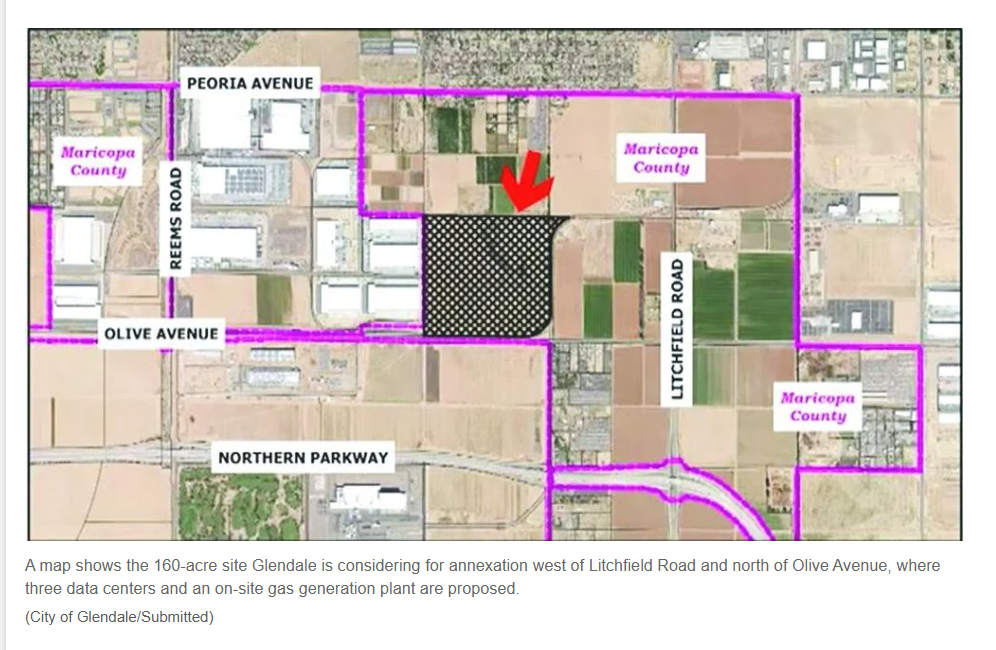
Glendale City Council held a public hearing on a proposed 160-acre annexation for "Project Eagle," a plan to build three data centers totaling 1.1 million square feet and a gas generation plant near Luke Air Force Base, with no final decision made and the matter set to return Oct. 27.
Surprise resident Lisa Everett spoke in support, noting the project has cleared multiple boards including Luke Air Force Base approval. Waddell resident Troy Mortensen, who lives 2,000 feet from the site, said he isn't opposed to development but believes the proposed protections, 75-foot setbacks, 6-foot walls and limited landscaping, are inadequate for a project of this scale. Project attorney Edwin Bull said the proposal includes an at-least 8-foot block wall along portions of the site and landscaping where appropriate, though not necessarily to the degree Mortensen requested, and confirmed Luke Air Force Base issued a letter listing conditions the applicant agreed to.
Washington County, Maryland
Washington County officials outlined a multi-year timeline for developing new data center regulations, while disputing claims from advocacy group Hagerstown Rapid Response that data center discussions have already occurred regarding a property slated for annexation by Hagerstown.
Hagerstown has scheduled an Oct. 27 hearing on annexing the 171.88-acre Martin Farm property at 12440 Burkholder Lane, which would shift responsibility for the land's zoning from the county to the city under Maryland law, since municipalities gain exclusive planning and zoning authority over annexed land. The county's 12-month moratorium, now in effect, applies only to unincorporated areas and is meant to give officials time to study data centers and determine how future proposals should be evaluated against county planning goals, though officials stressed it's not meant to permanently ban the facilities.
The regulatory process is slated to run through staff review this summer and fall, Planning Commission workshops and discussion into early 2027, a draft zoning amendment by March 2027, and a Board of County Commissioners public hearing and potential adoption by June 2027.
Palm Spring, California
Palm Springs City Council voted Wednesday to extend its moratorium on data center applications and permits through Aug. 25, 2028, giving planners nearly two more years to draft formal zoning rules for the facilities.
 Kendall Balchan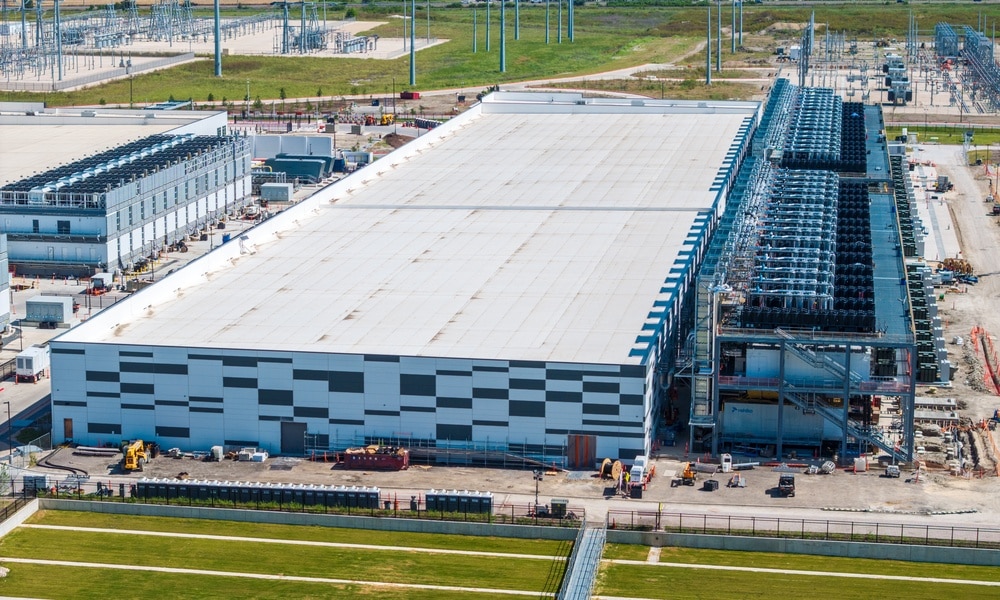
The moratorium, first adopted Aug. 26 as a 45-day urgency ordinance set to expire Oct. 10, was extended by 22 months and 15 days, a move requiring a four-fifths council vote under state law that carried. Planning Director Chris Hadwin said the pause responds to concerns about environmental impacts and heavy demands on land, electricity, water and fossil fuels, as well as stress on infrastructure with limited community benefit, since the city's current codes have no zoning standards, setbacks, noise rules, utility thresholds or environmental mitigation requirements for data centers.
The ordinance defines a data center as a structure primarily used to store, manage, process or transmit digital data, excluding secondary server equipment supporting another permitted use like a hospital or hotel, a definition Hadwin said mirrors standards used elsewhere in California and nationally.
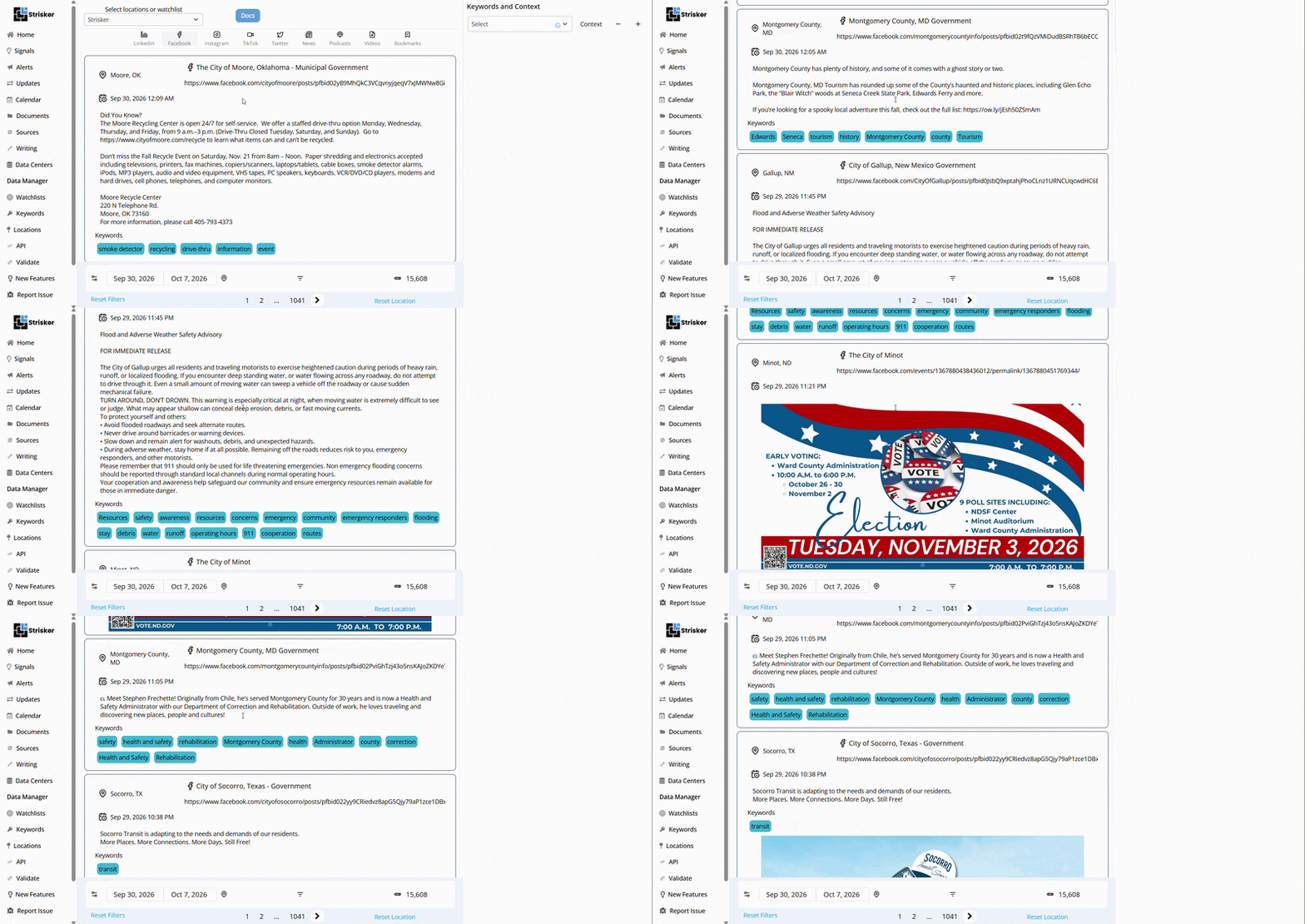
Social Listening📱: Facebook
Where do neighbors, community groups, and local officials go to express their concerns? On Facebook. Strisker's Facebook Signal monitors public pages and community discussions to identify proposed ordinances, zoning disputes, and upcoming hearings, all of which can be filtered by location.
Edgewater, Florida
Edgewater City Council unanimously passed a permanent moratorium on data centers Sept. 14, blocking development orders, permits and land use approvals for data centers, AI data centers and cryptocurrency mining facilities, with exceptions for server rooms tied to other permitted uses, government emergency communication facilities, and existing utility or telecommunications infrastructure.
Mayor Diezel DePew said the city has repeatedly flooded due to past overdevelopment and doesn't want to repeat that mistake, citing data centers' heavy use of natural resources and unknown long-term health effects, and credited numerous residents for raising concerns that led the council to act quickly. Councilwoman Debbie Dolbow said she sees no place in the city for data centers.
Councilmember Eric Rainbird said the urgency stems from a past building moratorium that was delayed, during which 150 building applications arrived in anticipation, and said the city wanted to act before a data center company could file an application ahead of the November election, urging other communities not to wait to put similar protections on the ballot.
Mercer County, Kentucky
Mercer Fiscal Court unanimously rejected proposed zoning regulations Monday that would have allowed hyperscale data centers on land next to Kentucky Utilities' coal-fired E.W. Brown Generating Station, following months of contentious debate across the county.
 Carlee Hogsten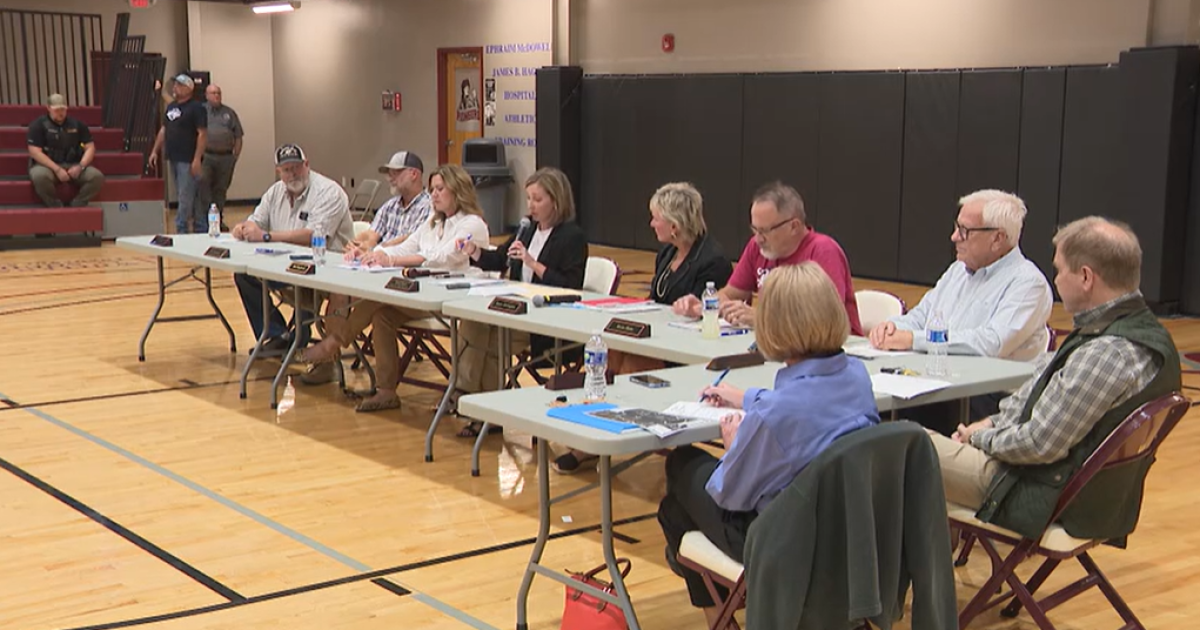
County Judge-Executive Sarah Steele told more than 170 attendees that the regulations included some protections, such as requiring a community benefit agreement and environmental studies, but needed further work to align with the county's comprehensive plan.
The vote sends the regulations, which would have created an "industrial technology" district near the Dix River power plant, back to the joint planning and zoning commission that has worked on drafts since April. The county's one-year data center moratorium, passed in August, remains in effect since the fiscal court didn't adopt the regulations that would have ended it automatically. Shaker Village CEO Billy Rankin, whose historic site sits less than a mile from the proposed zone, called the designation arbitrary and said the nonprofit wants land conservation, historic preservation and tourism considered before any decision.
Madison, Wisconsin
Madison's Department of Planning and Economic Development is developing a zoning framework that would allow data centers in designated areas while capping building size at 100,000 square feet and restricting large facilities to industrial zones.
The preliminary proposal creates three size categories, small, medium and large, and would exclude the massive hyperscale campuses that have drawn national scrutiny. University of Wisconsin applied economics professor Dominic Parker said the facilities the city would permit aren't the giant hyperscale projects people typically hear about, noting that restricting size could reduce potential economic benefits like jobs, property tax revenue and vacant land sales, but could also limit drawbacks associated with larger operations. He added that location matters as much as size, since research has found nearby homes can lose value after a data center is built due to noise and quality-of-life impacts.
The city said the framework follows months of research and would require noise mitigation, confine large facilities to industrial areas, and mandate at least 1,000 feet of separation between medium and large data centers. Officials plan to gather resident and business feedback through the end of October, with formal introduction to the Common Council expected in November and a final vote anticipated in January.
Kline Township, Pennsylvania
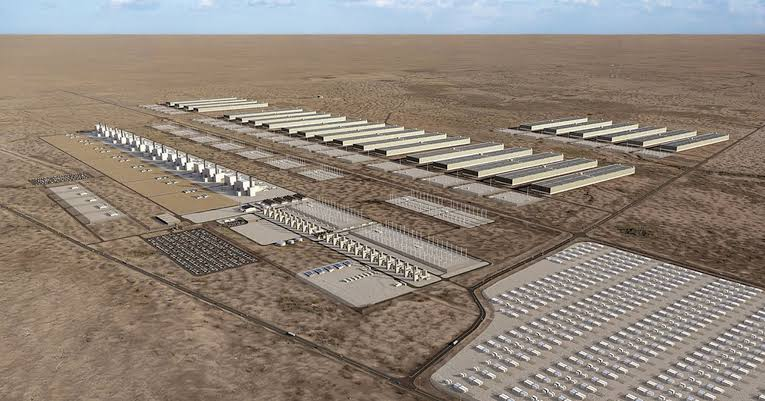
Kline Township supervisors voted unanimously at a special meeting Wednesday to approve Amazon's proposed 350-acre data center campus near Route 309 and Interstate 81 in Schuylkill County, calling for roughly two million square feet of data center structures and 500,000 square feet of administrative and support space operated by Amazon Web Services.
The vote came despite pushback from numerous residents who raised concerns about noise pollution, blasting impacts, water consumption and strain on local utility infrastructure, with many urging the board to table the vote or add stricter zoning and environmental safeguards first. Supervisors did adopt conditions recommended by the township planning commission, including pre- and post-blasting structural surveys on nearby homes and post-construction acoustic testing, though residents said they wanted additional restrictions that were not included.
Amazon must now apply for and secure township zoning permits along with required state environmental clearances before construction can begin.
📱 Social Buzz
Trenton voters will decide in the November general election whether to ban data centers requiring more than 25 megawatts of electricity within city limits after the Ohio Supreme Court ordered the measure onto the ballot. https://t.co/g8Y7XIdojn
— journalnews (@journalnews) October 1, 2026
The expansion of AI data centers has sparked public backlash and election-year pressure in the U.S.; the tech industry plans to pledge to cover energy costs, give back to communities, and reduce environmental impacts to mitigate local opposition.
— Xelon doge rugpuLl crypto charts+ GoLd silv (@queenandqueenie) October 1, 2026
Public discontent over AI data…
"The campus would include data centers and some 456 small nuclear reactors (SMRs), along with a facility to produce nuclear fuel and others for storing nuclear waste, according to a proposal from the company to federal regulators seen by NPR."#DataCenters #DigitalInfrastructure…
— Brian Johnston (@bkjrecruiter) October 1, 2026
Two hearings stand between Meta and its La. data center campus https://t.co/eHku5XJd9Q
— Louisiana Family Forum (@lafamilyforum) October 1, 2026
In Virginia Cline and Macy appear aligned on one issue in the 6th District race: the need for a data center moratorium - Cardinal News https://t.co/RxJkFQ56hU
— Richard Martin (@lrmartinjr) October 1, 2026
In case you missed it:
 Em Dela Cruz
Stay Updated with Strisker!
Strisker offers tools and features to keep you updated with the Short Term Rental and Data Centers movement across the world.
👍 We’d love your feedback.
Which stories hit? Which ones missed?
We're exploring a new branch of topics centered around Data Centers and want to make it even more useful for you.
✉️ Just reply directly to this email. We read and respond to every message!
-Will McClure
🙋 P.S.
Know someone else who should be reading Daily Notes? Feel free to forward this along. We’re opening a few more spots.