
Data Centers: Daily Notes | September 24, 2026
Tulare County voted to extend its data center moratorium; Warren County directed the prosecutor's office to draft a temporary data center moratorium; Marshall County unanimously approved a six-month moratorium; Woodbury; Chesterfield County; Pulaski County; Potsdam; Boston; Yellowstone. READ MORE.


At A Glance 🔽
- Tulare County, California voted to extend its data center moratorium in unincorporated areas for another 10 months, giving staff more time to draft permanent zoning rules.
- Warren County, Ohio directed the prosecutor's office to draft a temporary data center moratorium, giving officials time to study grid, water and zoning impacts before approving facilities.
- Marshall County, Iowa unanimously approved a six-month moratorium on applications related to data centers, AI computing, data mining and cryptocurrency operations.
- Woodbury, Minnesota approved a moratorium on new data centers and expansions beyond existing approvals, giving the city up to a year to study water use, electricity demand and noise.
- Chesterfield County, Virginia deferred a vote for the second time on an ordinance that would use data center tax revenue to cut the county's car tax rate.
- Pulaski County, Arkansas passed an ordinance regulating high-density digital infrastructure like data centers after months of failed attempts, addressing electrical demand, water capacity and decommissioning.
- Potsdam, New York proposed a 12-month moratorium on large-scale data centers and cryptocurrency mining operations, aiming to plan ahead of any major development application.
- Boston, Massachusetts a city councilor introduced a proposal to ban new data center construction within city limits, arguing the city should decide proactively rather than reactively.
- Yellowstone County, Montana commissioners drafted a letter asking state lawmakers to clarify the Right to Compute Act to preserve local authority to regulate data centers through zoning and permitting.
Tulare County, California
Tulare County extends moratorium for A.I. data center development
Tulare County Board of Supervisors voted 5-0 on Sept. 22 to extend the county's data center moratorium in unincorporated areas for another 10 months, giving staff more time to draft permanent zoning rules than the original 45-day window allowed.
 Karis Caddell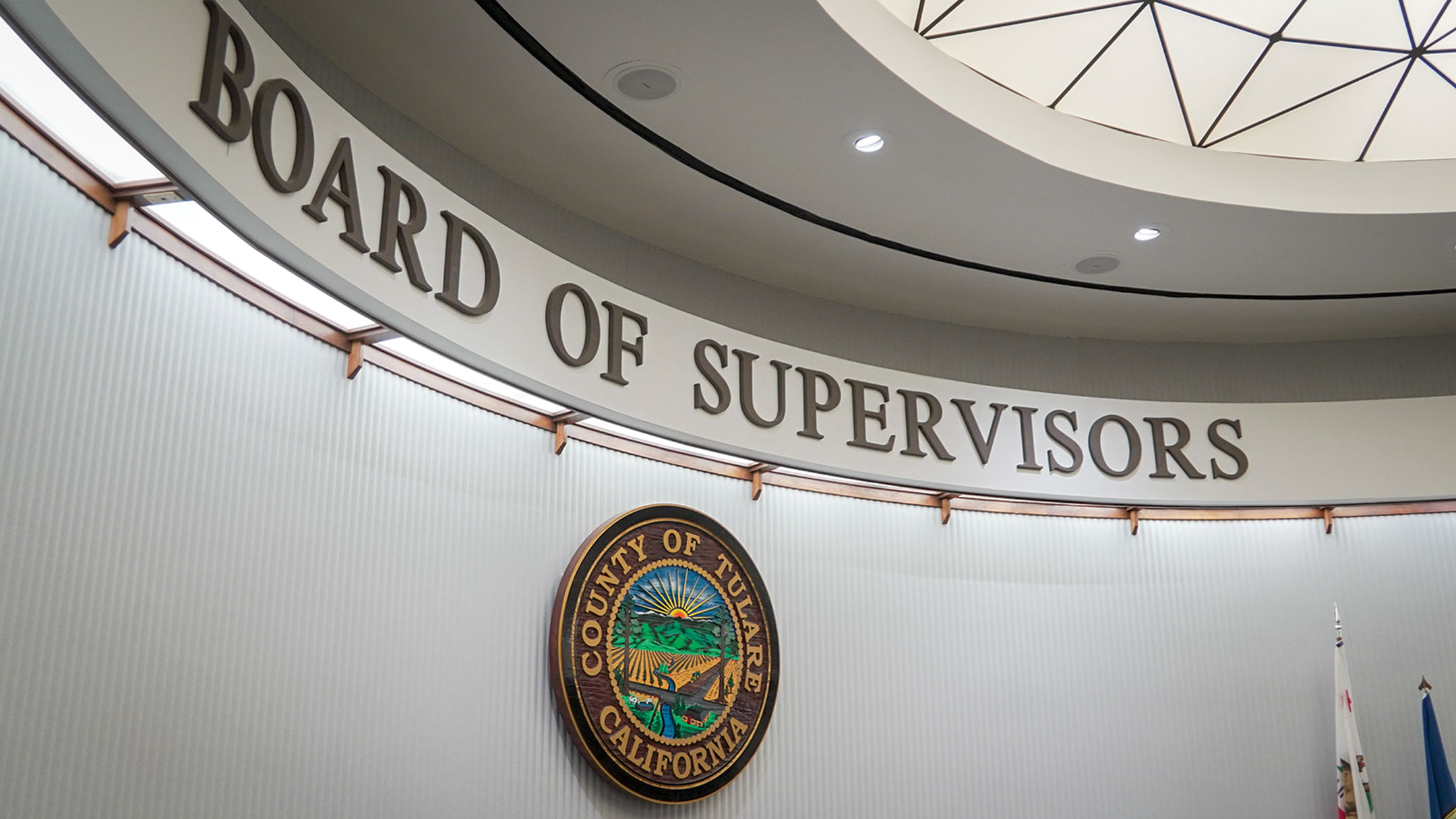
Mike Washam of the county's Resource Management Agency said staff has completed a preliminary review of existing data center regulations but needs further research before making recommendations, with options ranging from zoning requirements and conditional use permits to an outright ban still on the table. The county has set up a webpage and email address to keep residents updated and gather feedback through a community survey. Supervisor Pete Vander Poel III said staff shouldn't bring recommendations to the board until they're ready for a decision.
Warren County, Ohio
Warren County commissioners directed the prosecutor's office to draft a temporary moratorium on data center development following a Sept. 22 work session, aiming to give officials time to study impacts on the electrical grid, water supply and zoning before any facilities are approved.
 Beth Callahan
Director of Building and Zoning Ray Drafft told Commissioners Shannon Jones, Tom Grossmann and Dave Young that while smaller co-location facilities already operate in Lebanon and Deerfield Township, the county's rural zoning code has no specific definitions or regulations for larger hyperscale facilities. Assistant Prosecutor Bruce McGary said any application filed now would have to be evaluated under a "same or similar" land use standard, an approach that has caused regulatory difficulties with other utility-scale projects in the past.
Drafft outlined three possible regulatory paths: allowing data centers as a conditional use through the Board of Zoning Appeals, requiring administrative site plan review and public hearings before commissioners, or creating a dedicated "DC" floating zoning classification requiring formal rezoning and potential township voter referendums. Commissioners agreed a moratorium would let the county plan deliberately rather than leave development to chance, and a public hearing will be scheduled once the formal resolution is drafted.
Marshall County, Iowa
Marshall County Board of Supervisors unanimously approved a six-month moratorium on applications related to data centers, artificial intelligence computing facilities, data mining facilities and cryptocurrency mining operations Wednesday, following a public comment period and unanimous 6-0 vote.

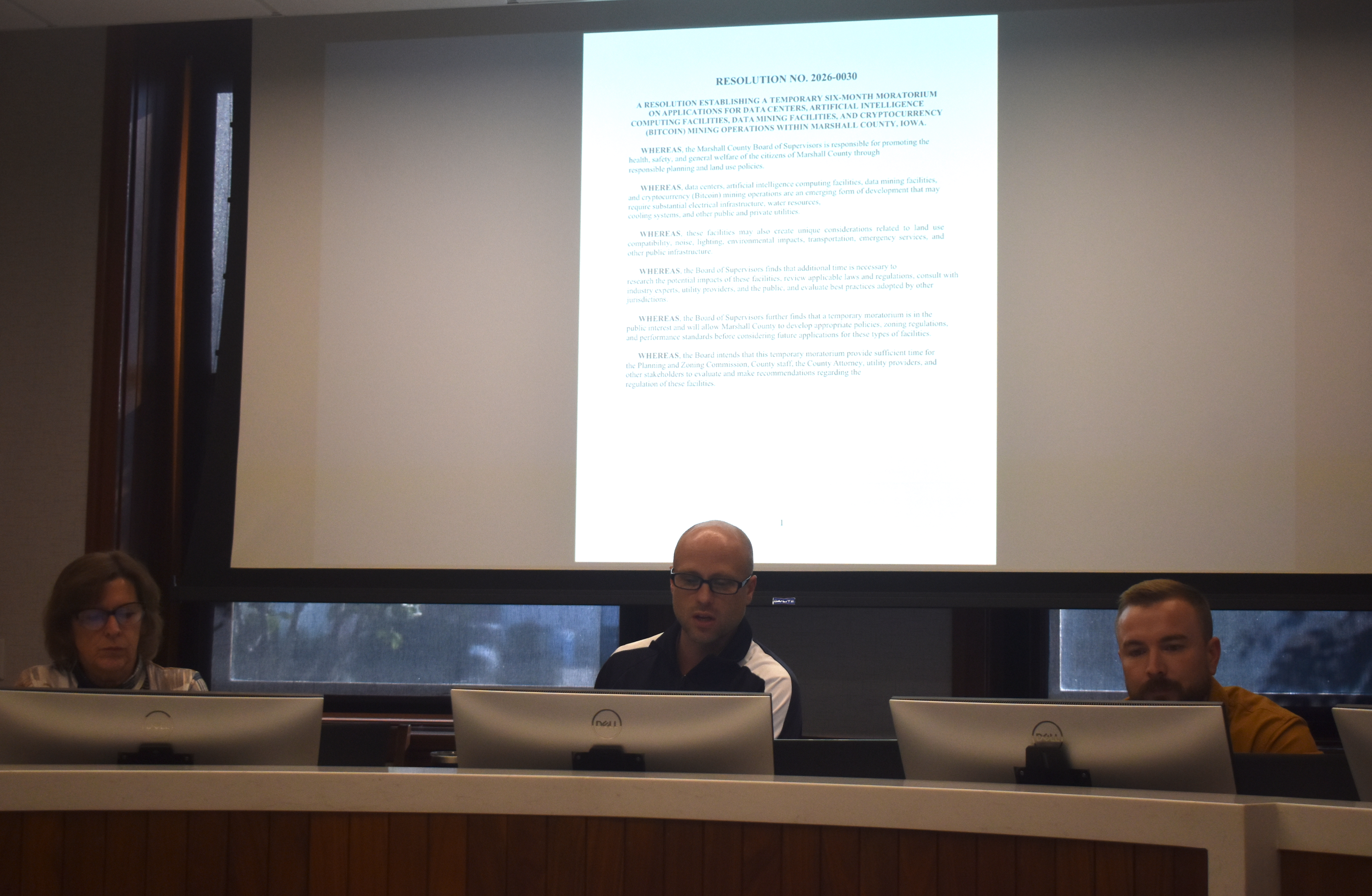
County Zoning Administrator Tyler Kelley said the only change from the previous draft was removing the cap on how long the moratorium could be extended. Kelley said the commission will hold monthly work sessions on an ordinance and that the county is essentially "working from scratch," since few comparable ordinances exist to reference, though officials plan to draw on other counties' work and the city of Marshalltown's ongoing Planning and Zoning process. Board Chairman Jarret Heil said the moratorium's length could be shortened or extended depending on how quickly regulations come together.
Woodbury, Minnesotta
Woodbury's City Council approved a moratorium Sept. 23 on new data centers and expansion beyond existing approvals, giving the city up to a year to study water use, electricity demand, noise and possible zoning changes before another proposal arrives.
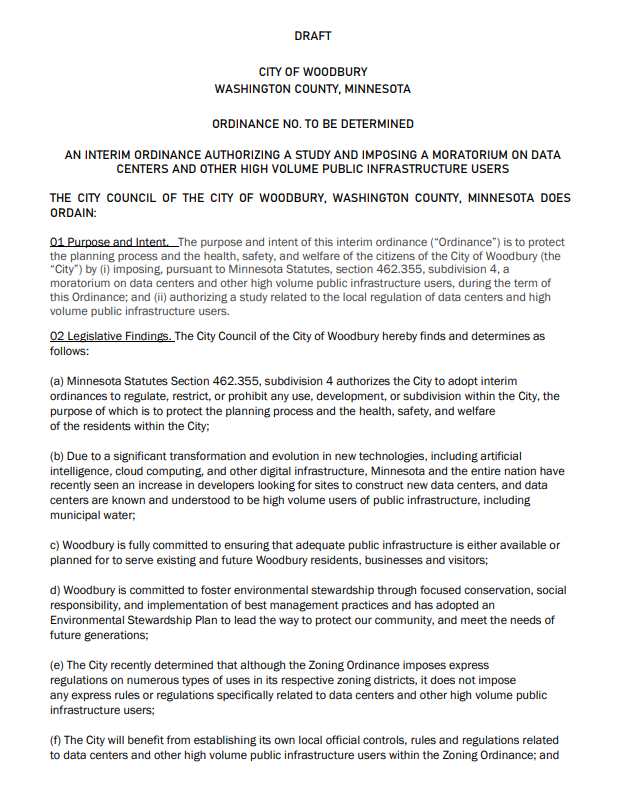
City Planner Eric Searles said Woodbury has no active applications or ongoing conversations with data center developers. Before voting, council members broadened the ordinance to cover building permits, electrical permits and public right-of-way permits, in addition to blocking rezoning proposals, comprehensive plan amendments, conditional use permits, variances, and new data center applications, along with any proposed water or sewer user that would rank among the city's largest.
Council member Kim Wilson pressed on whether IronGate could expand operations at 500 Bielenberg Drive without a new permit; City Attorney Kevin Sandstrom said the moratorium can't apply retroactively, and council member Jennifer Santini noted a facility already using 19 of 20 available megawatts couldn't be blocked from reaching that existing capacity.
Woodbury's three existing data centers, two IronGate facilities and a Medtronic facility, are treated as similar uses under current zoning and aren't regulated through conditional use permits, though the coming study could establish new rules affecting them.


Read: Data Center Moratorium: Reasons, Impacts, and State Policies
 Em Dela Cruz
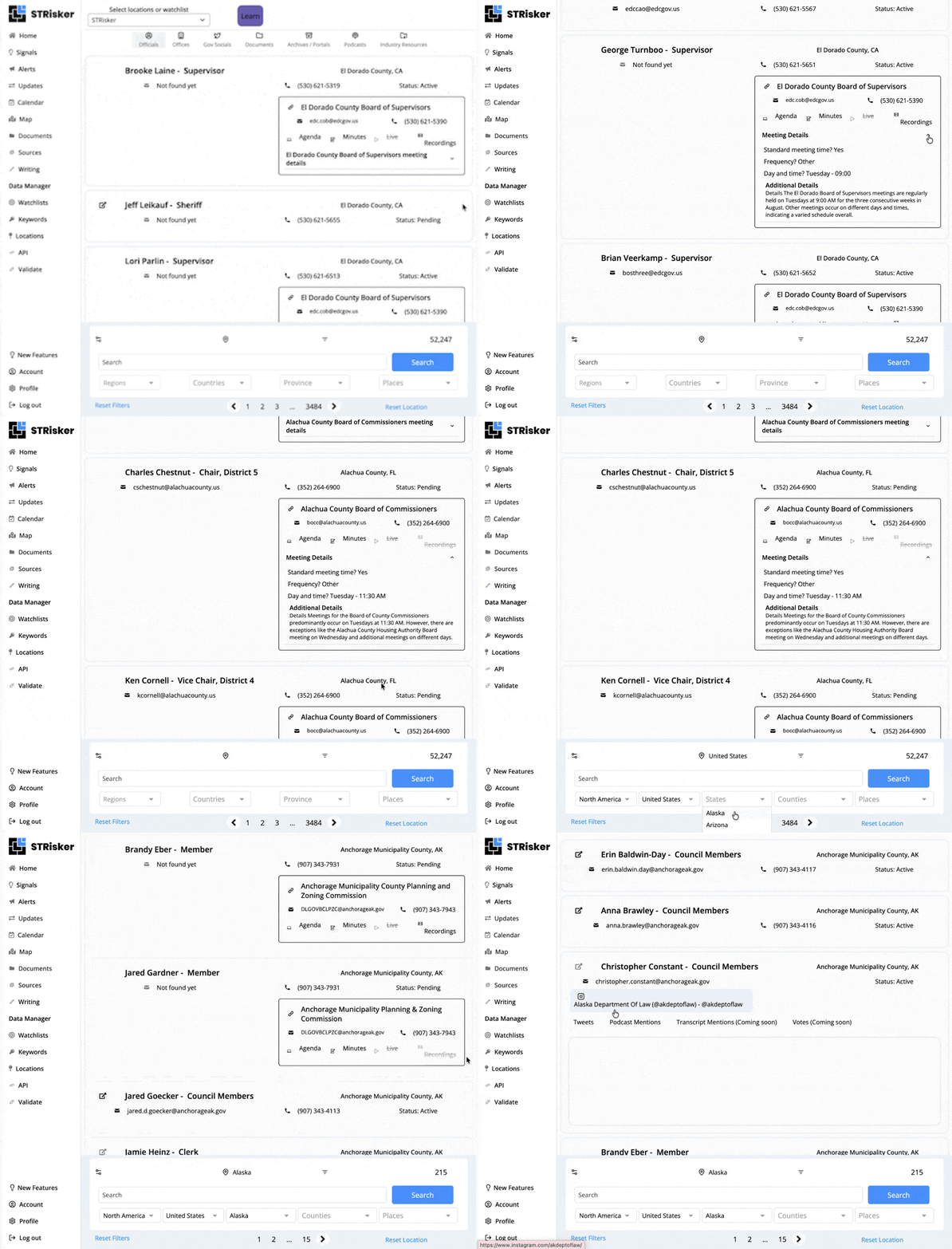
Strisker Government Officials Dashboard
Trying to keep up with the main players in the STR and Data Center game? Know your council members, commissioners, committee chairs, and key staff that are part of the process.
Chesterfield County, Virginia
Chesterfield County's Board of Supervisors deferred a vote Wednesday, for the second time, on an ordinance that would use data center tax revenue to cut the county's car tax rate, pushing the decision to Nov. 18.
The proposal would lower the current $3.25 car tax rate by at least $1, which would make it the lowest in Virginia. Supervisor Jim Ingle said he remains committed to using data center revenue to provide relief to residents, while Supervisor Jessica Schneider questioned whether small tax cuts would be as impactful as investing the money in more parks. Board Chair Mark Miller said the board doesn't need to rush into a decision.
The county expects substantial tax revenue from nine data center projects, including three Google campuses representing at least $9 billion in investment, though Vice Chair Kevin Carroll noted those facilities won't be operational for years since Dominion Energy currently lacks the power capacity to serve them. The projects remain a source of community frustration, with residents continuing to push for greater transparency about what the developments will entail.
Pulaski County, Arkansas
Pulaski County's Quorum Court passed an ordinance regulating high-density digital infrastructure like data centers in an 11-4 vote Tuesday, after months of failed attempts to advance the measure.
 Joseph Flaherty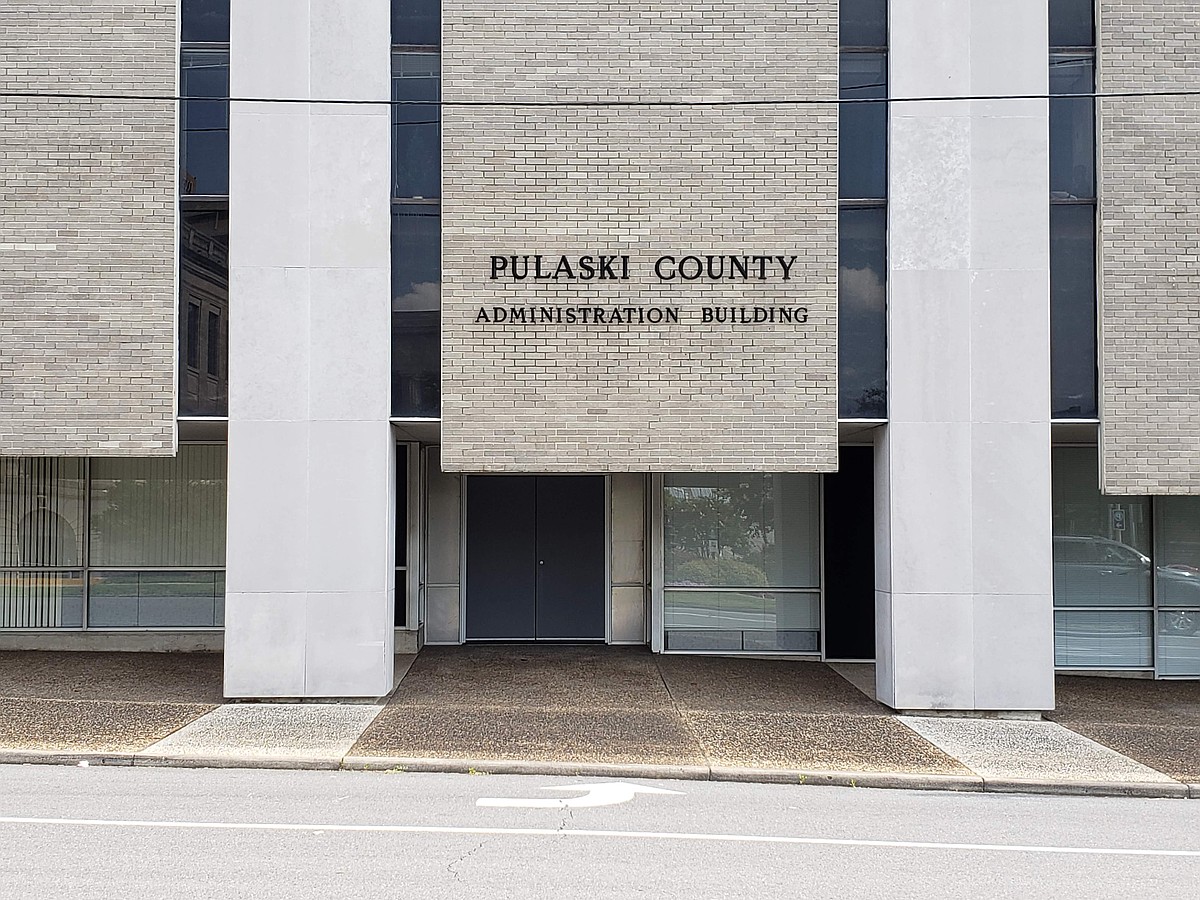
Justice Julie Blackwood, who has pushed for the ordinance for months, said transparency was central to the effort, arguing the community deserves to weigh in on projects rather than have decisions made behind closed doors. Pulaski County judge candidate Wendell Griffen, who helped draft the ordinance, said it addresses electrical demand, water and wastewater capacity, noise, roads and drainage, emergency response, neighboring property monitoring, decommissioning and long-term public costs tied to large-scale facilities.
The ordinance follows five months of county debate over the AVAIO data center project, which residents largely opposed over concerns about transparency. The ordinance now goes to County Judge Barry Hyde for signature, with Blackwood requesting prompt approval so it can take effect as an emergency ordinance; if Hyde vetoes it, the Quorum Court can attempt an override at its Oct. 27 meeting.
Potsdam, New York
Potsdam Town Board proposed a 12-month moratorium on large-scale data centers and cryptocurrency mining operations at its Sept. 18 meeting, with a public hearing on the measure, Local Law 2026-5, scheduled for Nov. 5.

The proposed law would block the town from accepting, reviewing or approving applications for large-scale computing facilities outside the villages of Potsdam and Norwood, defining "large-scale" as data centers with at least 20 megawatts of electrical demand or 50,000 square feet of floor area, and crypto facilities with at least 5 megawatts of demand.
Board member Pat Brady, who initially proposed the pause, said the goal is to plan ahead rather than react if a large development application arrives, citing concerns about electrical demand, infrastructure, water resources, lighting, heat and cooling systems. He noted current town zoning doesn't address facilities of this size, and that St. Lawrence County's legislature passed a law in June asserting local control over data center siting, with planning assistance available to towns.
During the pause, the town plans to consult with planning, engineering, utility, environmental and emergency services professionals, gather public comment, and consider permanent regulations covering siting, buffering, decommissioning and environmental impacts. The moratorium would expire after 12 months unless repealed earlier or replaced by permanent regulations.
Boston, Massachussets
A Boston city councilor introduced a proposal Sept. 16 to ban the construction of new data centers within city limits, arguing Boston should decide proactively whether the facilities are an appropriate use of the city's limited land rather than reacting once a major project is proposed.
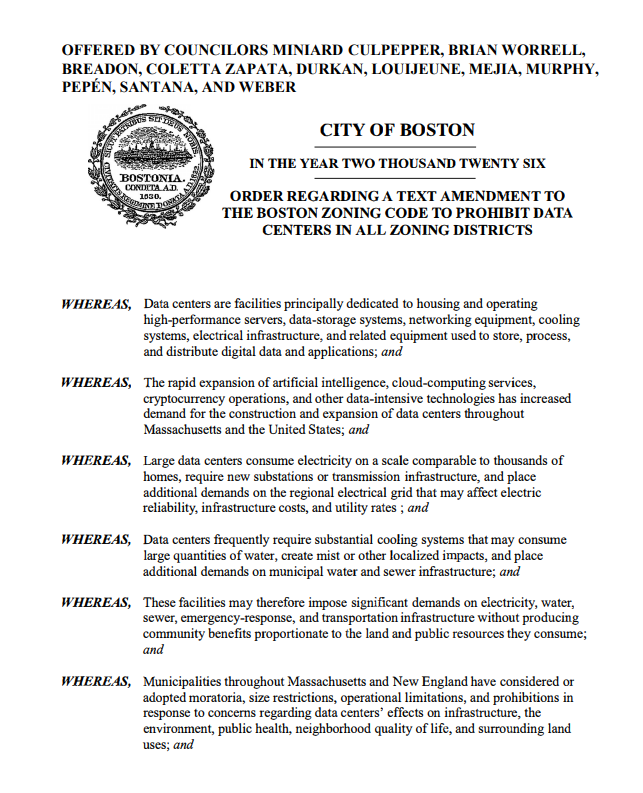
Councilor Miniard Culpepper's amendment defines "data centers" to include facilities supporting artificial intelligence, cryptocurrency mining and cloud computing, closing a potential loophole that could let such projects be classified under broader categories that don't account for their energy and water demands. Culpepper said he's not aware of any data center projects currently proposed for Boston, which has 43 existing facilities and ranks 39th among U.S. data center markets, according to Baxtel. The proposal comes after Gov. Maura Healey's Sept. 8 executive order requiring data center developers to secure local approval before state agencies can issue permits.
Yellowstone County, Montana
Yellowstone County commissioners drafted a letter to the county's legislative delegation asking lawmakers to clarify the state's Right to Compute Act to preserve counties' traditional authority to regulate data centers through local zoning, permitting and public health rules.
Commissioner Mark Morse said one potential change would require data centers to obtain a conditional use permit before moving forward, giving local government the ability to require developers to answer specific questions as part of the approval process. The push comes amid public backlash over a data center being built in Broadview, with grassroots group Yellowstone County Voices making an unsuccessful attempt to place the project on November's ballot.
Morse said any changes to the Right to Compute Act, should they occur, would not affect the Broadview project, since developer Quantica has already begun construction.
📱 Social Buzz
Governor Greg Abbott announced plans to discontinue tax incentives for data center construction as the state leads national development metrics, according to reports published September 22, 2026.
— Architect Digital (@architect_dig) September 24, 2026
Source: https://t.co/e0xJdUd79O
“The Shelby County Board of Commissioners could be on the cusp of introducing an ordinance that could potentially affect data center development in Memphis.
— The Memphis Holler (@MemphisHoller) September 24, 2026
Comm. Henri. R. Brooks on Wed., Sept. 23, attempted to introduce an ordinance as an add-on item”https://t.co/gK5t3E4Ckg
Data center regulation discussion comes to Rose Hill. https://t.co/7j3ybKQ9tB
— The Derby Informer (@DerbyInformer) September 24, 2026
Ferguson City Council says yes to tax breaks fro data center development even though residents have reservations. Story via @stlpublicradio pic.twitter.com/wUKnM1ZbLE
— Missouri Business Alert (@MoBusinessAlert) September 24, 2026
Stay Updated with Strisker!
Strisker offers tools and features to keep you updated with the Short Term Rental and Data Centers movement across the world.
👍 We’d love your feedback.
Which stories hit? Which ones missed?
We're exploring a new branch of topics centered around Data Centers and want to make it even more useful for you.
✉️ Just reply directly to this email. We read and respond to every message!
-Will McClure
🙋 P.S.
Know someone else who should be reading Daily Notes? Feel free to forward this along. We’re opening a few more spots.